Newsletters




Thousands of years of human history etched into stone in western Türkiye are under growing threat.
Experts and environmental groups warn that damage to prehistoric rock paintings in the Latmos Mountains may soon become irreversible.
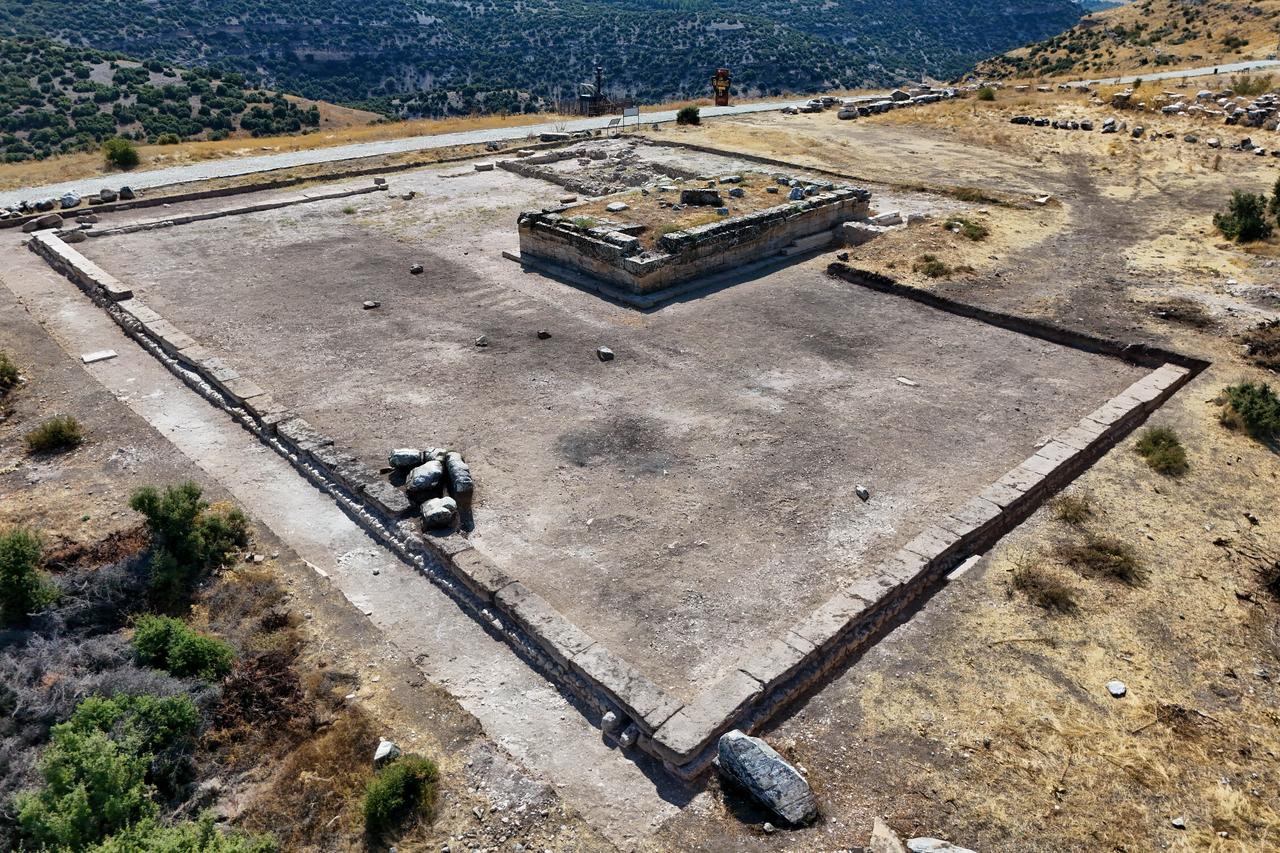
Located between Aydin and Mugla, the Latmos, also known as the Besparmak Mountains, hold some of the region’s most significant archaeological and cultural heritage, including rock paintings dating back roughly 8,000 years.
Yet recent incidents of vandalism, combined with industrial activity and unregulated tourism, are accelerating the destruction of these fragile sites.
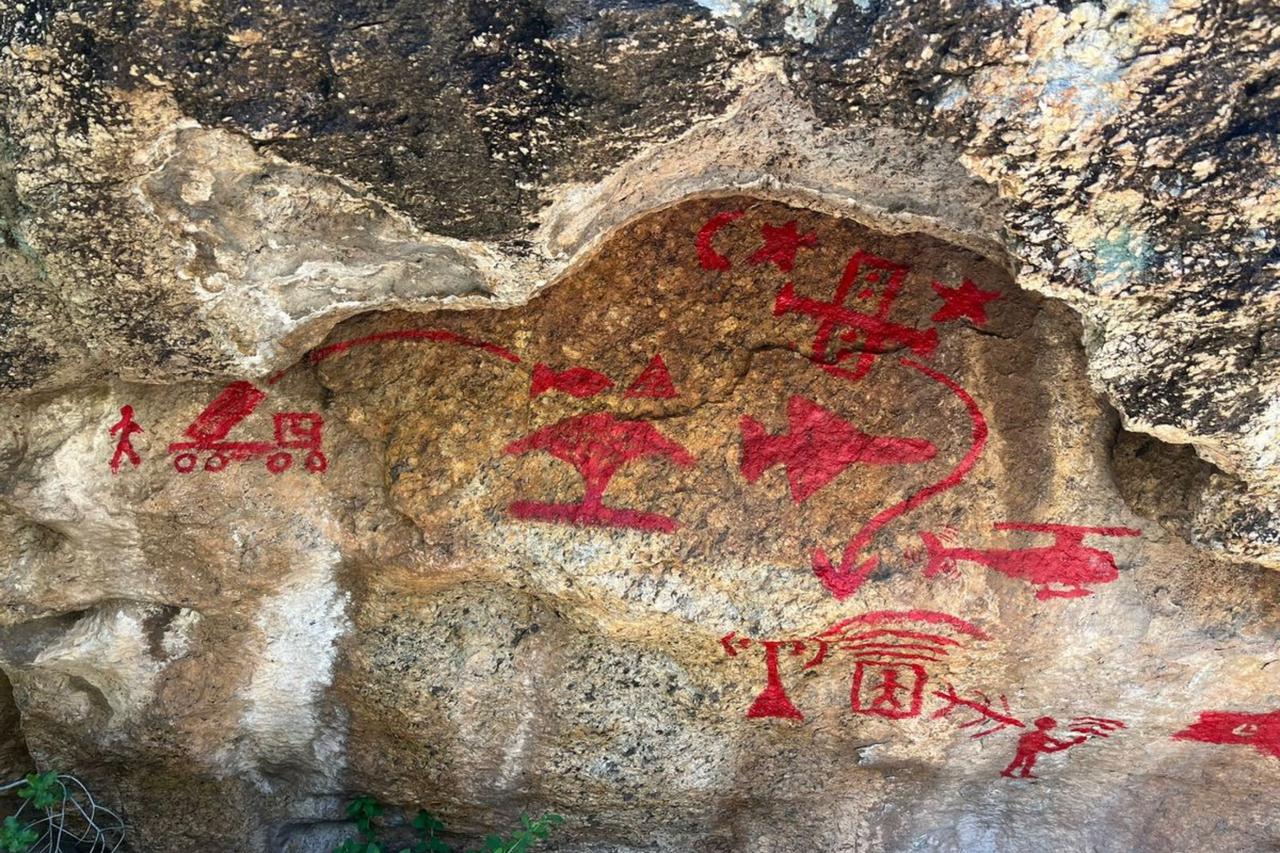
The latest case involves the Kerdemelik rock painting near Milas’ Golyaka neighbourhood, where unknown individuals painted over the surface, effectively turning the ancient artwork “into a canvas,” according to statements by the Ecosystem Protection and Nature Lovers Association (EKODOSD).

Experts say the damage is not isolated.
The region has long been exposed to pressure from mining operations and renewable energy projects, which already affect large areas of land surrounding protected zones.
Archaeologist Nezih Basgelen, head of the Cultural and Natural Heritage Monitoring Platform, told Cumhuriyet that “new mining sites and wind energy initiatives in protected areas around Lake Bafa are putting hectares of historical and natural assets at risk.”
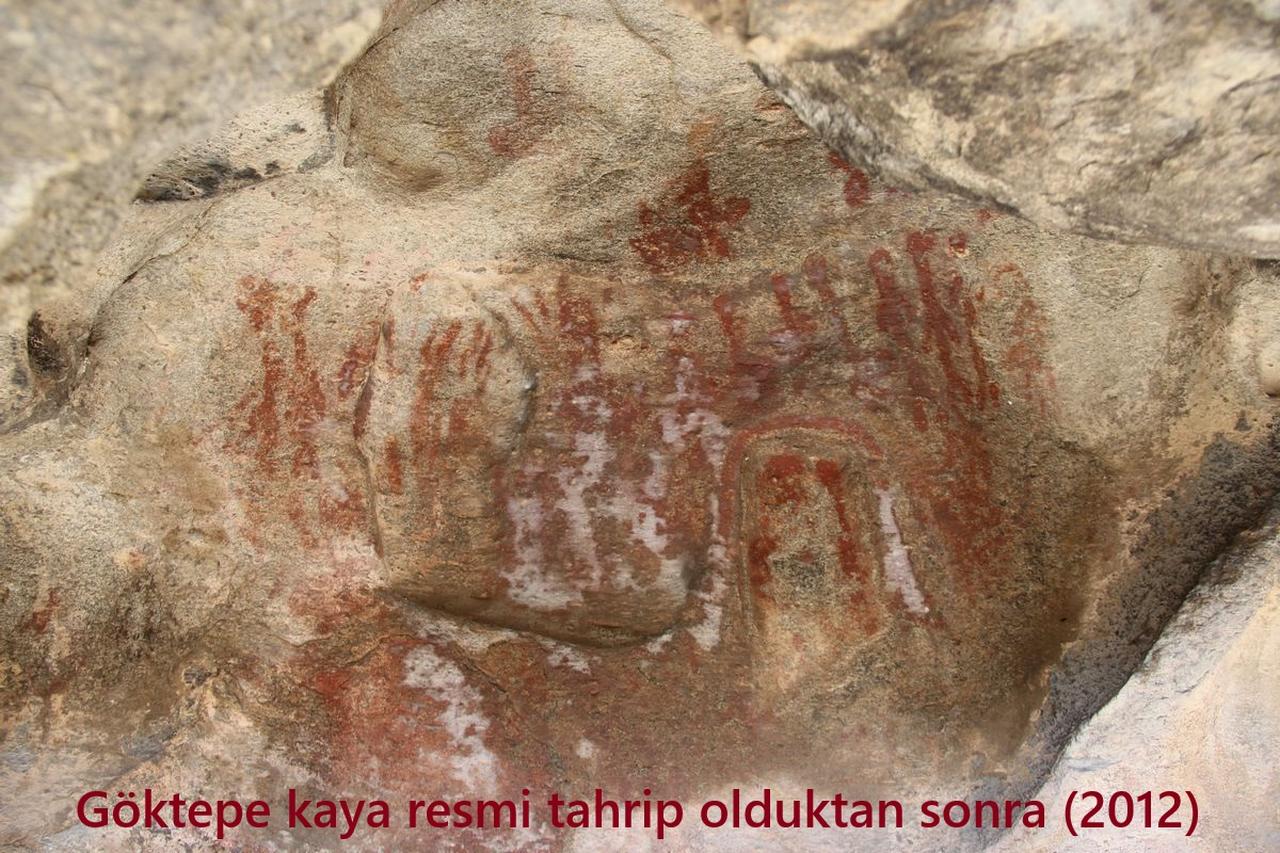
At the same time, direct human interference continues to degrade the paintings themselves. Visitors attempting to make the images more visible have reportedly applied oily substances or wiped surfaces with wet cloths, causing significant deterioration.
Basgelen also pointed to a more recent and concerning trend: deliberate intervention.
“Another grave development is the direct alteration of the paintings and attempts to create new images,” he said, warning that without urgent protection measures, the region could suffer permanent loss.
Environmental groups argue that increased visibility on social media has unintentionally intensified the problem.
In a recent statement, EKODOSD said that posts promoting Latmos often reveal precise locations across the area, drawing large numbers of visitors to sites that lack any monitoring or protection mechanisms.
“Even when well-intentioned, these posts attract many people and cause more harm than benefit,” the group said, noting that the region remains largely untouched and difficult to supervise.
Local residents have also reported that tour groups arriving by bus often visit without local guides, further contributing to unmanaged access.
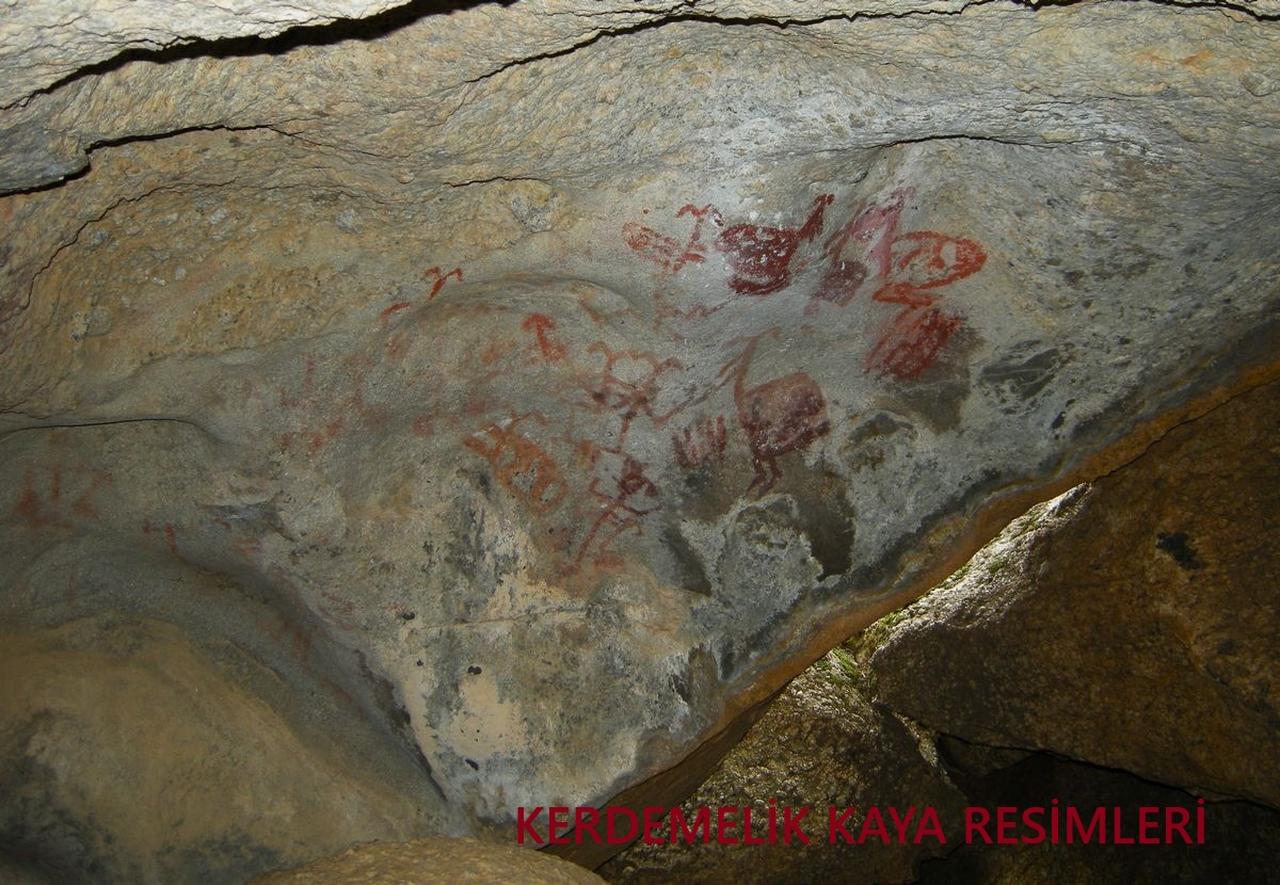
Although many of the rock paintings are officially registered as cultural assets, experts stress that the absence of a comprehensive protection framework leaves them vulnerable.
Latmos has been considered a sacred landscape since ancient times, and its rock art, dating to the sixth and fifth millennia B.C., is regarded as one of the most significant recent discoveries in Near Eastern archaeology.
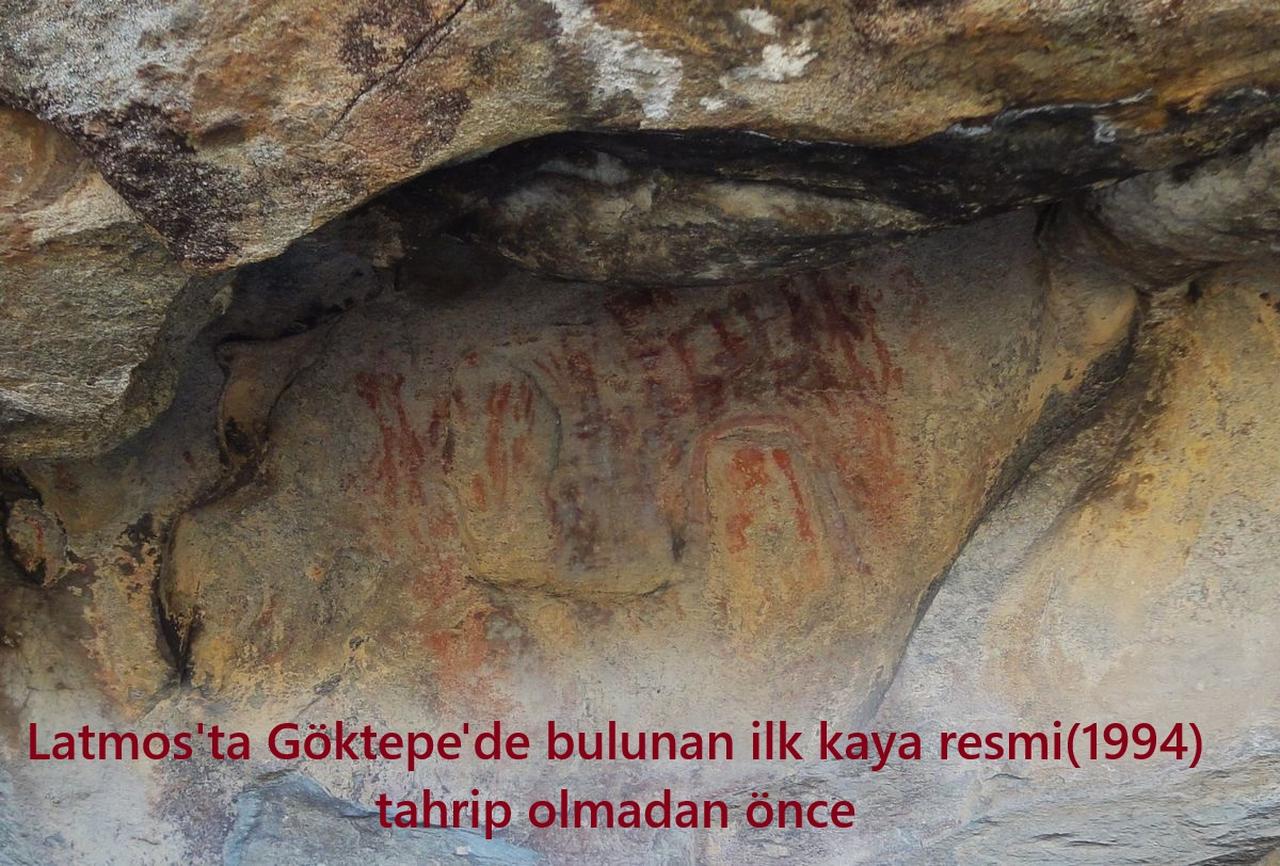
Hundreds of such paintings have been documented since the first examples were identified in 1994.
However, repeated incidents underline how easily they can be lost.
The latest destruction at Kerdemelik reinforces concerns that similar incidents could occur across other sites at any time.
EKODOSD has called for the urgent implementation of long-proposed conservation plans, pointing to international examples where access to sensitive prehistoric sites is restricted or replaced with replicas to prevent damage.


 Set as preferred source
 Set as preferred source


 3 min read