Newsletters




Twelve thousand years ago, people in what is now southeastern Türkiye gathered, built large structures, carved stone figures, and ate a lot of gazelle.
Recent lab results from Karahantepe, a major archaeological site, are now revealing more about daily life at the start of settled human civilization.
Prof. Dr. Necmi Karul, who leads the Tas Tepeler (Stone Hills) Project and oversees the Karahantepe excavation, says that recent lab work has yielded important new insights into what the site's earliest inhabitants ate.
This research also helps us compare life at Karahantepe with that at the nearby, more famous site of Gobeklitepe.
"In both settlements, we found strong traces of gazelle consumption," Karul said.
"But at Gobeklitepe, we were able to identify and determine the ratios of animals that could have lived across a wide range of different ecological zones, from plains level all the way up to the higher points of the mountains."

The diet at Karahantepe was more specific. Gazelle was the main source of meat, and plant remains showed that a key food had been missed in earlier studies.
"Our expectation regarding plant remains had leaned toward grain consumption," Karul said.
"But we found that legumes played an important role in the diet of the people living here at that time."
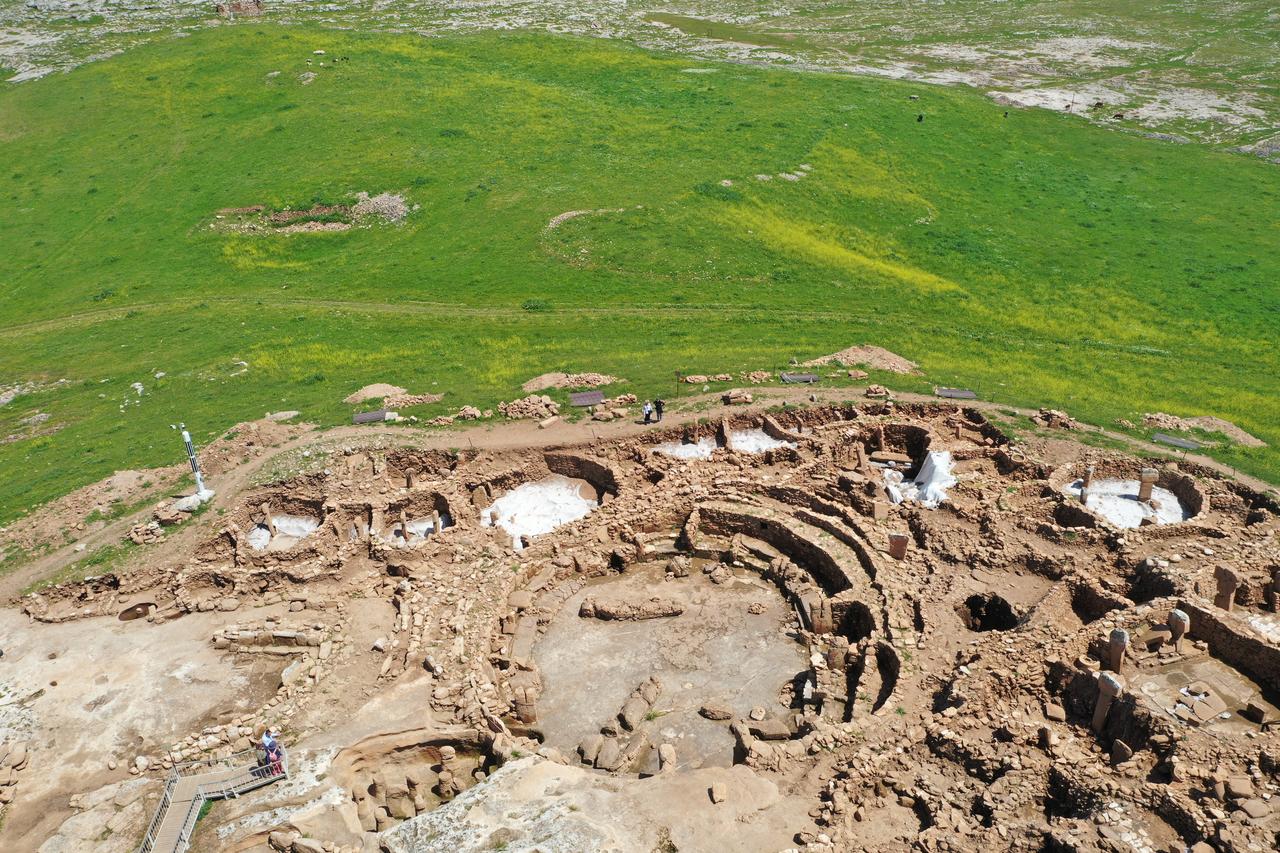
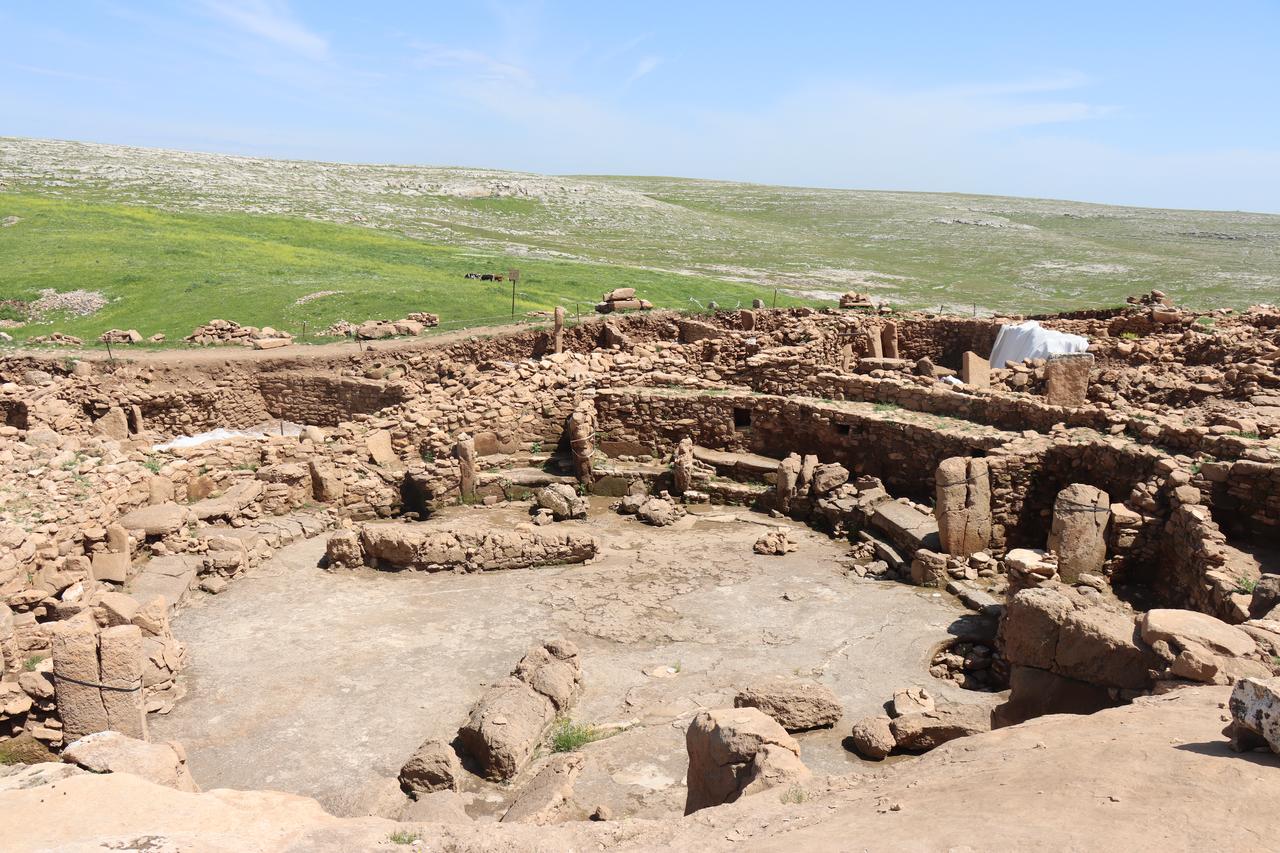
Both sites are about 12,000 years old and are the earliest known monumental settlements in human history. Karahantepe is 46 kilometers (28.6 miles) from Sanliurfa's city center, inside the Tek Tek Mountains National Park.
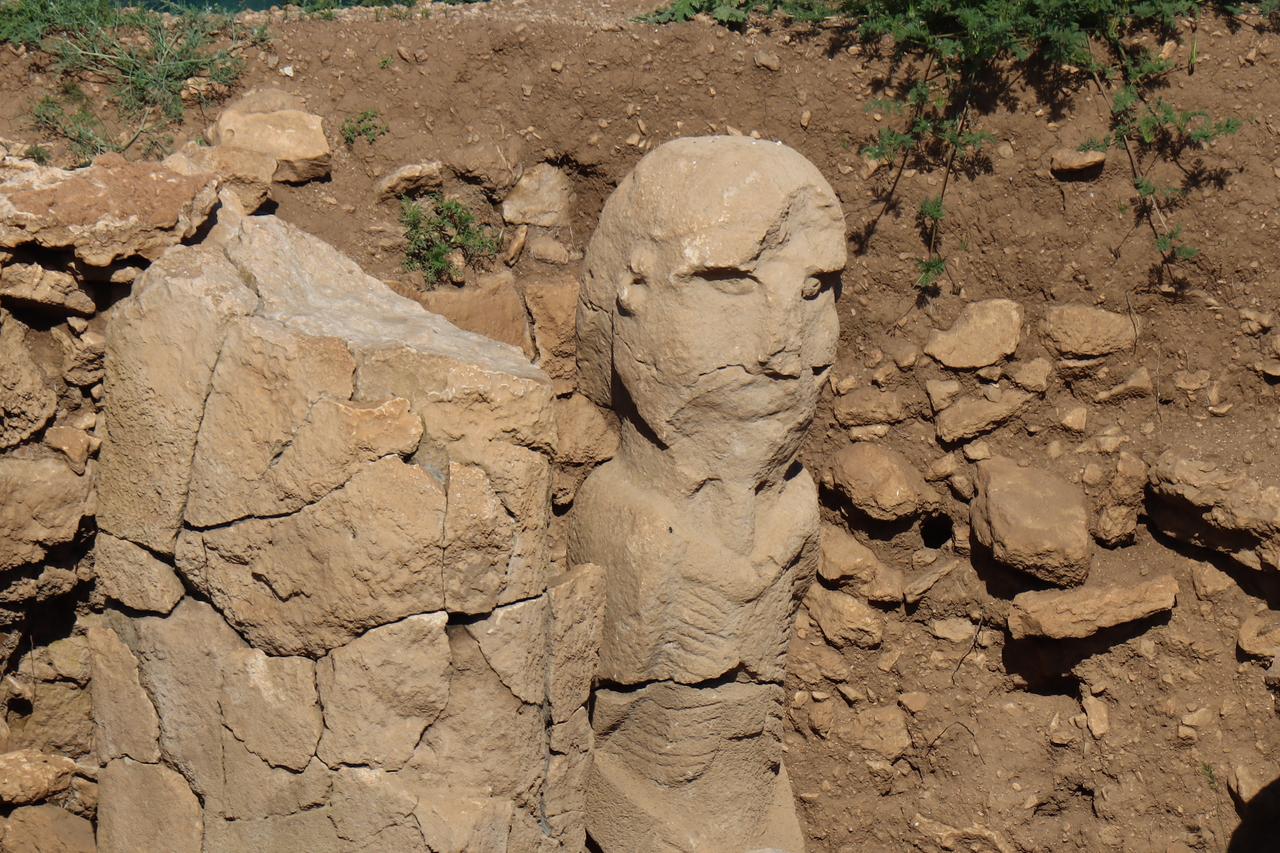
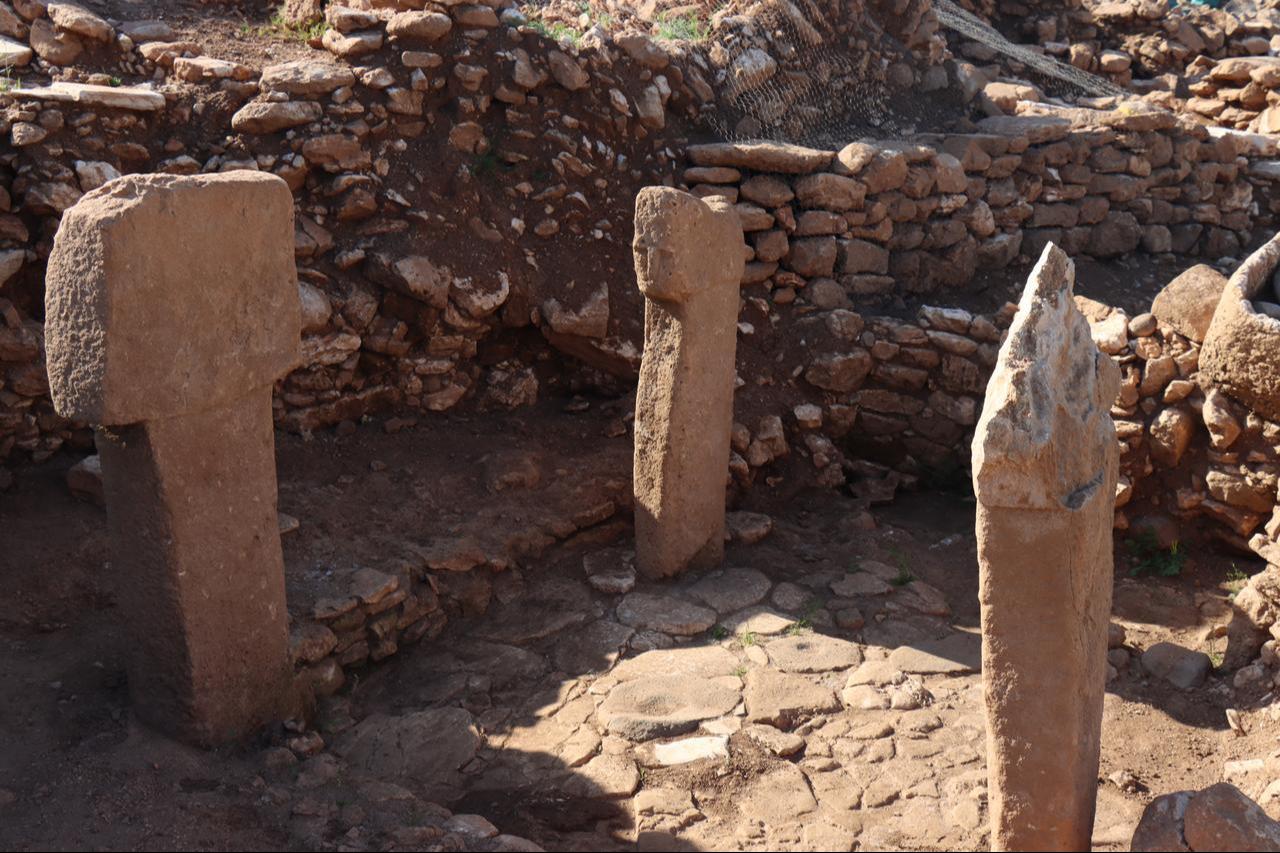
It has over 250 T-shaped standing stones from the Neolithic period, which look a lot like those at Gobeklitepe, a UNESCO World Heritage Site.
The site also has three-dimensional human figurines and detailed animal carvings spread across its 12 hectares.
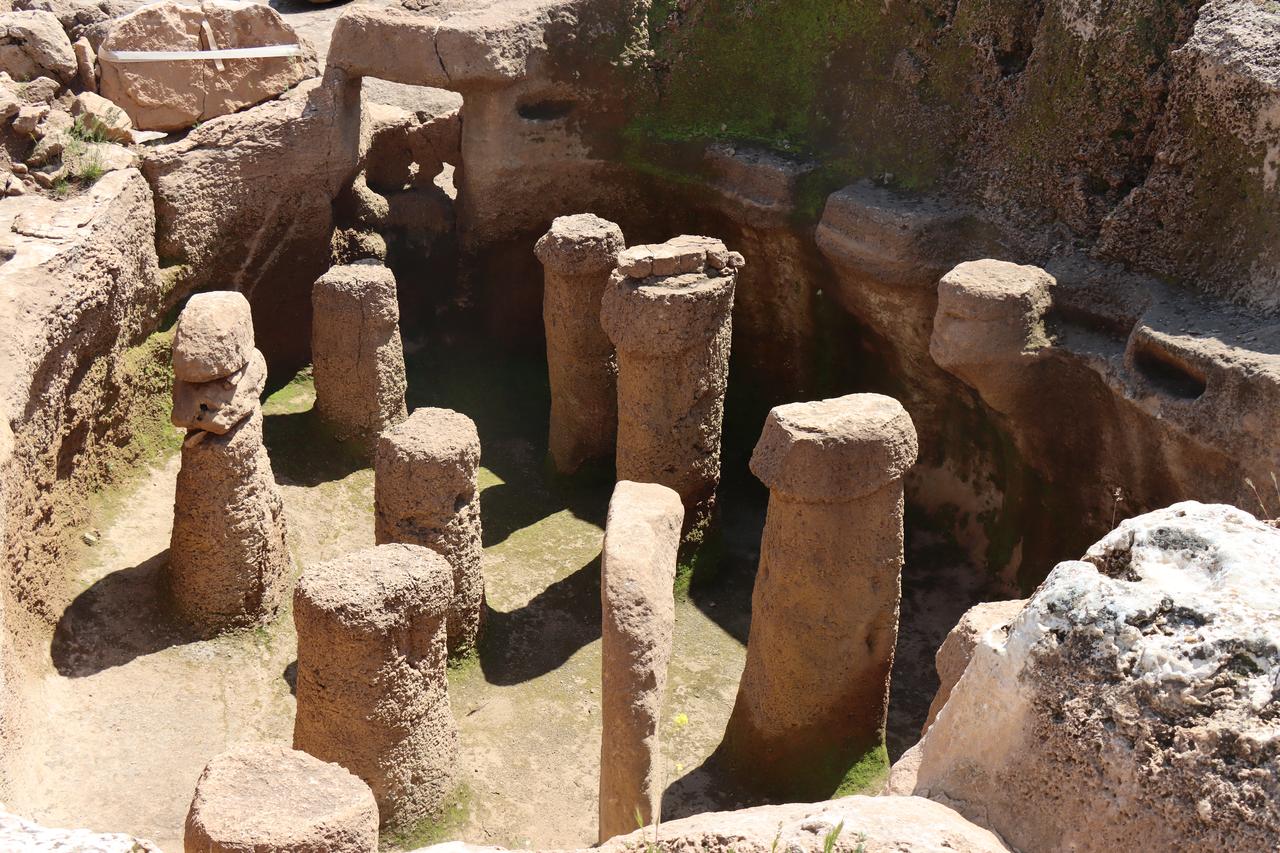
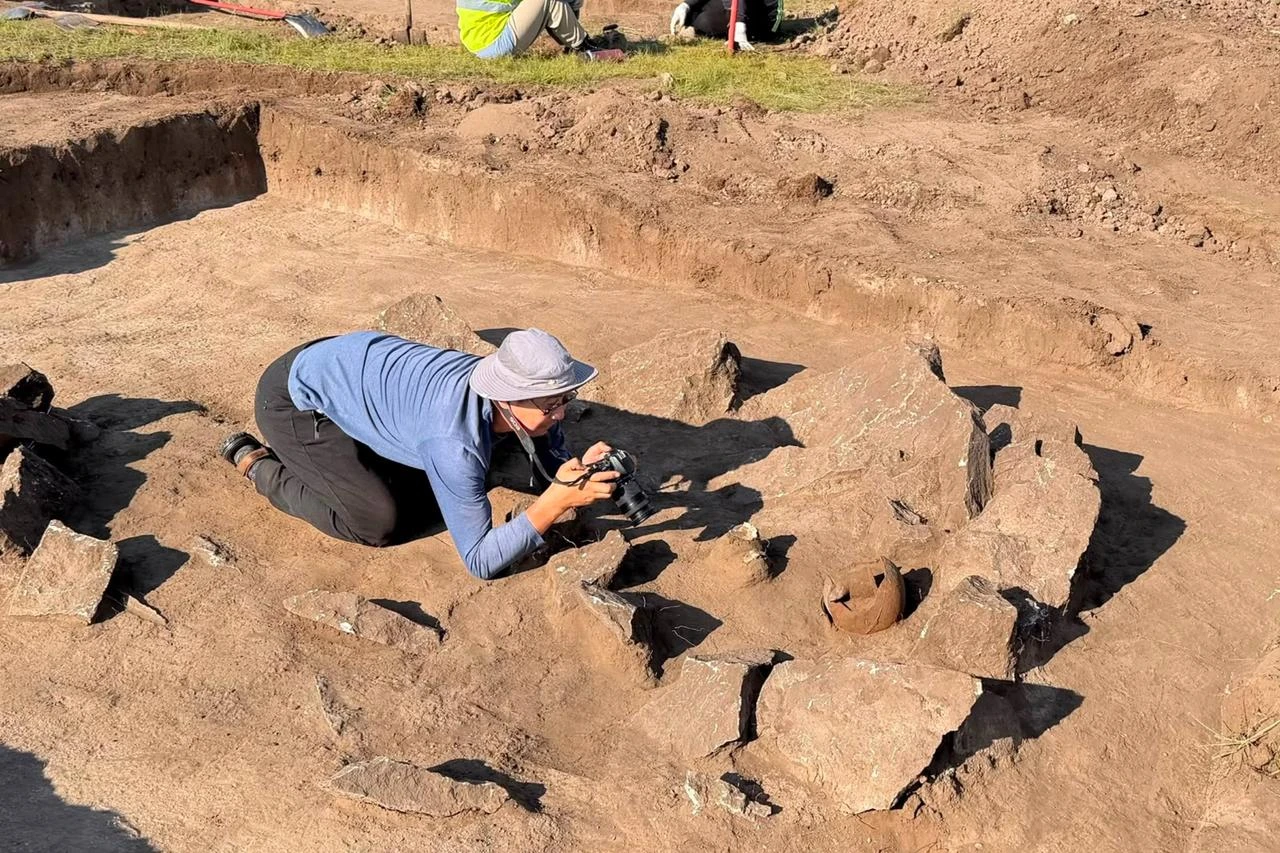
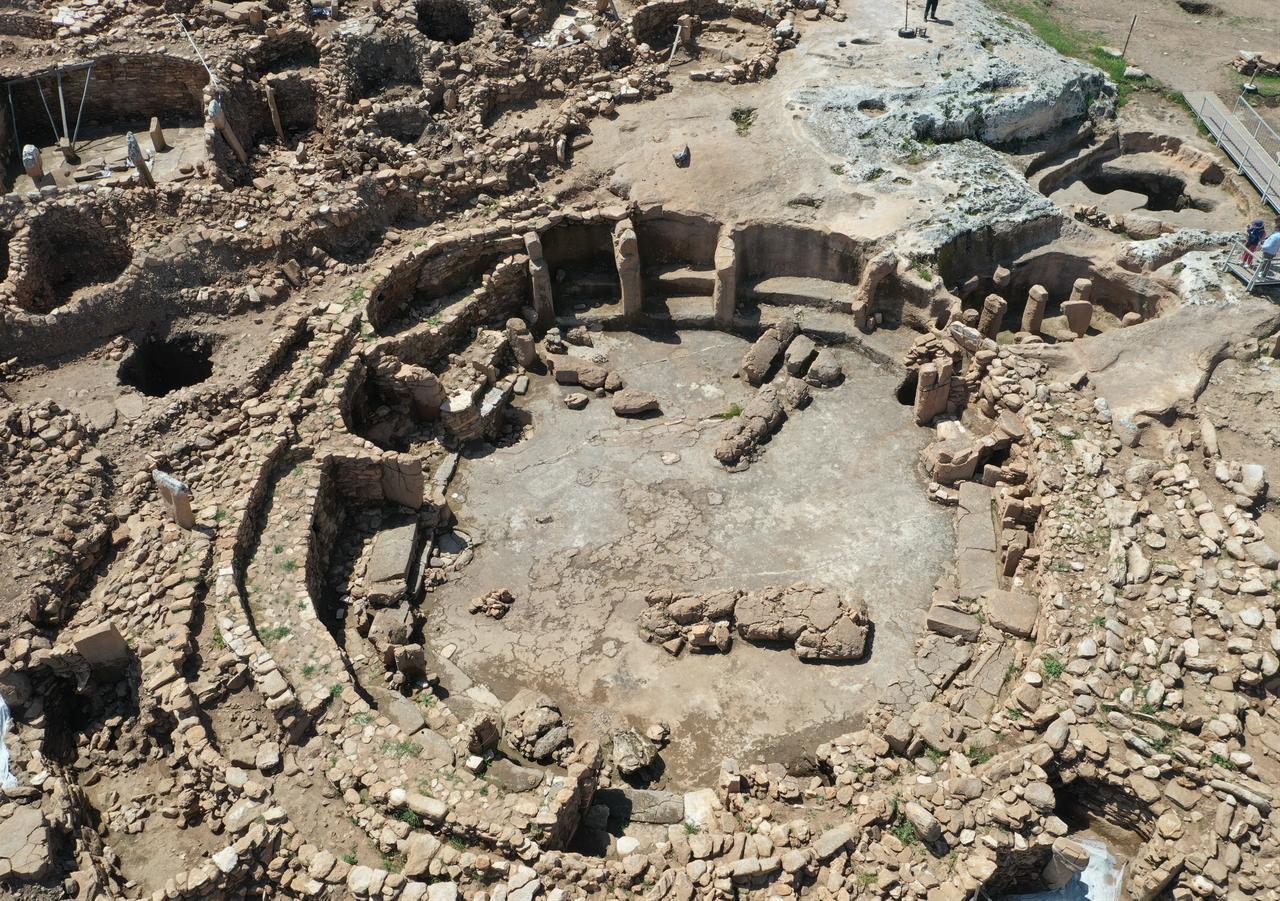
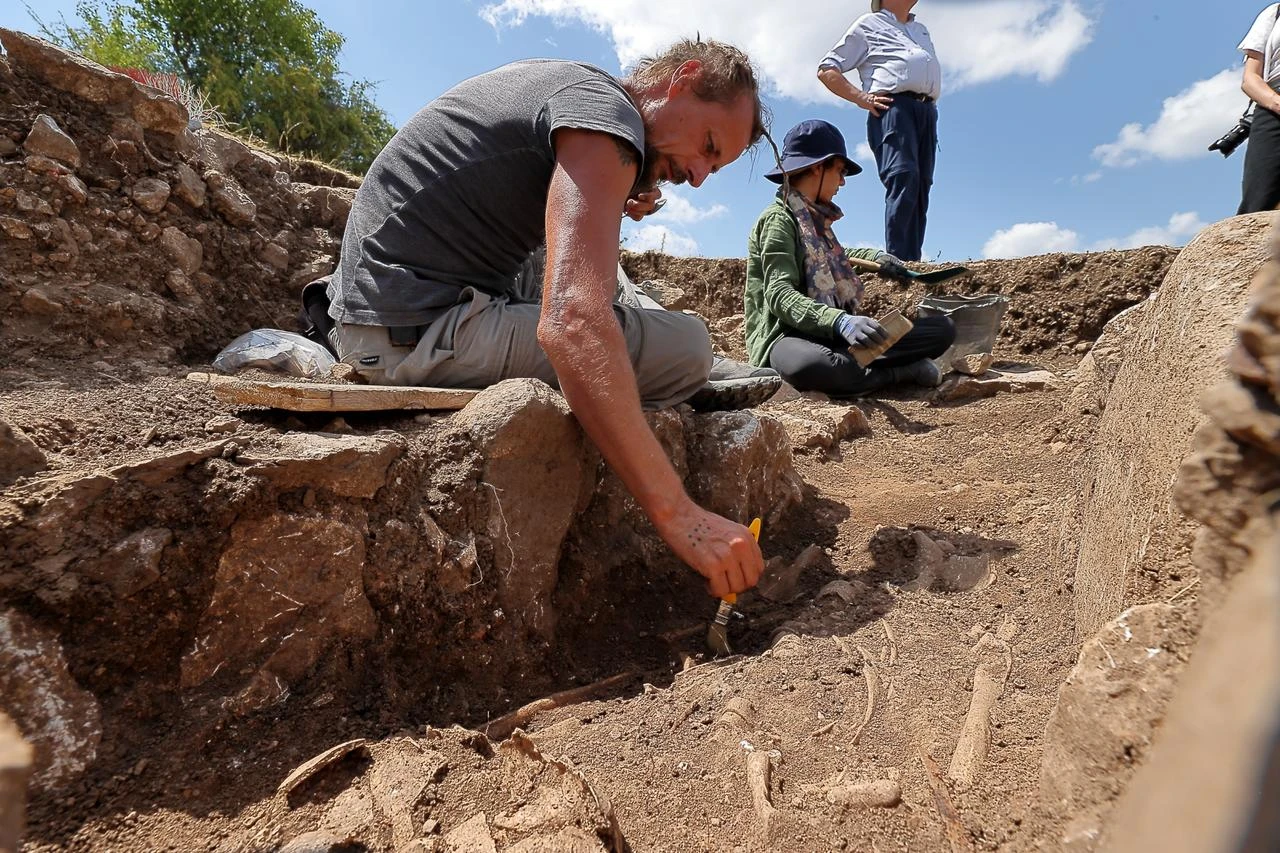
Excavations at Karahantepe have been underway for 7 years as part of the Tas Tepeler Project, considered one of the most thorough archaeological efforts in Turkey's history.
The team has worked on 6,000 square meters so far, but Karul points out that deeper layers in that area have not yet been explored.
"There are still lower layers under where we are digging now," he said. "It's hard to say when the work will be finished. What we find underground decides when these projects end.
Every year, we discover exciting finds and new information at these sites. We are working as hard as we can. If you ask me, I hope the excavations at Karahantepe never end."
'The progress made then was far ahead of its contemporaries'
For Karul, the importance of Karahantepe and Gobeklitepe is not about which site is older. "I want to emphasize that 'antiquity' is not particularly meaningful here," he said.
"The fact that a settlement may be 100 years older does not change the role that Gobeklitepe and Karahantepe play in human history. These are the most monumental known settlements dating to the beginnings of sedentary life anywhere in the world, and they bring us closest to the people of 12,000 years ago through their symbols."
He said that the achievements from that era are unlike anything else from that era.
"The progress made at that time was far ahead of contemporaries elsewhere in the world. We see the accomplishments of people who lived in this region 12,000 years ago, in art, technology, and engineering. There are many settlements across Anatolia that show this success was not just for that moment but continued into later times."
Ecology project expands the research scope
In addition to the excavations, researchers have started the Tas Tepeler Ecology Project. They are sending teams to study and record the region's current natural environment as part of a larger effort to understand the ecological background of the ancient settlements.
"We are trying to understand and document what the living environment contains," Karul said. "Geological research is also part of this.
The Tas Tepeler Project should not be seen only as an excavation project; it is much more than that. This work covers the environment from past to present, the archaeological sites and their excavations, a regional inventory, records of traditional life in the area, and managing cultural heritage as we share this knowledge with the public."
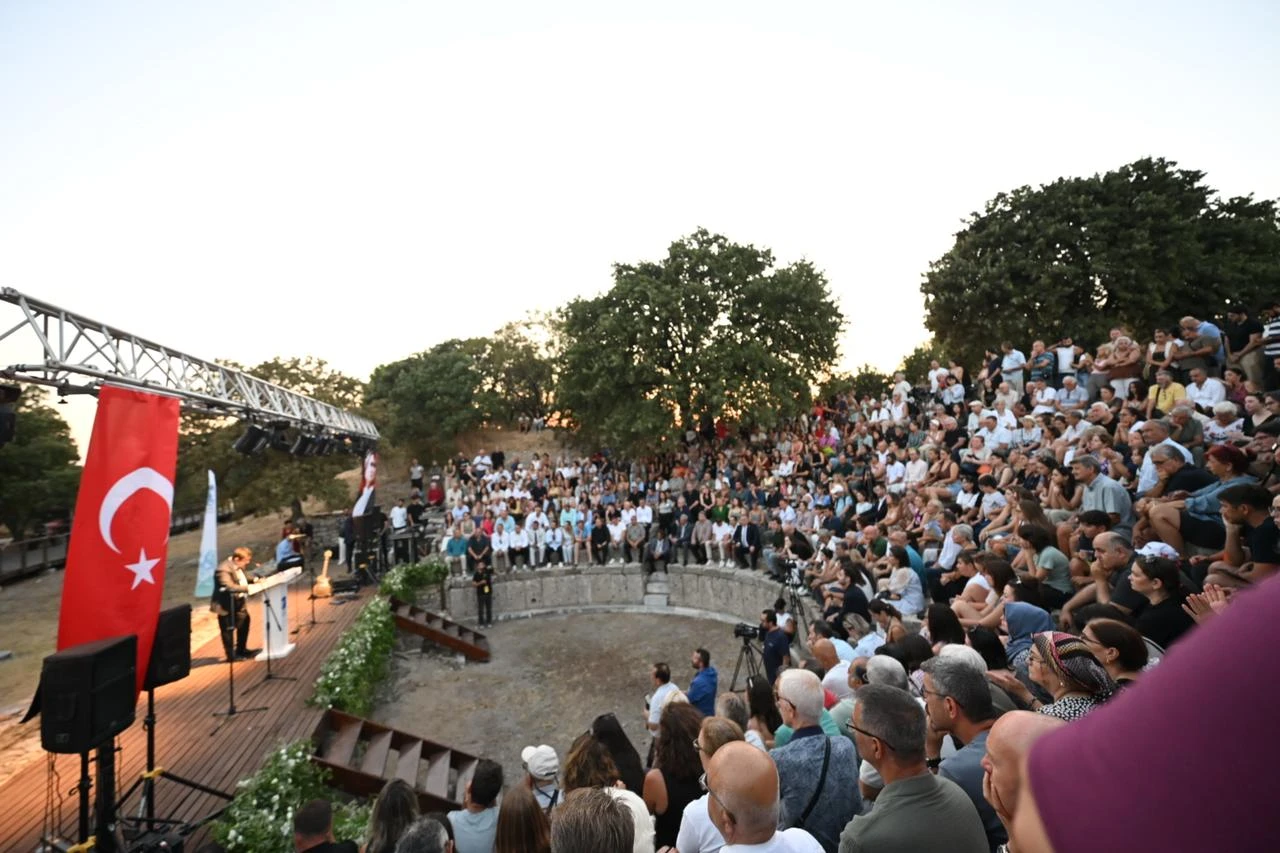
This public aspect now has an international reach. A Berlin exhibition called 'Discovery of Society' has attracted the attention of experts abroad, and the Sanliurfa Culture Road Festival has included Karahantepe in its food program.
Karul sees this as a natural result of what archaeology teaches us. "Archaeology shows that all the diversity of human life in the past can have reflections in the present," he said
"Tas Tepeler, and Karahantepe in particular, has become a place where everyone can find a connection to the past."
A protective roof for the site is also almost ready for construction. Karul says this step is about more than just physical preservation, since the increasing public and scientific interest in the site means it needs to be both protected and accessible.


 Set as preferred source
 Set as preferred source


 3 min read