

 Sign in
 Newsletters


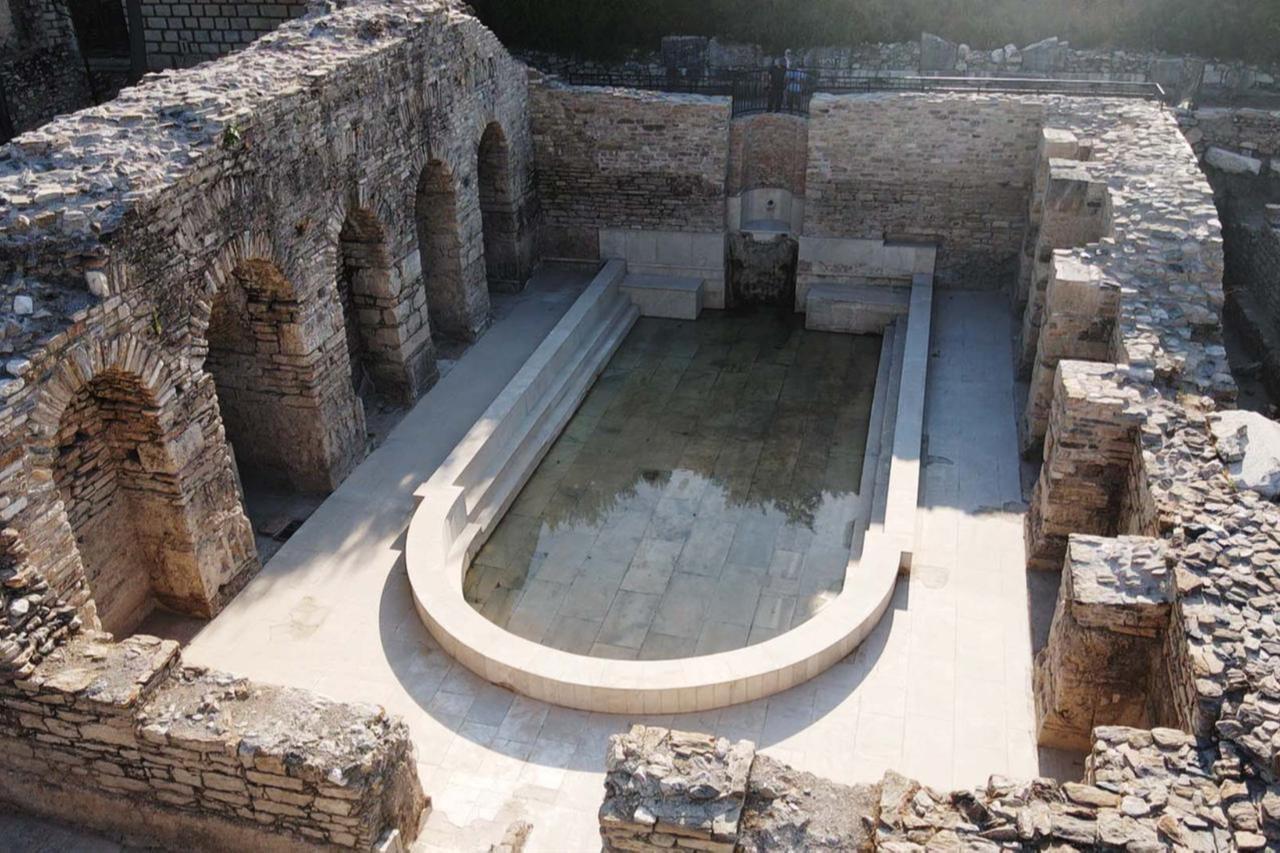


Researchers have traced nearly 2,000 years of construction, earthquake damage and reconstruction at an ancient Roman bath complex in southwestern Türkiye, uncovering evidence that major seismic events repeatedly reshaped the building before its eventual collapse.
The study, carried out by researchers from Ankara and Pamukkale universities and published in the scientific journal Archaeological and Anthropological Sciences, examined a Roman bath complex in the ancient city of Stratonikeia, located in Türkiye's Mugla province.
By analyzing construction materials and archaeological remains, the researchers identified three major phases in the bath's history, linking its restoration and eventual destruction to possible earthquakes that struck the eastern Mediterranean during antiquity.
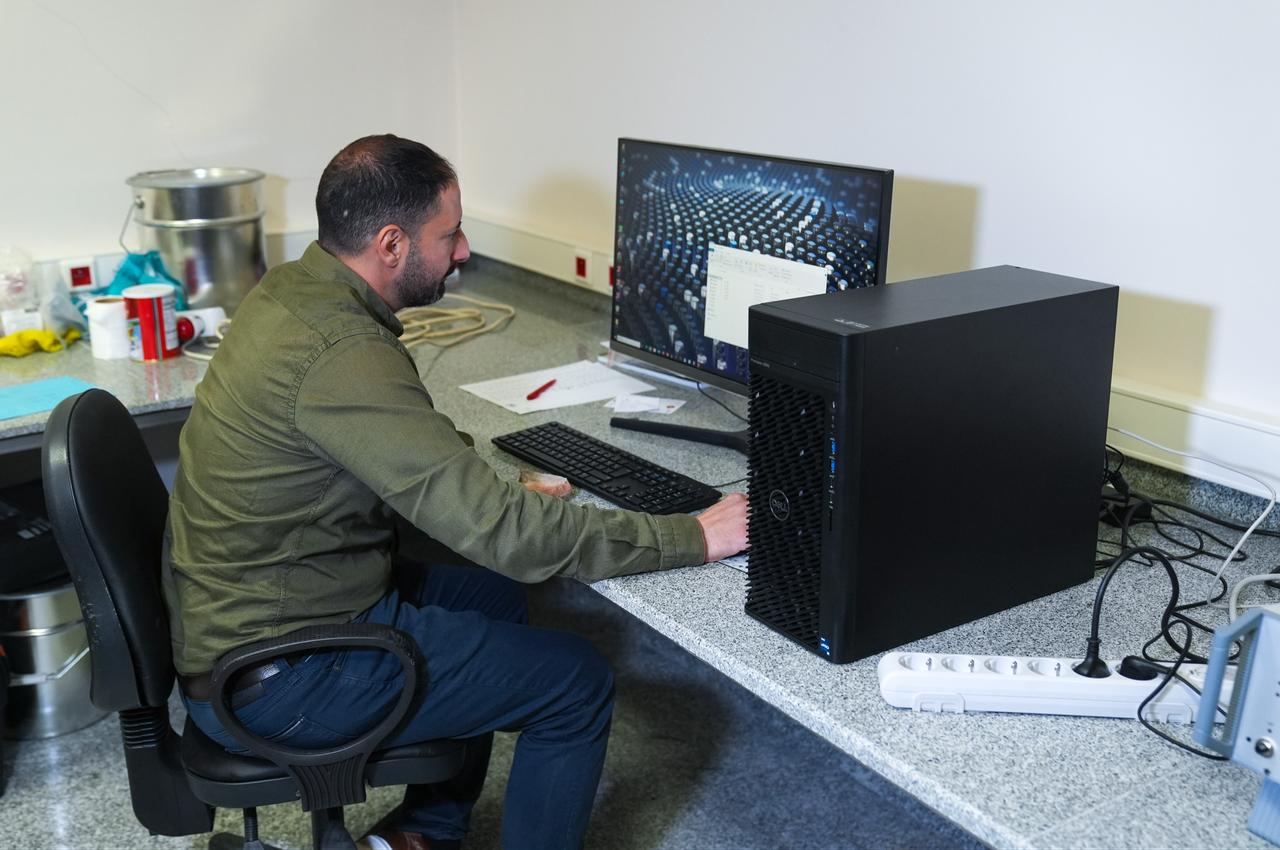
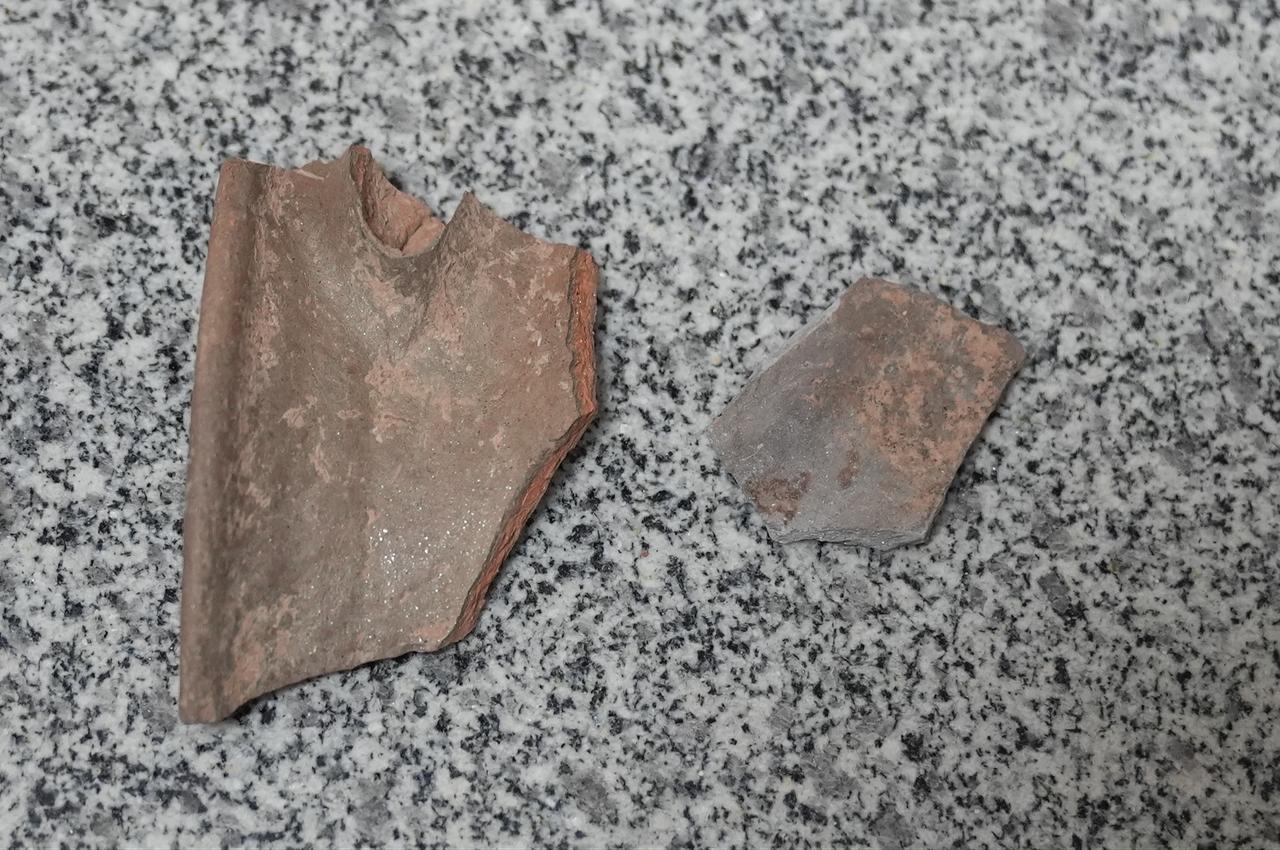
Researchers examined bricks, mortar and sediment collected from the bath's frigidarium, the cold-water bathing room commonly found in Roman bath complexes, along with materials from an adjoining exercise courtyard.
They combined a scientific dating method that measures energy stored in minerals with archaeological evidence and historical earthquake records to establish when different parts of the complex were constructed, repaired and damaged.
Their findings placed the original construction of the bath in the late first or early second century A.D., when Stratonikeia was undergoing extensive urban development under Roman rule.
A second major construction phase was dated to between A.D. 365 and 499, with the highest probability falling around A.D. 375, indicating that the complex underwent substantial restoration several centuries after it was first built.

The researchers found that the estimated restoration period was consistent with rebuilding efforts following a powerful earthquake off the coast of Crete in A.D. 365.
The earthquake caused widespread destruction across the eastern Mediterranean, and the study suggests that its effects may have prompted major repairs to the bath complex at Stratonikeia.
However, the dating results establish a period of reconstruction rather than directly proving that the A.D. 365 earthquake caused the damage.
The study also uncovered evidence pointing to another major destructive event centuries after the Roman-era restoration.
Coins minted in A.D. 613 and discovered beneath a layer of collapsed building material helped researchers narrow down the bath's final major collapse to between A.D. 613 and 850.
Their analysis identified approximately A.D. 633 as the most probable date, raising the possibility that an earthquake in the early seventh century brought an end to the complex's monumental function.
Although the findings support this interpretation, researchers emphasized that the precise date of the collapse could not be established.
Eren Sahiner, a professor at Ankara University's Earth Sciences Application and Research Center, said the research provided evidence of how ancient populations dealt with earthquakes and rebuilt their settlements following destructive events.
"We can see the destructive impact of earthquakes and how they affect the population and urbanization of a region," Sahiner told Anadolu.
He added that examining the long-term history of the bath complex could help scientists better understand how earthquakes affected urban development and populations over successive centuries.
The findings bring together scientific dating, archaeological discoveries and historical earthquake records to reconstruct the building's history, from its construction under Roman rule to its later restoration and eventual collapse.


 Set as preferred source
 Set as preferred source


 1 min read


 1 min read


