Newsletters


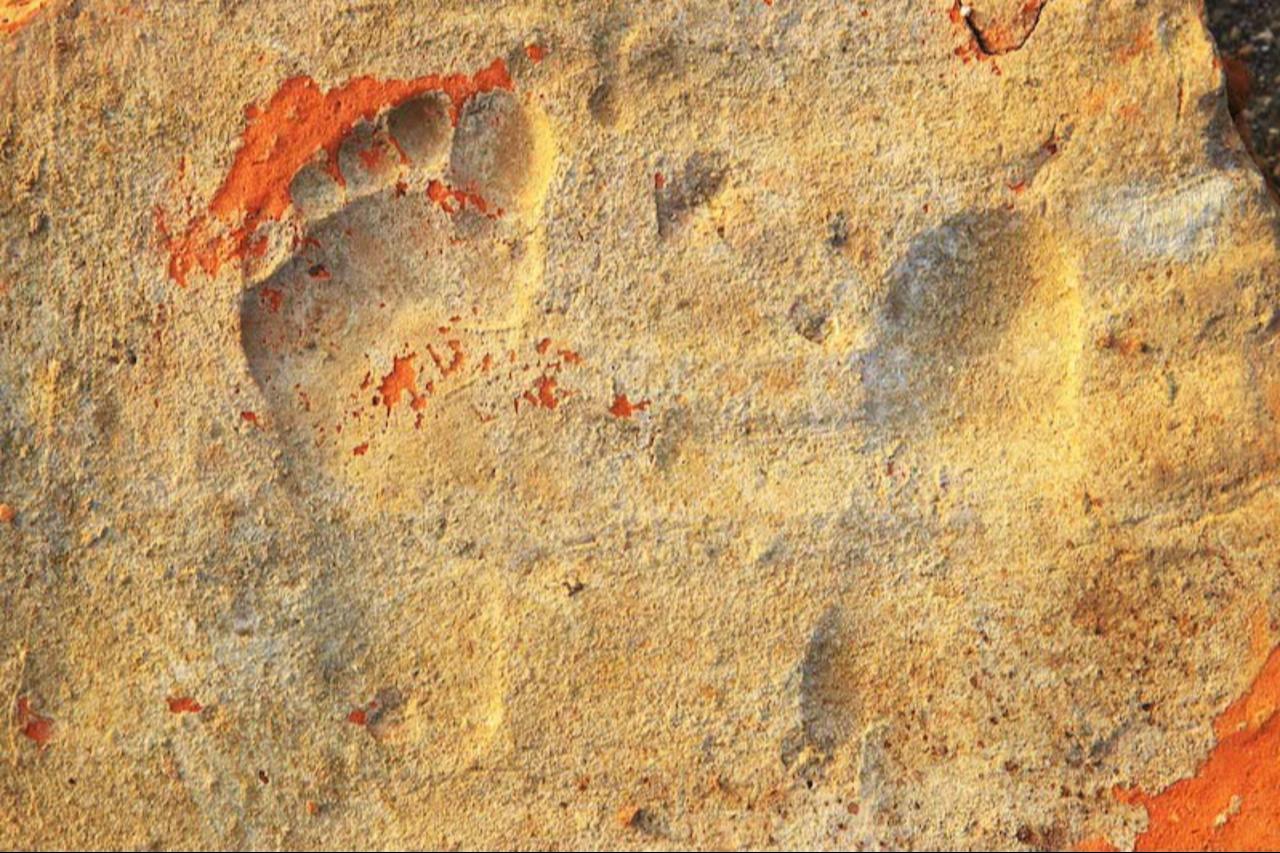


Archaeologists have uncovered footprints belonging to three children that date back around 1,900 years at the ancient city of Stratonikeia, or Stratonicea, in southwestern Türkiye, offering a rare trace of everyday life at the site.
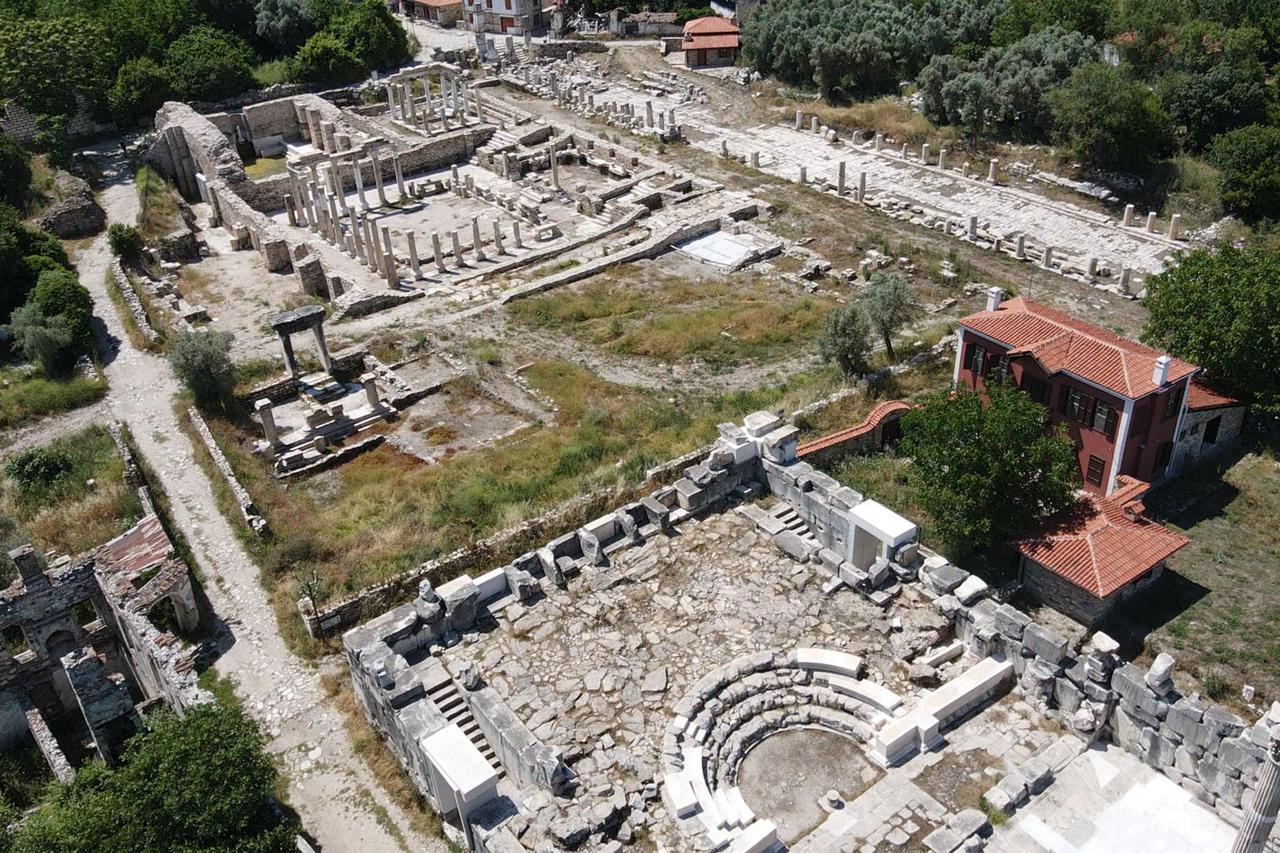
The footprints came to light during ongoing excavations at Stratonikeia, located in the Yatagan district of Mugla. The ancient city, which is on UNESCO's World Heritage Tentative List, hosted several civilizations over time and is regarded as one of the world's largest marble-built ancient cities.
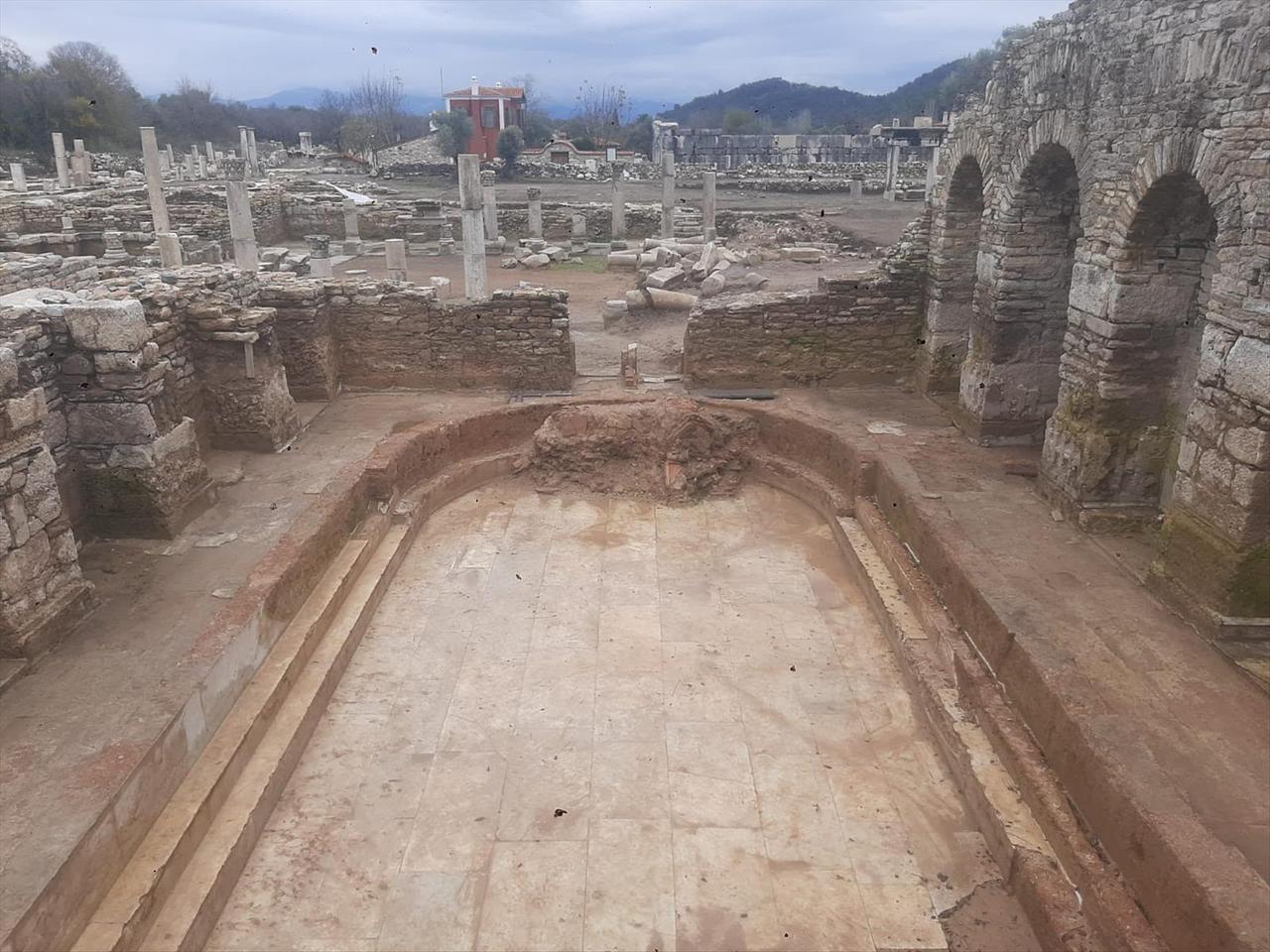

A team led by Stratonikeia and Lagina excavation director Professor Bilal Sogut carried out work around the Roman bath near the ancient city's western street.
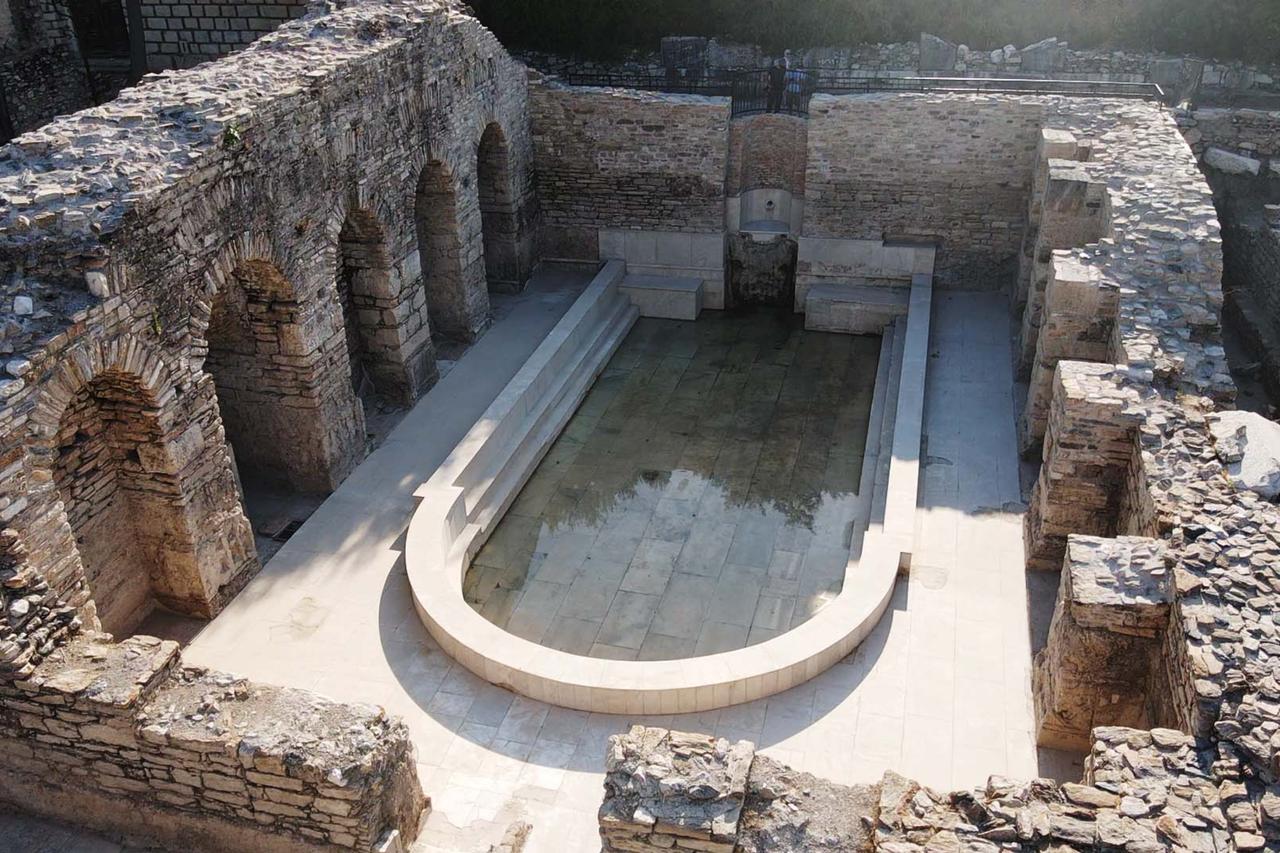
Excavations focused on the palaestra, the exercise area attached to the bath complex, as well as the apodytorium, which served as a changing room, and the frigidarium, the cold section containing pools.
 1 min read
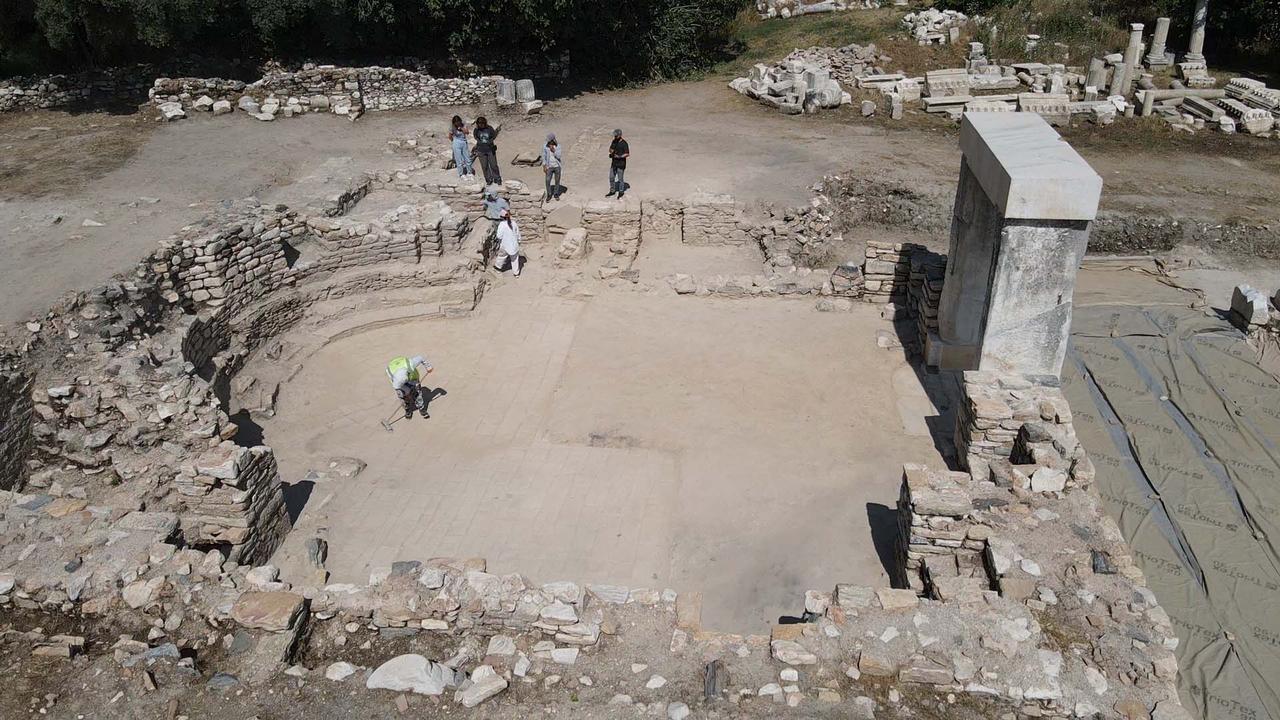
Sogut said this year's excavations in the frigidarium had been completed and had brought out significant finds.
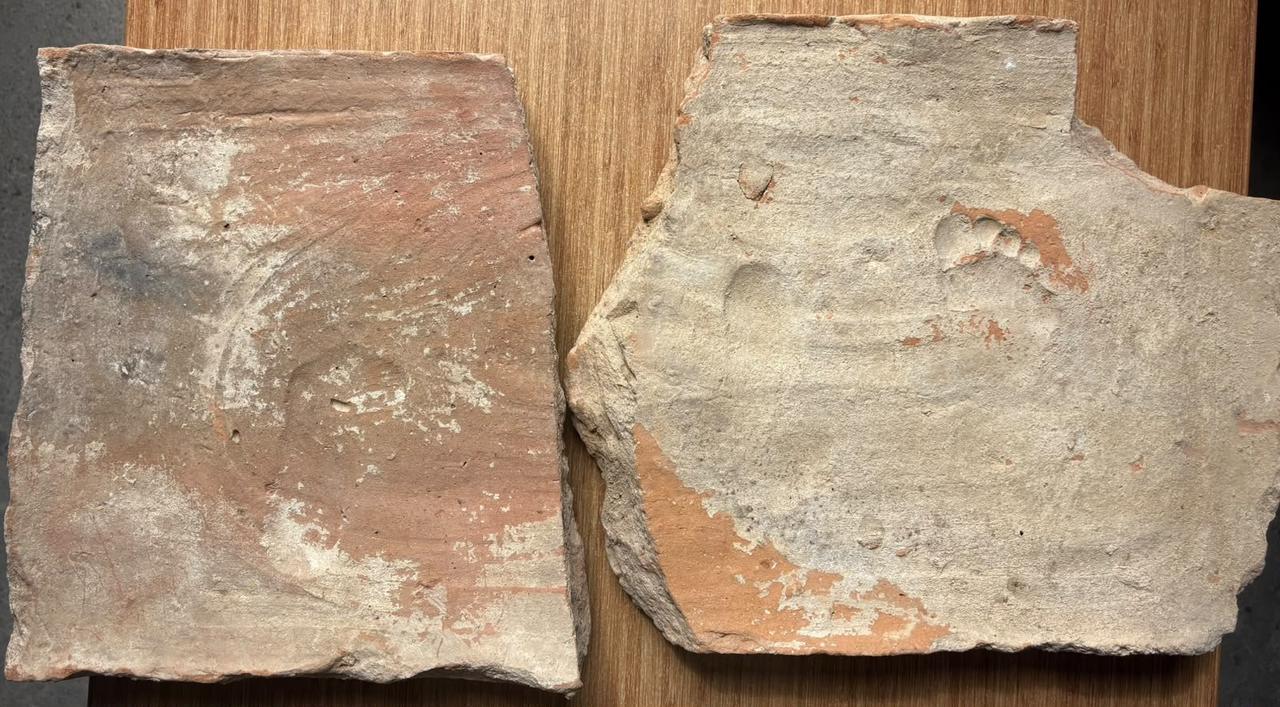
Archaeologists uncovered the bath's pools and niches in the surrounding sections, while architectural and construction materials belonging to the building's roof were also found where they had fallen when the structure collapsed in antiquity.
Among the finds were the footprints of three children, preserved for around 1,900 years.
The discovery provides a physical trace of the people who once lived at Stratonikeia, alongside the monumental structures that have survived at the ancient city.


 Set as preferred source
 Set as preferred source


 1 min read