Sign in
 Newsletters


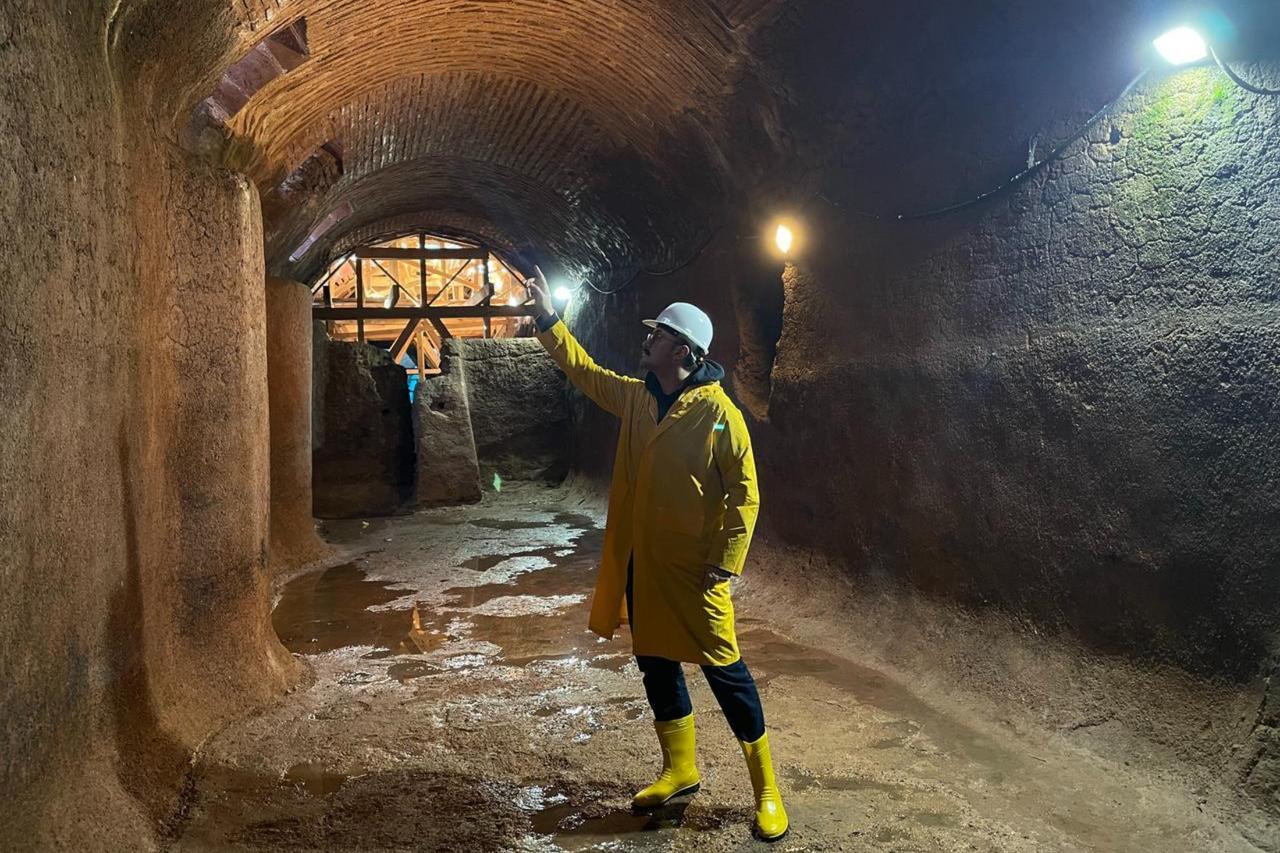


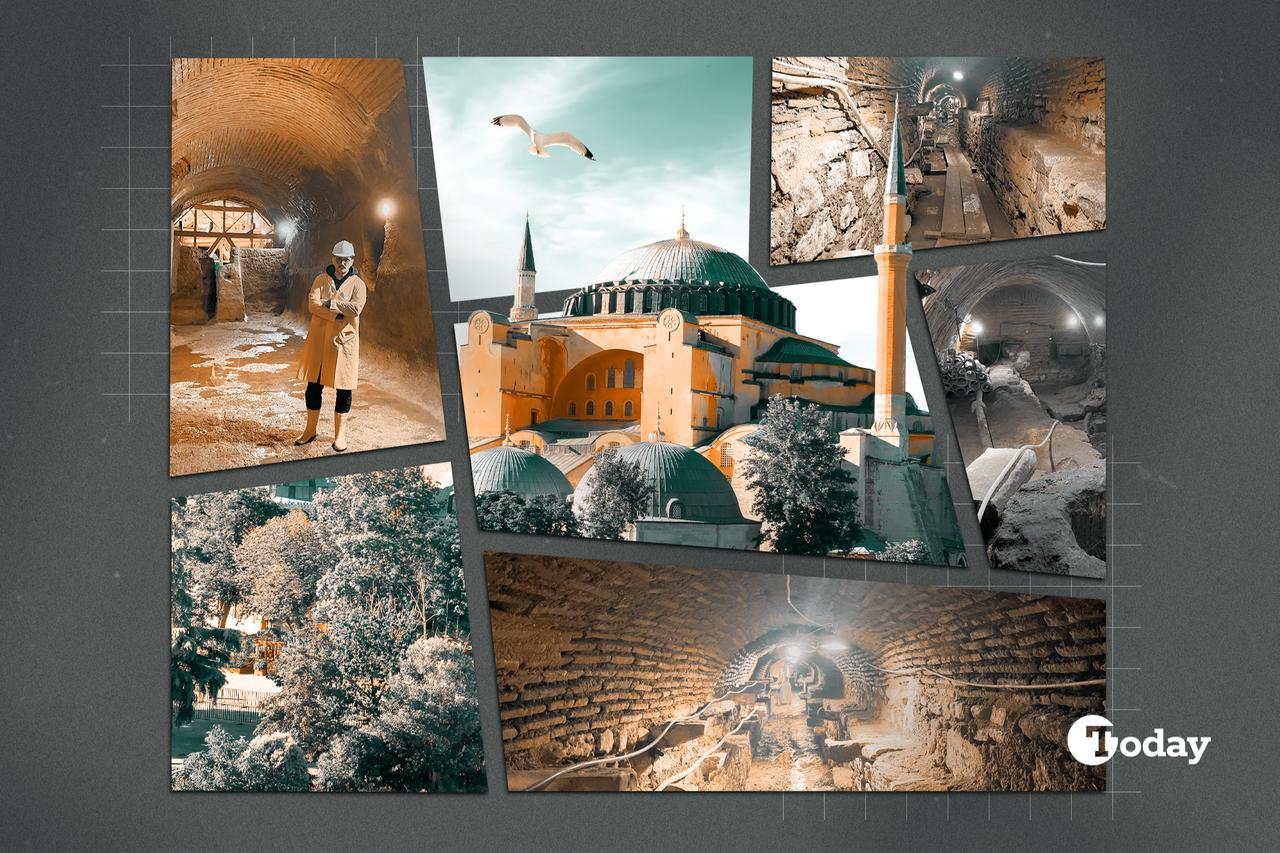
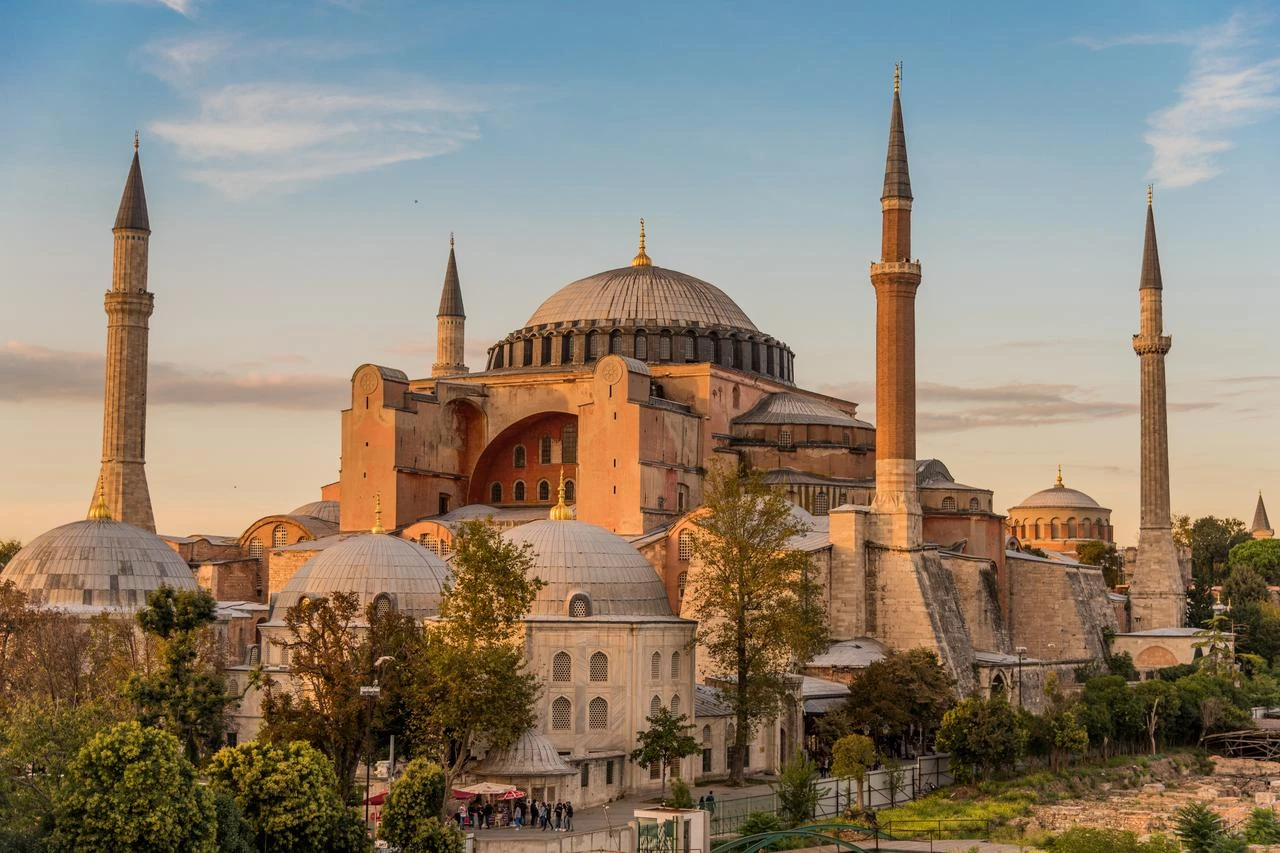
A 180-meter section of an ancient Roman road that remained hidden beneath Hagia Sophia for centuries has been uncovered during ongoing restoration and scientific research, shedding new light on Istanbul's 1,600-year-old underground heritage.
Professor Hasan Firat Diker, a member of Hagia Sophia's Scientific Committee and an academic at Fatih Sultan Mehmet Vakif University (FSMVU), identified the discovery as one of the most significant findings of the ongoing research.
Dating back to the early fifth century at the latest, the road passed directly in front of an earlier Hagia Sophia building before becoming concealed within the present structure.
According to Diker, the ancient road stretched in a straight line from Sarayburnu, the promontory overlooking the Bosphorus, to Little Hagia Sophia, effectively dividing Istanbul's historic peninsula in two.
The discovery could prompt researchers to reconsider existing knowledge of the city's historical development.
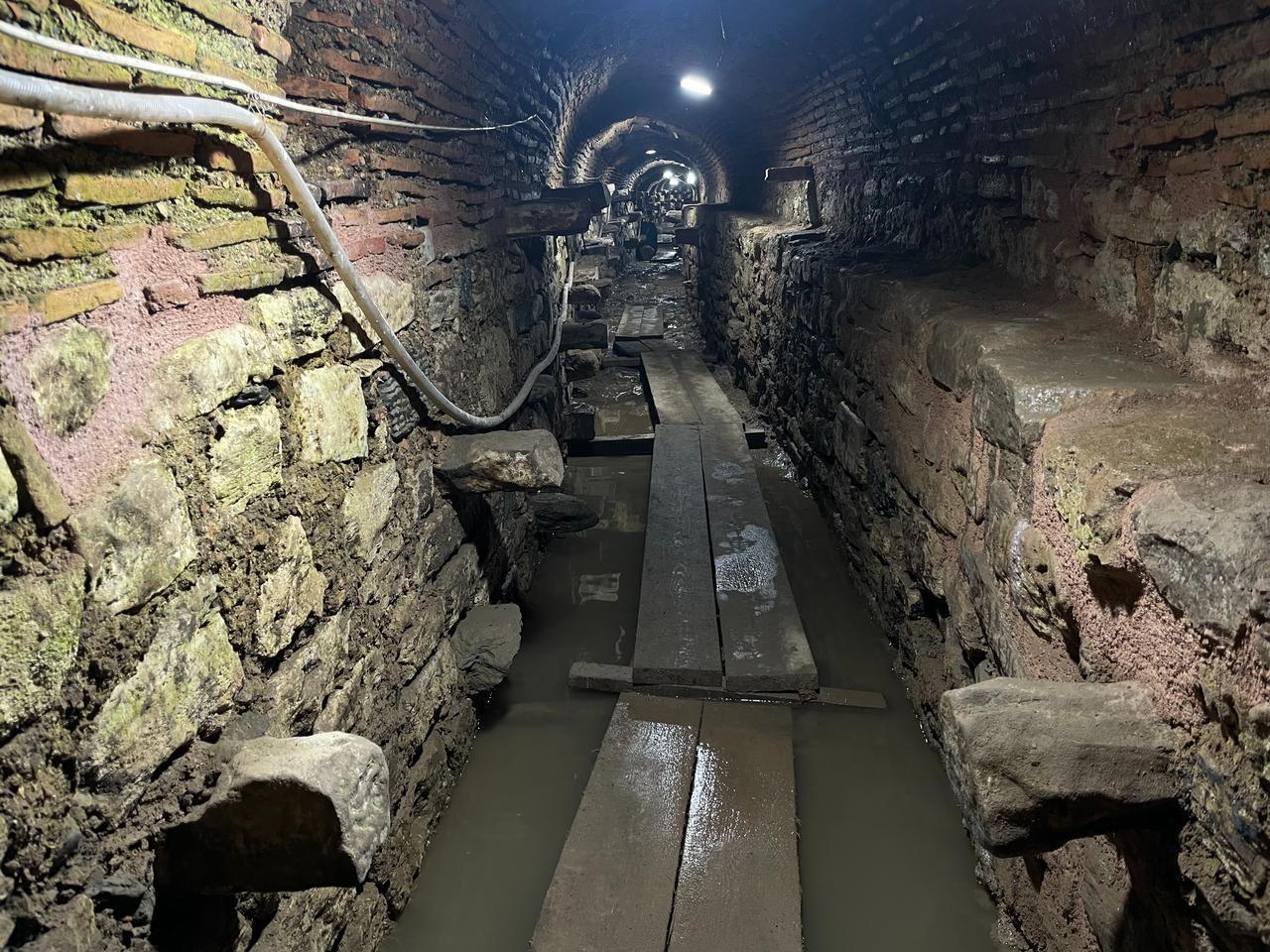

Since early 2025, restoration teams have removed approximately 3,000 tons of fill material from Hagia Sophia's gardens and cleared a total of 600 meters of underground passageways.
Researchers have also identified six underground chambers and nine interconnected tunnels, which experts believe may have served as rainwater drainage systems, water distribution channels and other essential infrastructure.
The longest tunnel identified so far, stretching 180 meters, is believed to be associated with the ancient Roman road.
Meanwhile, cleaning work inside a hypogeum, an underground burial structure located northeast of Hagia Sophia, has revealed architectural layers that may predate the existing building.
"An infrastructure so extraordinary that it could hardly feature in a historical fiction novel is coming to light in all its physical and architectural reality," Diker said.
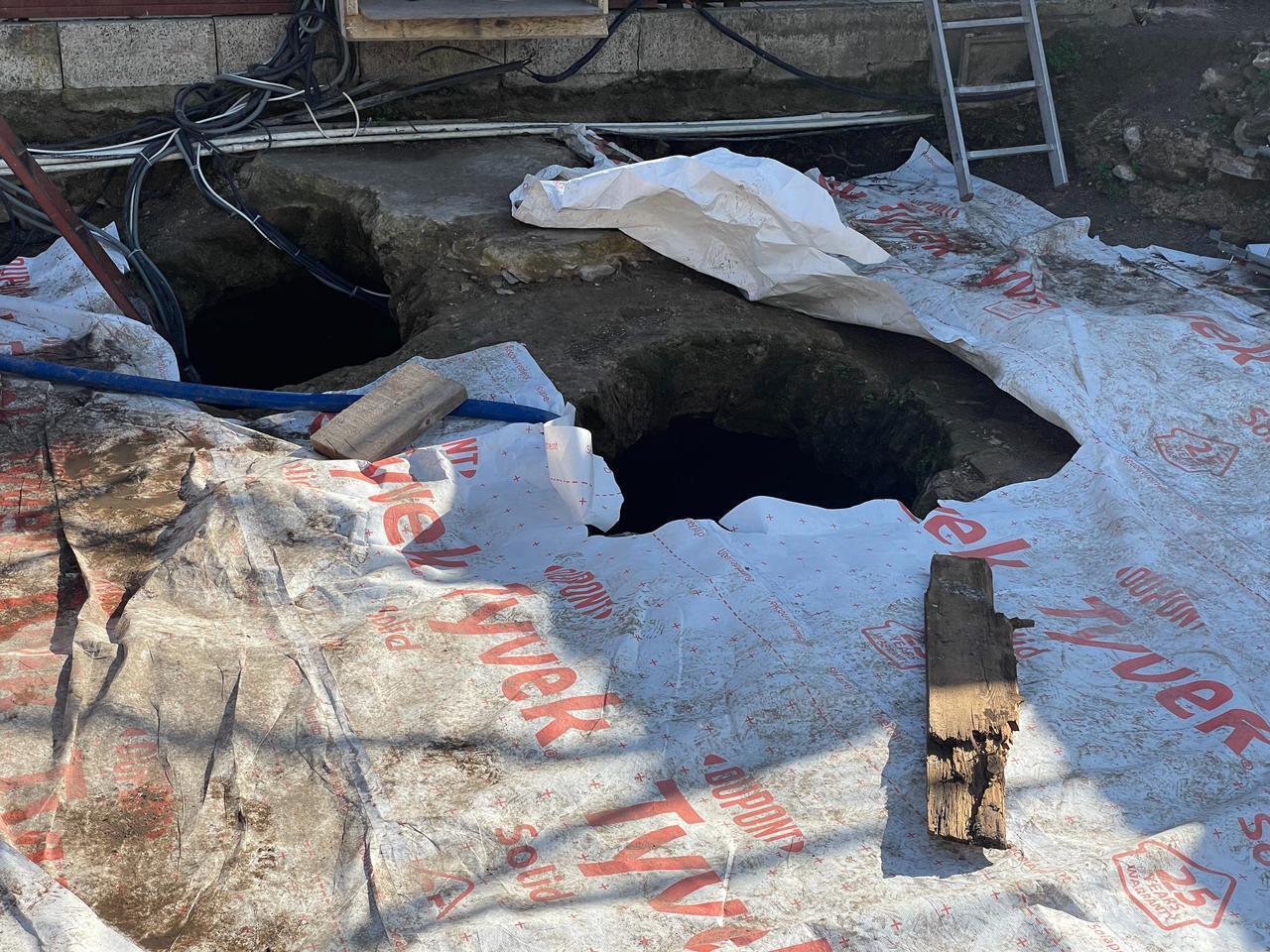
The latest discoveries build on research that began nearly 90 years ago during the presidency of Mustafa Kemal Ataturk, the founder of modern Türkiye.
Although limited investigations and documentation were carried out beneath Hagia Sophia's courtyard in 1935 and 1936, its extensive underground structures remained largely unexplored until 2020.
A three-dimensional documentation project launched that year with the support of FSMVU and permission from the Ministry of Culture and Tourism helped lay the scientific groundwork for the current restoration campaign.
The ministry and the General Directorate of Foundations launched comprehensive cleaning and restoration work in 2025, addressing both the monument's visible architecture and its long-neglected underground structures.
Researchers are also working toward making suitable sections of the underground network accessible to the public.
A presentation project is planned to introduce visitors to these historical spaces while adhering to scientific documentation, conservation and visitor safety principles.
FSMVU, which maintains a campus at the historic Hagia Sophia Madrasa, a traditional Islamic educational institution, continues to contribute to the research through its academic expertise in architectural history and heritage conservation.
"Through these efforts, we will be able to see and preserve every layer of the building spanning centuries. This will once again show us what an extraordinary city we live in," Diker said.


 Set as preferred source
 Set as preferred source


 1 min read

 1 min read