

 Newsletters


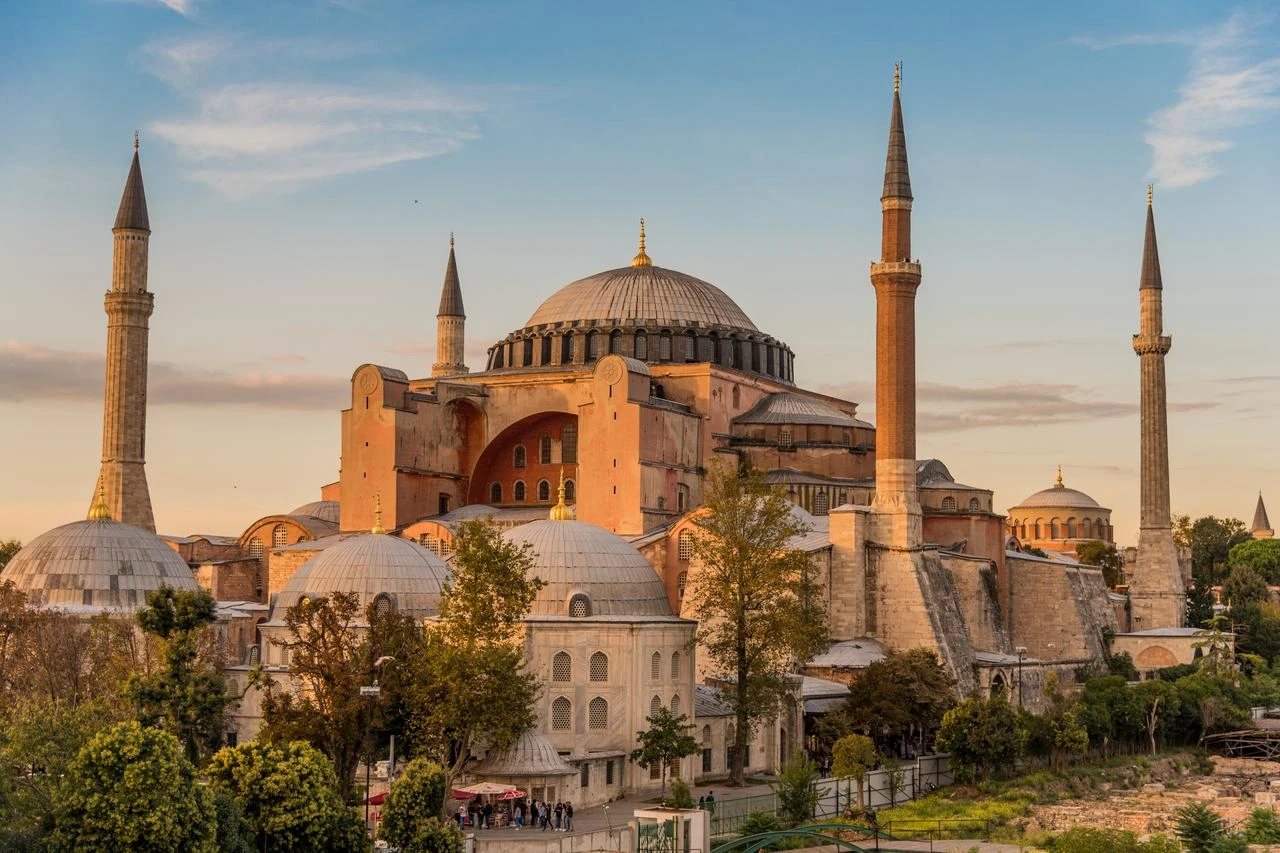


Hagia Sophia Grand Mosque, one of Istanbul's key stops for domestic and foreign visitors, has drawn more than 30 million people in the six years since it reopened for worship.
Used as a church for 916 years until the conquest of Istanbul, Hagia Sophia was converted into a mosque in 1453 under a foundation established by Fatih Sultan Mehmet. It was then turned into a museum by a Council of Ministers decision in 1934, and operated as a museum for 86 years.
A court case seeking to annul that decision concluded on July 10, 2020, when the Council of State unanimously overturned it, opening the legal path for Hagia Sophia to reopen for worship. President Recep Tayyip Erdogan signed the decision the same day, transferring the mosque to the Presidency of Religious Affairs.
Hagia Sophia Grand Mosque reopened for worship on July 24, 2020, with the first Friday prayer held there in 86 years, in a ceremony attended by President Erdogan.
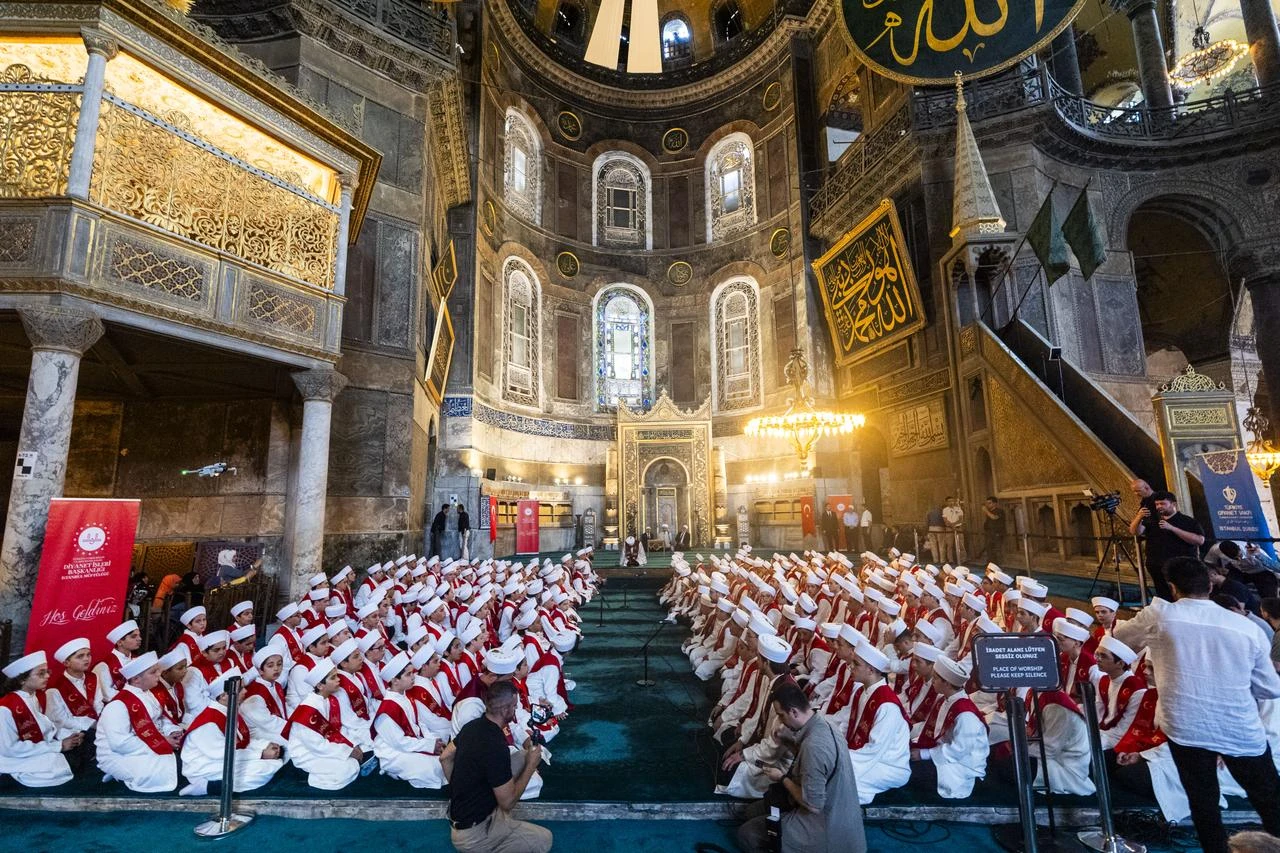

Istanbul Deputy Mufti Arif Cevlek stated that the decision to reopen Hagia Sophia for worship was met with great joy in Türkiye and across the Islamic world.
"Its return to its original identity brought, so to speak, relief to hearts across the Islamic world, and especially among Muslims in Türkiye, who for years had yearned for this," he said. "This place was a symbol of the conquest."
Cevlek said interest in the mosque has maintained the same intensity as on its first day, with visitors coming both to worship and to see its historical and artistic significance.
He said the mosque continues to host religious classes throughout the year in line with Fatih Sultan Mehmet's foundation deed, and that guidance personnel provide religious guidance services specifically for foreign visitors.
"People who see this place and are influenced by its spiritual atmosphere come to embrace Islam. We witness cases of conversion to Islam on a daily and weekly basis," Cevlek said.
Cevlek said past criticism suggesting there was "no need" for Hagia Sophia to reopen for worship has not been borne out by the volume of visitors. "There is always a crowd, both inside and at the entrances and exits, but a crowd that has never caused any disorder," he said.
He added that countries such as Uzbekistan, Malaysia and Indonesia have included Hagia Sophia in their umrah pilgrimage programs, driving a marked increase in visitors from the Far East and Central Asia.
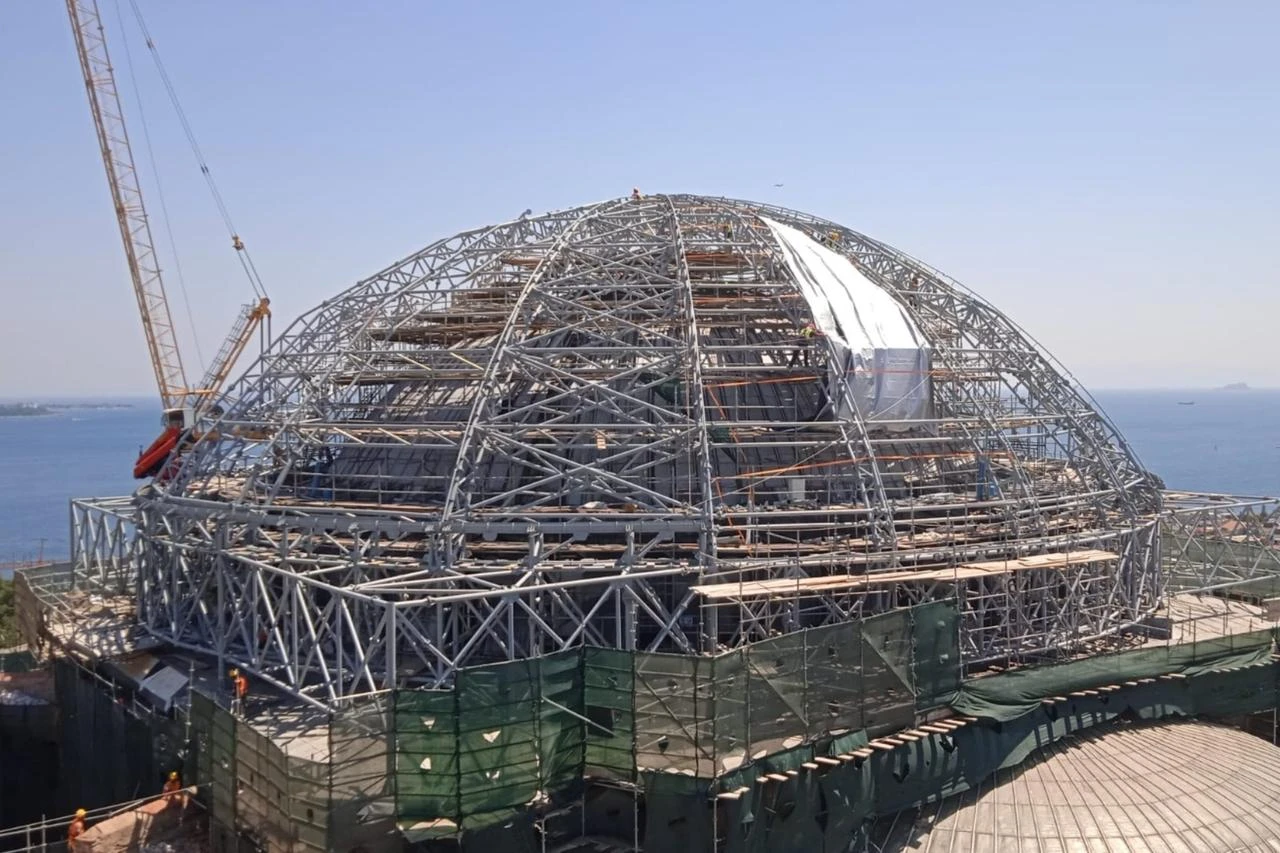
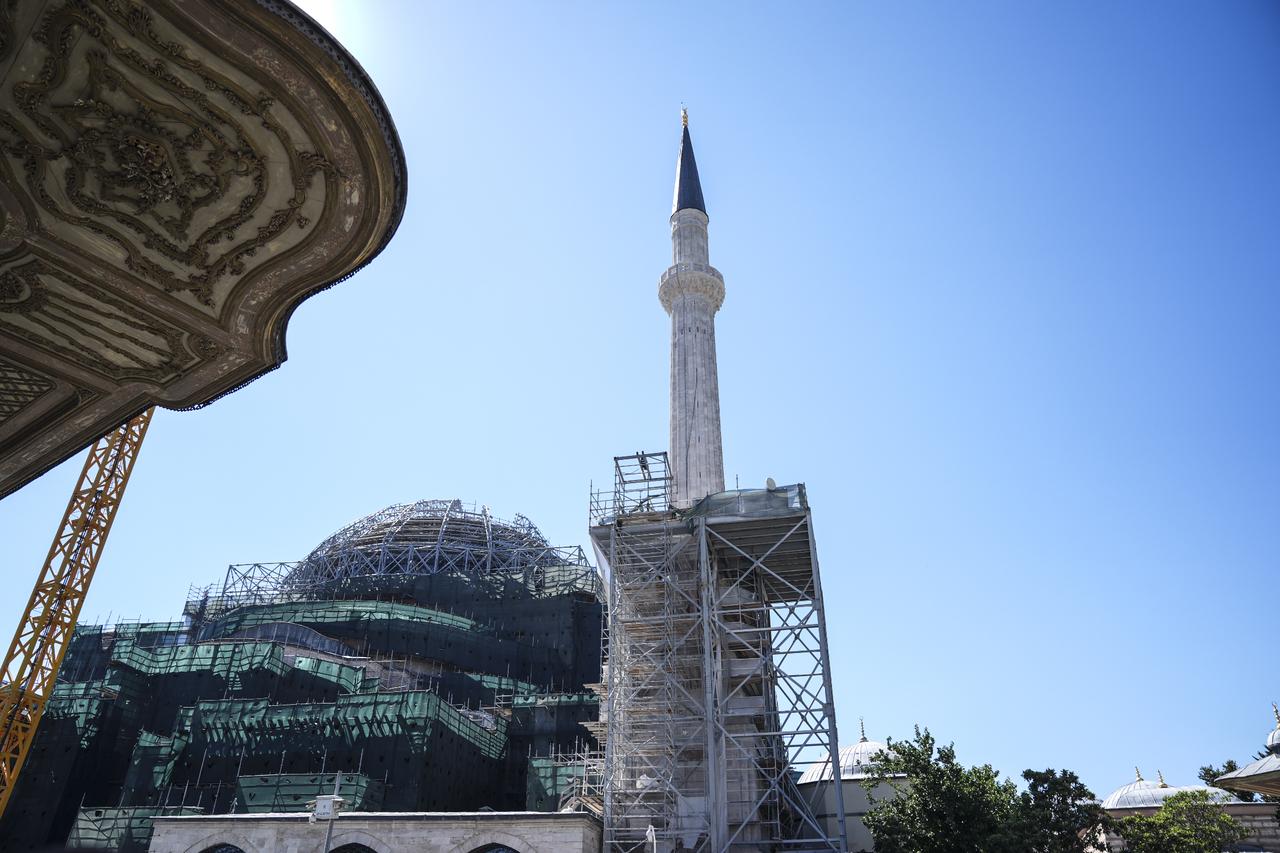
Cevlek said ongoing restoration work is being carried out with visitor safety in mind, with visitors currently admitted in a controlled manner. He said around 30 staff members work at the mosque, and together with cleaning, security and administrative personnel, around 120 people serve visitors each day.


 Set as preferred source
 Set as preferred source


 1 min read
 1 min read


