Newsletters


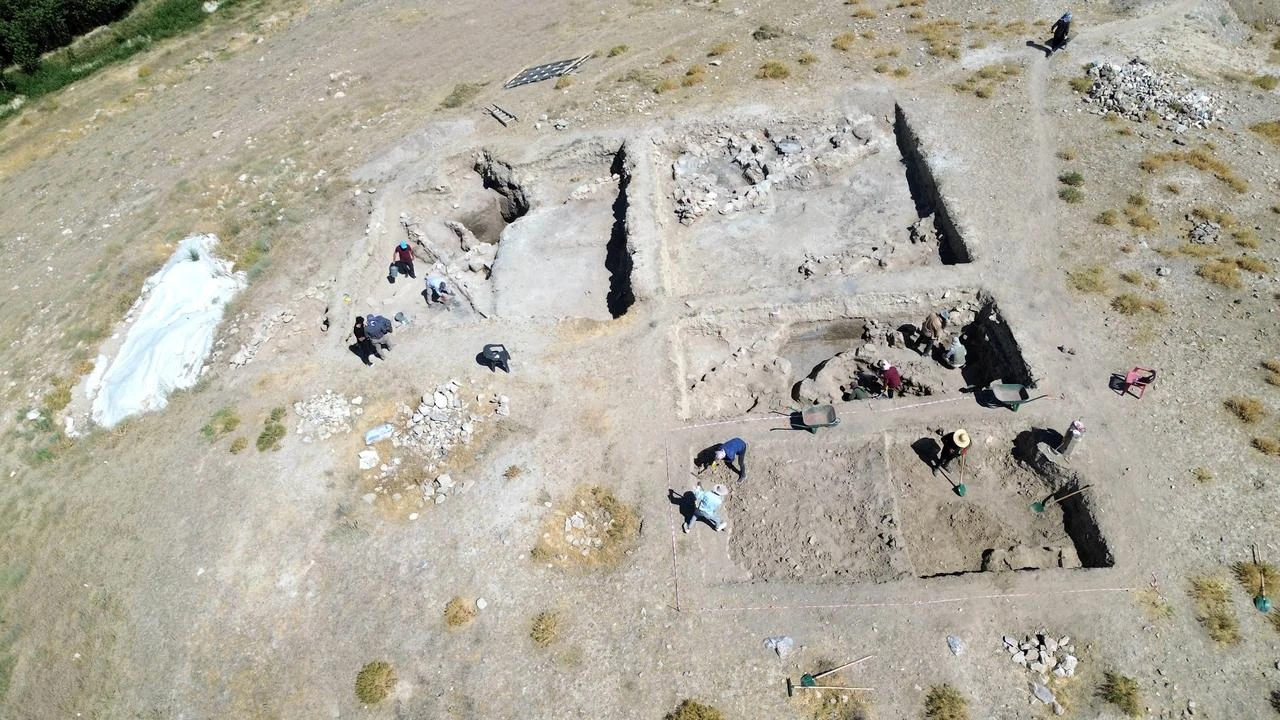
In the Gurpinar district of Van province, eastern Türkiye, the Iremir Mound rises from farmland as archaeologists trace nearly 5,500 years of continuous settlement.
A 15-member team continues work this season, searching for evidence of life that predates the Urartu kingdom by millennia.
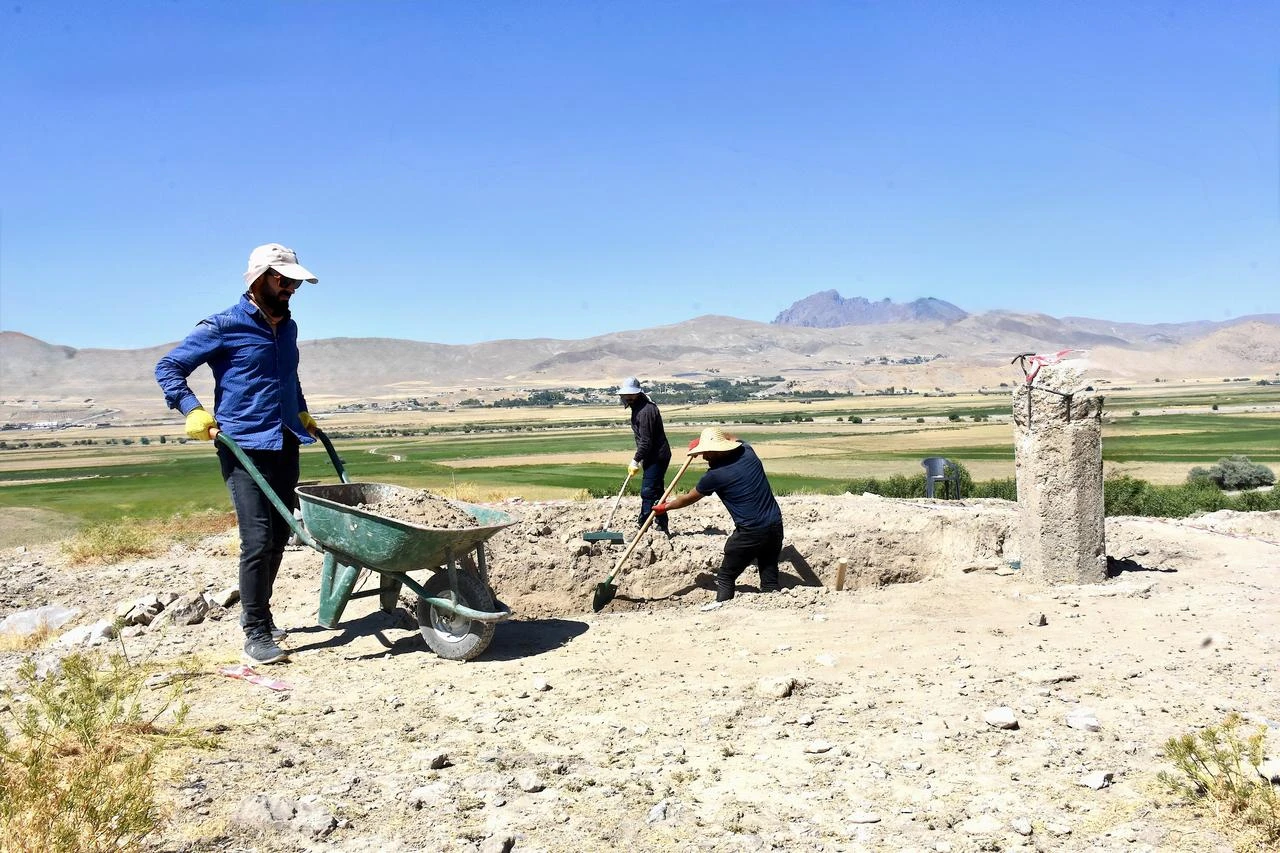
The excavation began seven years ago after researchers identified the mound in Van's Otbicer neighborhood.
Early surveys suggested the site held remains far older than the Iron Age Urartu civilization, long associated with the region, prompting a long-term scientific dig with state permission.
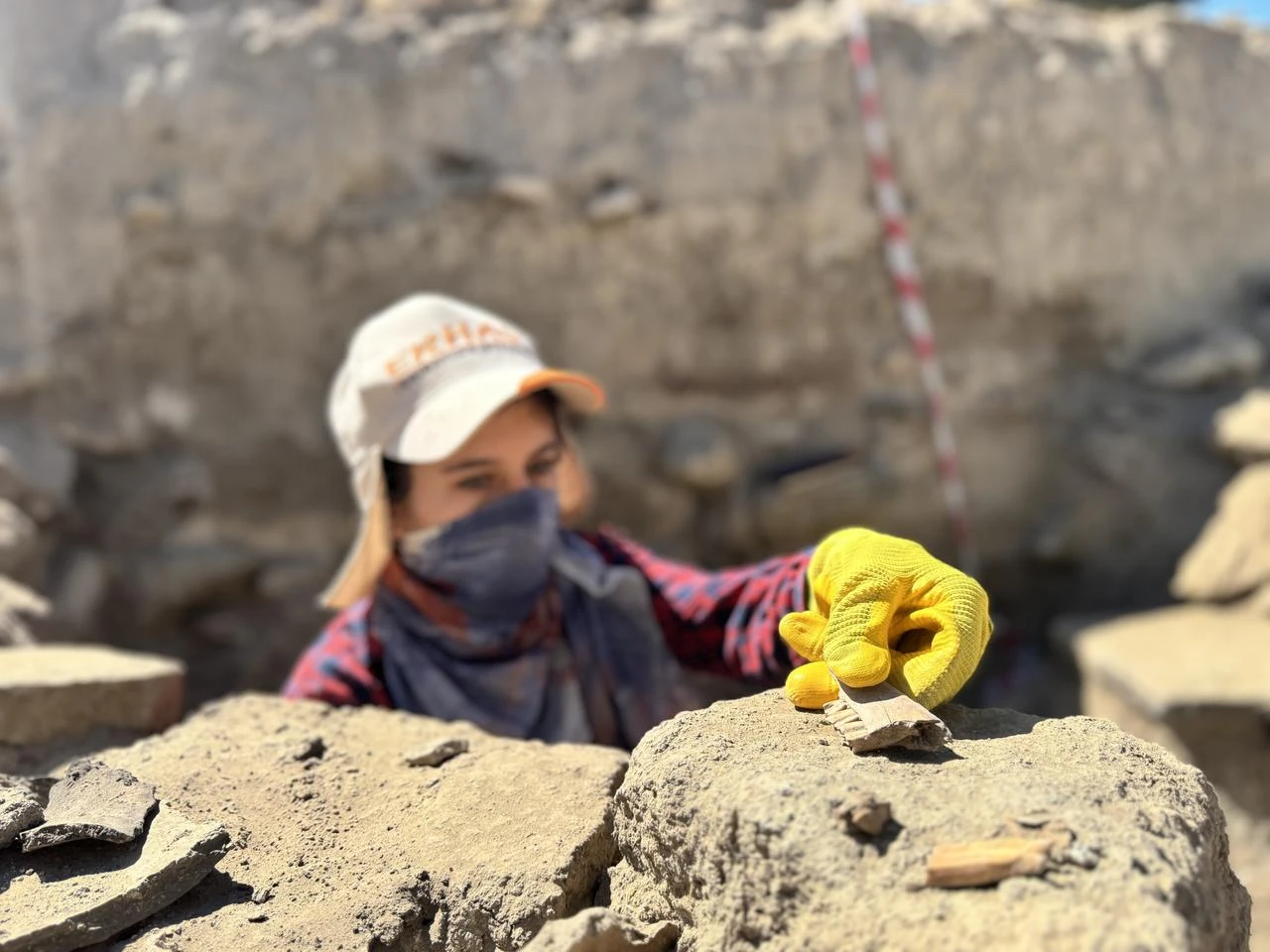
Scientific oversight passed to Prof. Dr. Hanifi Biber of Van Yuzuncu Yil University's Department of Archaeology. Under his direction, a 15-person team of archaeologists, anthropologists, art historians and university students from undergraduate through doctoral level was assembled to carry the project forward season by season.
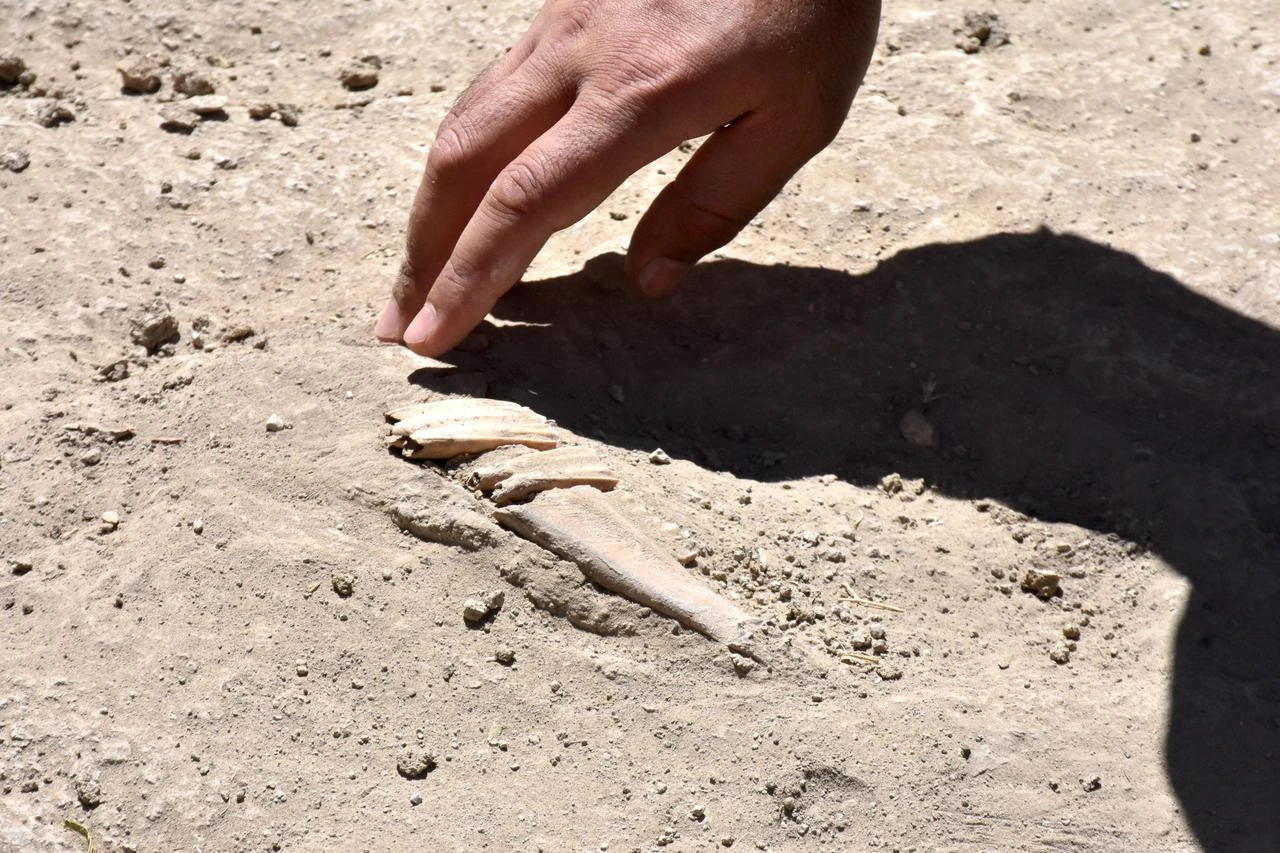
In the dig's early campaigns, the team uncovered architectural traces belonging to the Karaz culture, also known as the Early Transcaucasian period, corresponding to the Early Bronze Age. These structural remains became the foundation for subsequent seasons, guiding researchers toward areas most likely to hold further evidence.
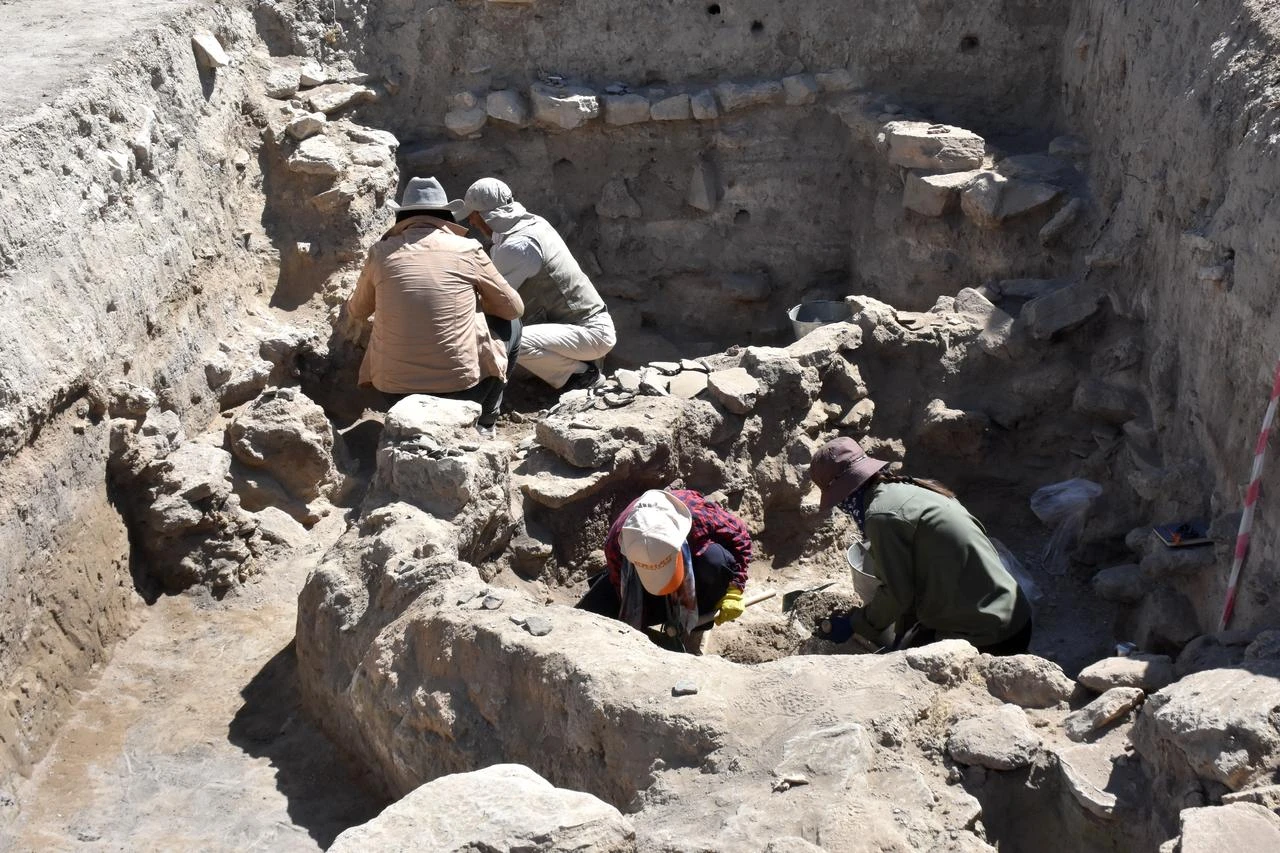
A previous season's excavation trench revealed the remains of storage buildings, offering rare insight into how Karaz-era communities managed food supplies. The structures marked one of the clearest signs of organized daily life at the site before the Urartu period.
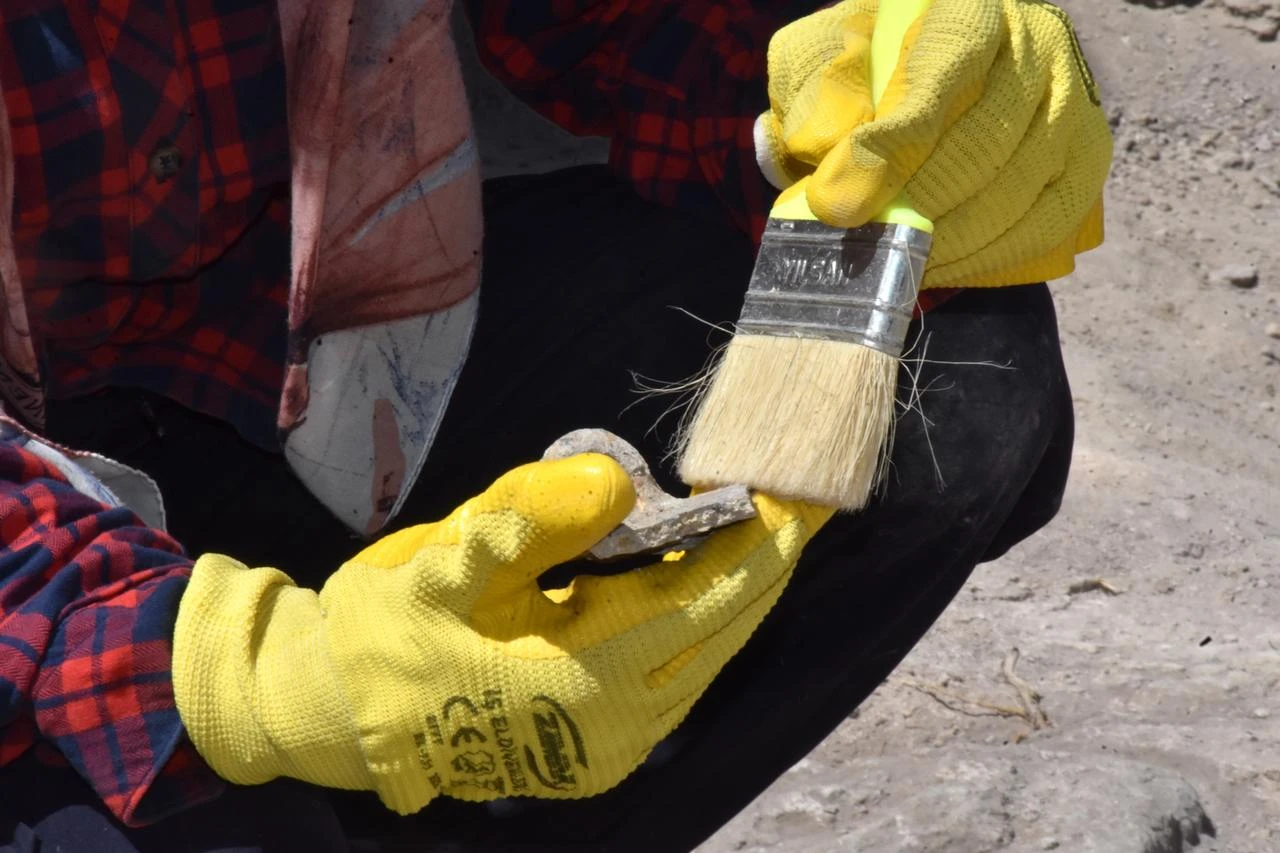
Inside one storage structure, researchers found a large ceramic jar surrounded by carbonized wheat grains.
The find provided direct physical evidence of the grains the site's early inhabitants cultivated and stored, including wheat and barley, and how they kept these staples in built storage spaces.
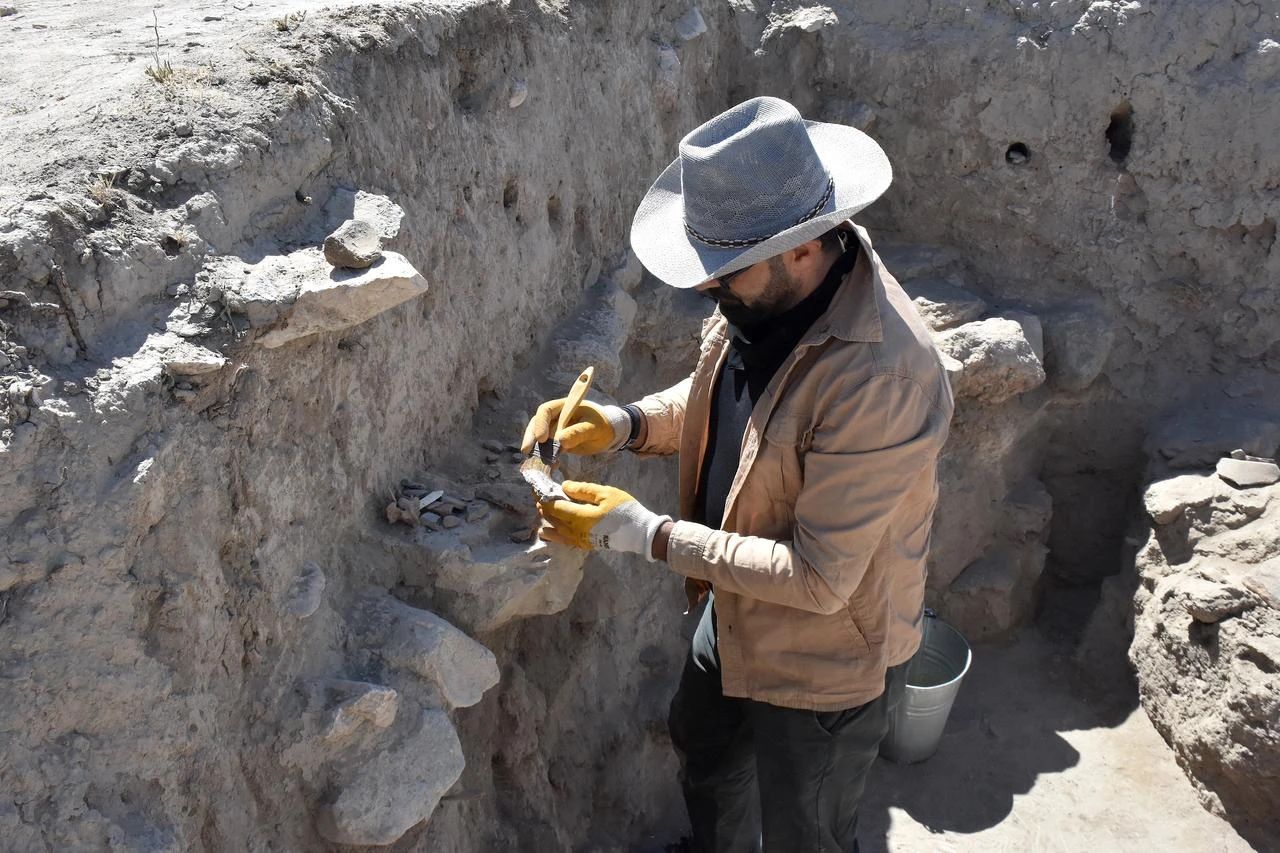
The carbonized grains and jar fragments now serve as reference material for reconstructing Karaz-period diet and storage practices.
Researchers say such finds help document not only what communities ate but also how they organized food security across the region during the Early Bronze Age.
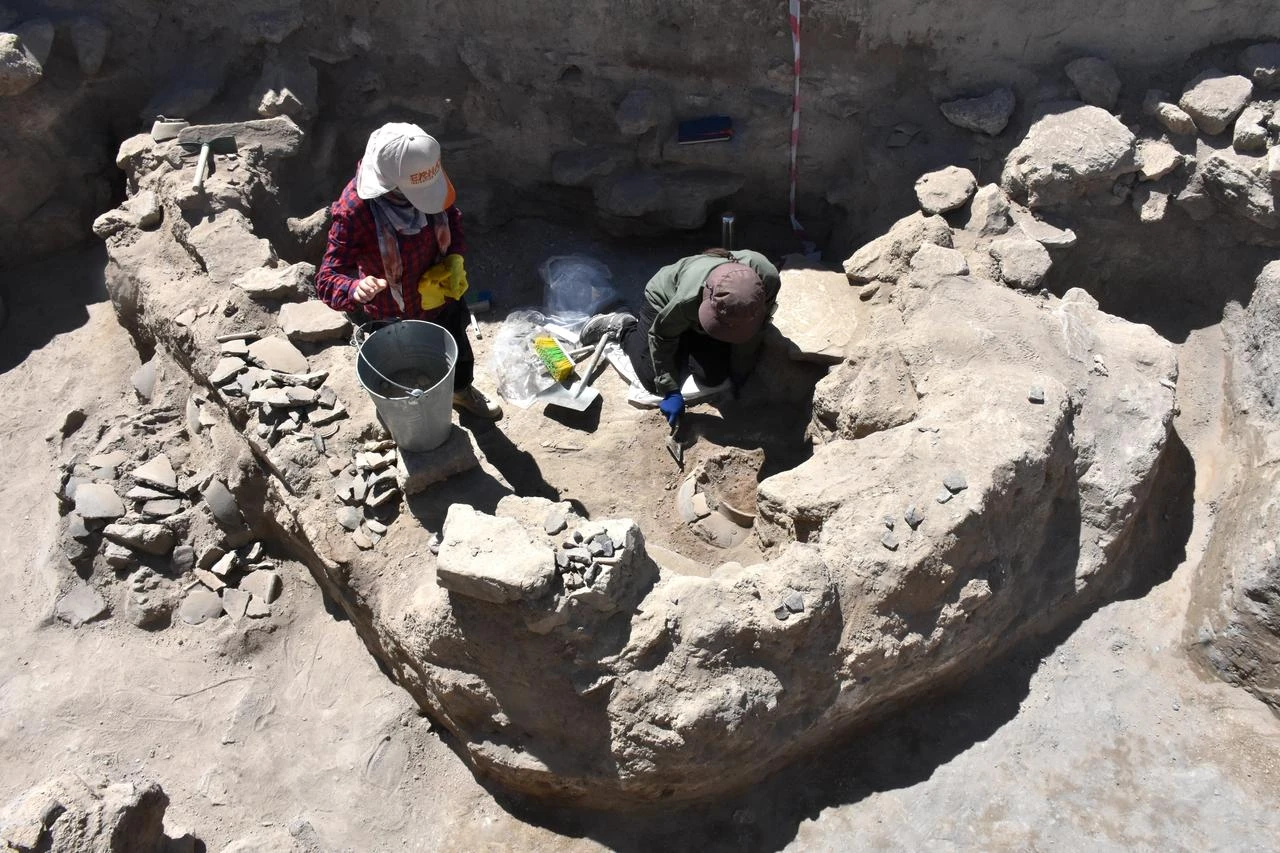
This year's season began one week before this report, with the team returning to expand excavation into new sections of the mound.
The goal is to determine the full spread of the storage buildings identified in earlier seasons and map the settlement's broader layout.
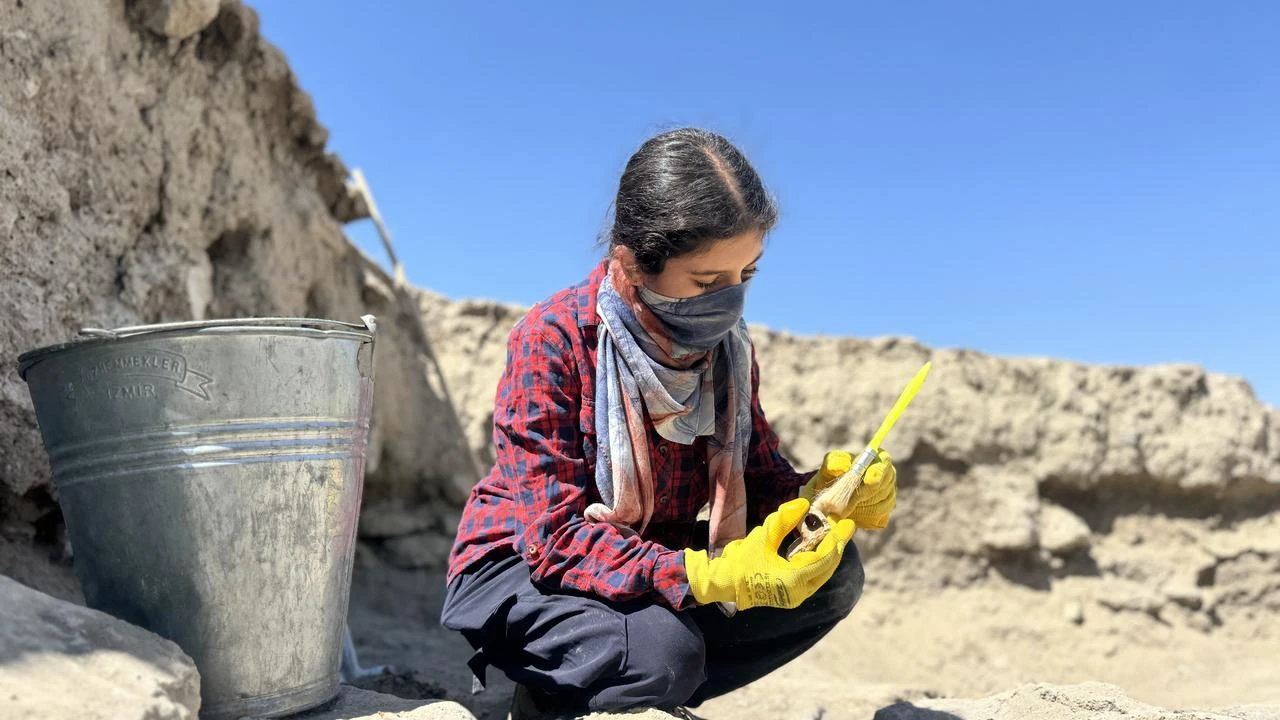
Seven years of cumulative fieldwork have allowed Biber's team to establish that the mound's history extends at least 5,500 years into the past.
Findings indicate life at the site as early as the Chalcolithic period, well before the Urartu kingdom rose to prominence in the Iron Age.
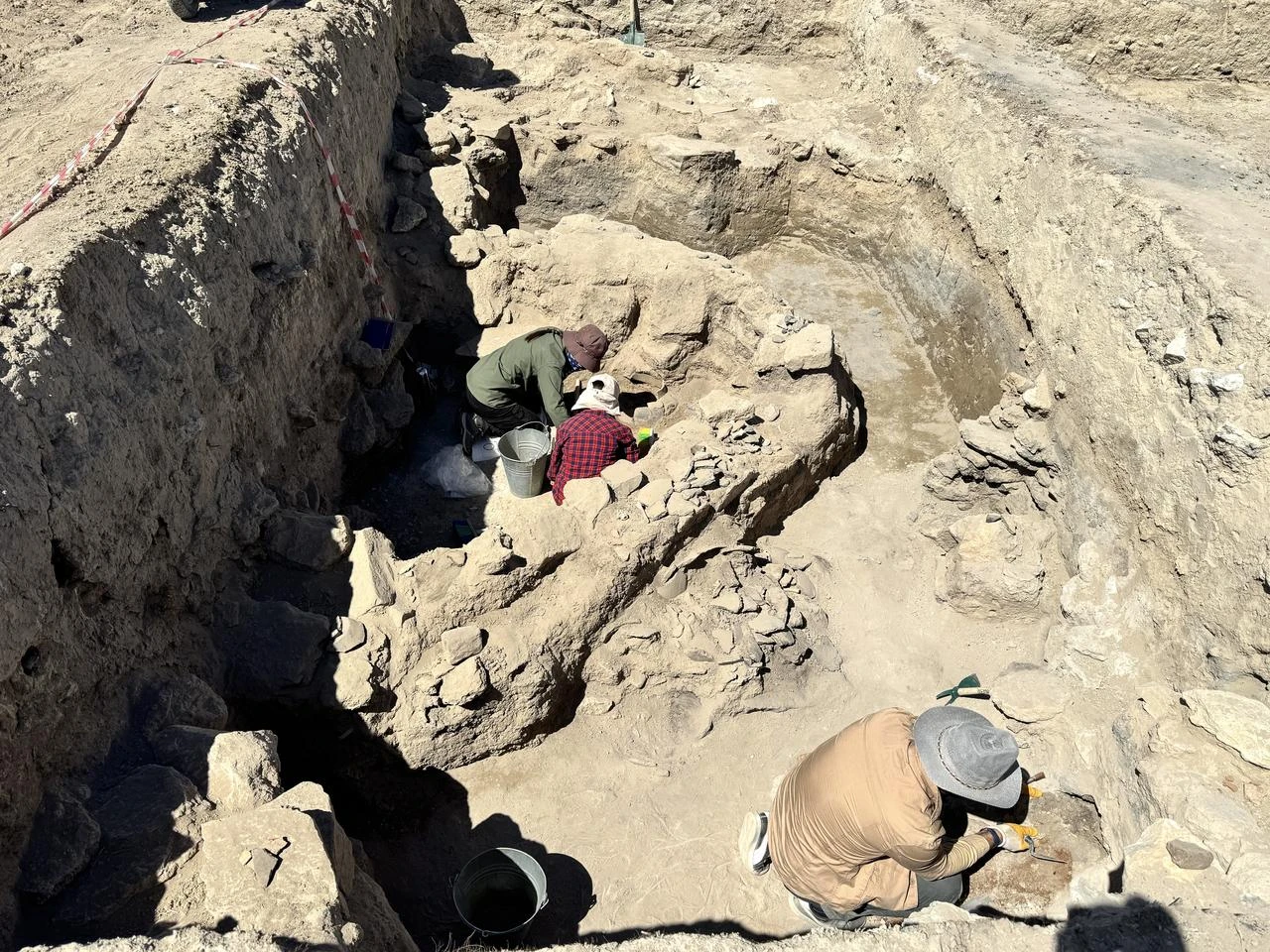
Researchers say that once the mound's architecture is fully exposed and restored, the site could be developed for tourism.
Officials suggest Iremir Mound could join Van Castle, Cavustepe Castle and Akdamar Island as a destination showcasing the province's layered and ancient past.

 1 min read


 Set as preferred source