Newsletters


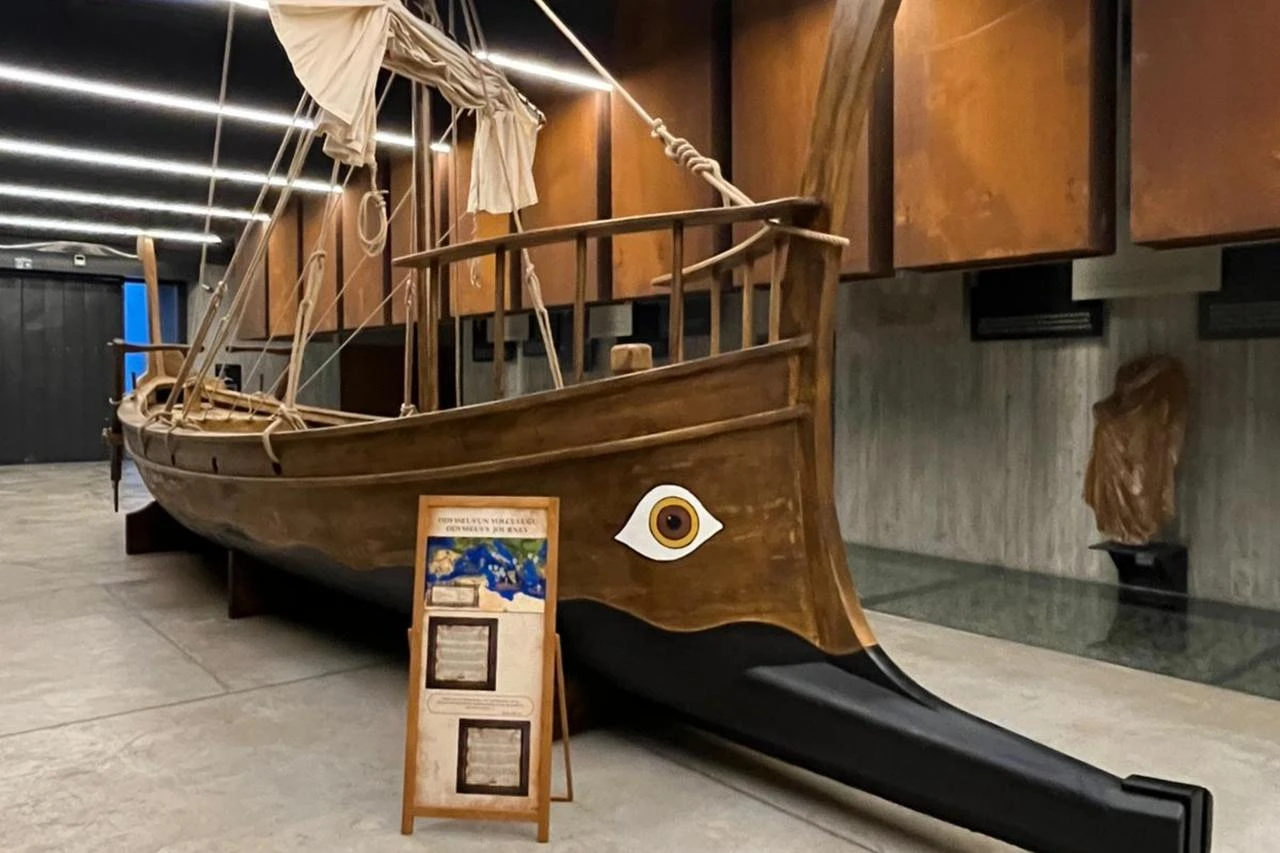


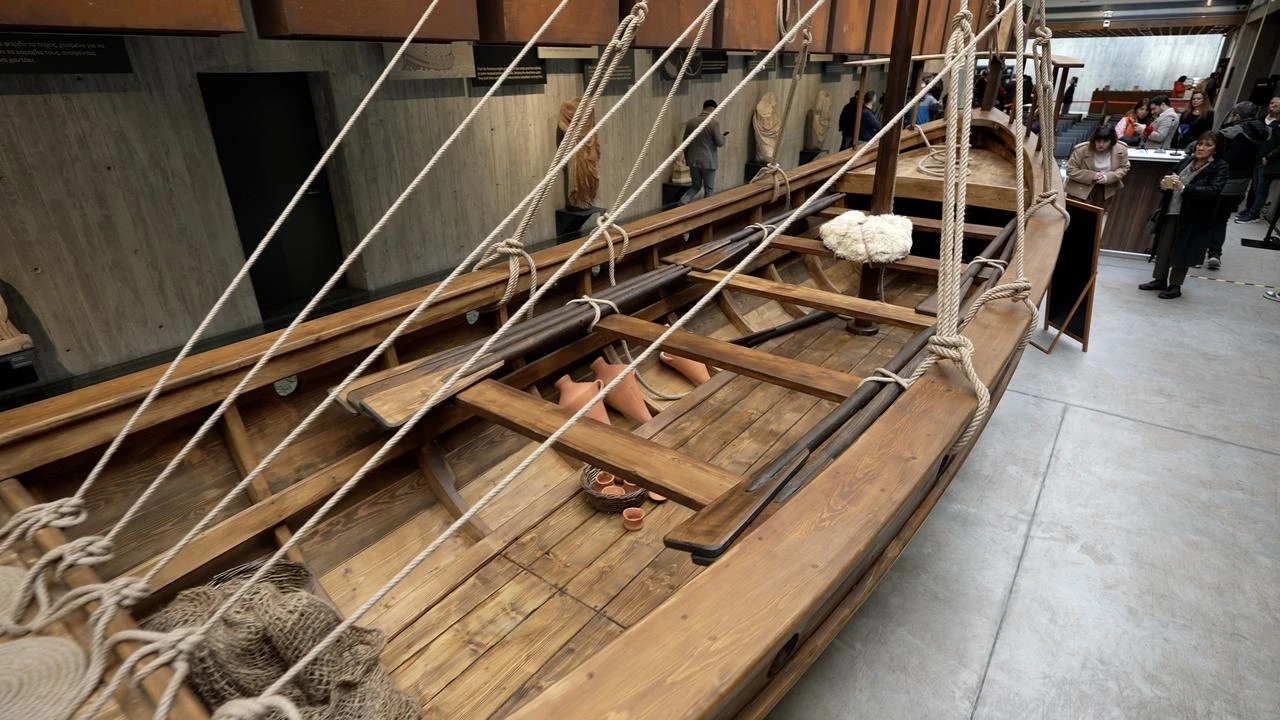
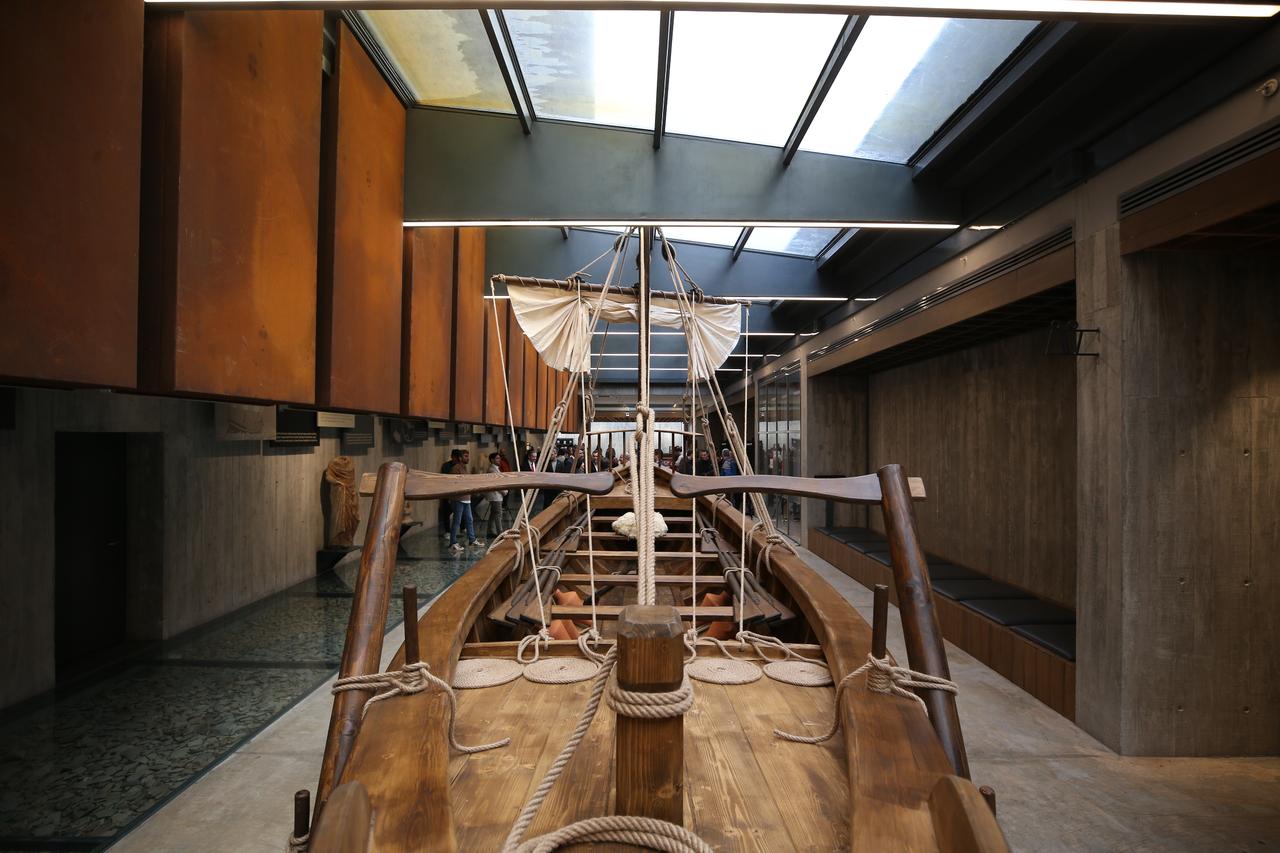
An ancient-style ship reconstructed through experimental archaeology is now on permanent display at the Troy Museum in Türkiye, offering visitors a closer look at the maritime culture, shipbuilding knowledge and seafaring traditions reflected in Homer's epics.
Developed with the support of Enerjisa Uretim through a partnership between the 360 Degree Historical Research Association and the Troy Museum, the exhibition sets out to turn the nautical world behind Homer's stories into a tangible experience.

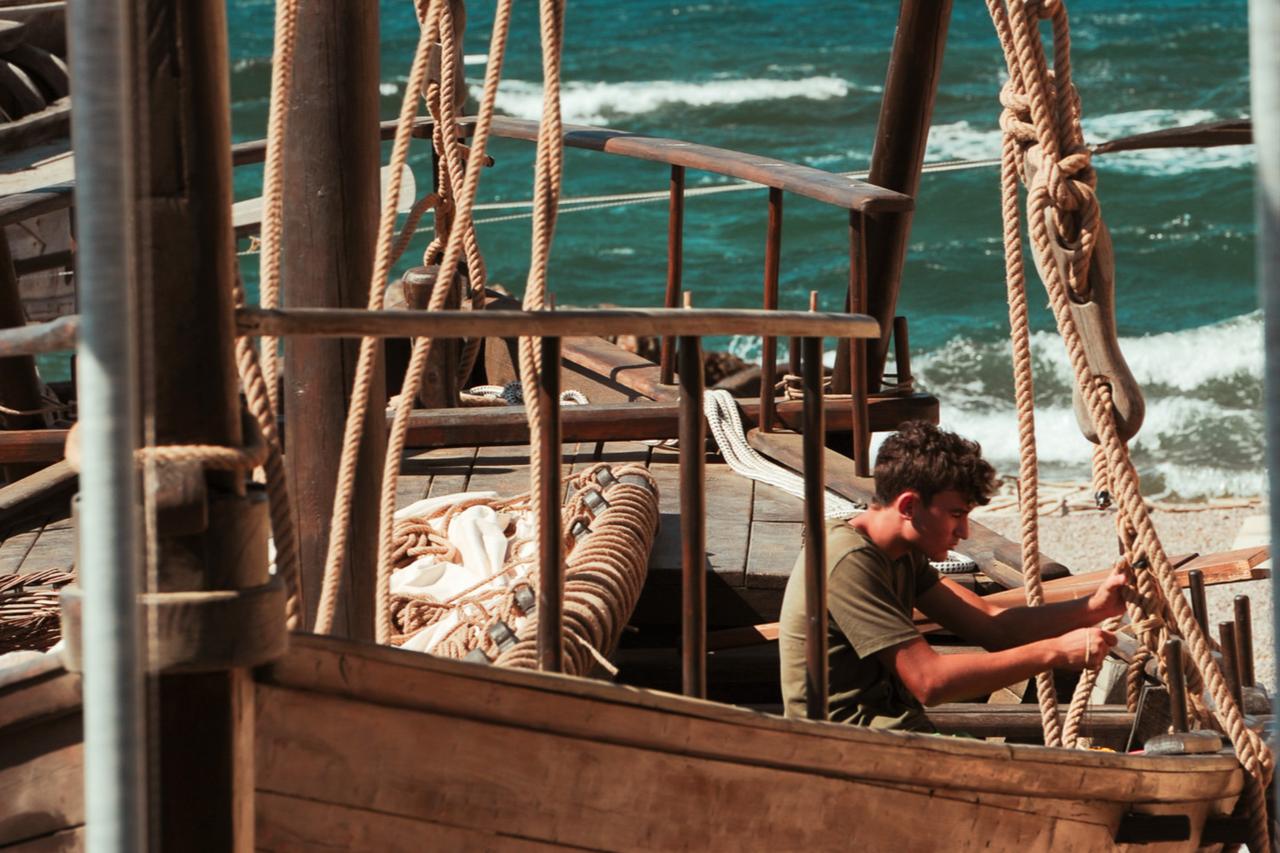
The vessel was rebuilt using experimental archaeology, a method in which researchers reproduce ancient objects and techniques to better understand how they may have been made and used.
Based on archaeological evidence, the ship was constructed with the mortise-and-tenon technique, known in Turkish as the kavela-zivana method. This system joins carefully shaped wooden components without relying on metal fasteners, reflecting the carpentry skills and shipbuilding traditions of the ancient Mediterranean.
A horse figure placed on the bow also stands out, presenting the vessel not only as a means of transportation but as an object connected to the symbolic maritime culture of its period.
The reconstruction was completed at the 360 Degree Historical Research Association's site in Urla, a coastal district of Izmir, under the guidance of the Foca excavation team.
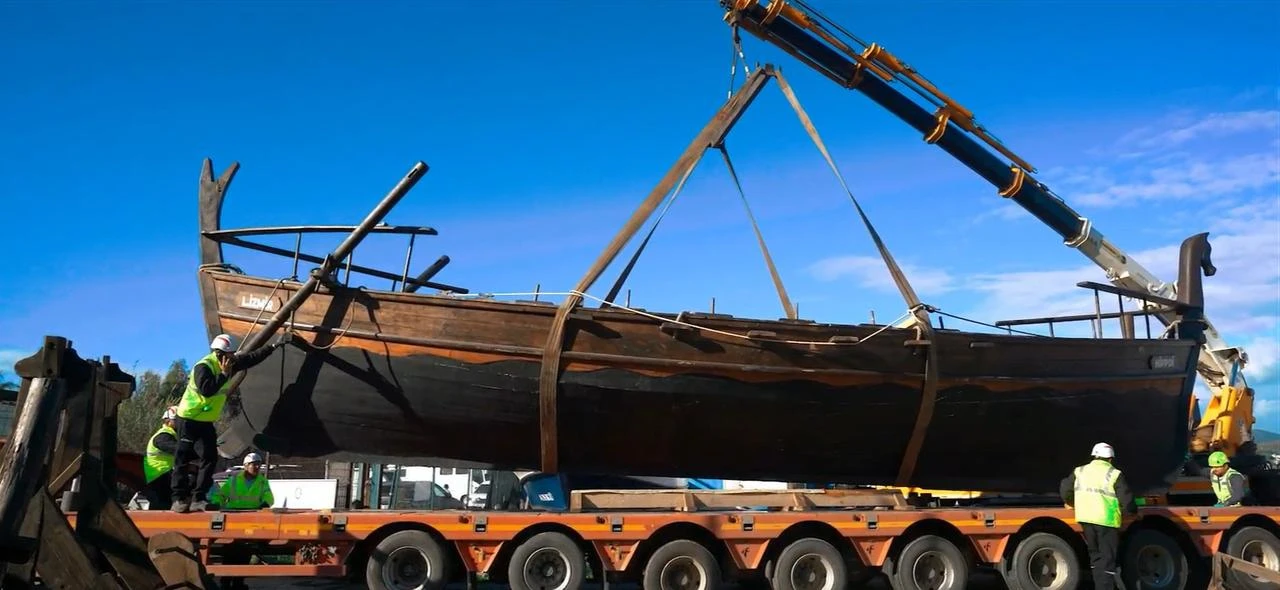
In December last year, the vessel was moved to the Troy Museum through a specially organized transportation operation and installed in its permanent exhibition area.
While Troy is widely associated with the Trojan War and its mythological characters, its location between the Aegean Sea and the Canakkale Strait also made the region an important maritime center throughout history.
The exhibition therefore brings attention not only to the literary importance of Homer's epics but also to the seafaring culture and technological knowledge that helped shape the world described in those narratives.
Interest in ancient epic traditions has picked up again ahead of director Christopher Nolan's film adaptation of Homer's The Odyssey.
Drawing on that renewed attention, a promotional campaign for the Troy Museum directly addresses the filmmaker with the message: "The ship you forgot is in Troy."
The campaign points to the reconstructed ship as a physical representation of the maritime world that lies behind Homer's stories, bringing together experimental archaeology, ancient technology and the shared cultural heritage of Mediterranean civilizations.


 Set as preferred source
 Set as preferred source


 1 min read
 1 min read