Sign in
 Newsletters


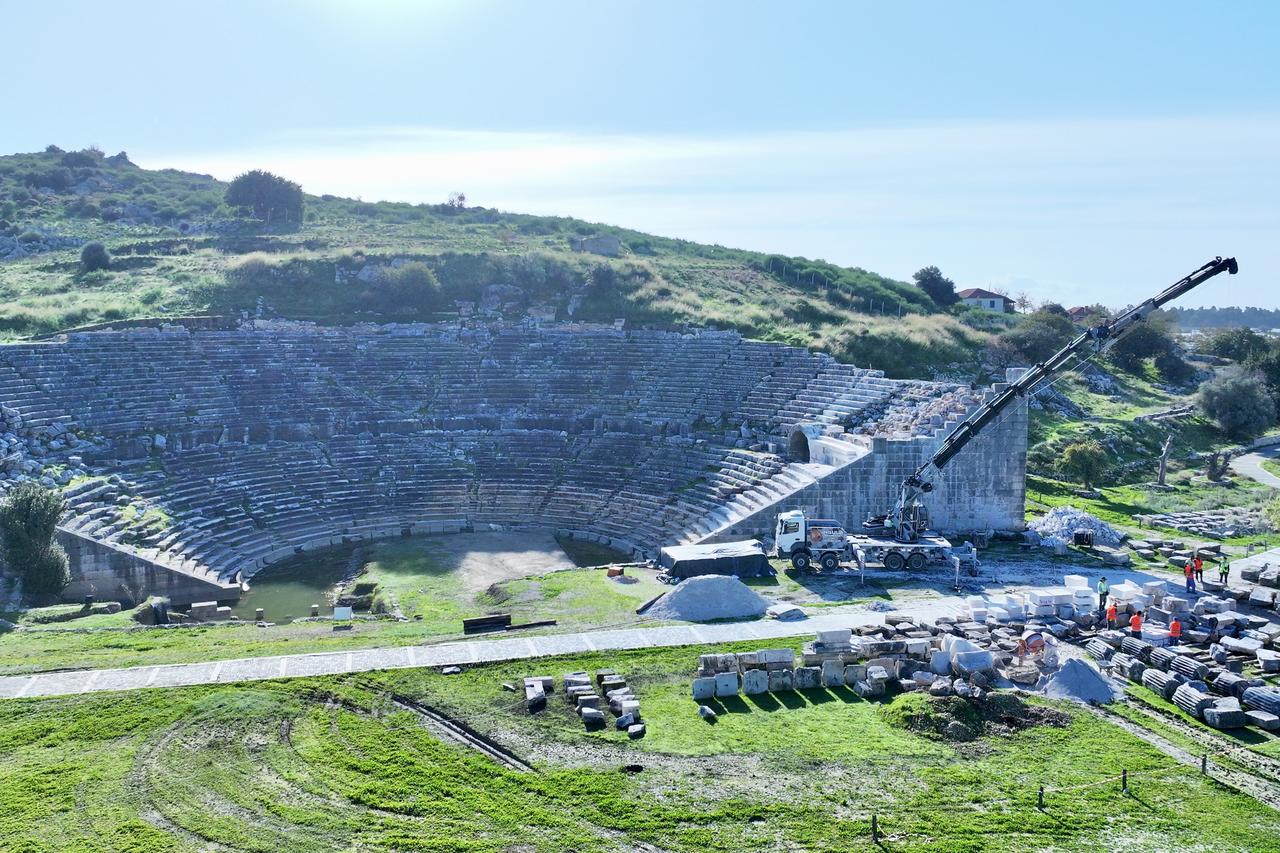


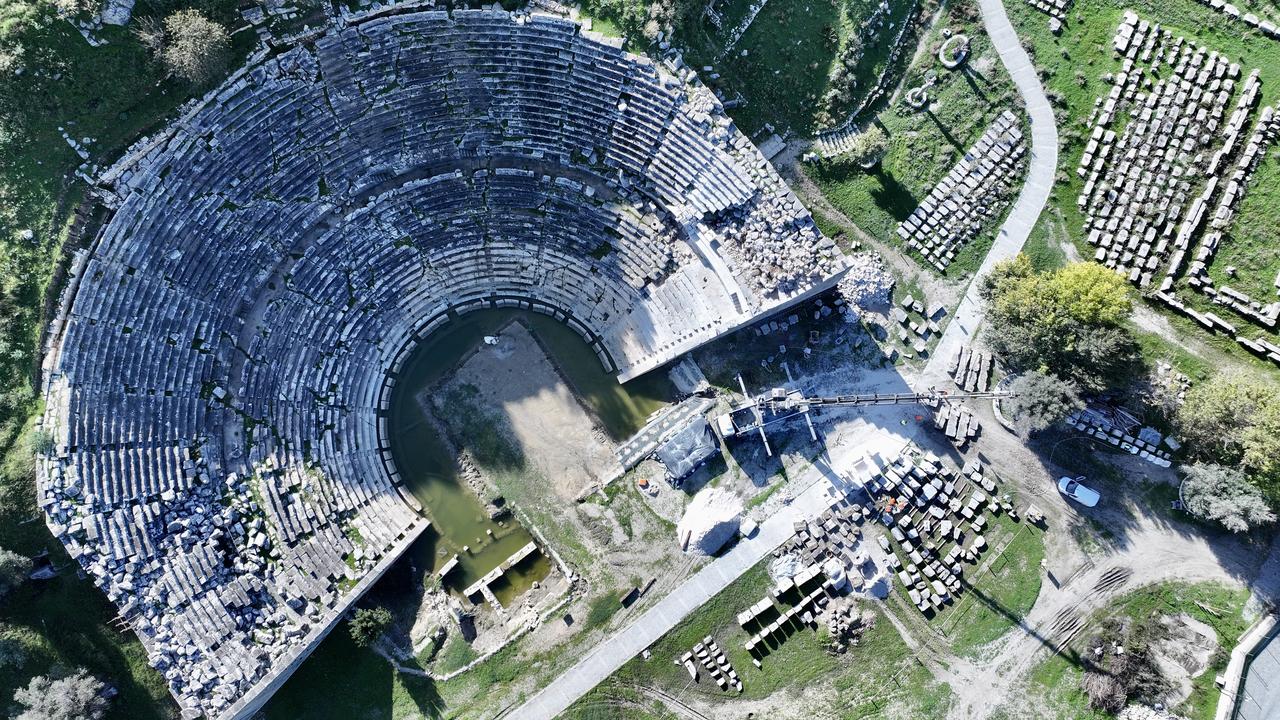
Restoration work has begun on the ancient theater at the Letoon Sanctuary in Türkiye's southwestern province of Mugla, with plans to recover its original architectural features and open it to nighttime visitors within the coming years.
The theater, which once served as a gathering place for the Lycian League, is expected to undergo four to five years of restoration before being equipped with lighting for nighttime visits.
Located in the Seydikemer district, Letoon was inscribed on the UNESCO World Heritage List in 1988 alongside the ancient city of Xanthos in neighboring Antalya.
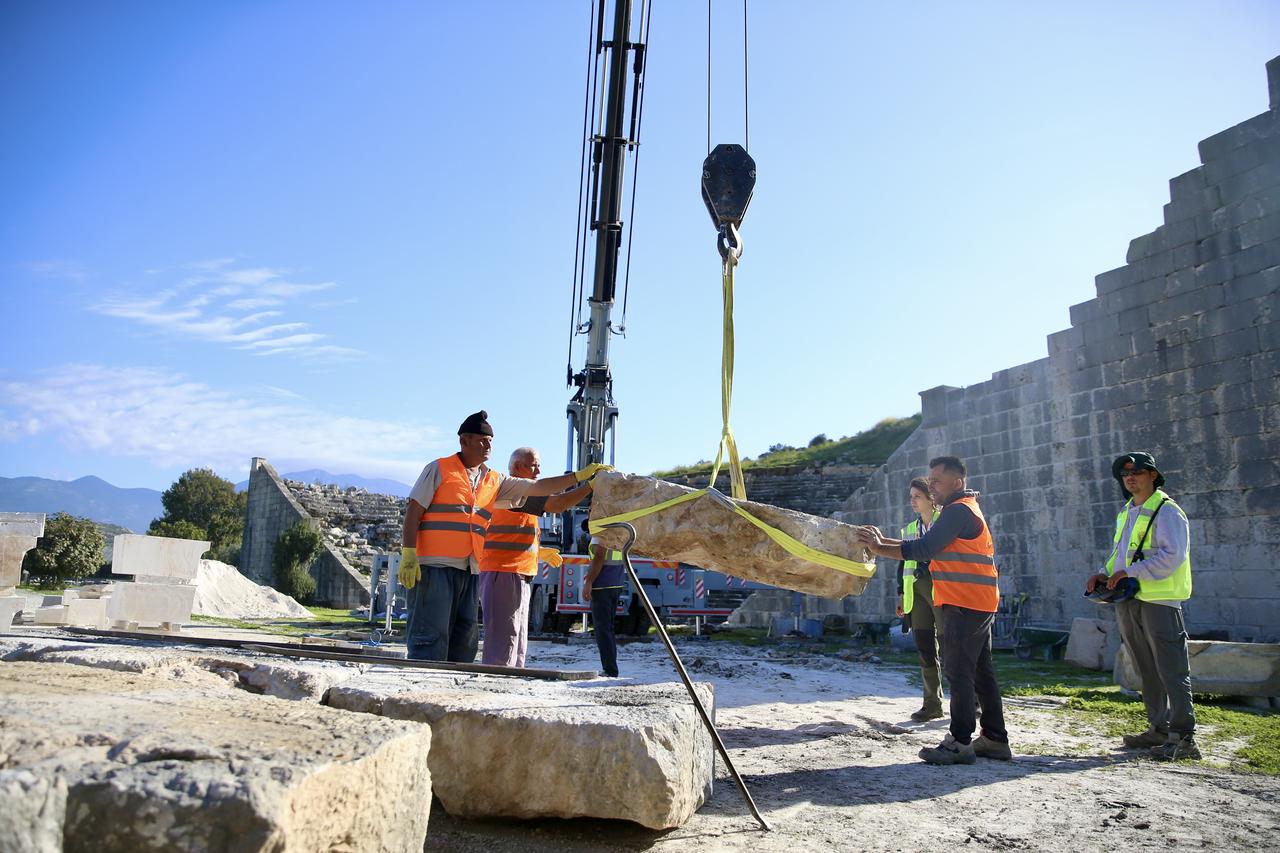

Used as a sacred site since the eighth century B.C., Letoon served as the religious center of the Lycian civilization and the shared sanctuary of the Lycian League, a union of ancient Lycian cities.
The sanctuary houses temples dedicated to Leto, Apollo and Artemis, alongside ancient inscriptions and statue pedestals.
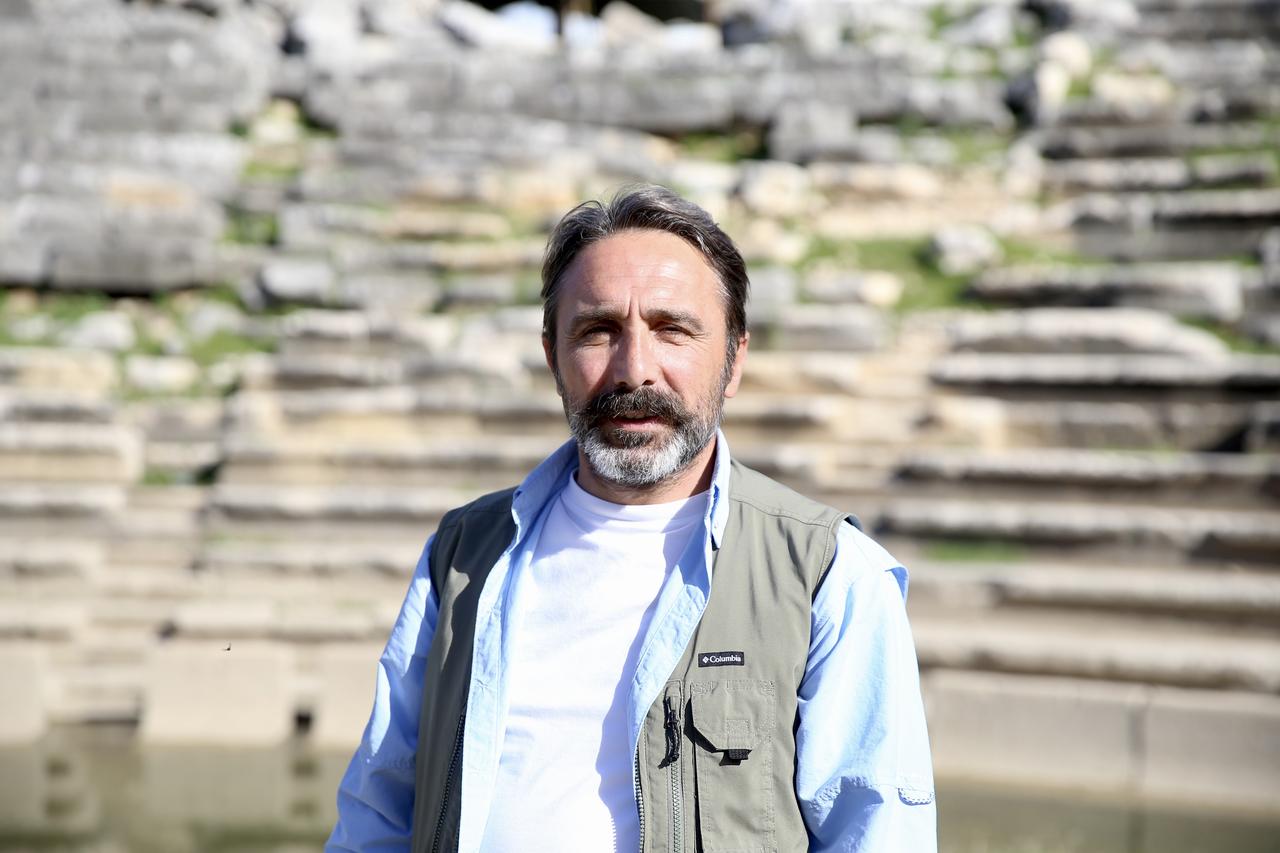
Associate professor Hasan Kasapoglu of Ataturk University, who leads the excavations, explained that the theater was among the sanctuary's most important public buildings, hosting political gatherings, decision-making assemblies, performances and ceremonies.
Although archaeological excavations began in the 1950s and partially uncovered the theater, work has picked up pace in recent years, allowing researchers to move into the restoration phase following two years of preparations.
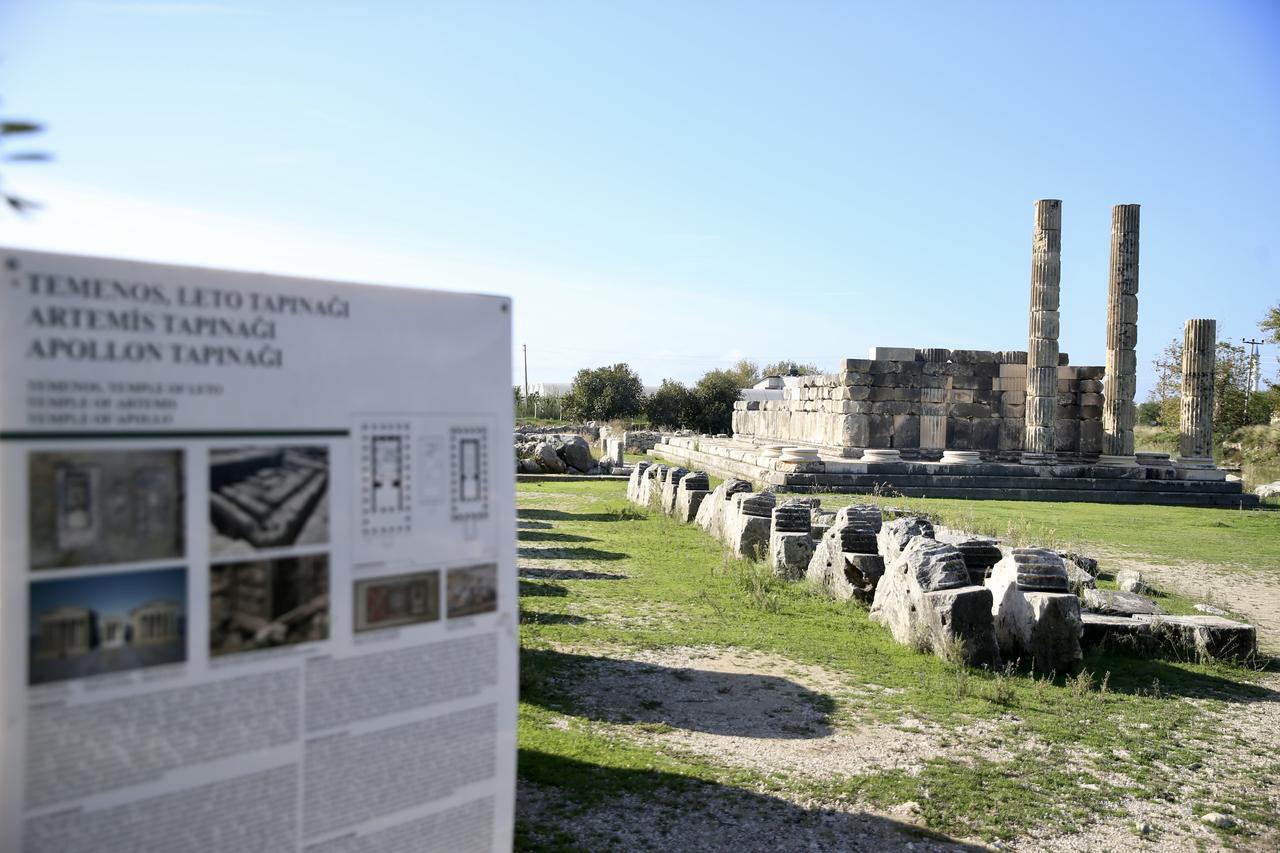
The restoration is being carried out under the Ministry of Culture and Tourism's "Heritage for the Future" project, with financial backing from the Mugla Governor's Office and additional support from local authorities.
Kasapoglu described the transition from excavations to comprehensive restoration as a milestone in Letoon's nearly 70-year history of archaeological research.
"The restoration of the theater at the Letoon Sanctuary will be completed within the next four to five years, and following the installation of lighting, it will be ready for nighttime museum visits," he told Anadolu Agency (AA).
The excavation team expects the project to help preserve the sanctuary's cultural heritage, increase visitor numbers and strengthen Letoon's position as a cultural tourism destination in Mugla.
Beyond its religious and architectural significance, Letoon also played an important role in understanding Lycian, an indigenous language of ancient Anatolia.
Kasapoglu noted that trilingual inscriptions discovered at Letoon and Xanthos helped researchers decipher the ancient language.
The excavation team plans to extend restoration and scientific research across the sanctuary in the coming years, aiming to better showcase its historical significance and safeguard its UNESCO World Heritage status.


 Set as preferred source
 Set as preferred source


 2 min read