Newsletters


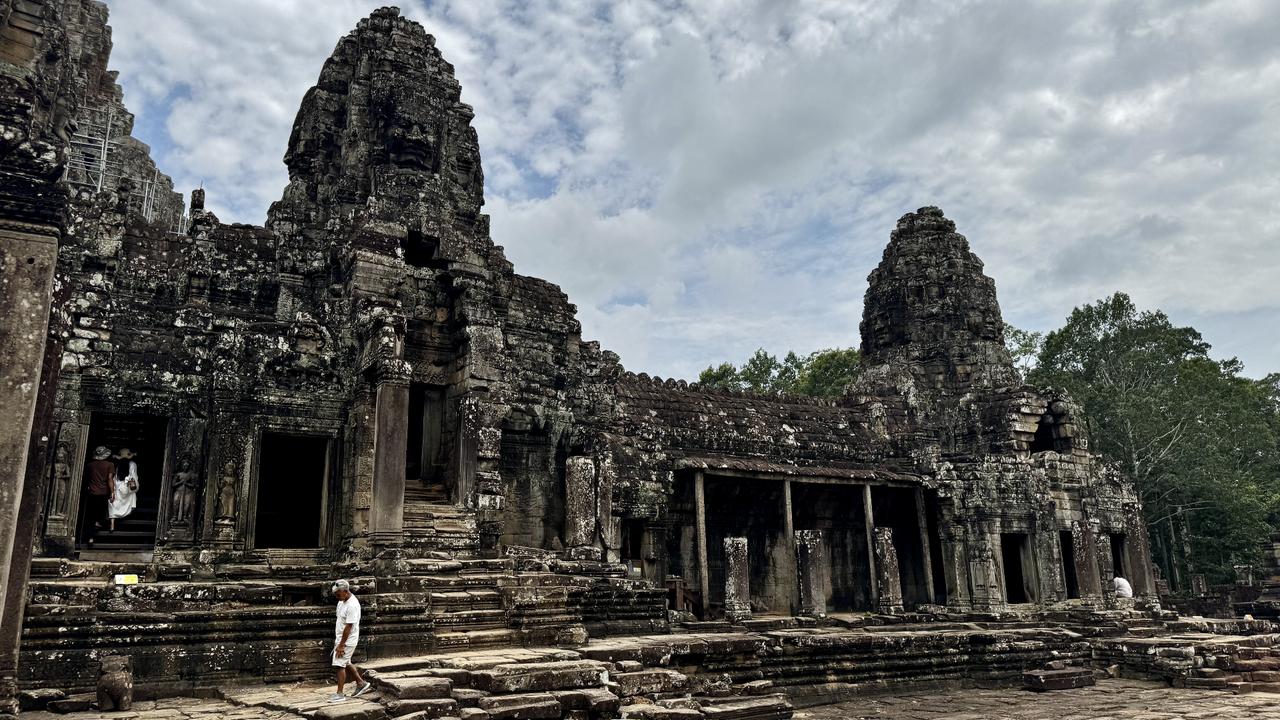
Angkor Wat was built in the early 1100s, during the peak of the Khmer Empire.
Covering about 200 hectares in Siem Reap, northwestern Cambodia, it is one of the largest religious buildings ever made.
King Suryavarman II ordered the construction of a Hindu temple and a symbol of his power.
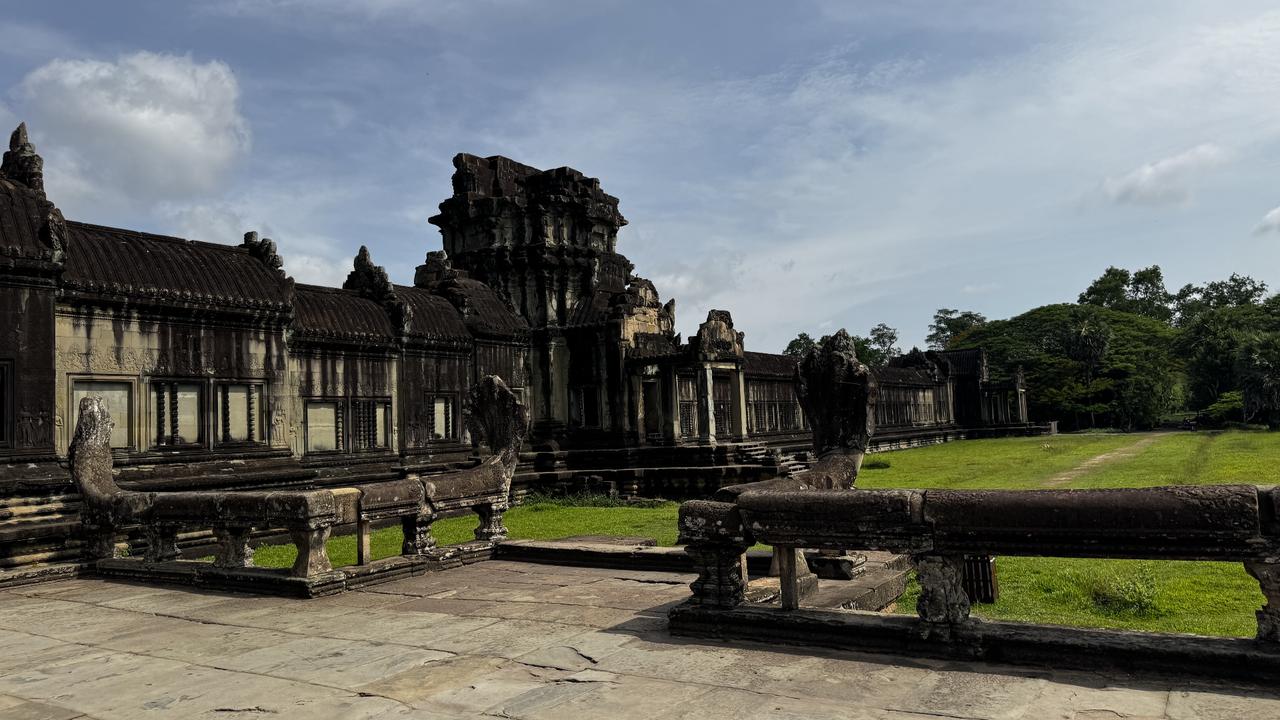
The complex’s design reflects the ambition of Khmer imperial architecture. Stone galleries, libraries, towers, and water channels spread across the site and were built to last.
Its bas-relief carvings, stretching for hundreds of meters, show Hindu stories and royal ceremonies in detail that remain clear nearly a thousand years later.
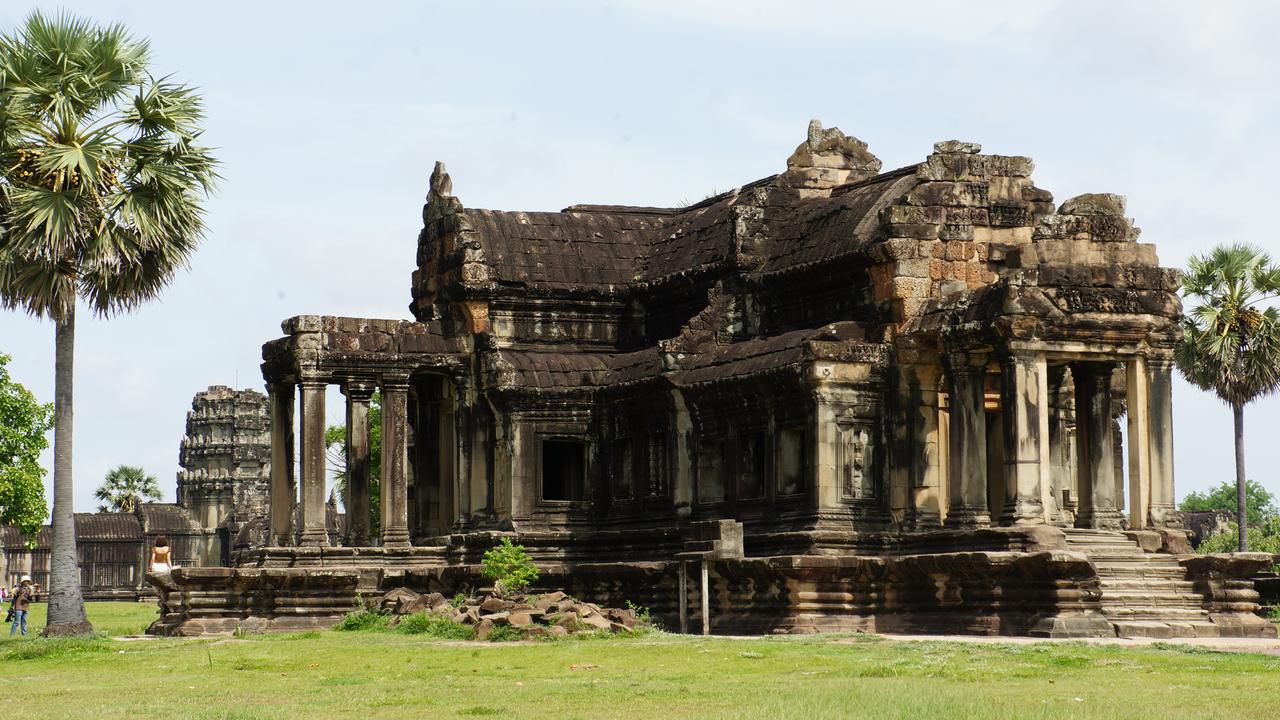
At its peak, Angkor was home to hundreds of thousands of people and was among the largest cities of its era.
After the 15th century, as power shifted, the city gradually emptied, and the temples were overgrown with jungle.
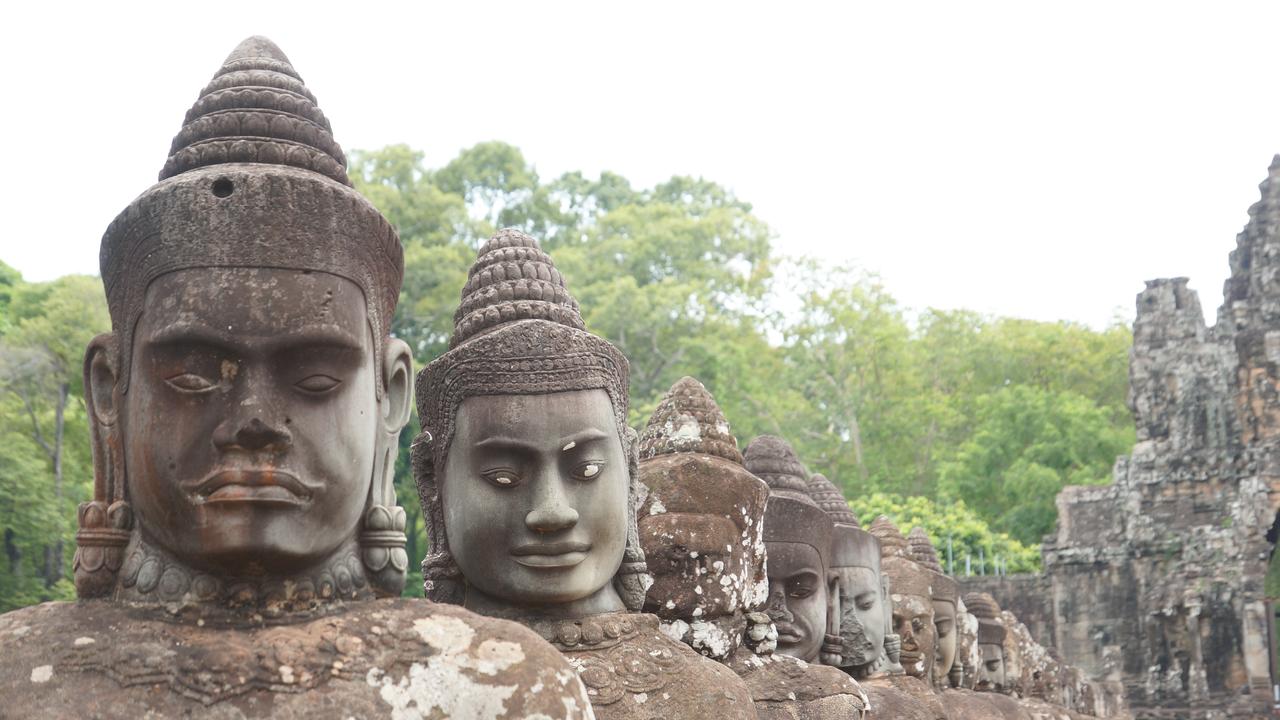
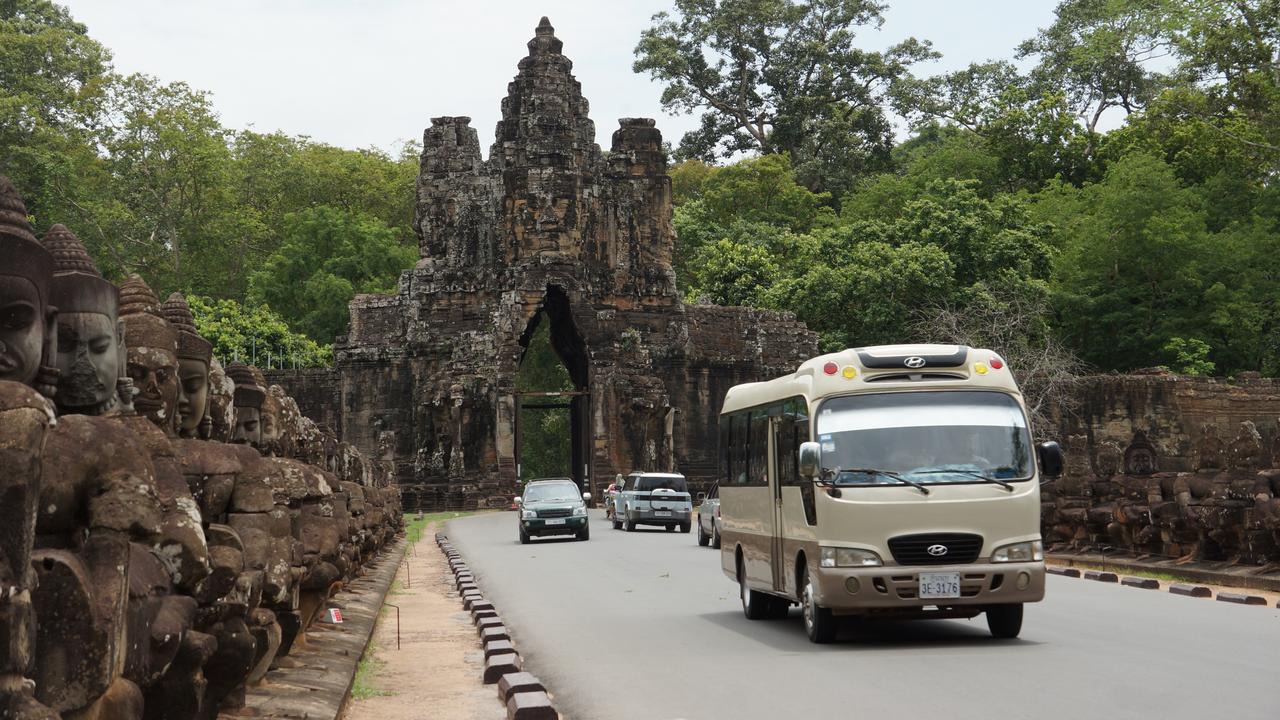
The greater Angkor area includes Angkor Thom, the last walled capital of the Khmer Empire. Its gates and walkways are lined with stone statues of gods and demons from Hindu stories.
Along with Angkor Wat, these sites make up the Angkor Archaeological Park, a protected area with hundreds of temples in Siem Reap.
People in the West learned more about Angkor after French naturalist Henri Mouhot visited in 1860 and shared his notes and drawings in Europe.
This inspired French researchers and archaeologists to study the area closely. Over the next hundred years, thick vegetation was cleared and unstable buildings were repaired and protected.
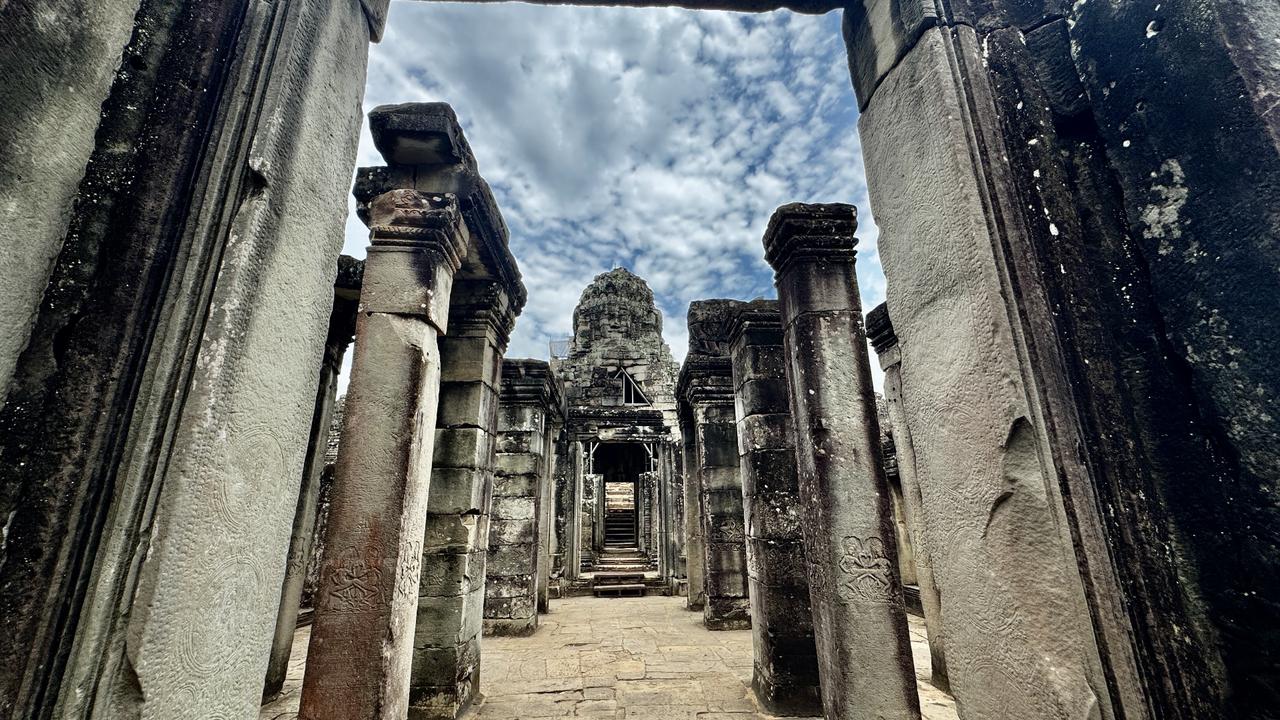
Angkor Wat was originally built as a Hindu temple, but has served as a Buddhist site since the 1200s and is still a place of worship today.
In 1992, UNESCO designated the Angkor area as a World Heritage Site, bringing additional international support for its preservation. The temples survived Cambodia's civil wars and the Khmer Rouge period mostly unharmed.
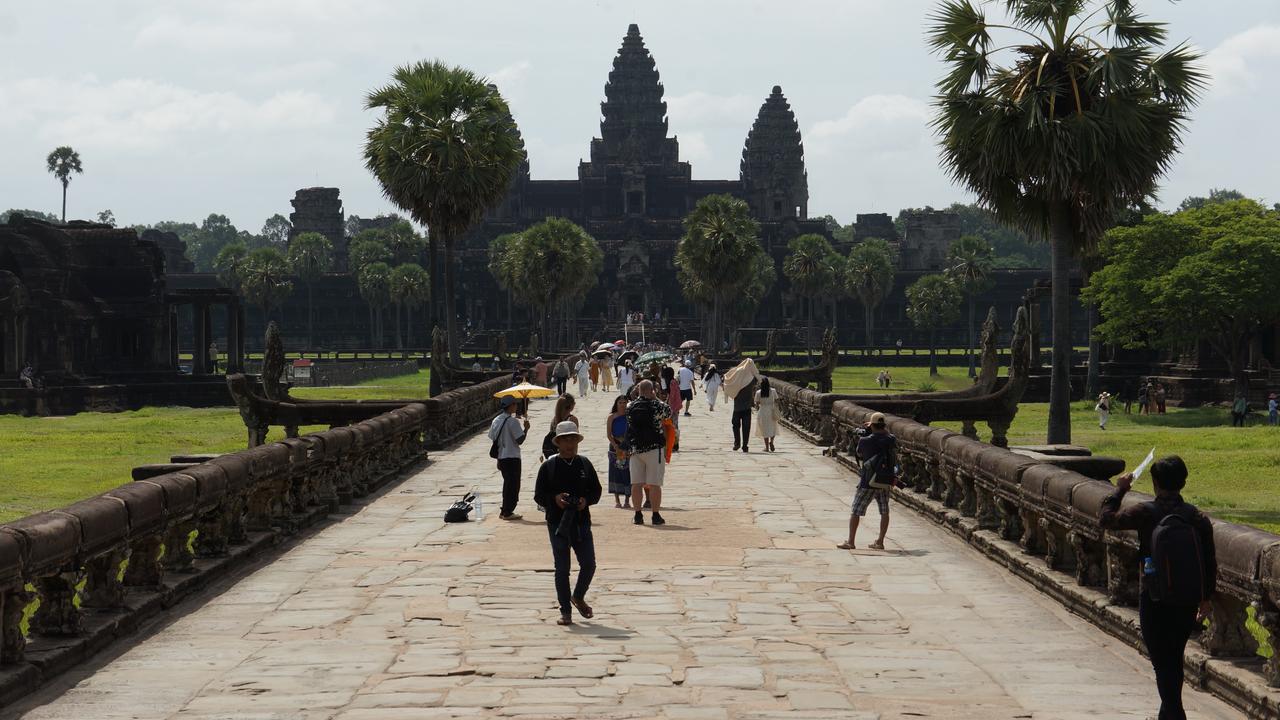
Today, the Angkor Archaeological Park welcomes about 2.5 million visitors each year. The site appears on Cambodia's national flag and, according to tourism operators in Siem Reap, is included on most international travelers’ itineraries.
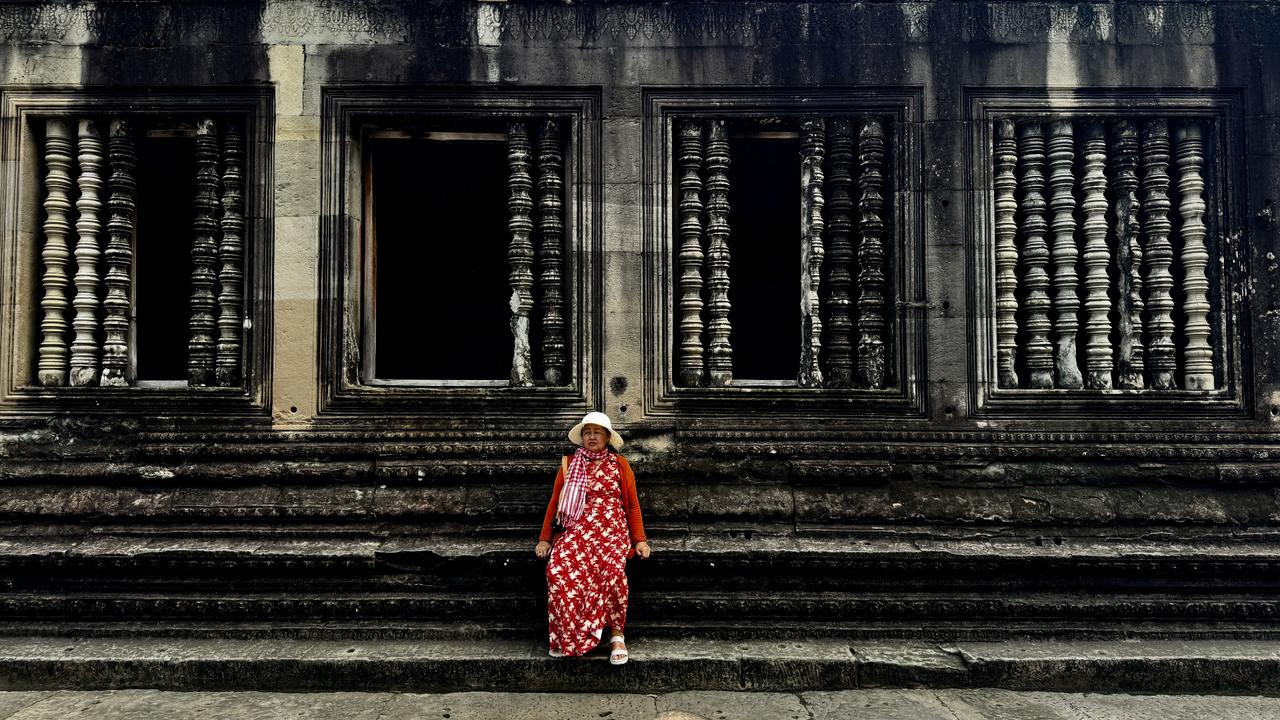
Tourism is Cambodia's second-largest source of national income after the garment industry, and much of that comes from the Angkor complex and nearby heritage sites.
Hotels, restaurants, transport companies, guides, and small businesses in Siem Reap depend on the steady flow of visitors to the park.
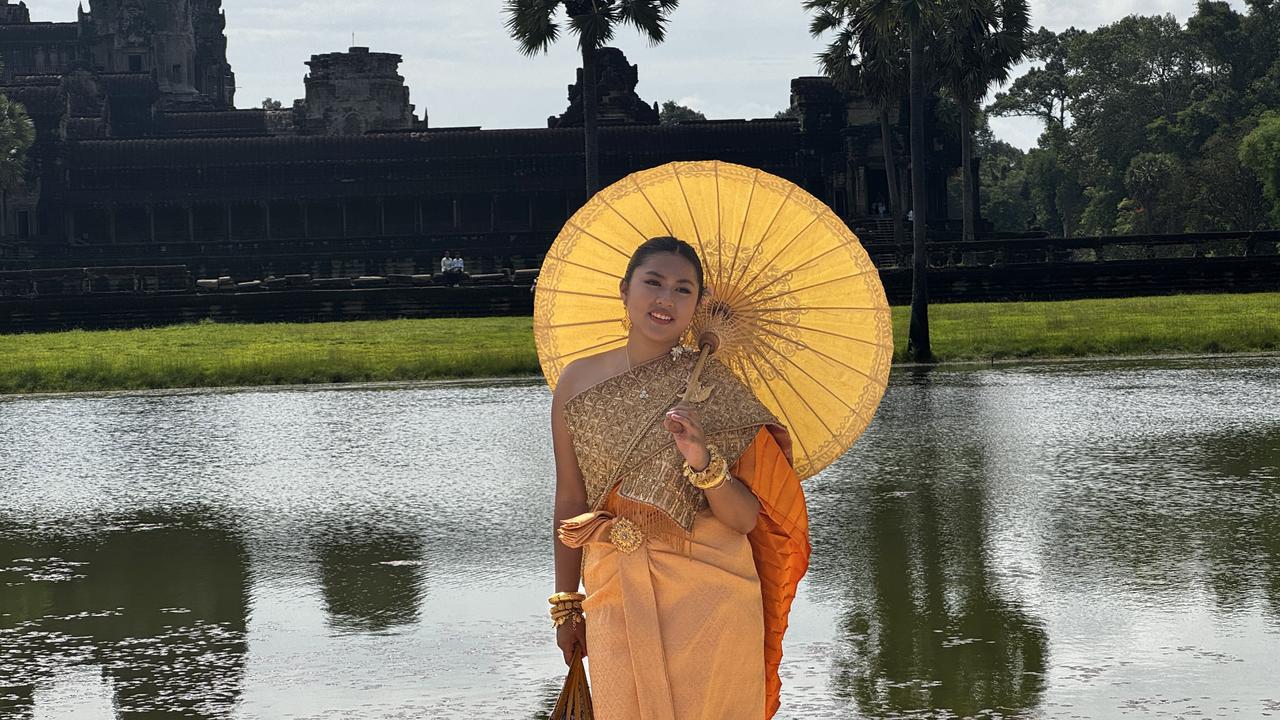
The temple attracts visitors all year, especially at sunrise, when people gather to see the complex reflected in the water.
Renting traditional Khmer dress near the temple has become popular, and both visitors and locals often take photos with the temple in the background.
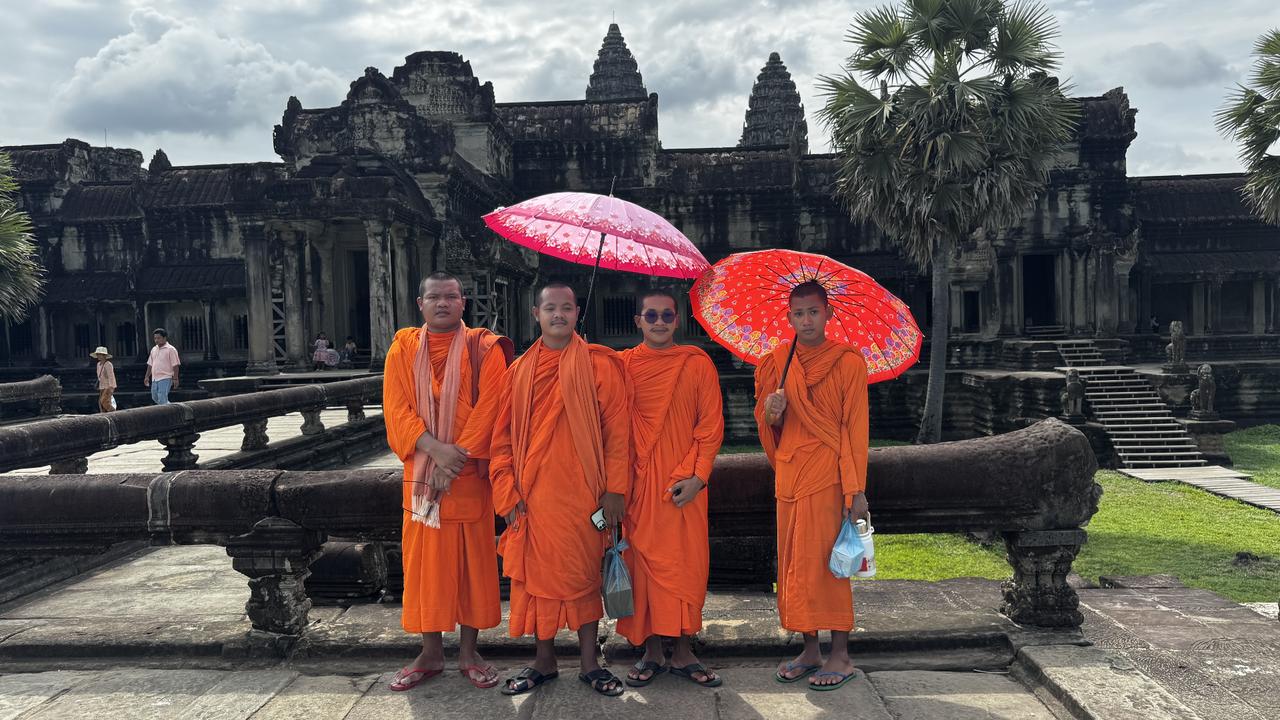
Rural poverty is still a major challenge in Cambodia, but the stone structures of Angkor, which have stood for nearly 900 years, remain the country’s most important economic and cultural asset.
What was once hidden in the forest now supports thousands of livelihoods and introduces Cambodia to the world in its own way.


 Set as preferred source

 3 min read