Newsletters


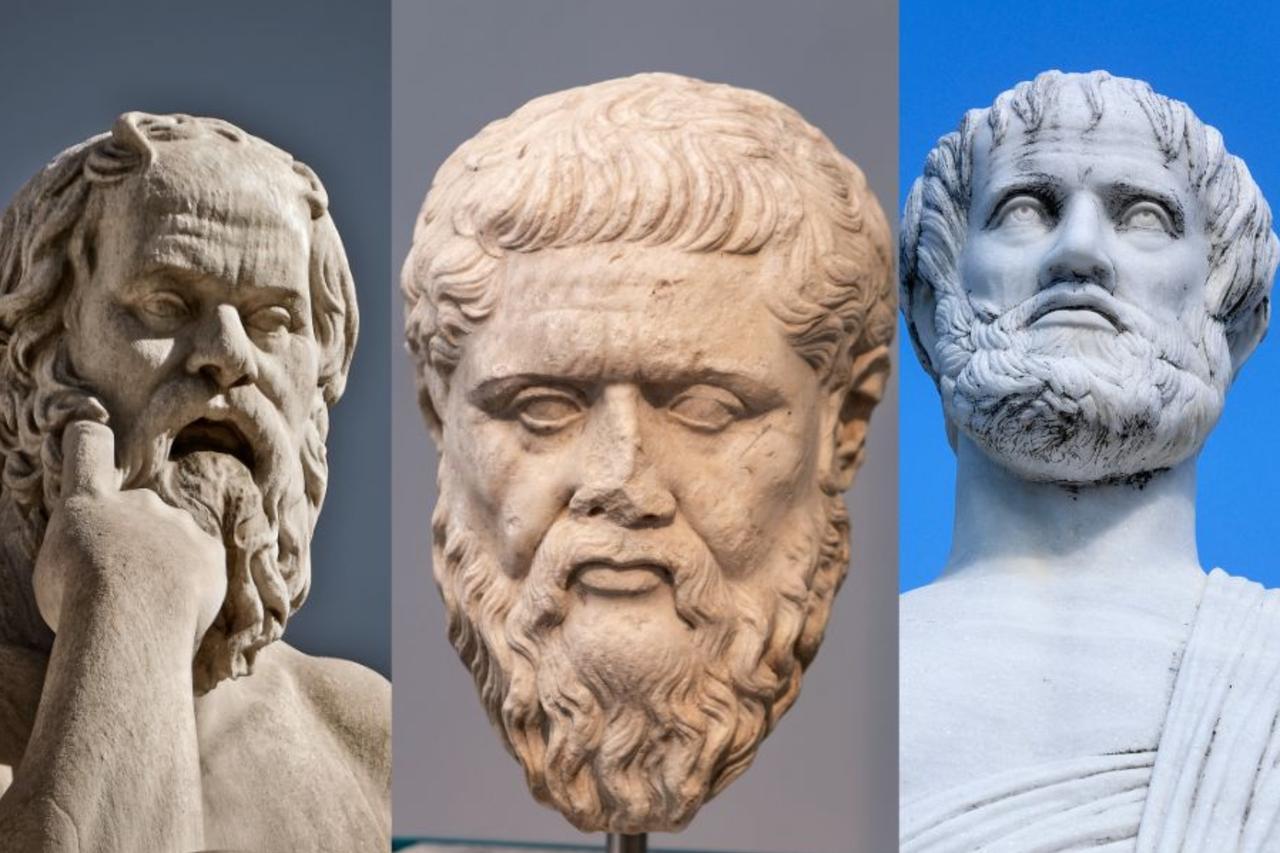


A new study challenges the long-held view that the concept of natural laws originated in 17th-century Europe, finding that ancient Greek philosophers not only described the principles governing the natural world but referred to them by that very name.
The research, led by Jacqueline Feke, a philosopher at the University of Waterloo, examines writings by Plato, Aristotle, Philo of Alexandria, Nicomachus of Gerasa and Galen.
Published in a peer-reviewed journal, the study argues that these thinkers articulated a belief in consistent, universal patterns in nature—the foundational quality that later became formalized as natural laws in science.
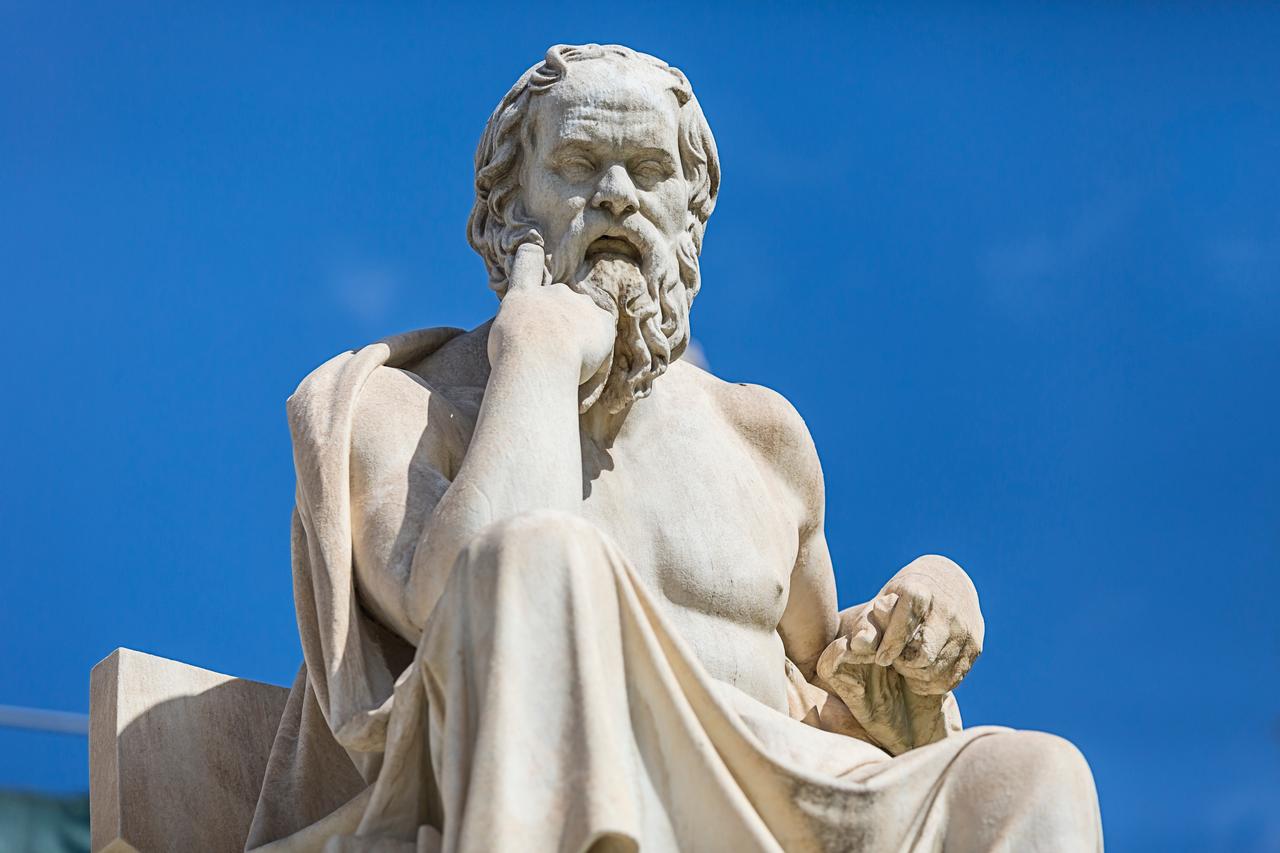

For decades, historians of science traced the idea of natural laws to 17th-century Christian philosophers, who framed them as decrees issued by a divine lawgiver.
That framework, the argument went, could not have existed within ancient Greek thought, which lacked the same theological structure. Feke's findings complicate that narrative.
She found that the phrase "laws of nature" appears explicitly in ancient Greek texts, particularly in discussions of mathematics and medicine—fields in which the Greeks sought to identify universal rules.
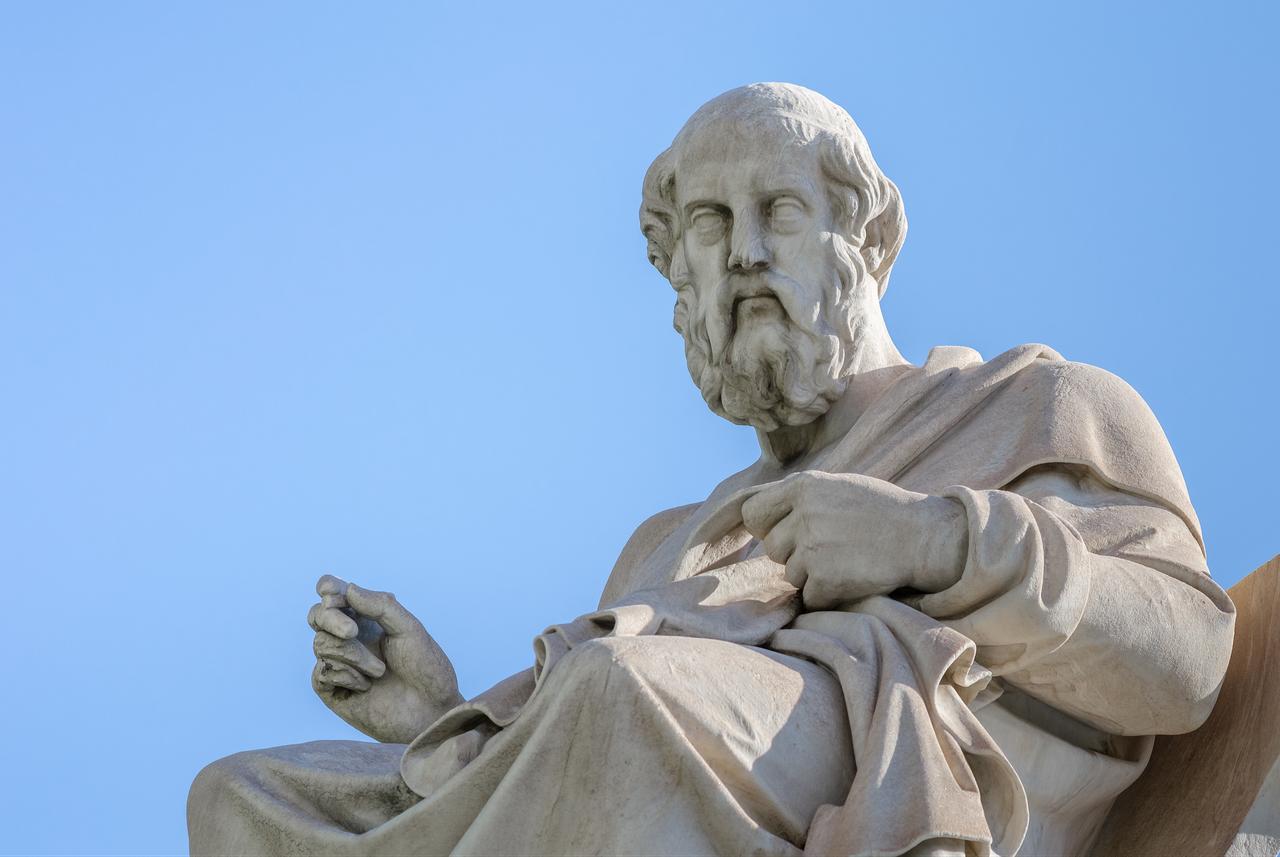
Among the earliest references is Plato's dialogue "Timaeus," in which he connects human disease to violations of what he calls the laws of nature.
In his account, blood must be properly nourished; when it is not, harmful substances spread through the body and disrupt its natural balance. The law, in Plato's framing, is not unbreakable—it can be violated, and illness is the consequence.
Aristotle also invokes the concept, attributing it to the Pythagoreans. He describes how the number three—representing a beginning, middle and end—was understood by that school as a kind of natural law shaping the universe's structure.
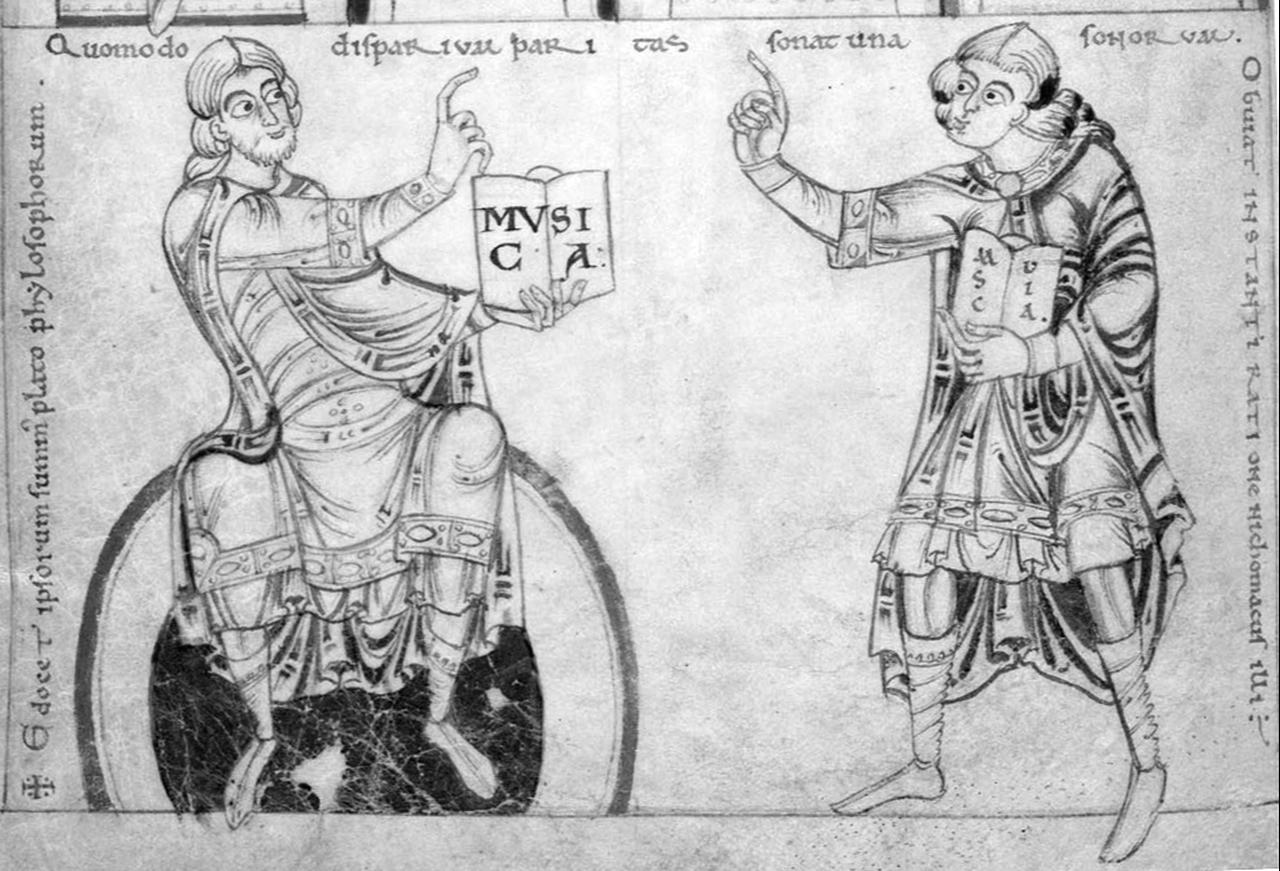
Later thinkers extended the concept further. Philo of Alexandria, a Jewish philosopher working within the Greek tradition, described the universe as created in accordance with unchangeable laws of nature—a world shaped not by chance but by reason and order.
Nicomachus of Gerasa, a second-century philosopher, brought a distinctly mathematical dimension to the idea.
In his work "Introduction to Arithmetic," he describes laws governing numbers and the universe itself, characterizing them as natural because they were not invented by humans but revealed through reason and observation.
Feke notes that Nicomachus' laws were mathematical, universal and necessary—the same defining qualities that characterize scientific laws today.
The physician Galen also used the term in a medical context. For Galen, the laws of nature described the body's healthy function; disease was what followed when that natural order broke down.
Feke's research traces a common thread through these figures: many drew from Platonic and Pythagorean traditions, both of which placed order and harmony at the center of the universe.
That shared framework, the study suggests, created the conditions for thinking about nature in terms of rules or laws long before the early modern period.
Whether these ancient ideas directly shaped the thinking of later figures such as Kepler and Newton remains an open question.
According to Feke, the study establishes that belief in a rule-governed natural world was not a product of 17th-century Europe alone. The ancient Greek philosophers, she argues, were among its earliest architects.


 Set as preferred source
 Set as preferred source



 2 min read