Newsletters


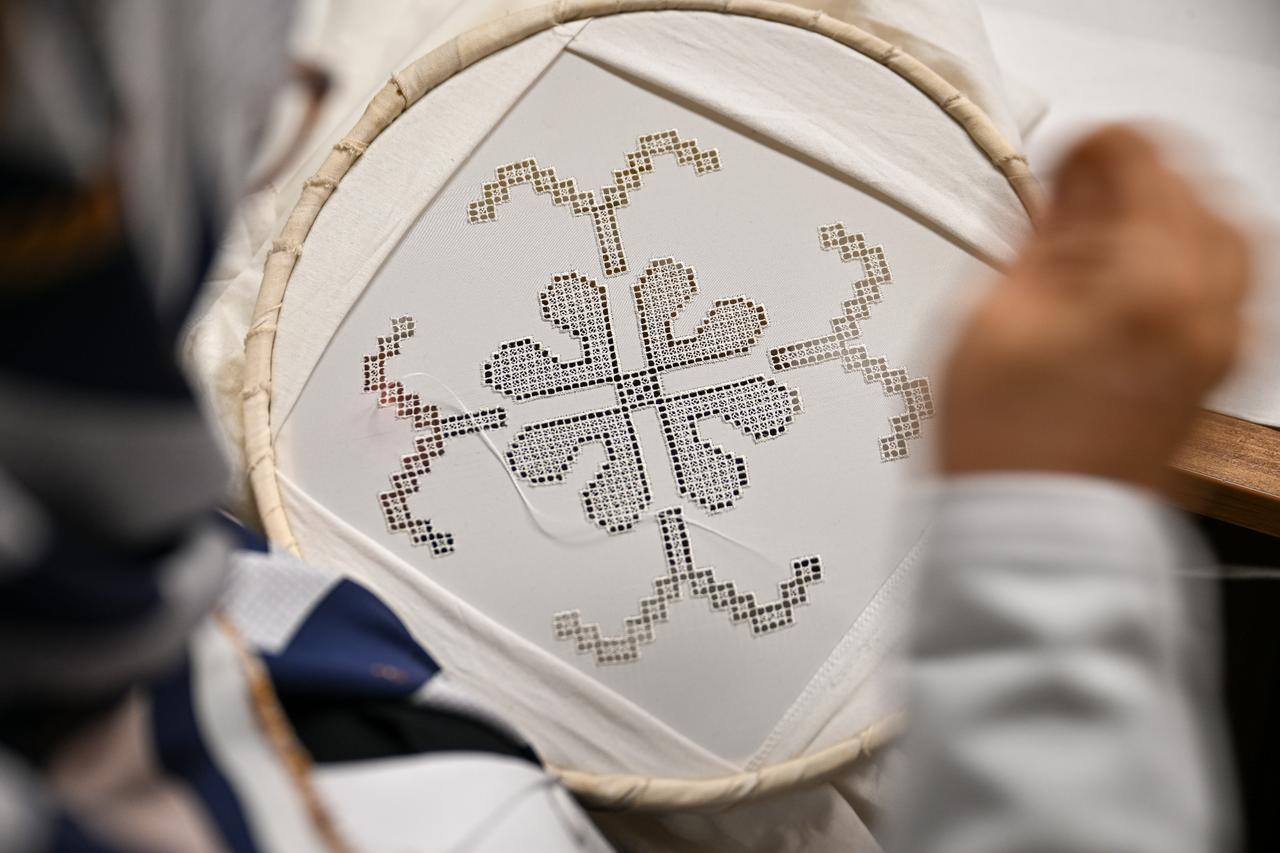


UNESCO has added “Embroidered Antep,” an embroidery tradition unique to the southeastern province of Gaziantep, to its Representative List of the Intangible Cultural Heritage of Humanity, according to a statement shared by Turkish Culture and Tourism Minister Mehmet Nuri Ersoy.
“Embroidered Antep was inscribed on the UNESCO Representative List of the Intangible Cultural Heritage of Humanity at the 20th UNESCO Intergovernmental Committee Meeting for the Safeguarding of the Intangible Cultural Heritage held in New Delhi, India,” Ersoy said.
He added that the decision raised the number of living heritage elements Türkiye has on UNESCO lists to 32, and said this outcome “further strengthen(s) our country’s position as the second nation in the world with the most cultural elements registered.”
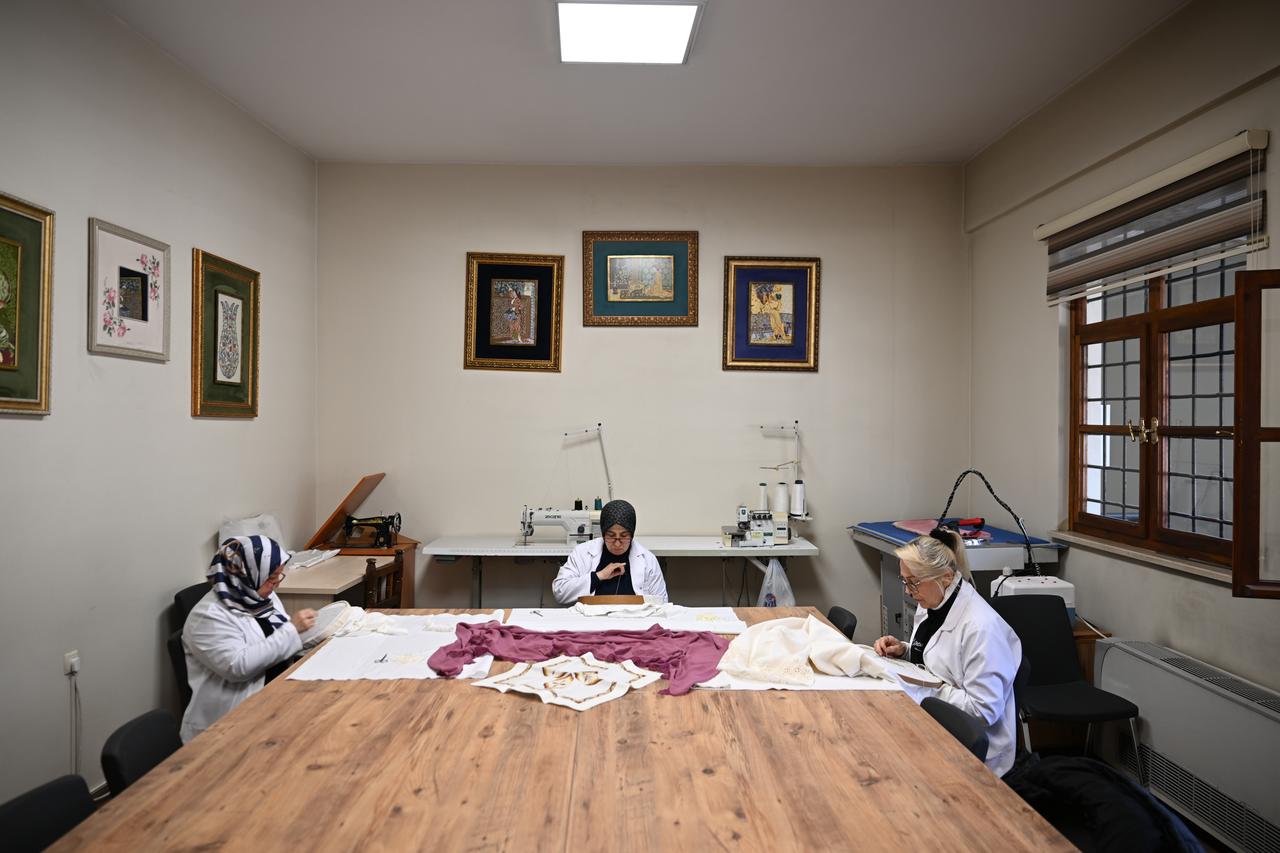

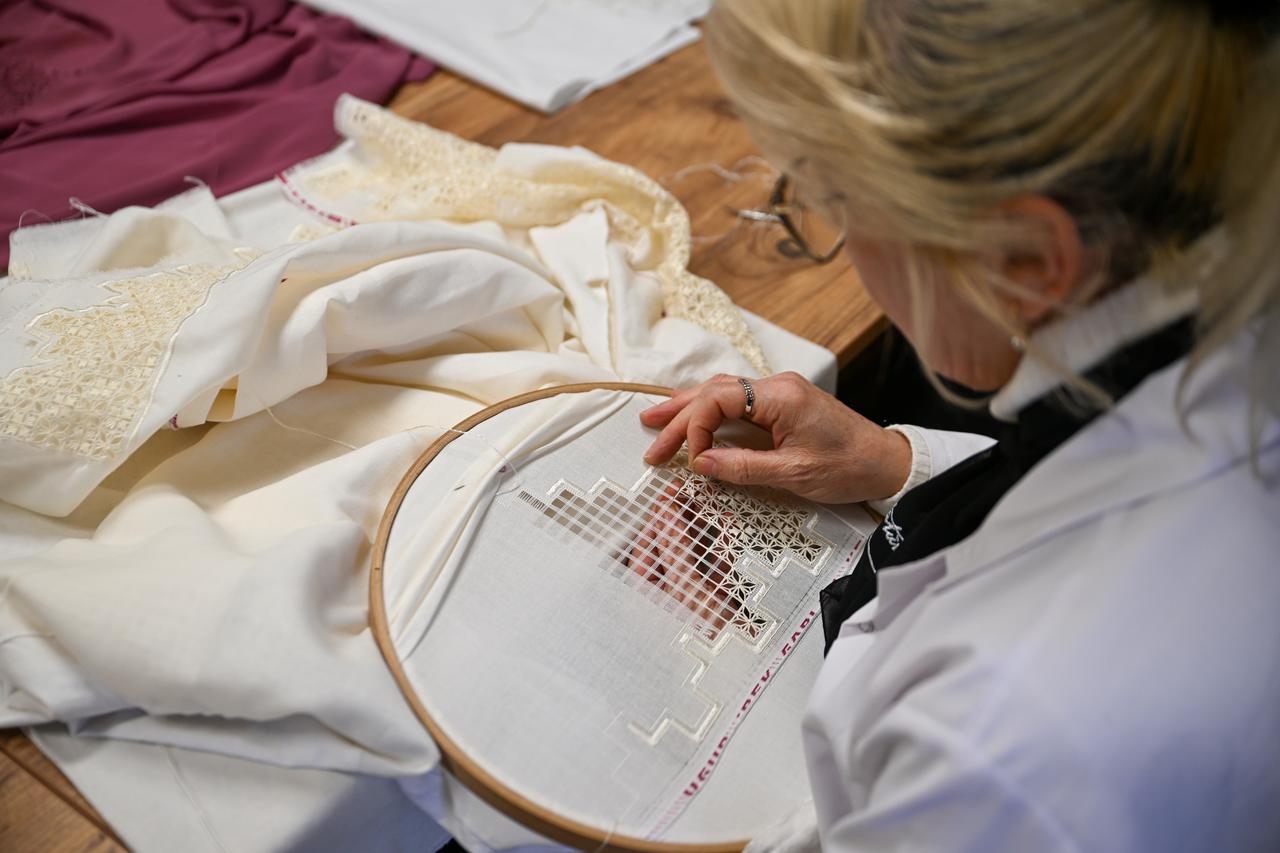
Antep embroidery is traditionally made with white thread on white fabric, and it is produced by pulling and cutting threads to form patterns. The technique is described as deep-rooted in the region and as having been handed down from generation to generation for centuries.
The craft is also presented as labor-intensive and highly skilled, while serving as an important source of income for women. The text further notes that it contributes to sustainable development by supporting social cohesion.
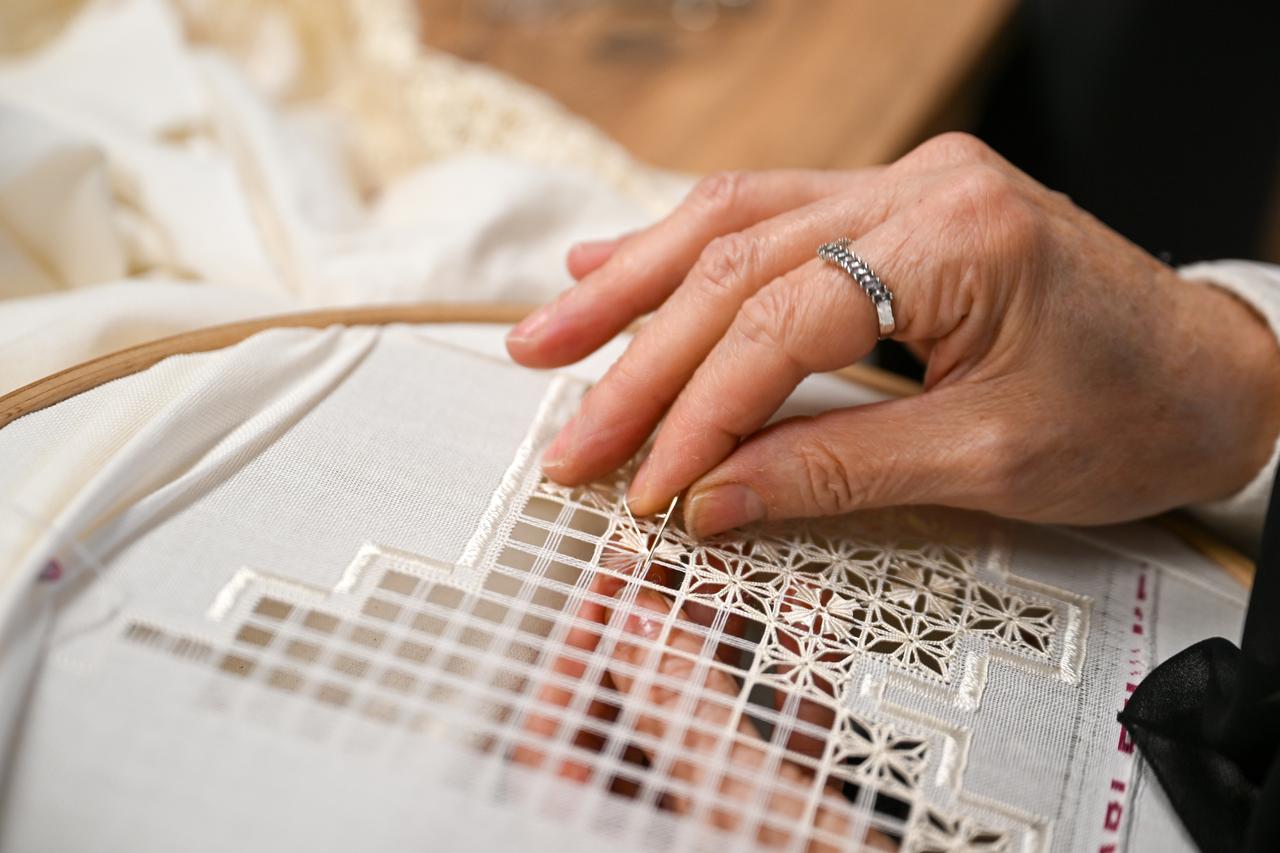
UNESCO’s Representative List of the Intangible Cultural Heritage of Humanity recognizes “living heritage,” meaning cultural practices and skills that communities keep alive and pass on, rather than physical monuments or archaeological sites.
In its evaluation report, UNESCO underlined that the Antep embroidery nomination was submitted as a detailed and complete dossier, and it congratulated Türkiye for its efforts to safeguard living heritage.


 Set as preferred source
 Set as preferred source


 2 min read

 1 min read