Newsletters




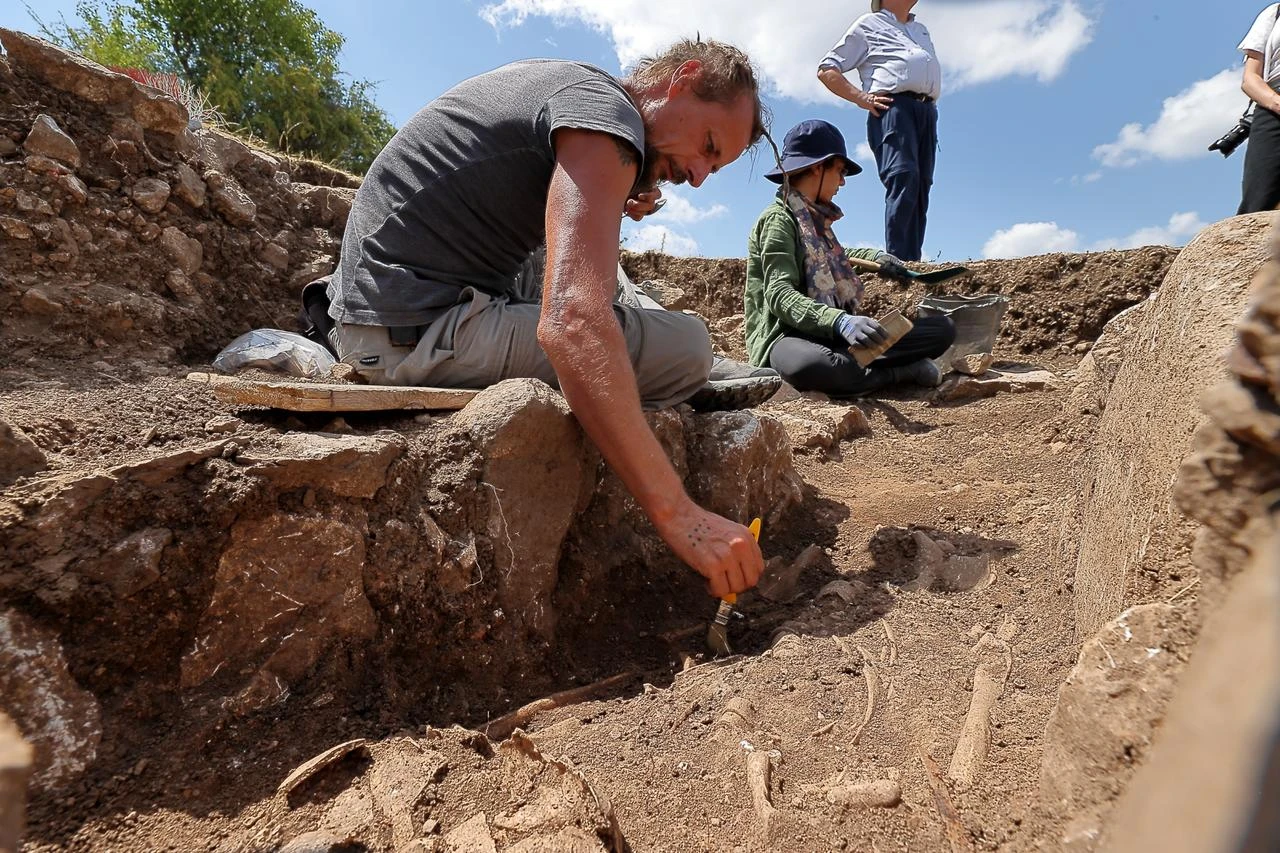
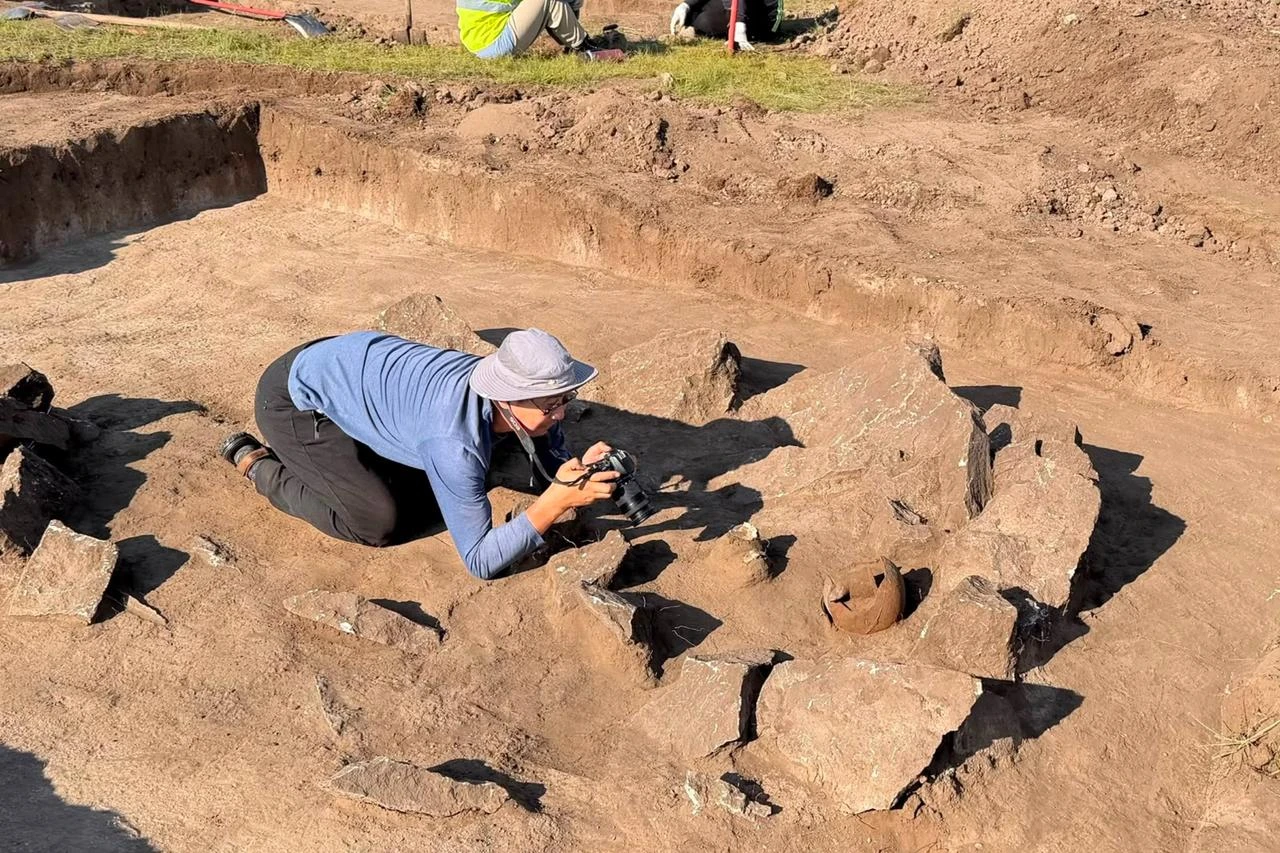
Archaeologists have resumed excavations at Niksar Castle, a hilltop fortress in northern Türkiye’s Tokat province, to kick off the 2026 digging season.
Led by Associate Professor Suayip Celemoglu from Ondokuz Mayis University's Department of Art History, the 25-member team includes 12 specialists. The project is coordinated by the Niksar District Governor's Office, with backing from the Niksar Municipality and the Tokat Provincial Special Administration.

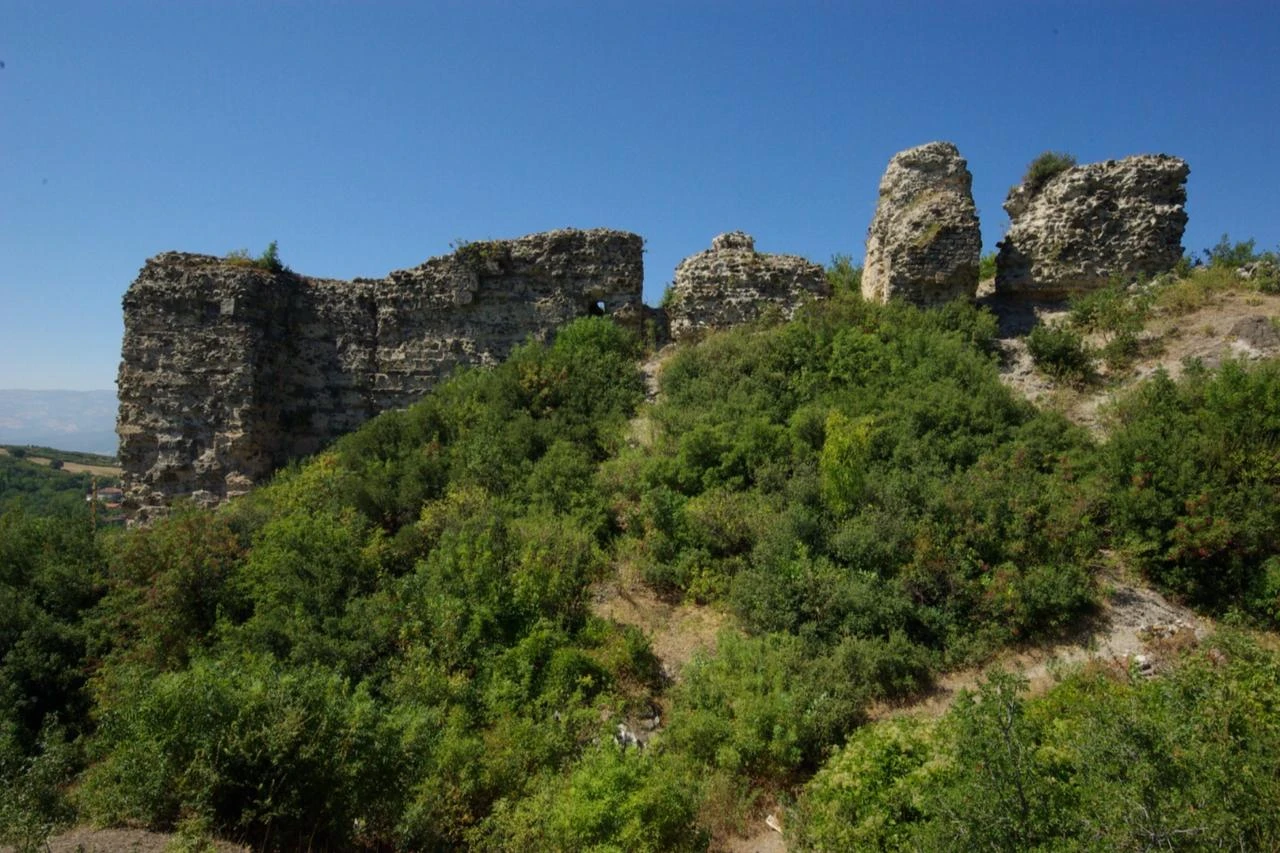
Niksar Castle sits on a hill overlooking the point where the Canakci and Maduru streams meet the Kelkit River, southeast of the Black Sea coast.
Historical sources place the earliest settlement at the site in the Pontic Kingdom era, between 280 B.C. and 66 A.D., when it served as an acropolis.
The site remained continuously inhabited through later periods, forming several layers of construction.
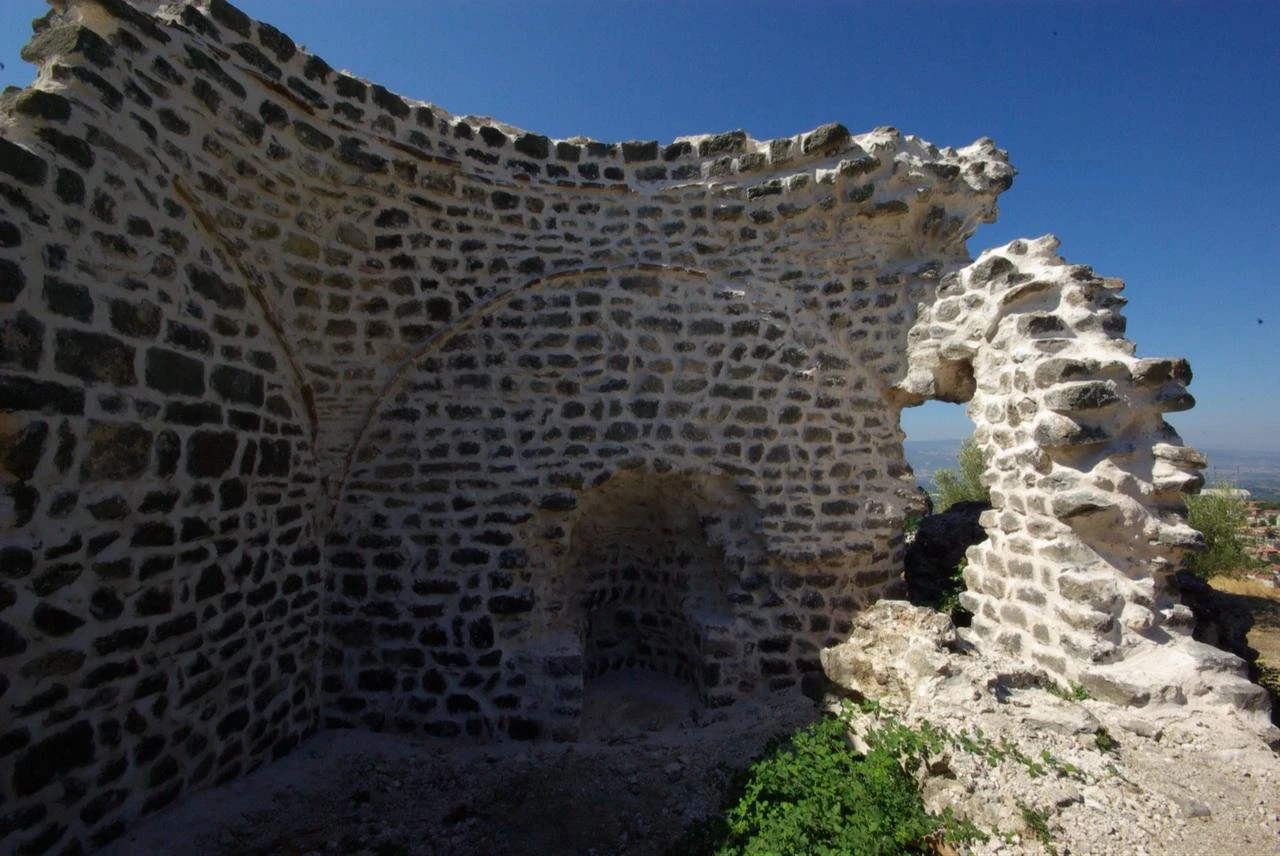
Remains found within the castle walls include a palace, a seminary, a bathhouse, a prison, a tomb, a church, and a mosque, reflecting the site's religious, military, administrative, and social use over time.
Scientific excavations at the castle first began in 2015 under the Tokat Museum Directorate and, after a pause, resumed in 2021.
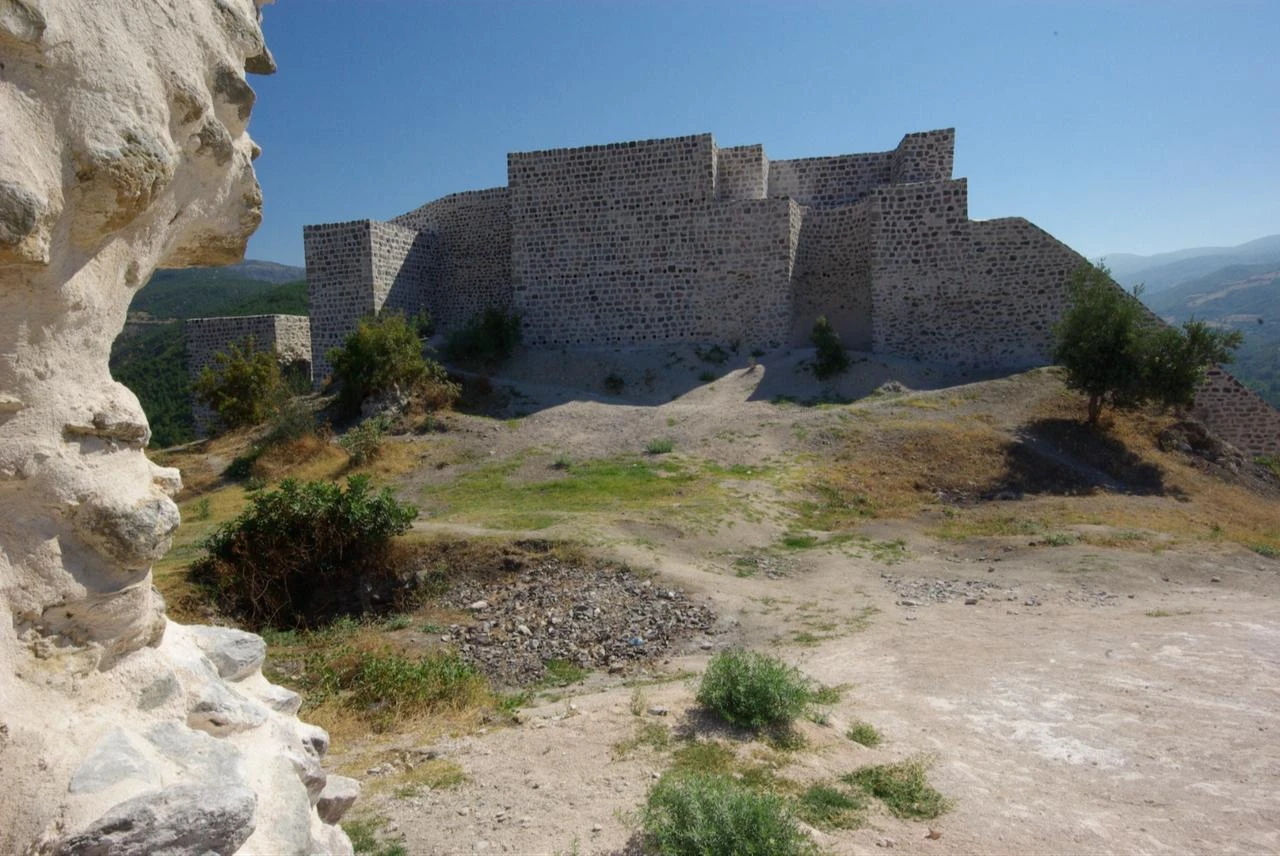
This year's work is concentrated around the Castle Mosque and its surroundings. Niksar District Governor Kadir Perci visited the excavation site and received a briefing from Celemoglu on the progress of the dig.
Perci said the architectural remains and archaeological finds expected from the excavation would help clarify the district's historical identity and its place in the wider cultural history of Anatolia.


 Set as preferred source
 Set as preferred source


 3 min read