Newsletters


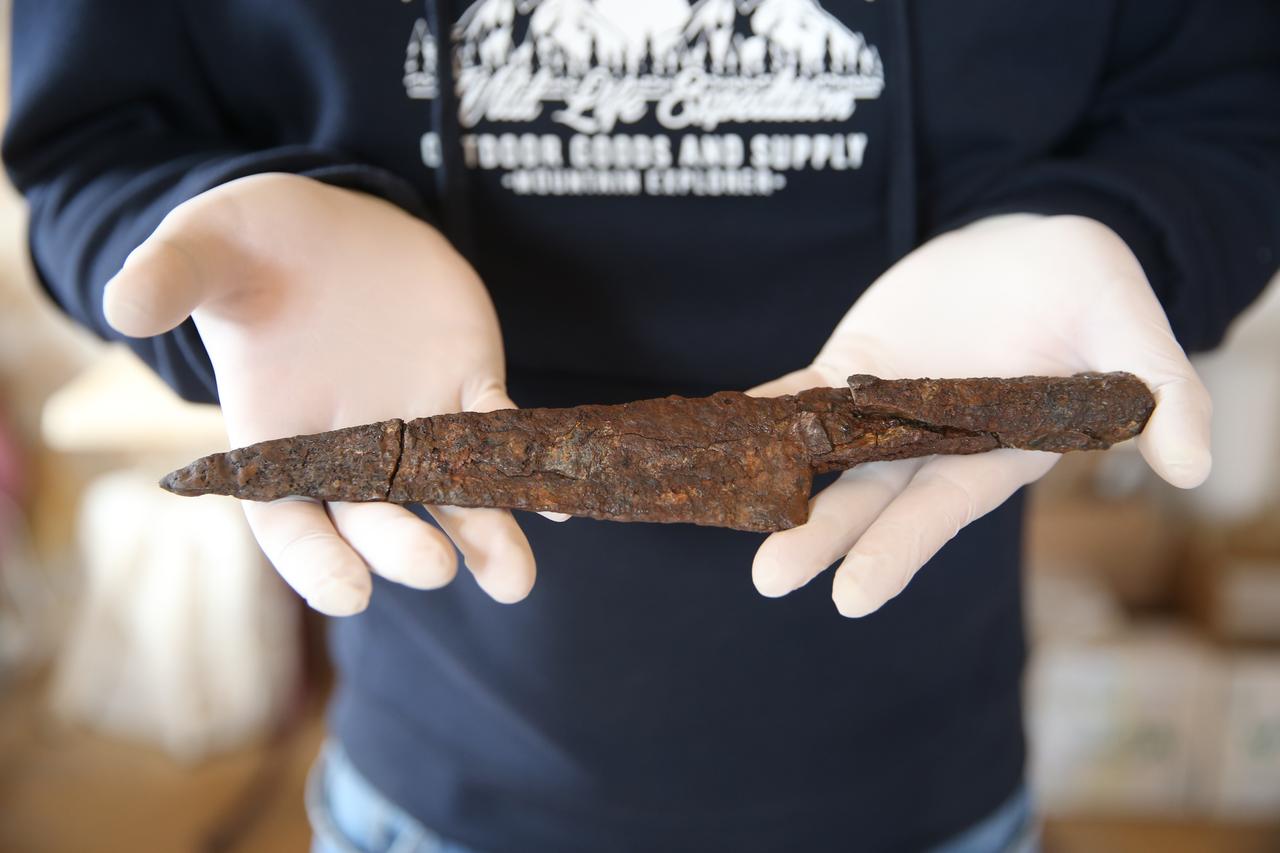


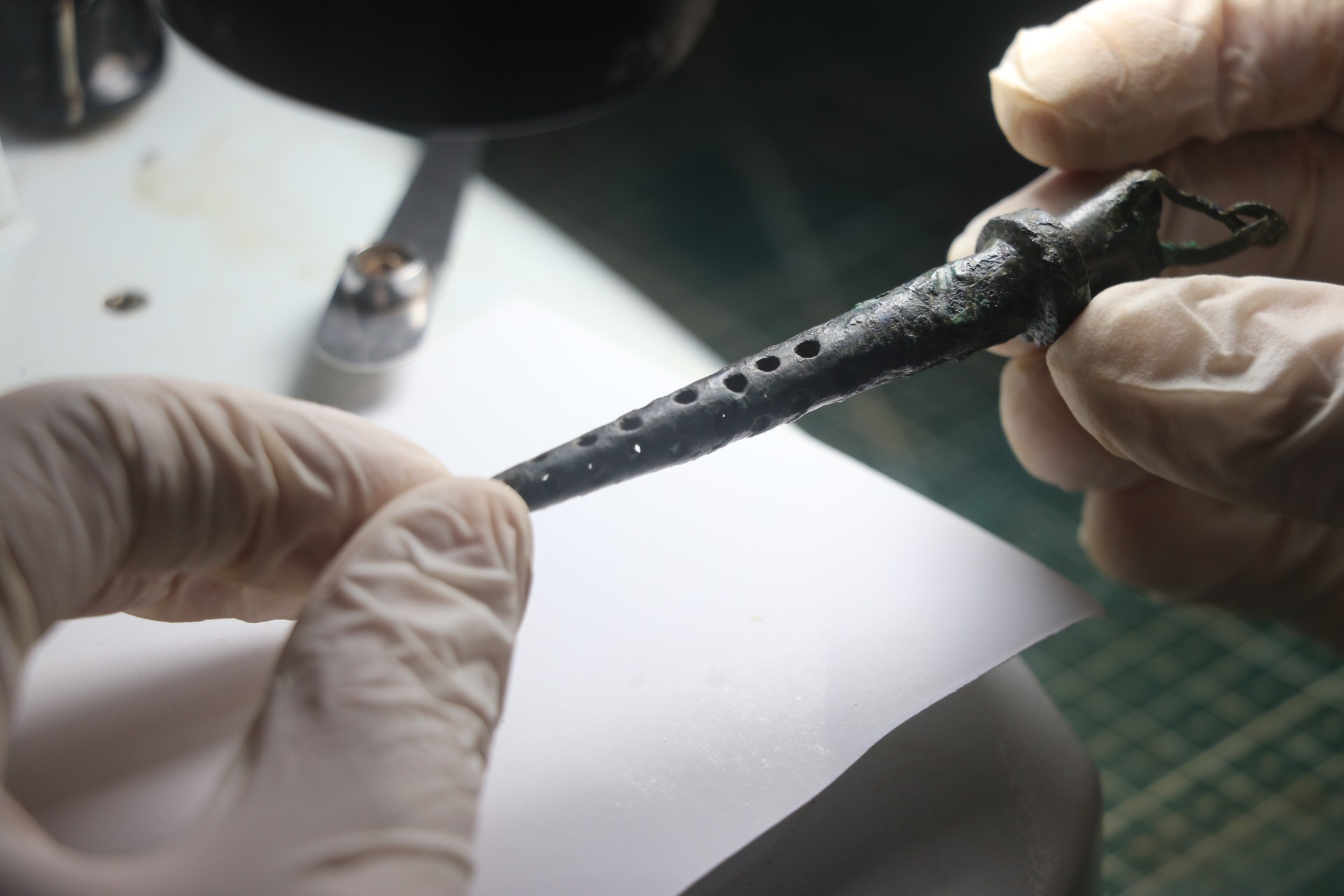
Archaeologists working at the Ancient City of Hadrianopolis in Karabuk's Eskipazar district have brought to light a set of knives and a sharpening stone believed to date back around 1,500 years, offering fresh insight into daily life and animal husbandry in the region during the Late Roman and Early Byzantine periods.
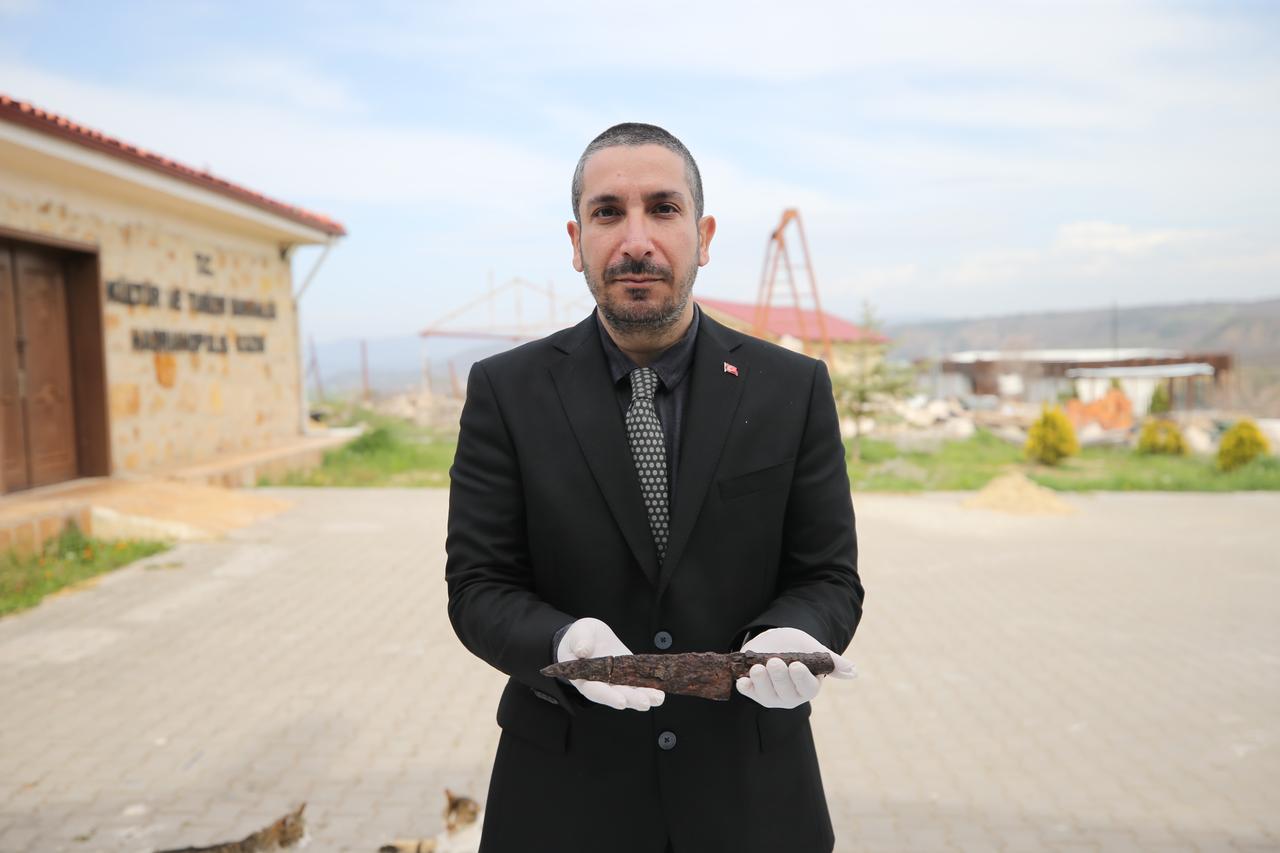

Excavation and restoration work is continuing at the ancient city, which served as a settlement during the Late Chalcolithic, Roman and Early Byzantine periods, under the direction of Professor Ersin Celikbas of Karabuk University’s Faculty of Humanities and Social Sciences, Department of Archaeology.
Celikbas said the knife set turned up in the kitchen section of what the team calls the Bath Structure Complex. He explained that four knives were found together, along with a sharpening stone, and that although the blades first came out in many broken pieces, they were later put back together in the lab and restored to their original forms.
He also noted that the knives are close to each other in type, even though they differ in size, which makes the group especially valuable as a set rather than as isolated finds.
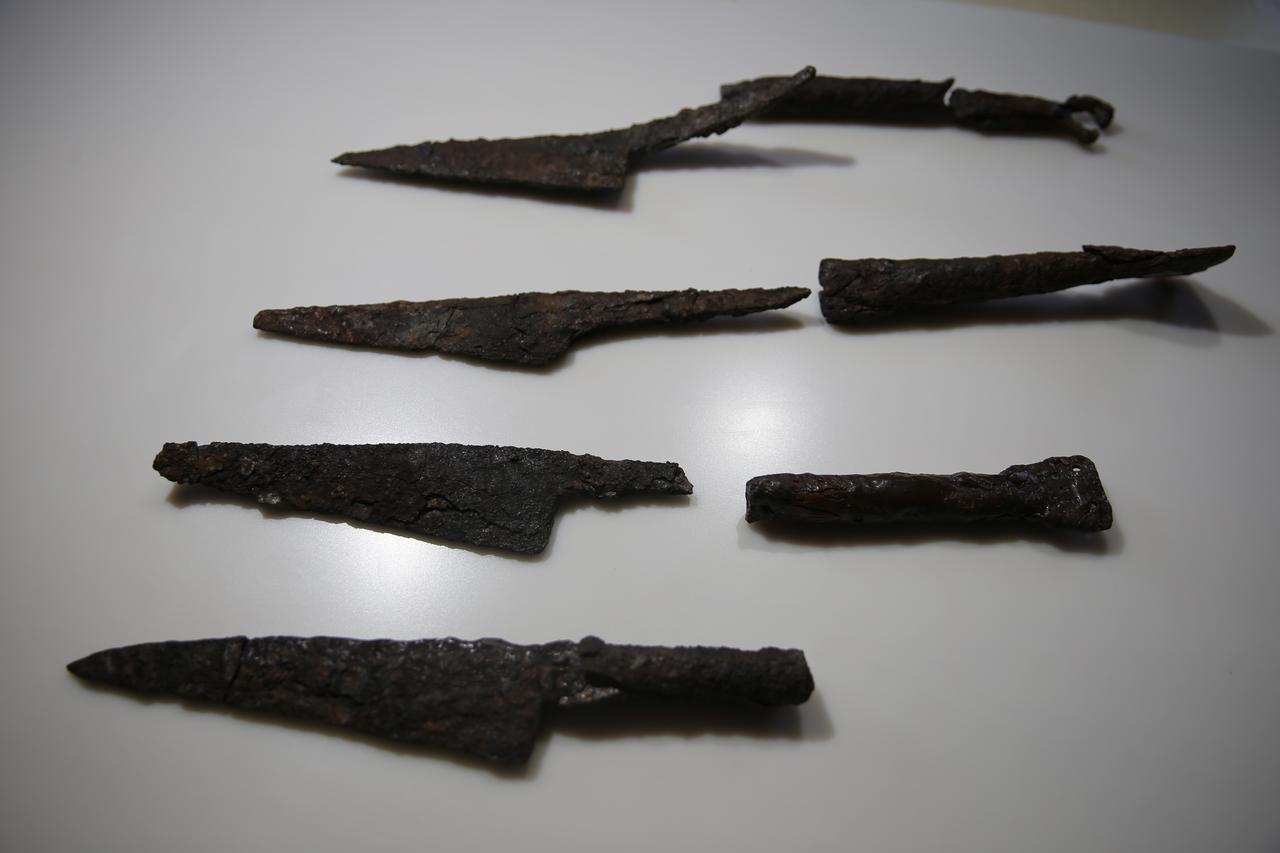
According to Celikbas, the fact that the knives were recovered from the same spot points to the people living in the Bath Structure Complex being involved in animal husbandry. He said earlier archaeological evidence had already shown that livestock activities were widespread in Hadrianopolis, especially in the Late Roman and Early Byzantine periods, and that these finds now back that up further.
He described the knives as typologically rare examples and said their discovery as a set stands out not only methodologically but also for what it reveals about social life in the settlement.
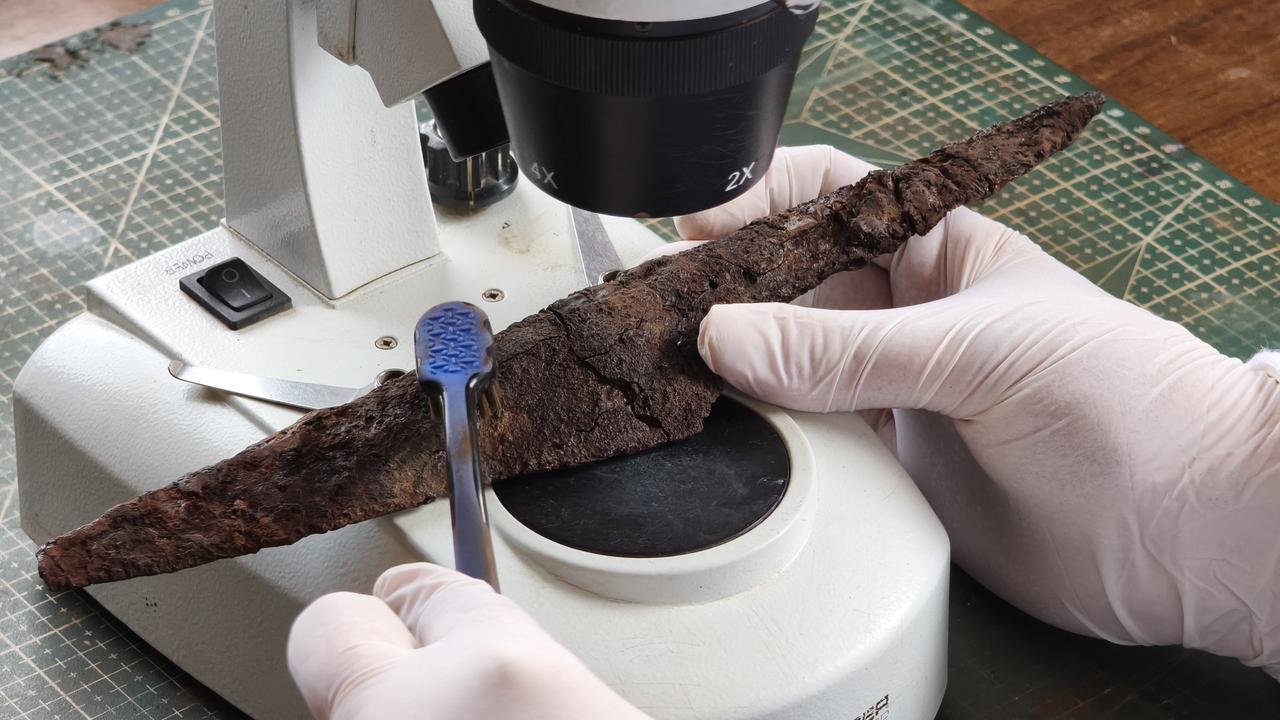
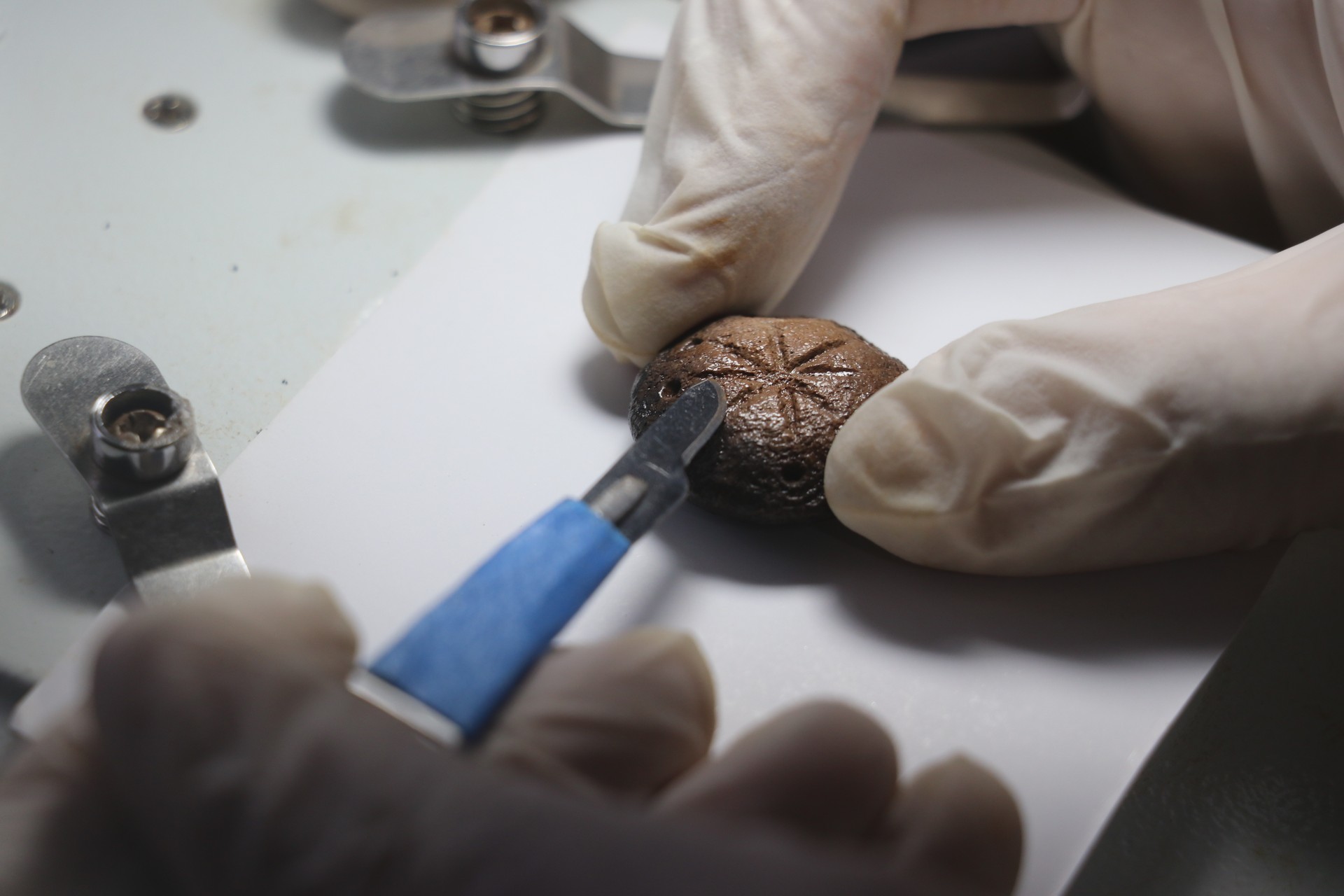
The sharpening stone found beside the knives adds another layer to the discovery. Celikbas said the object is known locally as a "kosure tasi," a type of whetstone, or sharpening stone, used to sharpen knives and other cutting tools.
He noted that a quarry known for producing this stone existed in the Eskipazar area during the Ottoman period and that the material was especially well known then. Its appearance in the excavation area, together with the knives, however, suggests that the stone had been in use by local communities much earlier than previously known.
 1 min read
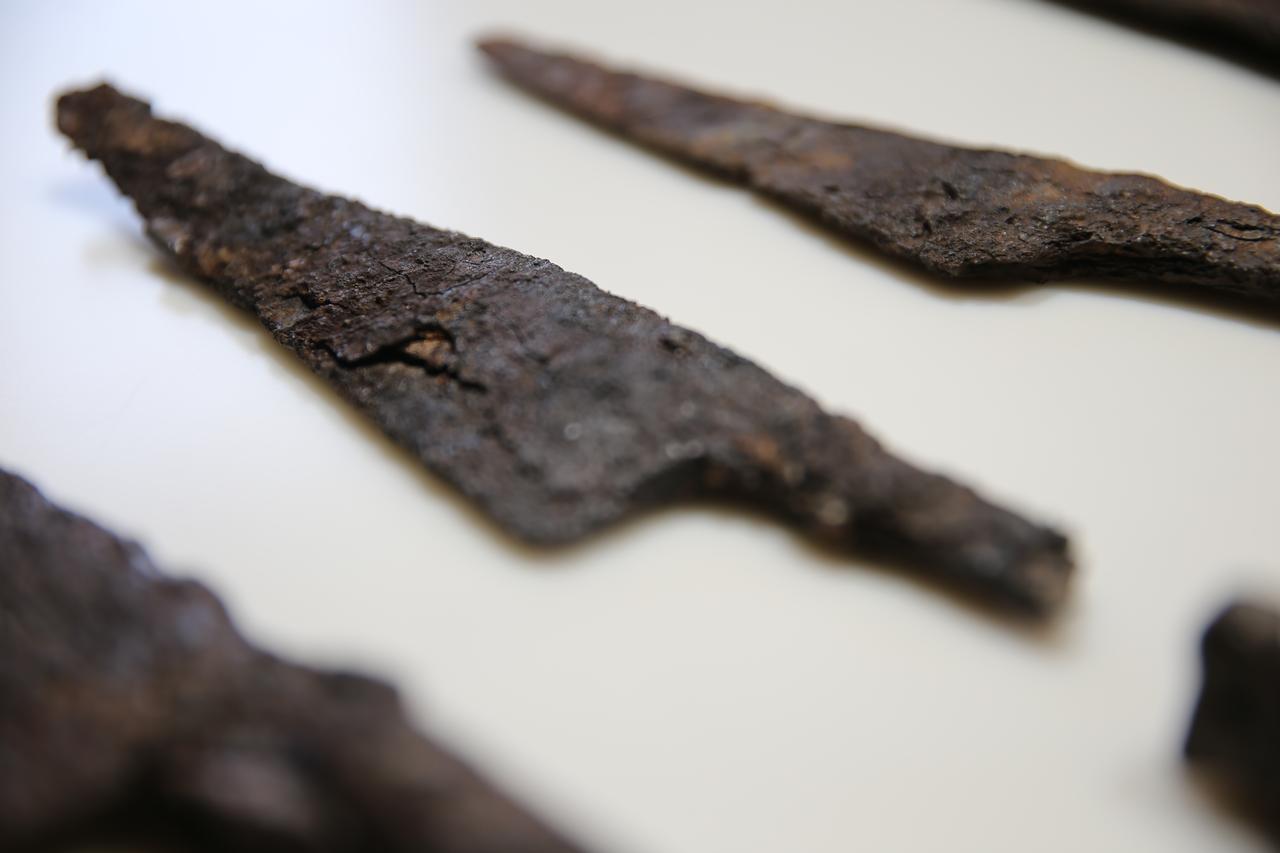
Celikbas said stratigraphic evidence, meaning dating based on the archaeological layers in which the objects were found, places the knife set in the fifth and sixth centuries A.D.
In his assessment, the discovery also shows that animal husbandry in the Hadrianopolis area and present-day Eskipazar has carried on without interruption for roughly 1,500 years.


 Set as preferred source
 Set as preferred source


 1 min read