Newsletters


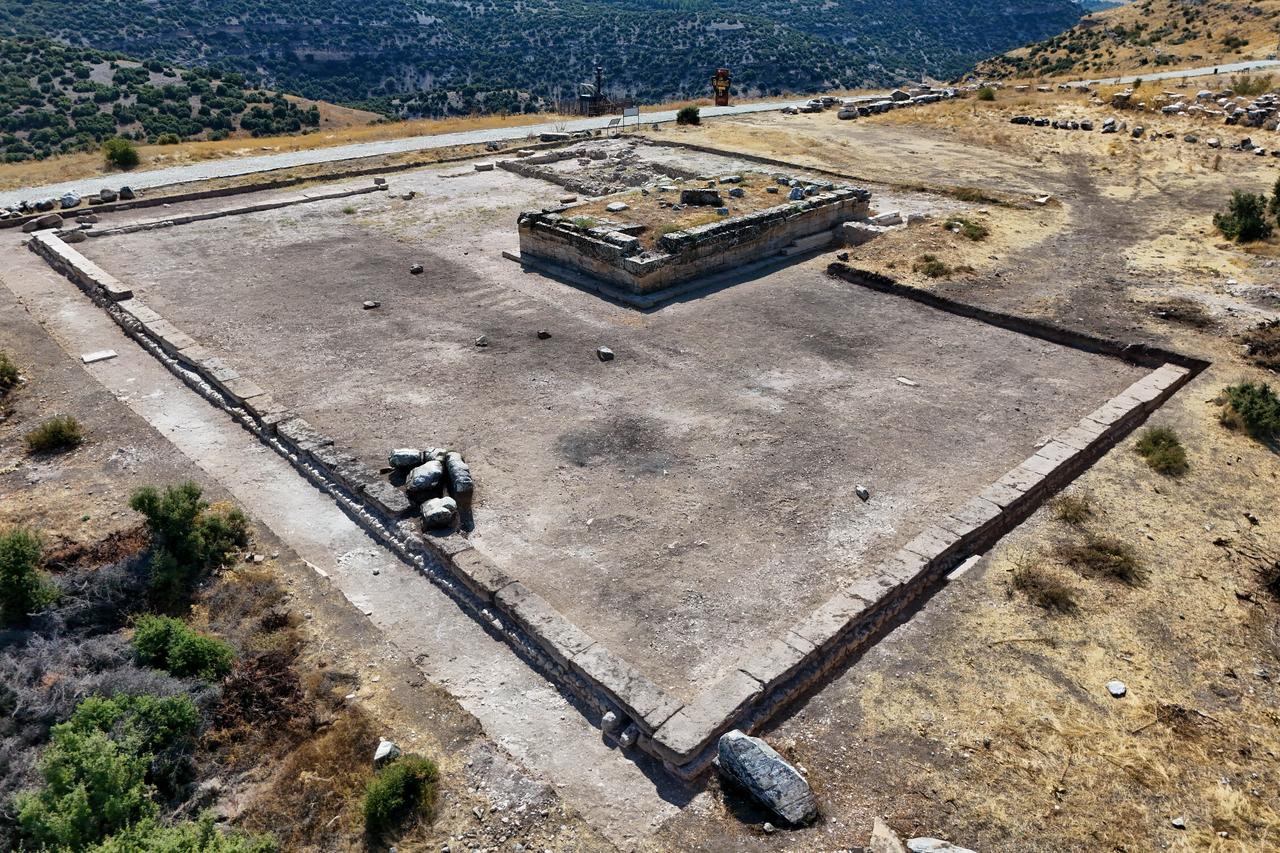


Archaeologists have uncovered a wall about 250 meters long surrounding the North Temple at the ancient city of Blaundos in Usak's Ulubey district, western Türkiye, Anadolu Agency (AA) reported.
The excavation team said the remains date to the Hellenistic period.
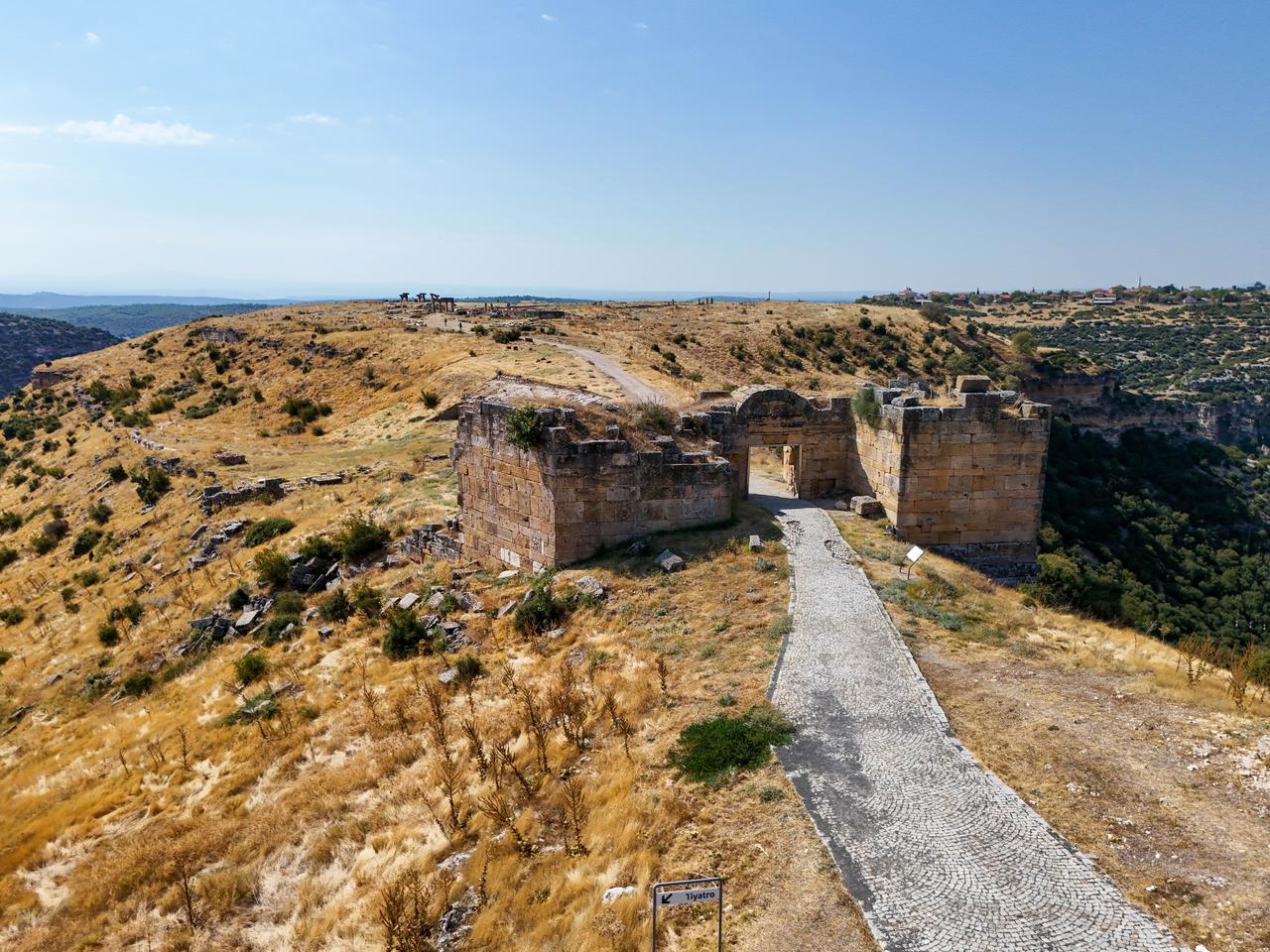

Blaundos is also known as a "garrison city" because soldiers from Macedonia who arrived during Alexander the Great's campaign in Anatolia settled there.
Deep valleys formed by the Ulubey Canyon surround the city on three sides, and its single entrance gives it the look of a natural fortress.
Visitors first encounter restored aqueducts about 500 meters from the main gate. The North Temple, regarded as one of the city's most important structures, stands 200 meters from the gate.
Excavations at Blaundos began in 2018 and continue year-round under the Usak Museum Directorate as part of the "Legacy to the Future Project." At the North Temple, work that started last year has continued this year and has exposed much of the temple's foundation.
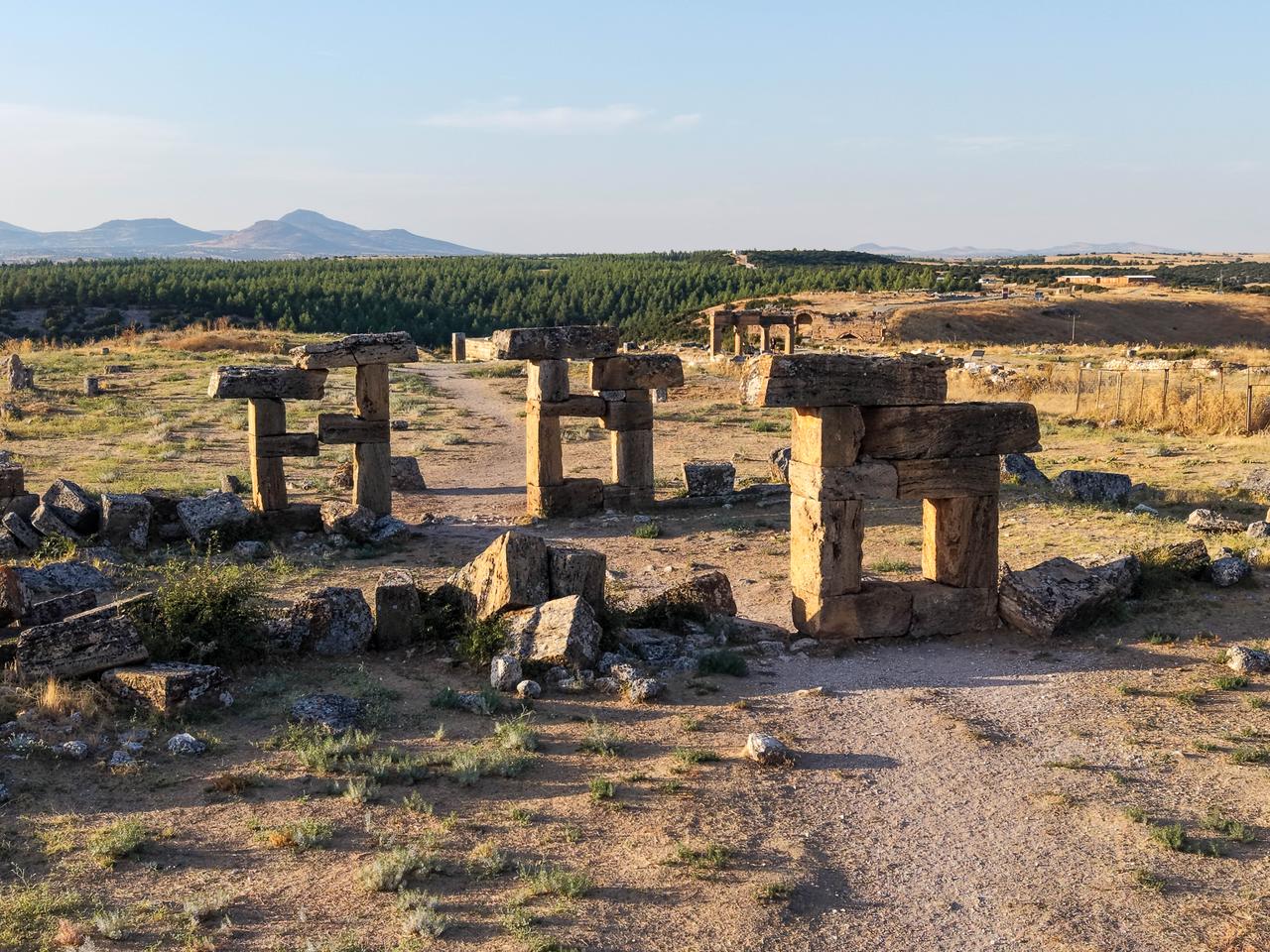
Ilhan Cavus, director of the Usak Museum and head of the Blaundos excavation, told AA that the team is working in the temenos, the area of the temple closed to civilian use and built for priests.
The team reached wall remains older than the temple, Cavus said. The wall encloses the sanctuary in a rectangular shape, and foundation excavations revealed traces from the Hellenistic period.
Although the North Temple is 1,900 years old, the team dates the wall to a much earlier period.
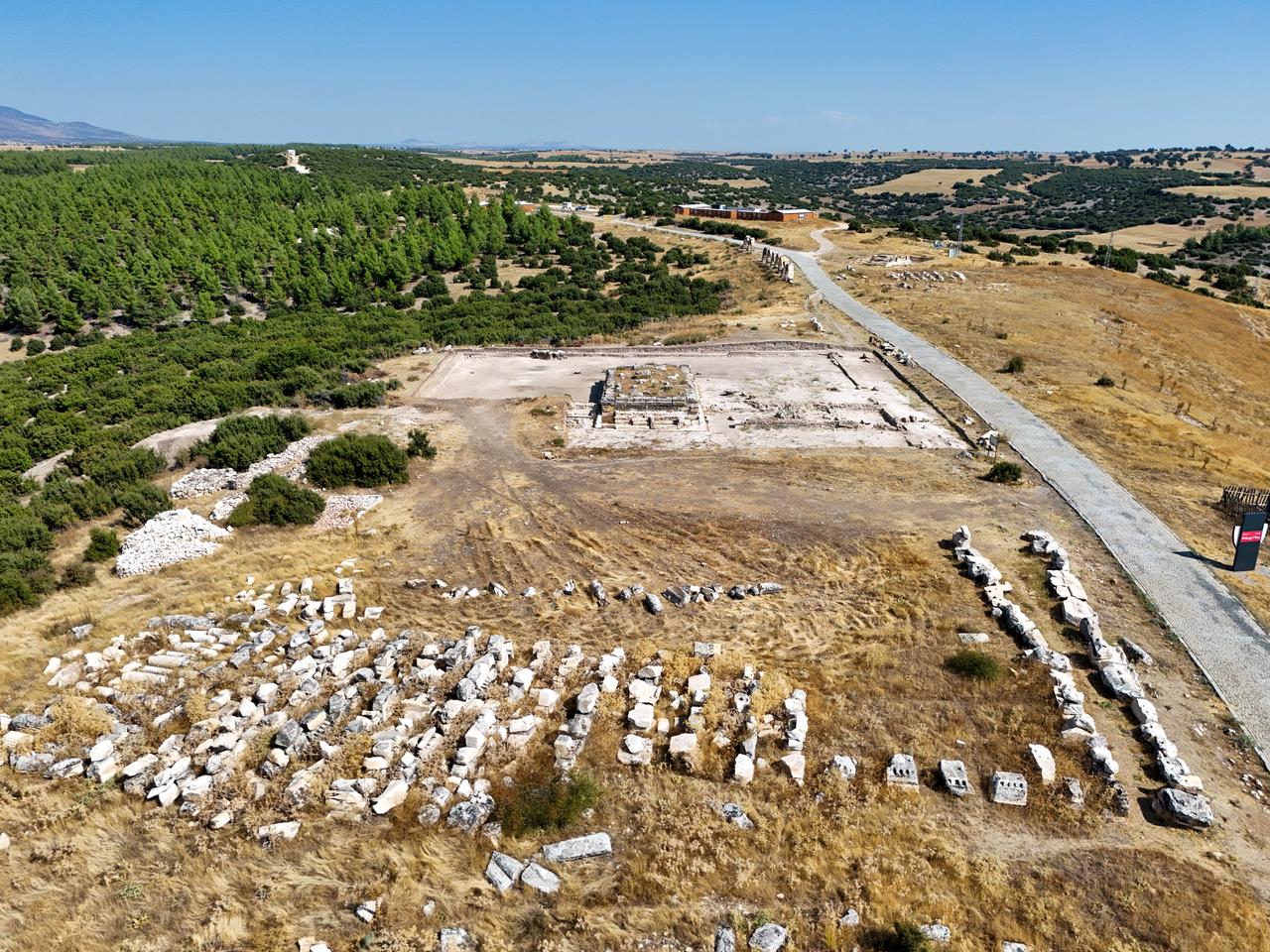
"This year, we focused our excavations on the North Temple at the entrance of the city. One of the most important issues here is the temenos wall, located at the outermost area of the temple. We uncovered the 250-meter-long temenos wall, built about 2,500 years ago. We also uncovered water lines inside the temenos wall that supplied water to the temple. In addition, we found Roman-period coins in the temple area. This shows that citizens who made offerings at the time dedicated their wishes along with coins thrown into the temple's foundation," Cavus said.
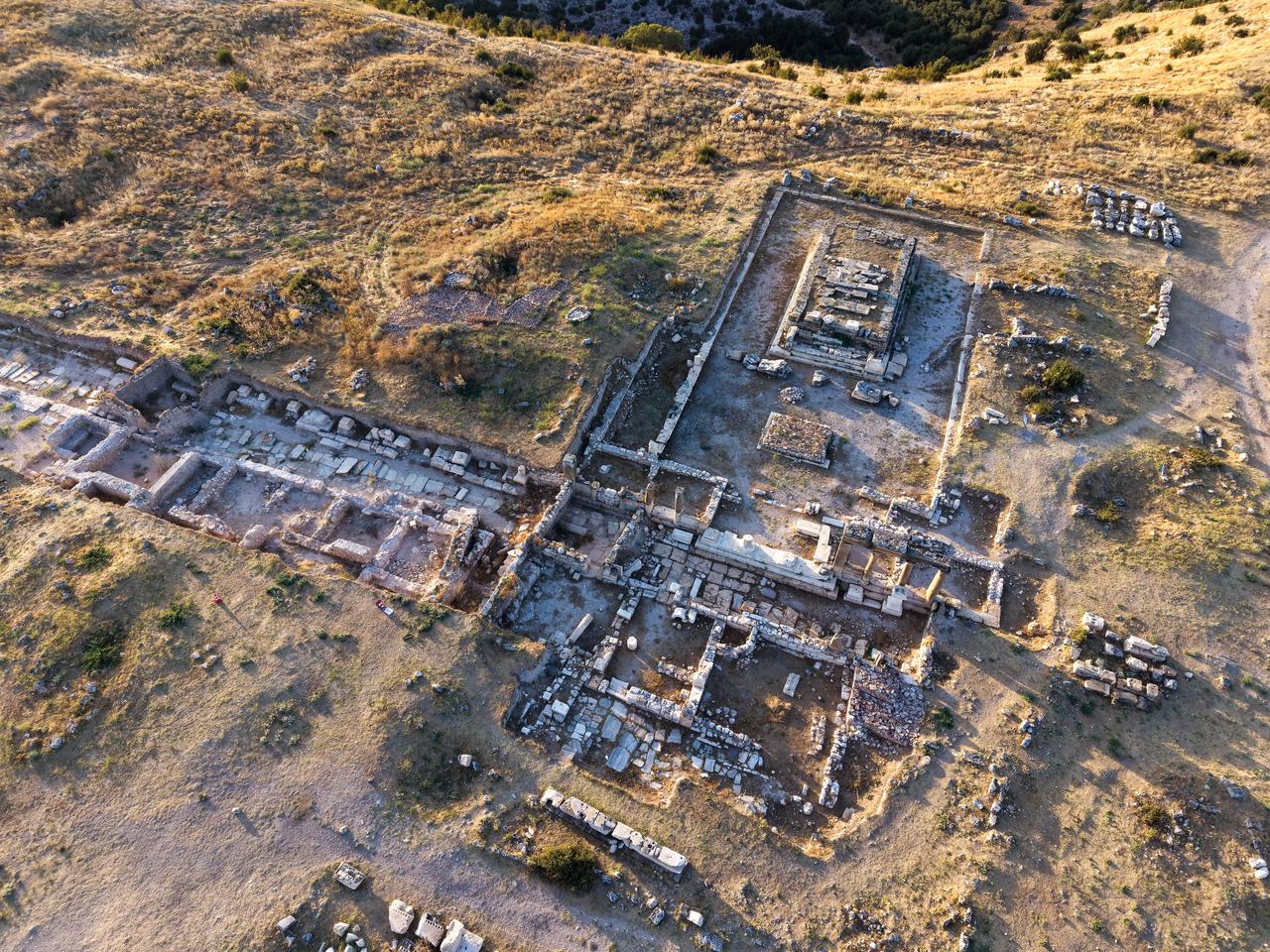
Cavus said the city was initially a garrison and that temples of this kind appeared later as civilians settled. He described the North Temple as one of the city's main centers and said the team has worked from the floor of the temenos to the area he called the naos, the temple's front section.
"The temenos wall actually separates the social area from the sacred area. Everything inside the temenos was sacred. All assets within it were considered property of the god or goddess and were dedicated to sanctity," he said.
Yavuz Cakar, Usak provincial director of culture and tourism, said the ancient city hosts about 350,000 domestic and foreign tourists each year, adding that the work at Blaundos is therefore important for tourism.


 Set as preferred source
 Set as preferred source



 1 min read