Newsletters


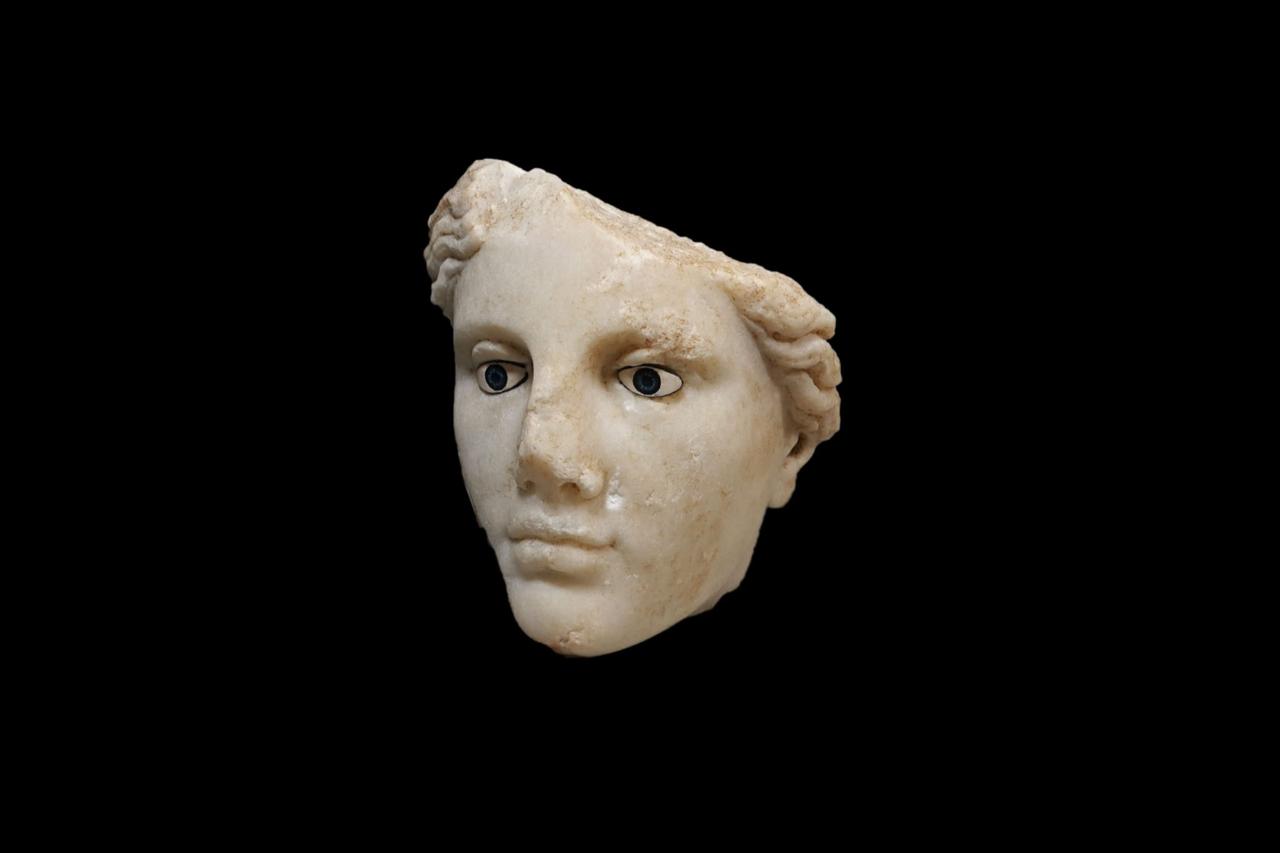


Archaeologists in the ancient city of Metropolis near Izmir have brought to light a marble sculpture head believed to date to the Hellenistic period, saying it may have belonged to a monumental statue of the goddess Hestia and may reshape how experts look at local craftsmanship in this era.
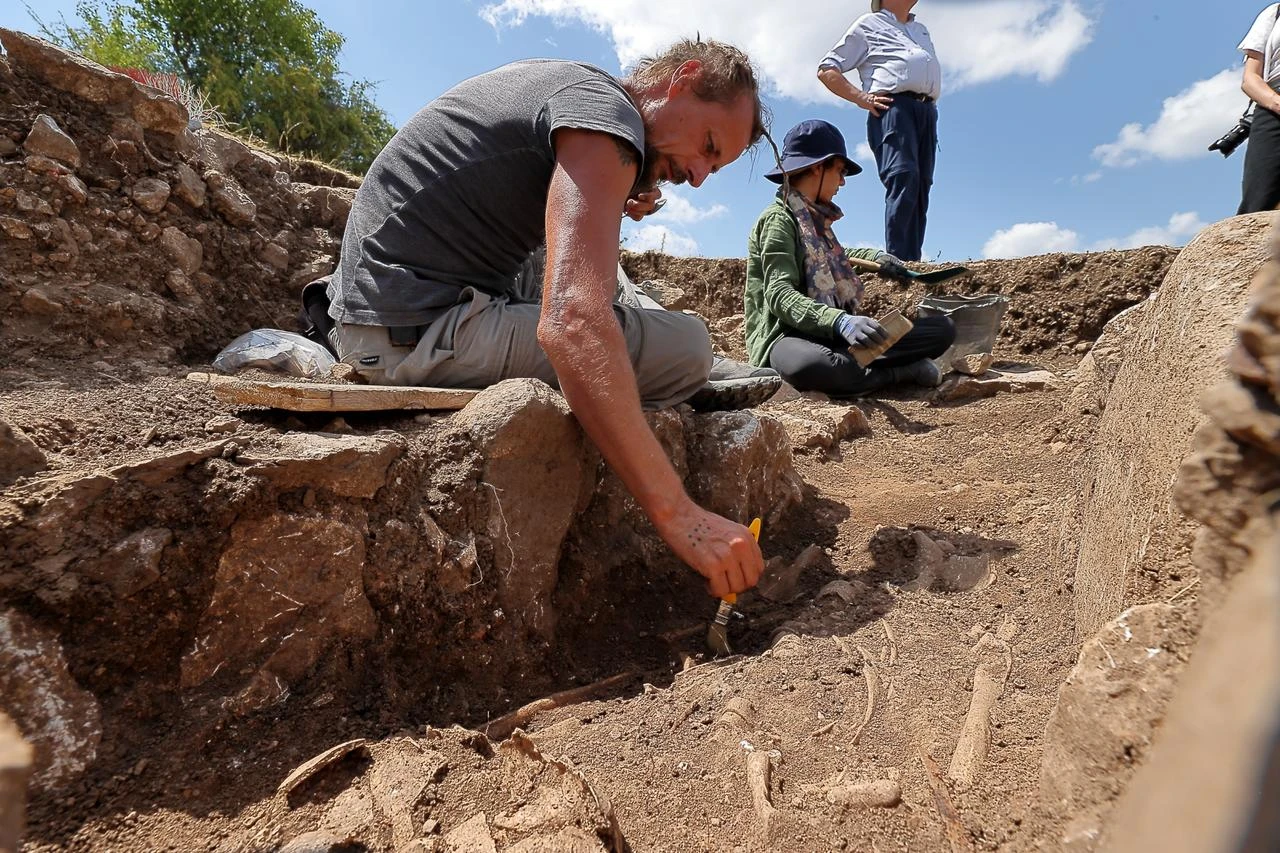
According to the Excavation Directorate, work in Metropolis, known as the “City of the Mother Goddess,” first began in 1989 and has been carried out since 2007 under the direction of Serdar Aybek from Dokuz Eylul University’s Department of Archaeology.
During this year’s campaign, the team uncovered the head of a marble statue of a goddess in an area identified as a commercial structure, adding a new piece to the complex puzzle of Metropolis’ public and economic life.
Aybek noted that the city, where the earliest settlement traces extend back to the Neolithic era, has long offered archaeologists a layered picture of western Anatolia’s past, and that the new find deepens this picture in a very specific way.
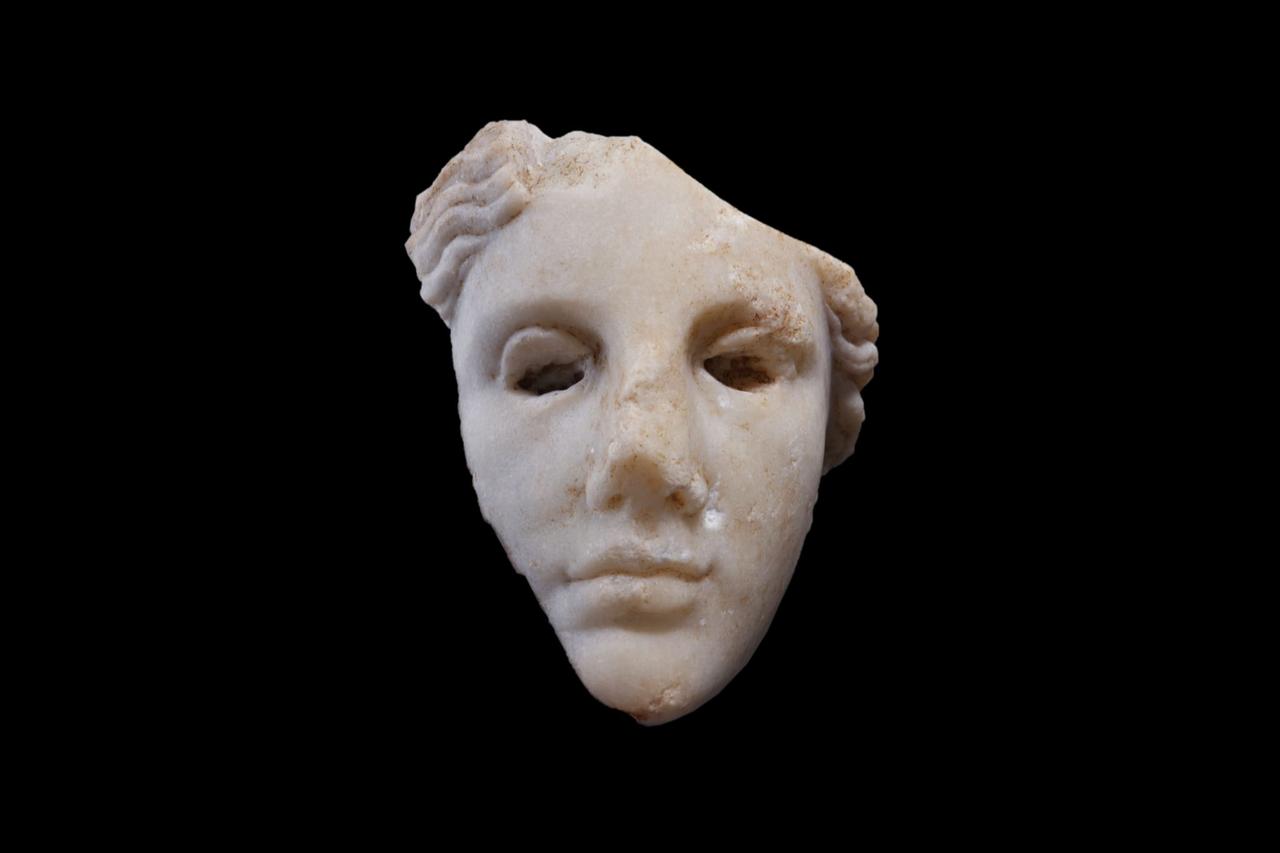

Aybek said the hair details, portrait features and the way two separately carved pieces join together without a break all point to the Hellenistic period. This era, he underlined, refers to a historical phase in Greek, Eastern Mediterranean and Middle Eastern lands that followed Classical Greece, stretching from the death of Alexander the Great in 323 B.C. to the death of Cleopatra VII in 30 B.C.
He explained that, after the head was carefully cleaned, the team noticed a deliberately carved cavity in the pupil area. This feature, he said, resembles Greek examples in which artisans later inserted colorful stones to create more vivid eyes, and it supports the Hellenistic dating suggested by the work's style.
According to Aybek, the dimensions of the head also provide important information about how sculptors in Metropolis worked during this time, since its scale offers clues about the size and ambition of the statues they produced.
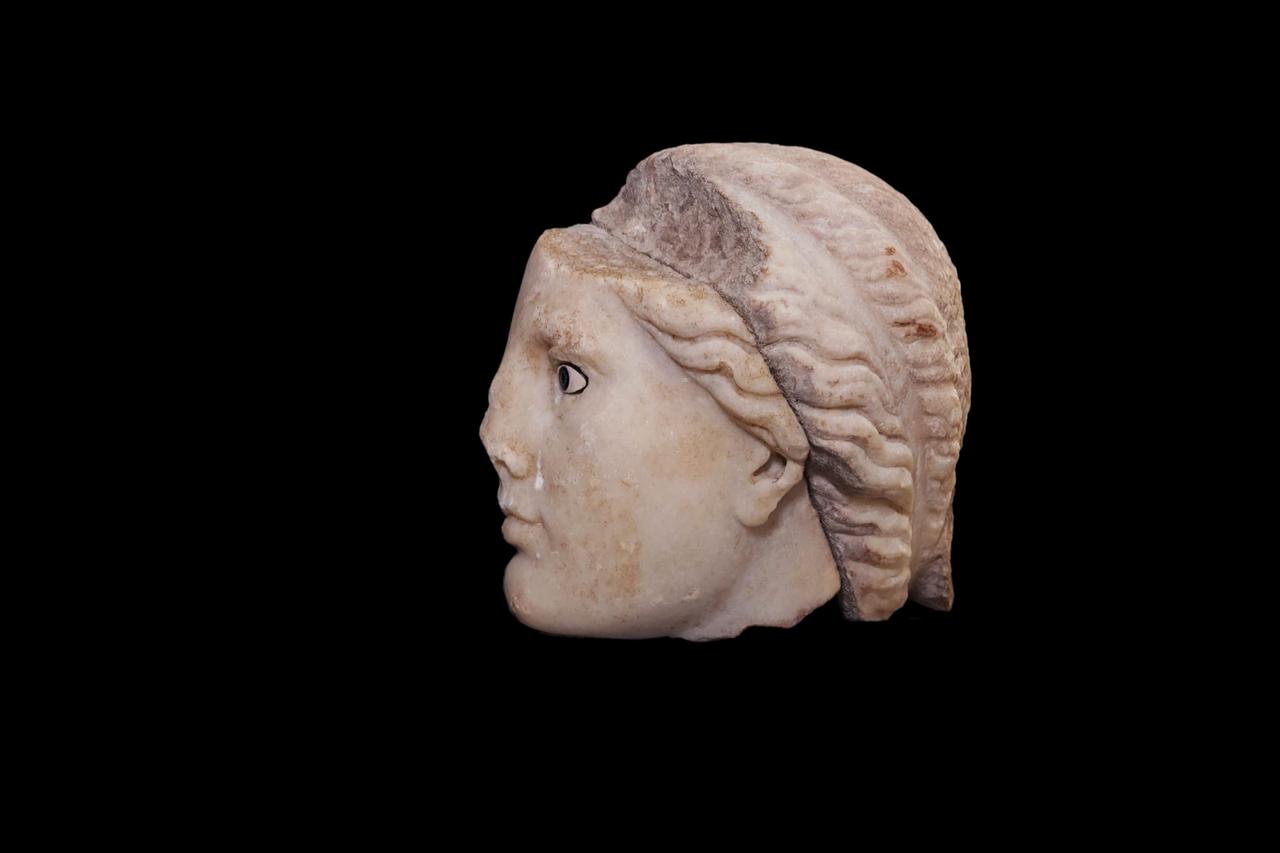
Aybek said the new find is believed to match, in terms of dimensions, a previously discovered Hestia torso from a building known as the Bouleuterion in Metropolis. He indicated that this similarity in scale suggests the marble head may originally have belonged to that torso and that the two fragments together may once have formed a monumental statue of the goddess.
While further study will be needed to confirm the connection, the possible reunion of the head and torso would, he suggested, help researchers better understand how religious imagery and civic architecture came together in the city during the Hellenistic period.
The Excavation Directorate underlined that work at Metropolis continues with the support of the Sabanci Foundation, within the framework of the Culture and Tourism Ministry’s “Heritage for the Future” Project.
Archaeologists said the ancient city, whose history reaches back to the Neolithic era but flourished in the Hellenistic and later periods, continues to reveal new finds that allow experts to trace how local communities expressed their beliefs and identities through sculpture and monumental architecture.
They added that the discovery of the marble goddess head, potentially linked to Hestia, stands out as a key example of how ongoing excavations in Metropolis keep bringing new dimensions of the city’s artistic heritage to light.


 Set as preferred source
 Set as preferred source


 3 min read