Newsletters




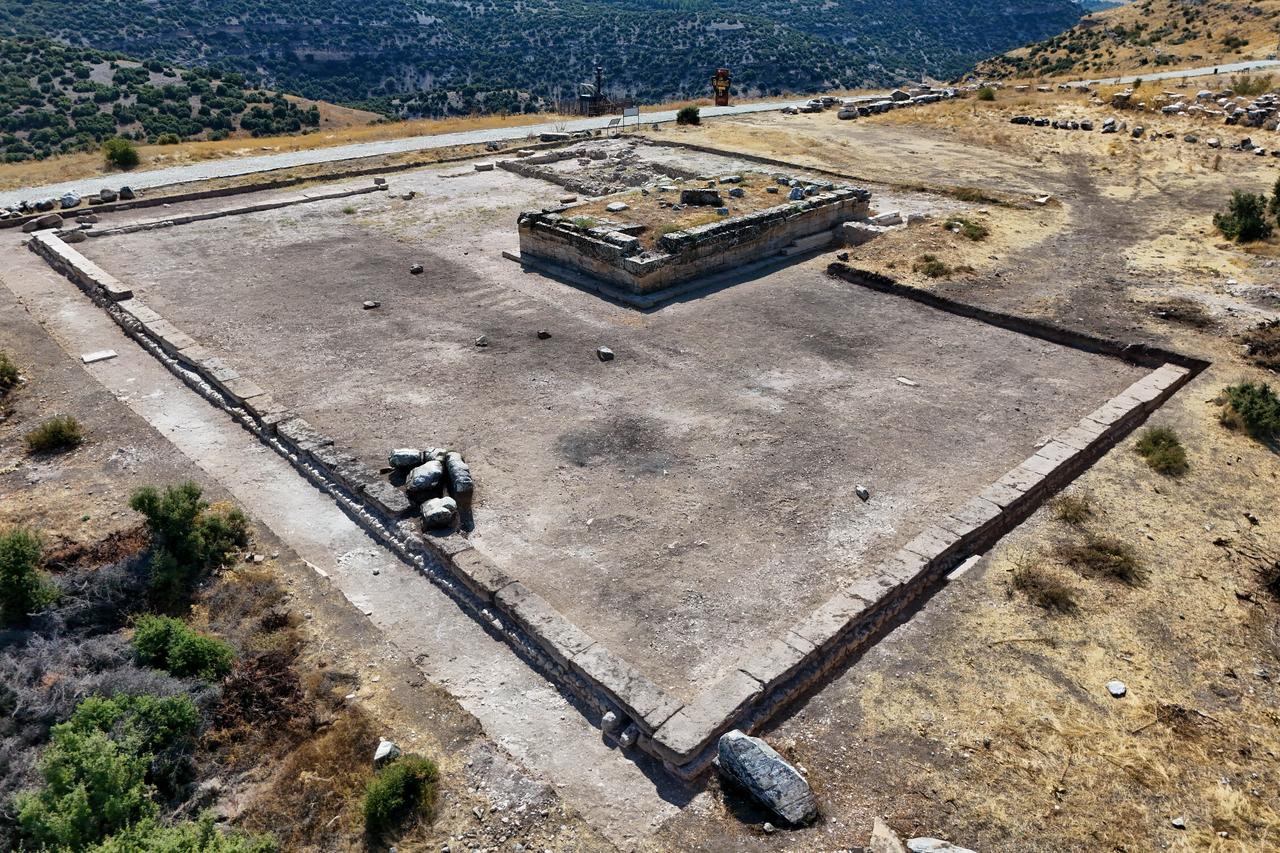
Diriyah, set in an oasis-like area right alongside the desert belt of the Arabian Peninsula, used to be known for its adobe houses, date palm groves, and the lively Salwa Palace. Over the centuries, the area has stood at the heart of migrations, uprisings, and sweeping shifts. Now, on these striking lands, the seeds of something new are being sown once again.

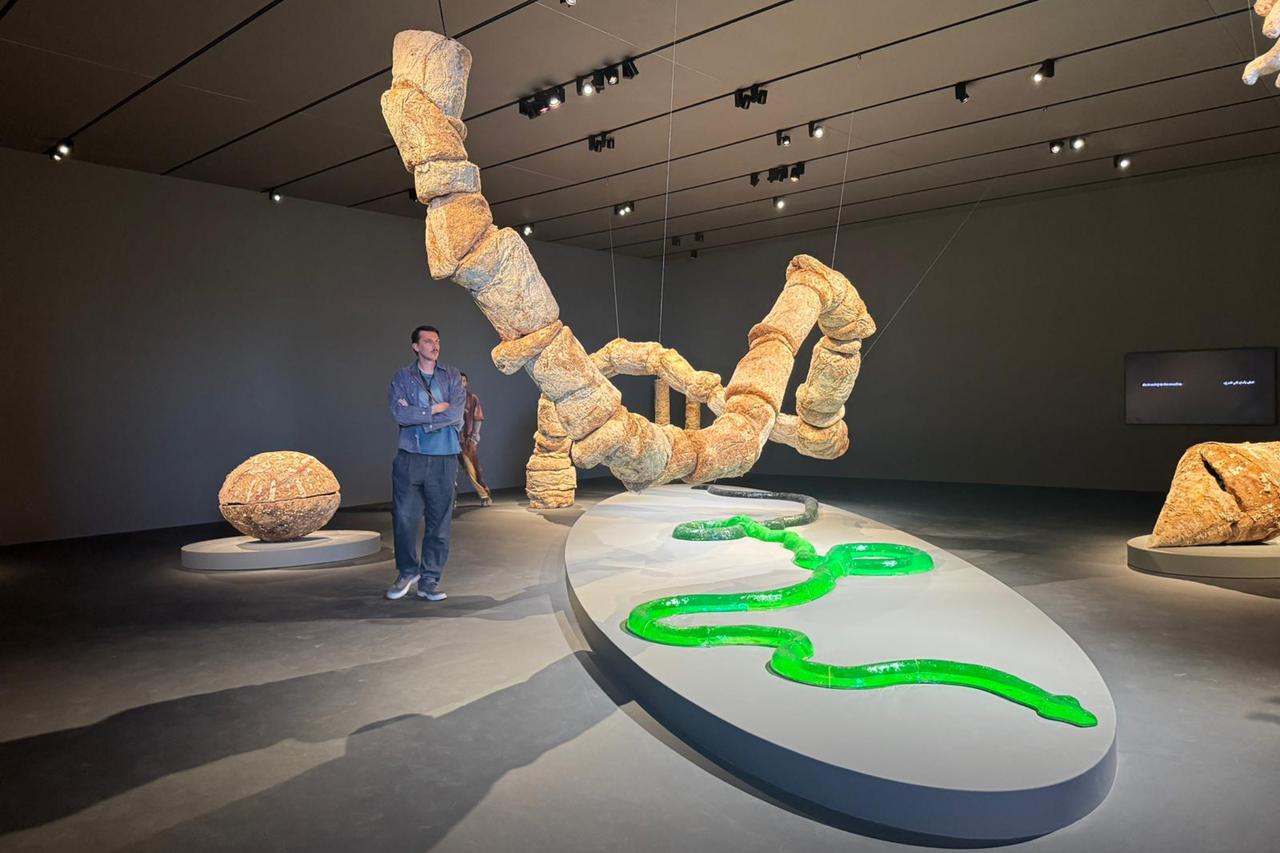
Saudi Arabia’s much-talked-about push for change has not only played out in tourism and technology, but has also been carried over into the arts. As part of that broader drive, Diriyah Contemporary Art Biennale has opened its doors in Riyadh’s JAX District, welcoming visitors for the third time this year.
Bringing together 65 artists from 37 countries, including Türkiye, the biennial draws on long-standing traditions from across the Arab world.
Held near the historic Turaif area, which is on the UNESCO World Heritage List, the biennial is being put on under the theme “In Interludes and Transitions.”
The works on display are largely shaped by inspirations taken from migration and the culture of nomadic communities. Running until May 2, the biennial calls on us to rethink a world that is constantly on the move.
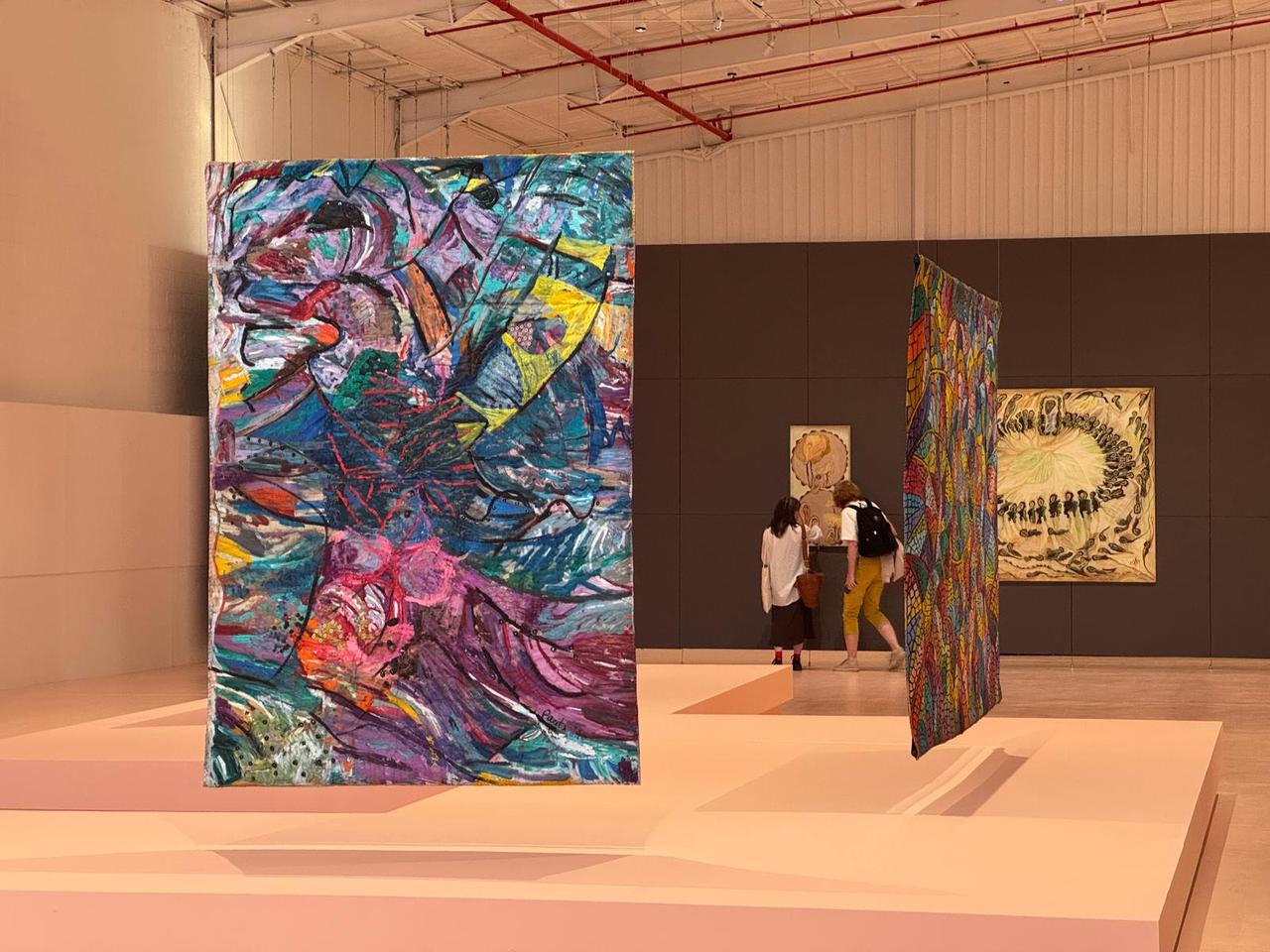
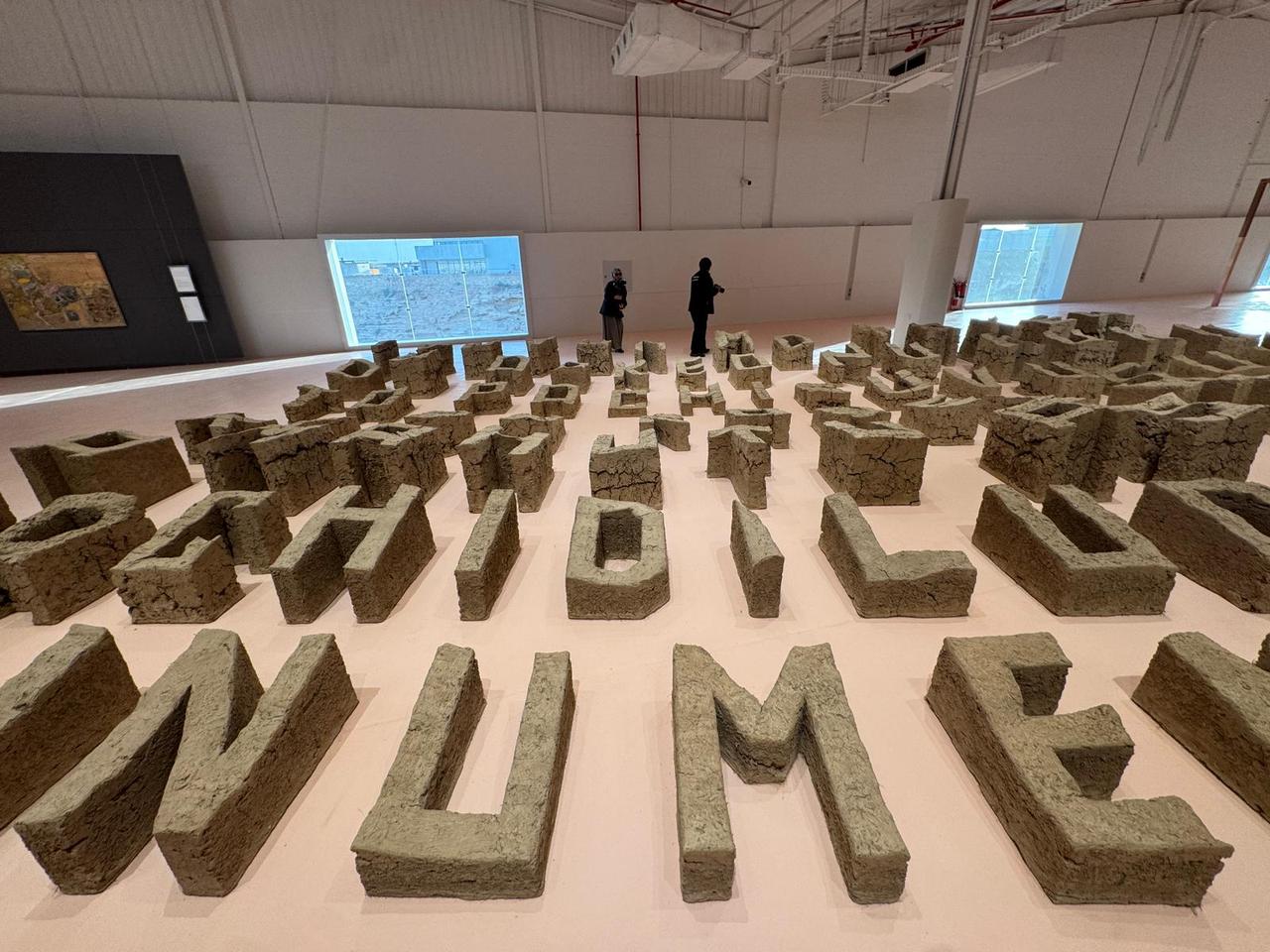
As you walk through the exhibition spaces, you cannot miss the presence of works that dazzle and draw visitors in. For instance, French artist Theo Mercier confronts us with four massive sculptures in his piece titled “Infinity House,” made by compressing desert sand. These works bring together elements of nature alongside industrial components, thereby pointing up a world reshaped by human hands.
Croatian artist Ivana Franke, meanwhile, draws visitors into a space where almost nothing can be seen beyond a moon-like light source and the nets it lights up. The result nudges viewers toward contemplation, leaving questions hanging in the air, such as: “Is it possible to see the truth only through the optic nerves?”
U.S. artist Yussef Agbo-Ola features in the biennial with a strongly architectural work created from local bricks and various fabrics. Through it, he pays tribute to elders, holding them up as guiding sages.
Ecuadorian artist Oscar Santillan takes part with an unusual work that answers art lovers’ conversations with sound, laying bare the material foundations of an artificial world.
Works by Turkish artists Merve Ertufan and Muge Yilmaz can also be seen here.
However, at the Diriyah Contemporary Art Biennale, the approach is to stay as far away as possible from current political developments.
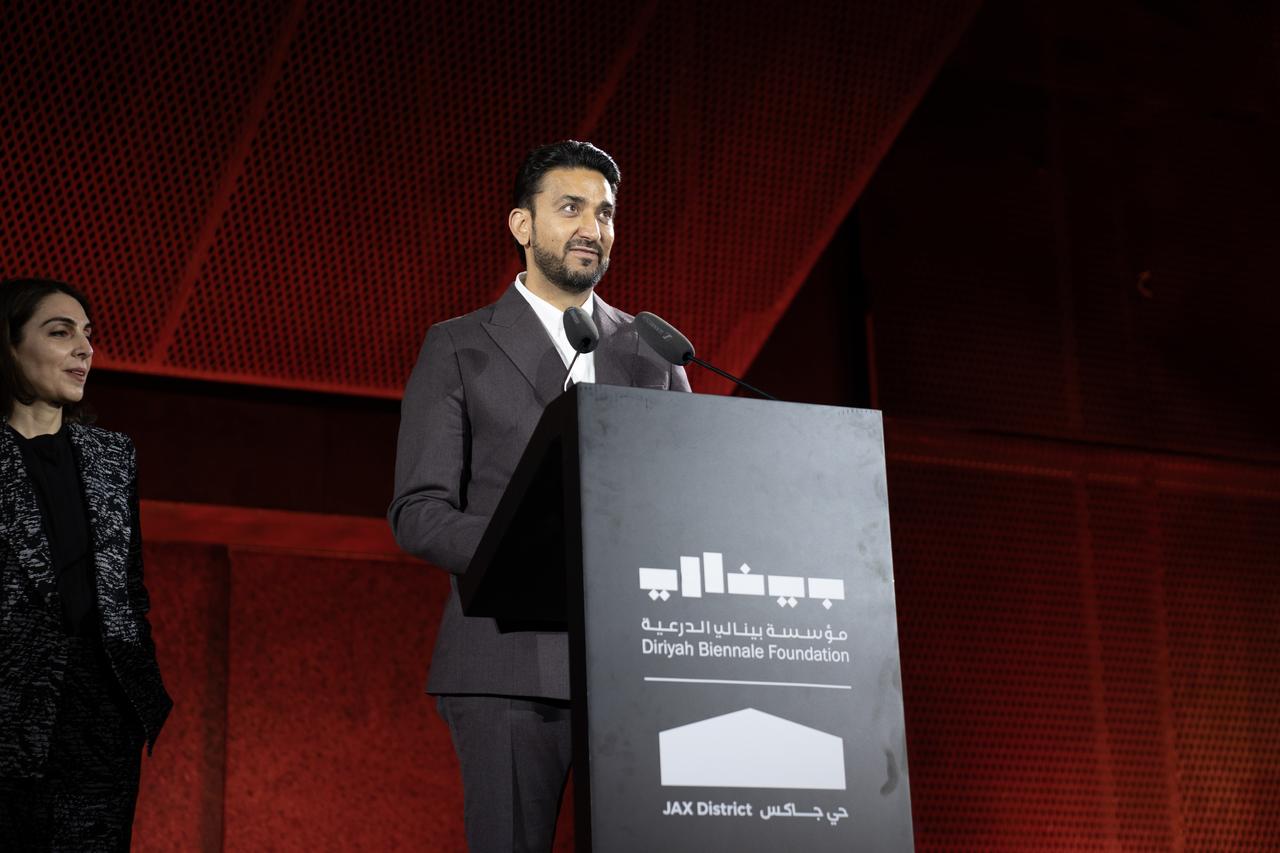
At the opening, the biennial’s co-artistic director Sabih Ahmed stressed the idea of a “procession,” looking out from a region where billions of tons of cargo are carried over the seas each year. Arguing that some concepts inherited from the past no longer manage to explain today, Ahmed said we can make sense of the processes unfolding around us through art works that are both beautiful and deep.
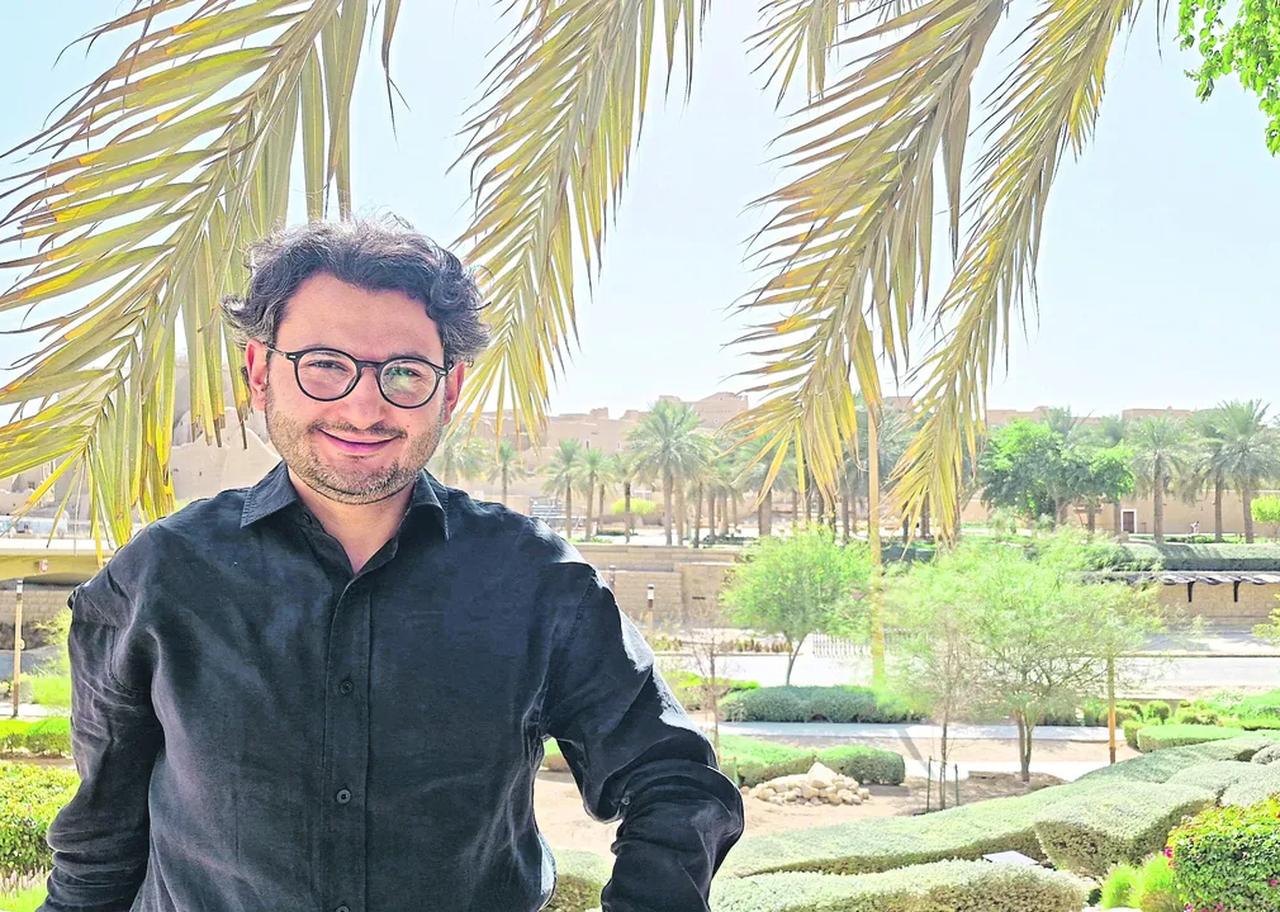
In short, the 3rd Diriyah Contemporary Art Biennale, organized by the Diriyah Biennale Foundation, is turning the art world’s gaze toward the Arabian Peninsula these days. Beyond that, the activities of institutions such as Diriyah Art Futures and Misk are also drawing attention. Whether this artistic momentum, strengthened by a widely discussed and debated new drive for change in the region, will hold up over time and where it will head next is something only time will tell.


 Set as preferred source
 Set as preferred source


 3 min read