Newsletters


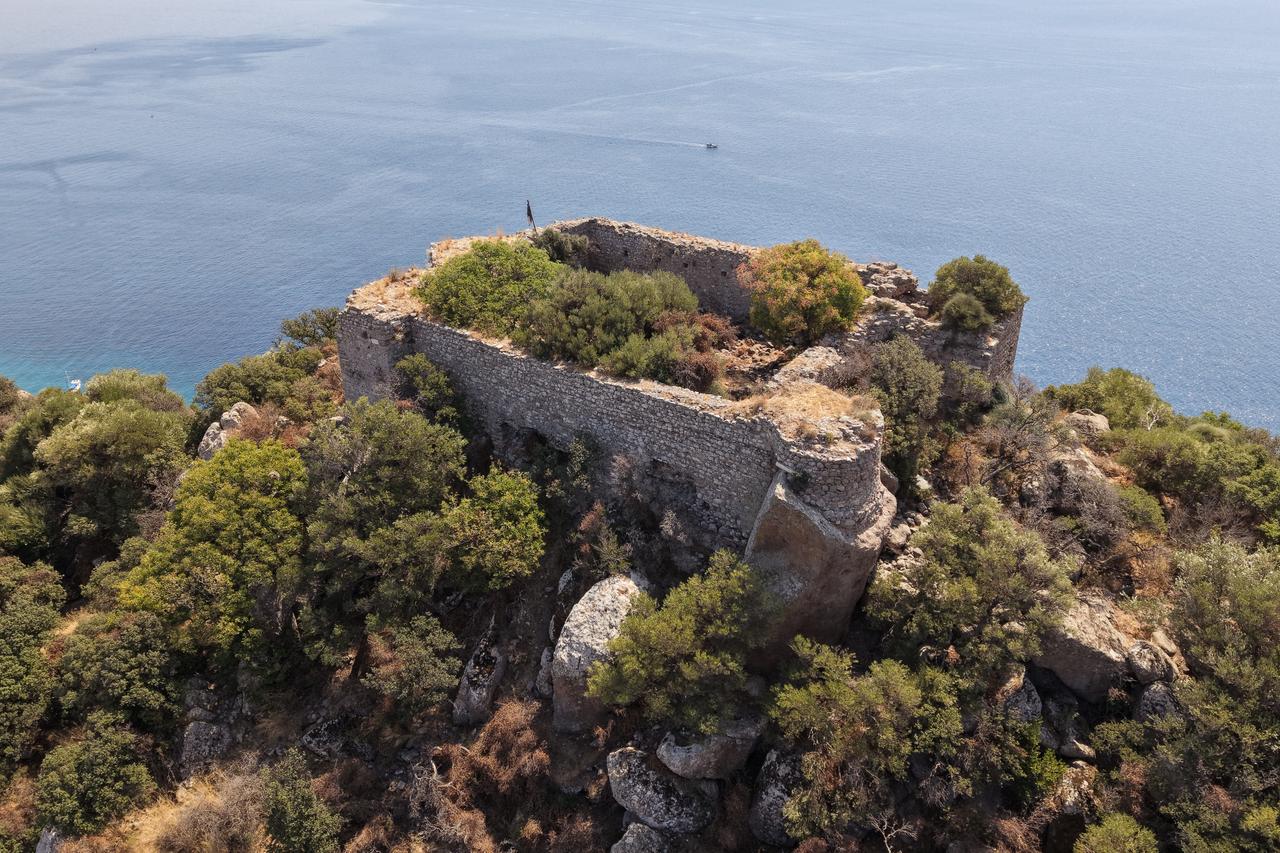


Aspat Kalesi, a fortress rising on the southwestern edge of the Bodrum Peninsula in Türkiye's Mugla province, stands between the coves of Akyarlar and Bagla as one of the region's most significant historical landmarks, carrying traces of multiple civilizations across thousands of years.
Built atop a steep rocky outcrop overlooking the deep blue waters of the Aegean Sea, the fortress offers visitors an open-air museum, with a history stretching from antiquity through the Byzantine era, the Mentese Beylik period, and into Ottoman rule.
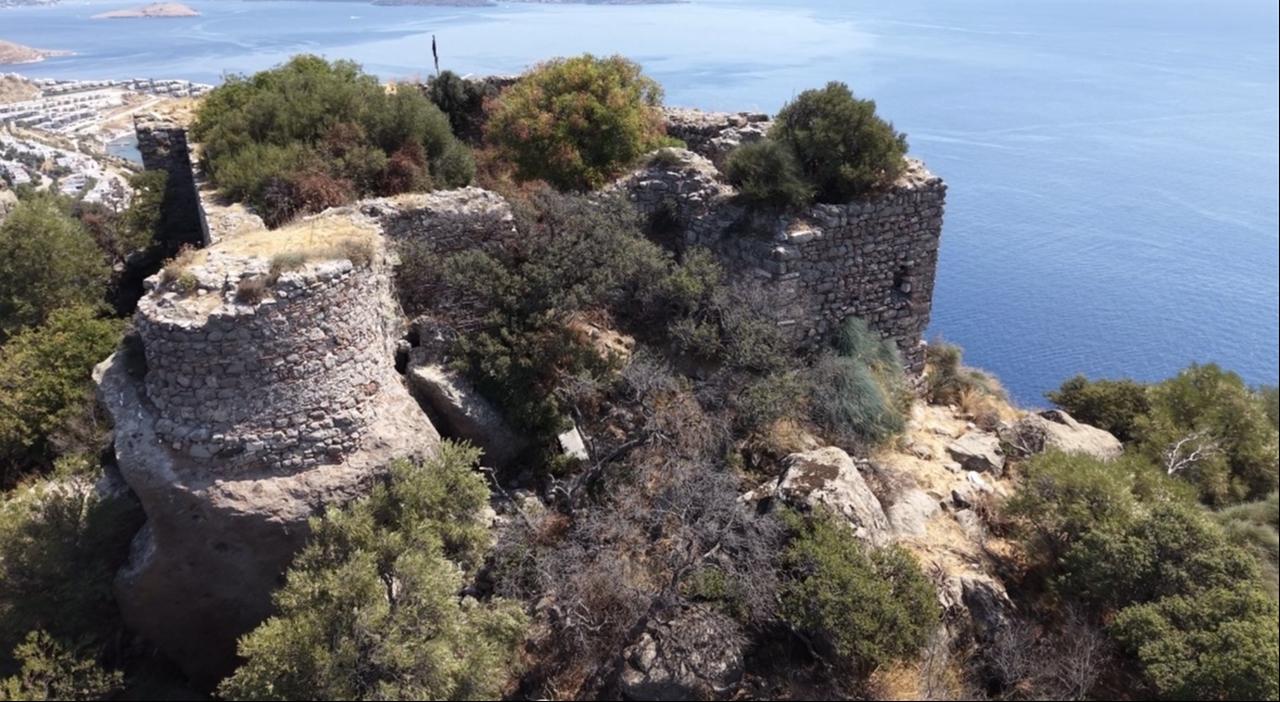

Archaeological research suggests the area known as Aspat served as an important port settlement in antiquity. The region is believed to have functioned as the harbor for Termera during the Early Iron Age, before becoming a significant settlement and defense center known as Strobilos during the Byzantine period.
The fortress retained its strategic importance throughout the Middle Ages and continued to be used during the Mentese Beylik period.
Ottoman-era sources referred to the structure under various names, including "Asbat," "Azpat" and "Usput." While its military significance diminished over time, the site retained its role in maritime transport for an extended period.
Ottoman traveler Evliya Celebi visited the region in the 17th century and documented the fortress in his writings, noting that ships anchored in the harbor below the rock-top structure and that a nearby freshwater source served as an important supply point for sailors.
Locally known as "Cifit Kalesi," the fortress and its surrounding ruins continue to reflect the imprint of the different civilizations that once occupied the site.
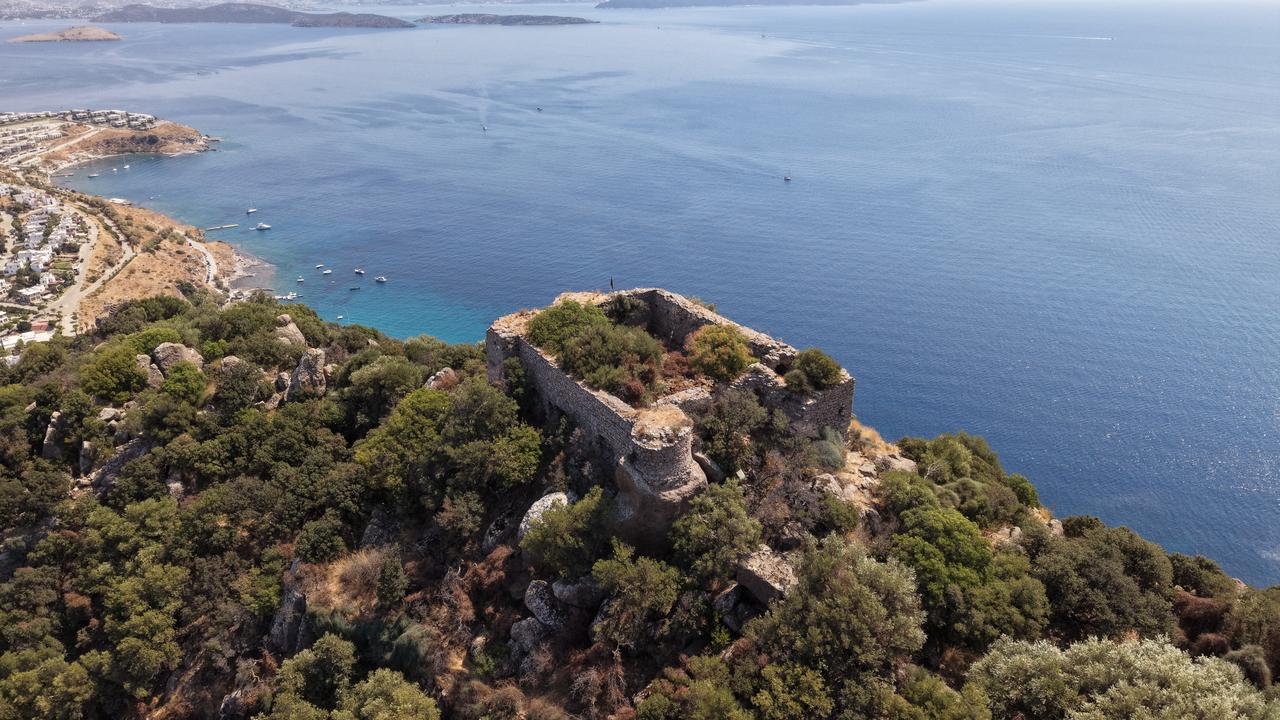
Beyond its historical significance, Aspat's name has also been preserved through generations via "Cokertme," one of the best-known folk songs of the Mugla region. In the song, "Aspat" refers to this stretch of Bodrum's coastline.
Linked to events around Bodrum and Milas and to the story of Halil Efe, the song has become an enduring part of the region's cultural memory.
Visitors to the site can take in the natural scenery of the Aegean coast while also seeing firsthand the history and geography referenced in the song.
Yasar Yildiz, former director of Bodrum Castle and an underwater archaeologist, said the fortress, built on a steep, conical hill between Bagla and Akyarlar, holds major historical significance for the region.
He noted that the fortress is known to have been used by the Leleges people in the seventh century B.C., and that the structure, whose plan falls between a square and a rectangle, still retains corner towers to this day.
Yildiz explained that various civilizations used the fortress across different periods. Referring to past cleaning and excavation work, he said examinations indicate that the area known as Azmak served as the port of the ancient city of Termera.
He added that the strategic structure, also known as Strobilos, was actively used during the Seljuk, Byzantine and Ottoman periods, and that smugglers seeking to communicate with the island of Kos reportedly lit fires at the site for surveillance and signaling purposes in the late Ottoman era.
Yildiz pointed out that the site's steep terrain makes access difficult and said the fortress should be made more accessible to visitors.
He added that the location could be developed for nature sports and cultural tourism, noting that easier winter access could support efforts to bring the historic site into the tourism sector for enthusiasts of both fields.


 Set as preferred source
 Set as preferred source


 1 min read