Newsletters





Seattle police refuse to reopen the 1994 death investigation of Nirvana frontman Kurt Cobain, despite a new forensic report that claims his death was a homicide.
Cobain died on April 5, 1994, at age 27, from what authorities ruled was a self-inflicted shotgun wound at his Seattle home. The King County Medical Examiner concluded he died by suicide using a Remington Model 11 20-gauge shotgun.
This week, officials reaffirmed that position.
“Our detective concluded that he died by suicide, and this continues to be the position held by this department,” a Seattle Police Department spokesperson said, as reported by the Daily Mail.
The King County Medical Examiner’s Office also stated that it has “seen nothing to date that would warrant reopening of this case and our previous determination of death.”
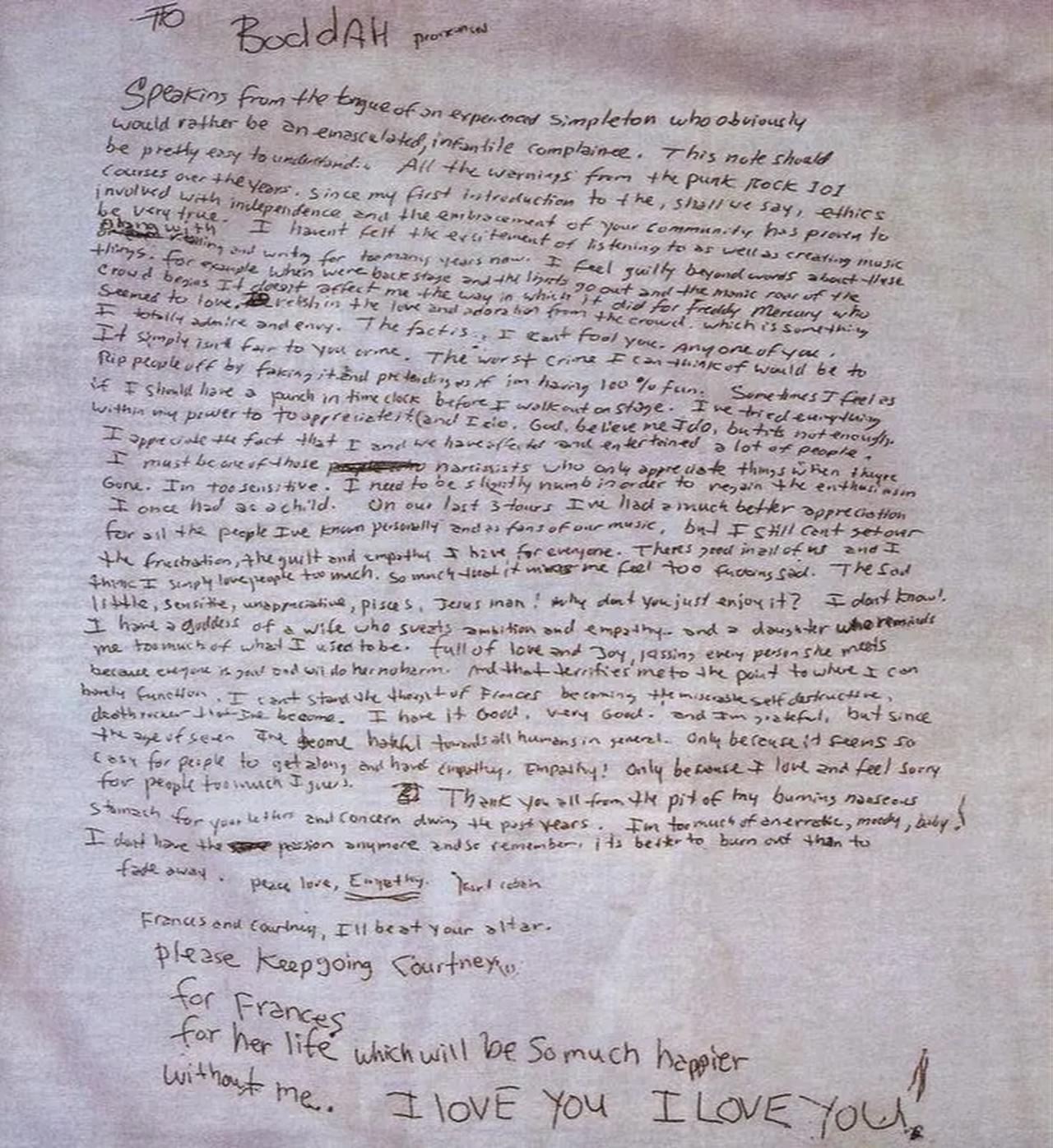

An unofficial private sector team of forensic scientists recently reexamined Cobain’s autopsy and crime scene materials.
The group worked with veteran forensic specialist Bryan Burnett and independent researcher Michelle Wilkins.
According to Wilkins, Burnett reviewed the evidence and concluded within days: “This is a homicide. We’ve got to do something about this.”
The team published a peer-reviewed paper in the International Journal of Forensic Sciences. The report outlines ten points of evidence that, they argue, contradict a rapid gunshot death.

Their main claims include:
The group claims Cobain may have been incapacitated by a lethal dose of heroin before being shot. They argue the scene was staged to resemble a suicide, with the weapon and note placed afterward.
Wilkins said the team is not calling for arrests but for a formal reexamination of the evidence. “If we’re wrong, just prove it to us. That’s all we asked them to do.”
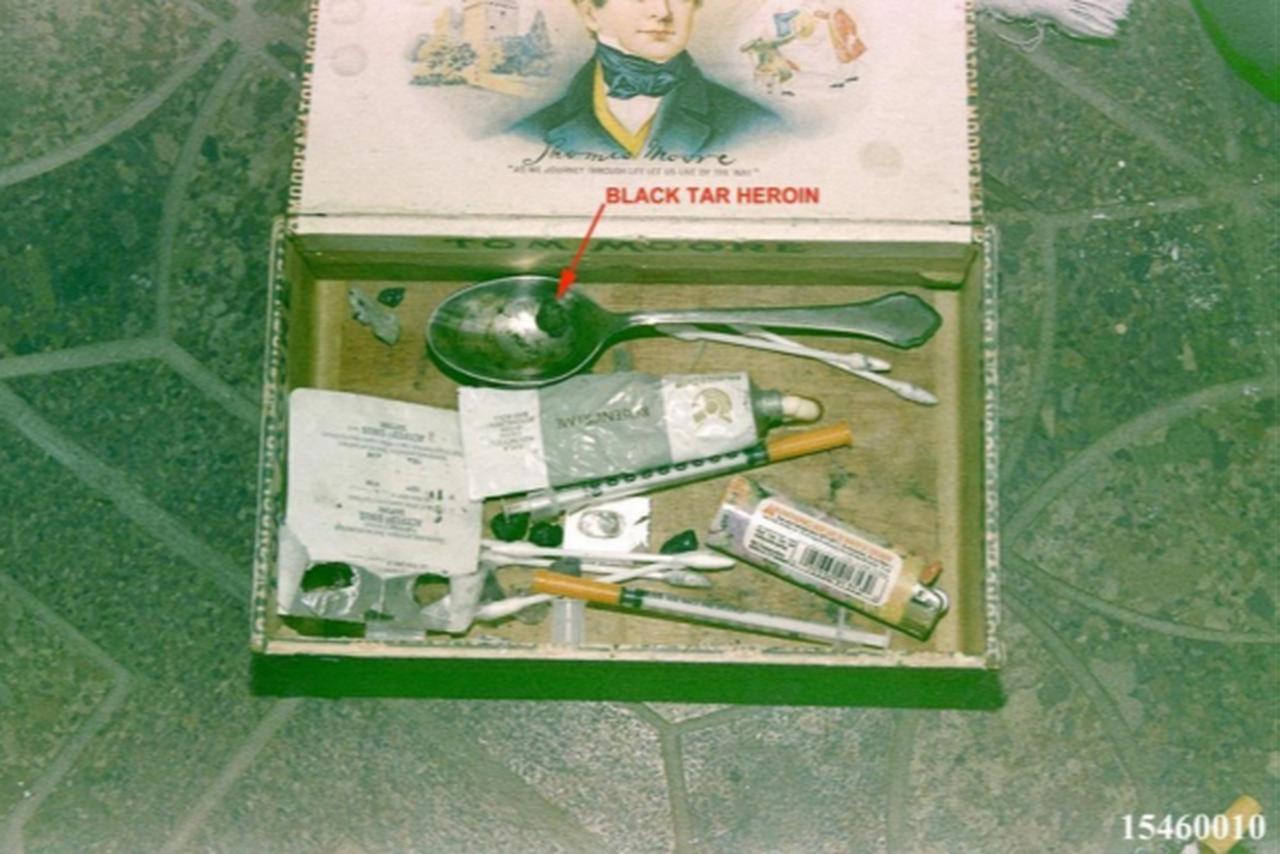
Seattle police and the King County Medical Examiner have declined requests to reopen the case.
A spokesperson for the medical examiner said the office conducted a full autopsy and followed all procedures at the time.
Officials added they remain open to revisiting conclusions if new evidence emerges, but said they have not seen material that meets that threshold.
Cobain’s death was officially determined three days after his body was found in a greenhouse above his garage on April 8, 1994. Toxicology reports at the time showed high levels of heroin and traces of sedatives in his system.
The renewed debate has resurfaced decades after the musician’s death and has reignited public discussion around one of rock music’s most scrutinized cases. For now, however, local authorities maintain that the case remains closed.


 Set as preferred source
 Set as preferred source



 2 min read