Newsletters


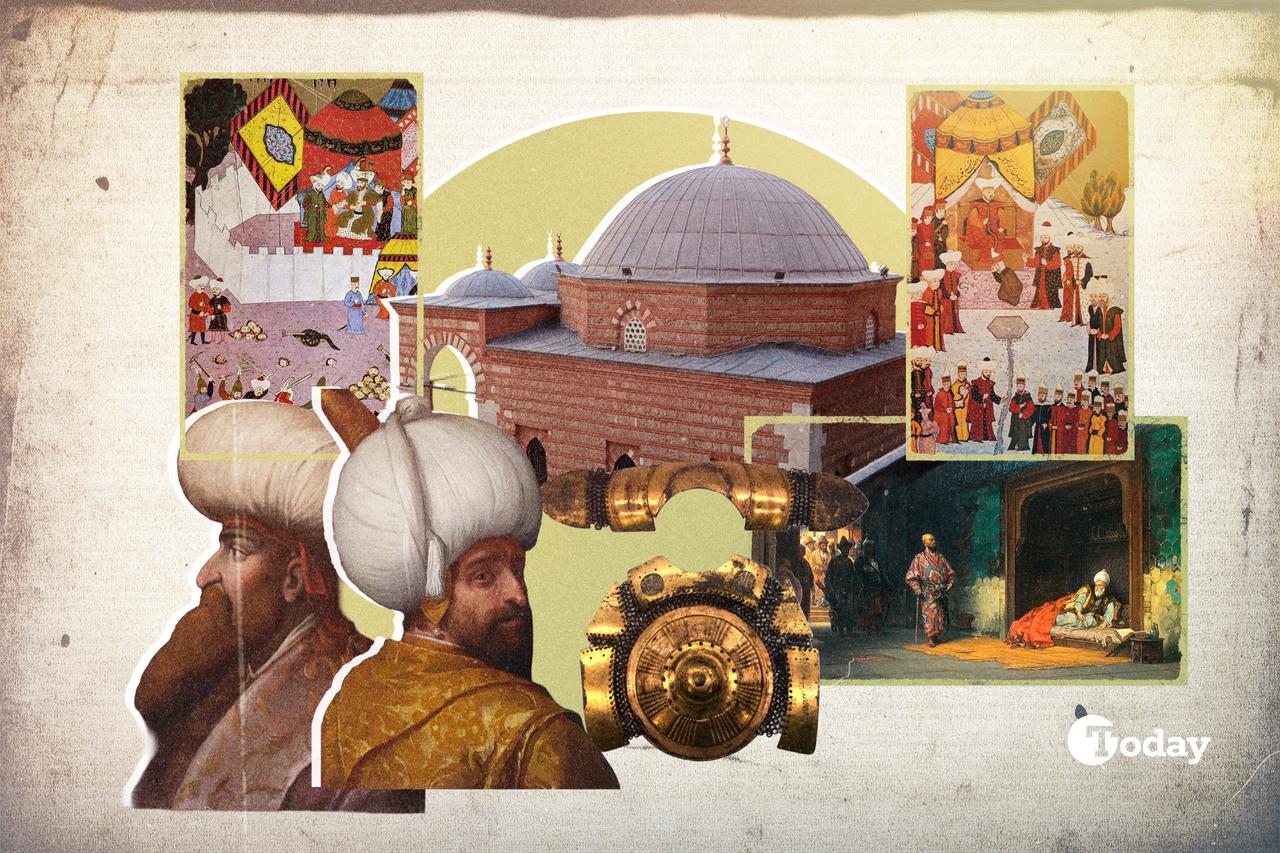


History has a way of whispering its secrets–if you listen closely…
It was with great reluctance that Sultan Bayezid I broke camp beneath the walls of Constantinople, withdrew his army, and turned east. He yearned to taste the sweetness of the Red Apple, the Ottoman symbol of the ultimate conquest, the capital of the Eastern Roman Empire, yet for now it remained just beyond reach.
Following his father’s victory at the Battle of Kosovo, the Balkans were subdued, and most of the Anatolian beyliks were forced into submission. Bayezid now dreamt of fulfilling the Prophet Muhammad’s (pbuh) prophecy and being the commander to conquer Constantinople, but that moment would have to wait. He could not allow his nemesis, Emir Timur, the feared warlord of the east, to attack and plunder the Anatolian heartland.
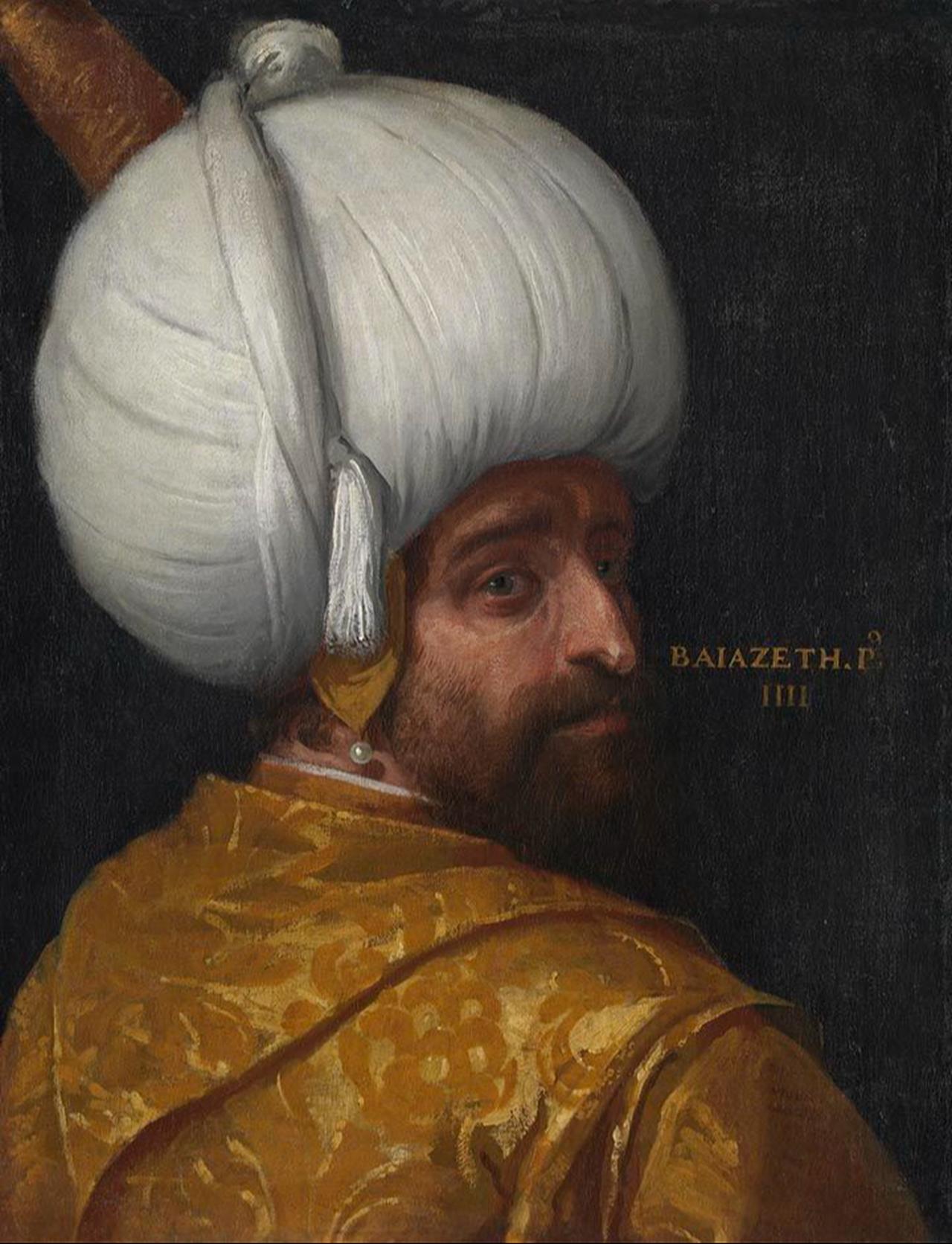

It was the height of summer, yet the army marched toward Ankara at a punishing pace. Day after day, the land rolled away behind the advancing column, throats burned, dust rose in choking clouds, and the sun bore down without mercy as Bayezid drove his men onward. Sweat beaded on the sultan’s brow beneath his steel helmet, sunlight glinting off the gilded motifs and Quranic verses that adorned it. The weight of the iron chainmail and breastplate pressed upon him as he shifted in the saddle, no longer as strong and agile as he had once been.
Speed had always been his greatest weapon. He moved faster than his enemies could gather, struck before alliances could form, and overwhelmed resistance with swift efficiency. It was this quality—decisive, impulsive, and instinctive—that had earned him the epithet Yildirim.
The Thunderbolt.
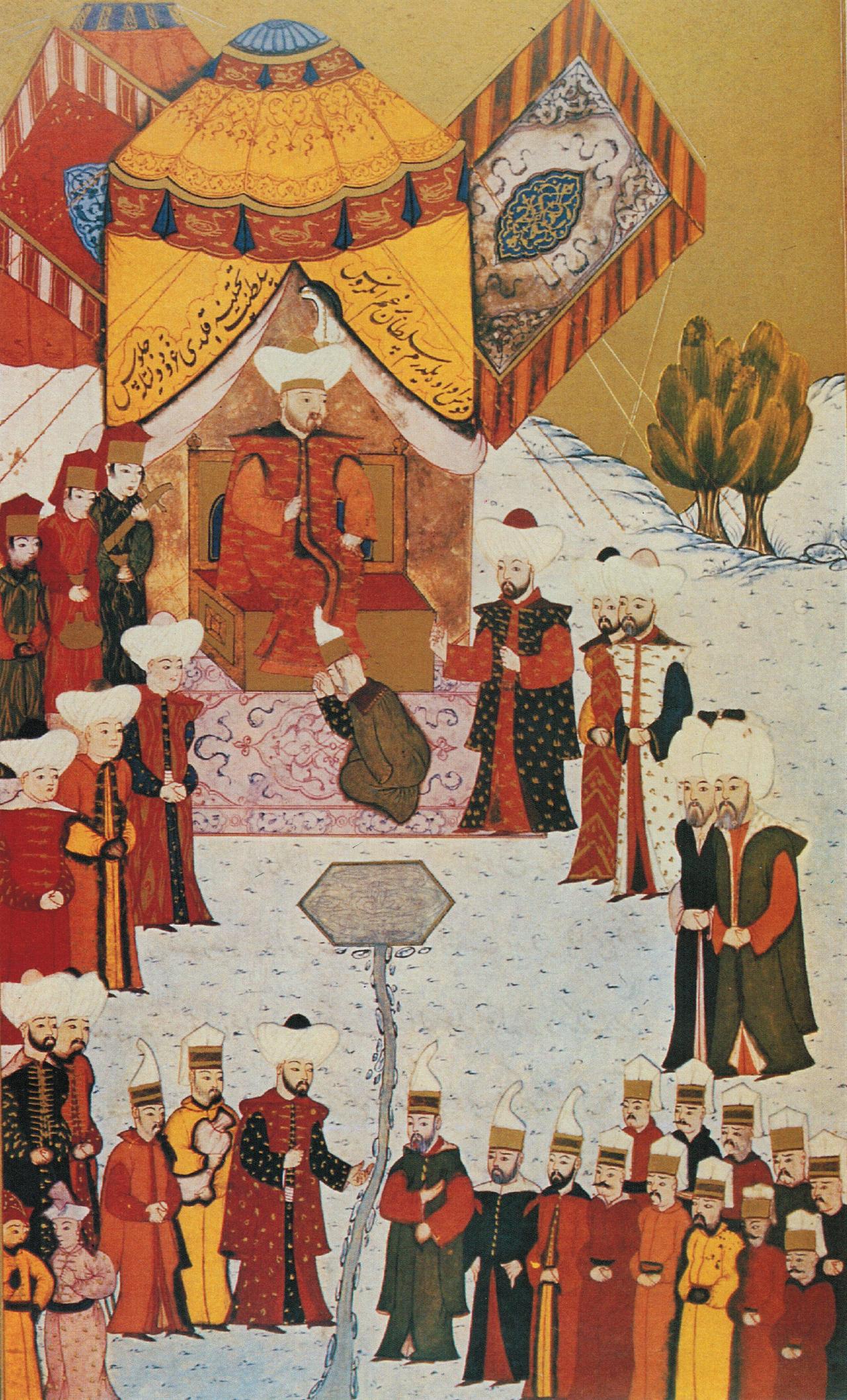
To the steady drum of hooves and the tramp of marching feet, Bayezid’s thoughts drifted back to another campaign, one fought many summers earlier alongside his father, Sultan Murad Hudavendigar. They had ridden against his sister’s ambitious husband, the Bey of Karaman, to the plains outside Konya.
That day, Bayezid fought with fierce, instinctive brilliance. He surged forward relentlessly, pressed hard, and then … crack … descended upon the enemy like lightning ripping through the sky—sudden, flashing, and impossible to parry. His actions were daring, even reckless to some, yet devastatingly effective, breaking through the enemy lines in a single violent manoeuvre. Murad watched as his son seized fleeting opportunities on the battlefield that others hesitated to take, striking swiftly, decisively and always to his advantage.
What impressed the sultan most was not his son’s courage, but the lightning speed with which the young prince acted. And according to sources, when victory was his, Murad bestowed upon Bayezid the name that would follow him into history.
Yildirim.
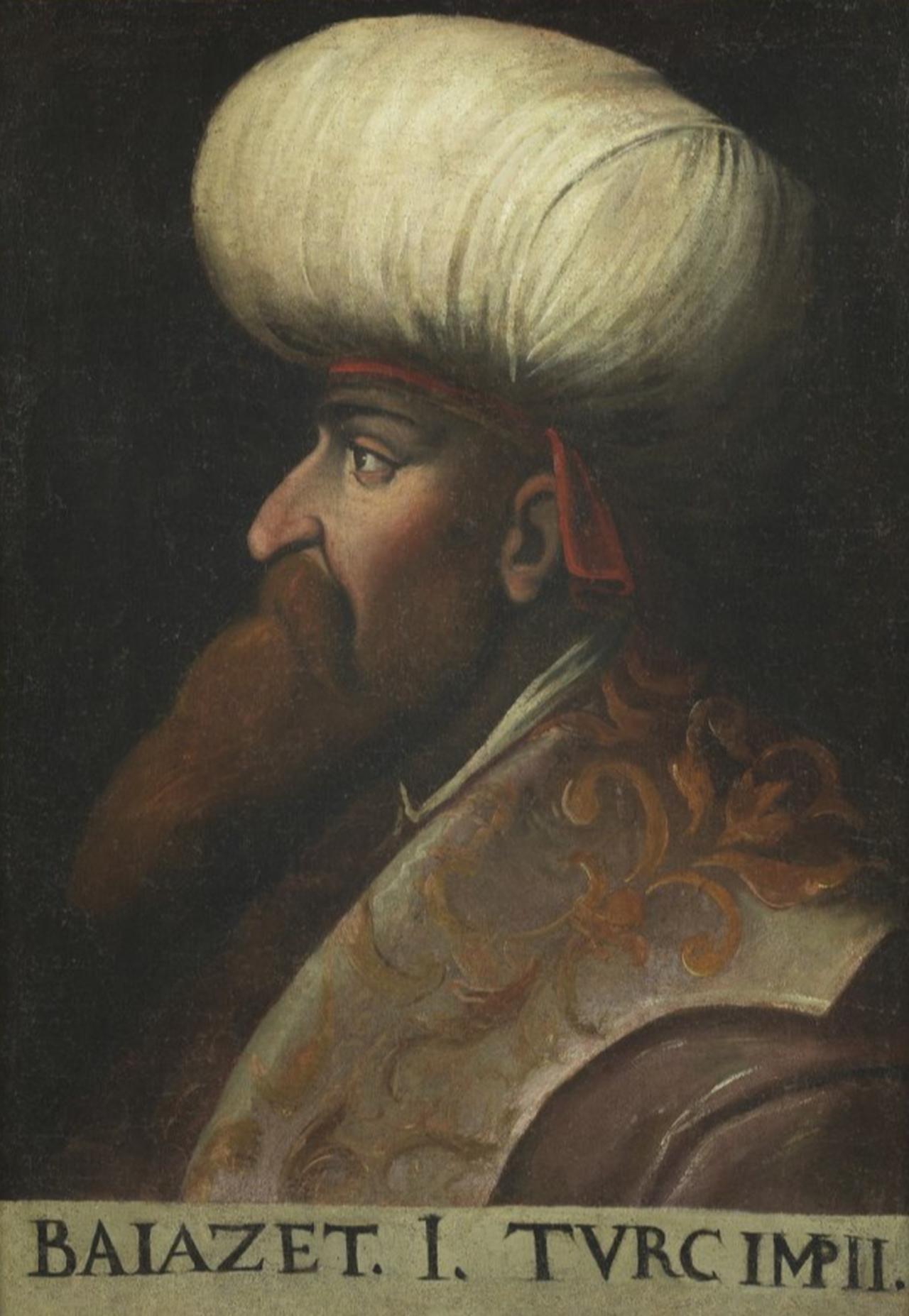
From that moment on, Bayezid dominated the battlefield as quickly and impetuously as he rode towards it.
On the field of Kosovo, the instant news reached him of his father’s assassination, he acted. Bayezid seized the throne and ordered the execution of his younger brother, Yakub, who had commanded the left flank of the Ottoman army during the battle. It was a brutal but decisive act, one that secured his position.
With his authority established, his reputation spread as fast as his armies marched, and the name Yildirim ceased to be an epithet and became an omen.
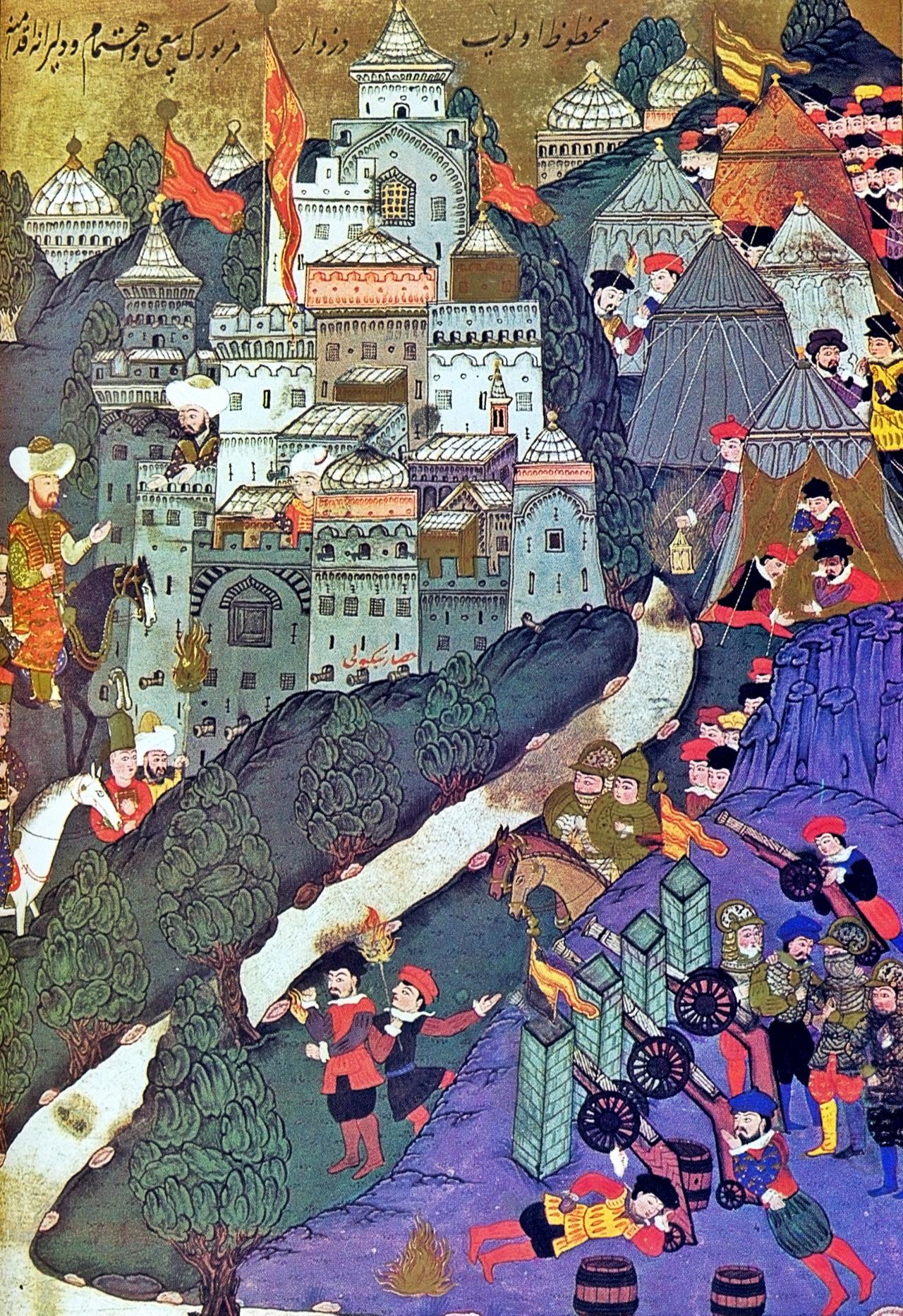
In 1396, he inflicted a crushing defeat on the Crusader army at Nicopolis, consolidating Ottoman dominance in Rumelia. No European army now dared raise arms against the Ottomans. In Anatolia, Bayezid moved just as adeptly, subduing the fractious Turkic beyliks, and bringing their lands, including those of Karaman, under Ottoman sovereignty. Constantinople was besieged repeatedly, its fall imminent, and the longed for prophecy close to fulfilment.
Then came reports from the east. In 1400, Timur had invaded Sivas and sacked the city.
Characteristically, Bayezid reacted immediately. He suspended the siege of Constantinople and marched to confront his enemy. He trusted his instincts. They had never failed him before.
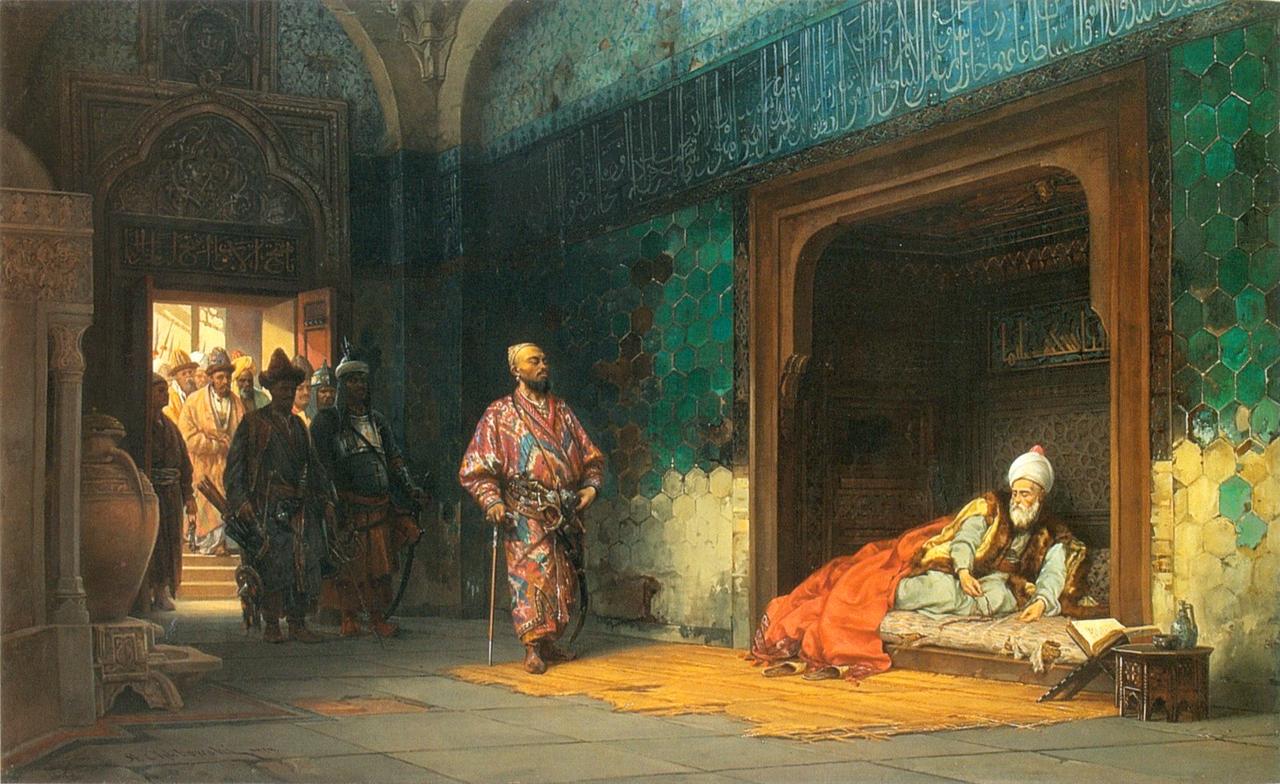
Bayezid would never return from Ankara. His fate was not to fulfil the Prophet Muhammad’s Conquest hadith, “Constantinople will surely be conquered. What a wonderful commander will that commander be, and what a wonderful army will that army be,” and conquer Constantinople.
His decisiveness, his impulsiveness, the very instincts that had earned him the epithet Yildirim, betrayed him at the last. At Cubuk Plain, on July 28, 1402, his exhausted army faced a rested enemy. The thunderbolt was brought to ground. The storm was over.
Bayezid would die in captivity, a prisoner of Timur. Yet he is not remembered as a passing storm, but as a powerful force of nature. During his short reign, the territory of the Ottoman state almost doubled in size, much of Turkic Anatolia was united, Ottoman power in Rumelia was consolidated, and the foundations were laid to ensure the conquest of Constantinople.
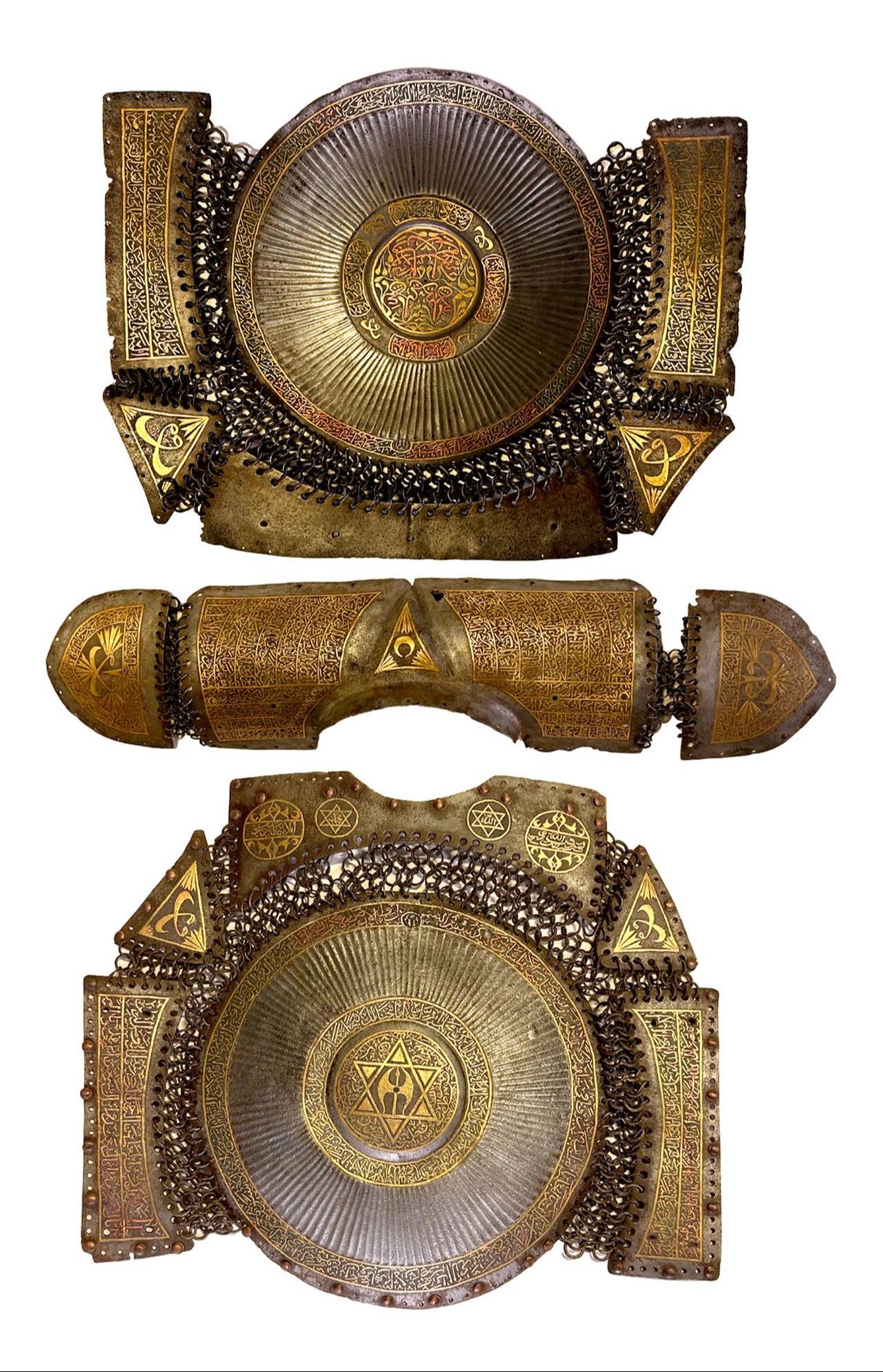
If you would like to encounter Yildirim Bayezid for yourself, to gain a sense of the impetuous warrior sultan he was, you might like to visit the Hisart Living History and Diorama Museum in Istanbul.
In one of the exhibition halls dedicated to Ottoman armoury, in a brightly lit display cabinet, lies a breastplate and arm guard that once belonged to Sultan Bayezid. The worked steel has darkened with time, the gilded decoration and sacred verses no longer glint in the sun as they once did when Bayezid wore them, but they still whisper their secrets.
Stand here for a moment, and the man begins to emerge. This armor was functional, made for speed—for a sultan who led from the saddle and struck before his enemies could react. In its dented steel lies the trace of a soul as blinding and untamed as a “Thunderbolt,” and through these artefacts, the story of a life lived at full charge is told.
Perhaps that is why they still hum, charged with electricity, centuries later.
Until we meet again in the next “Sultan’s Salon” …


 Set as preferred source
 Set as preferred source



 1 min read