Newsletters


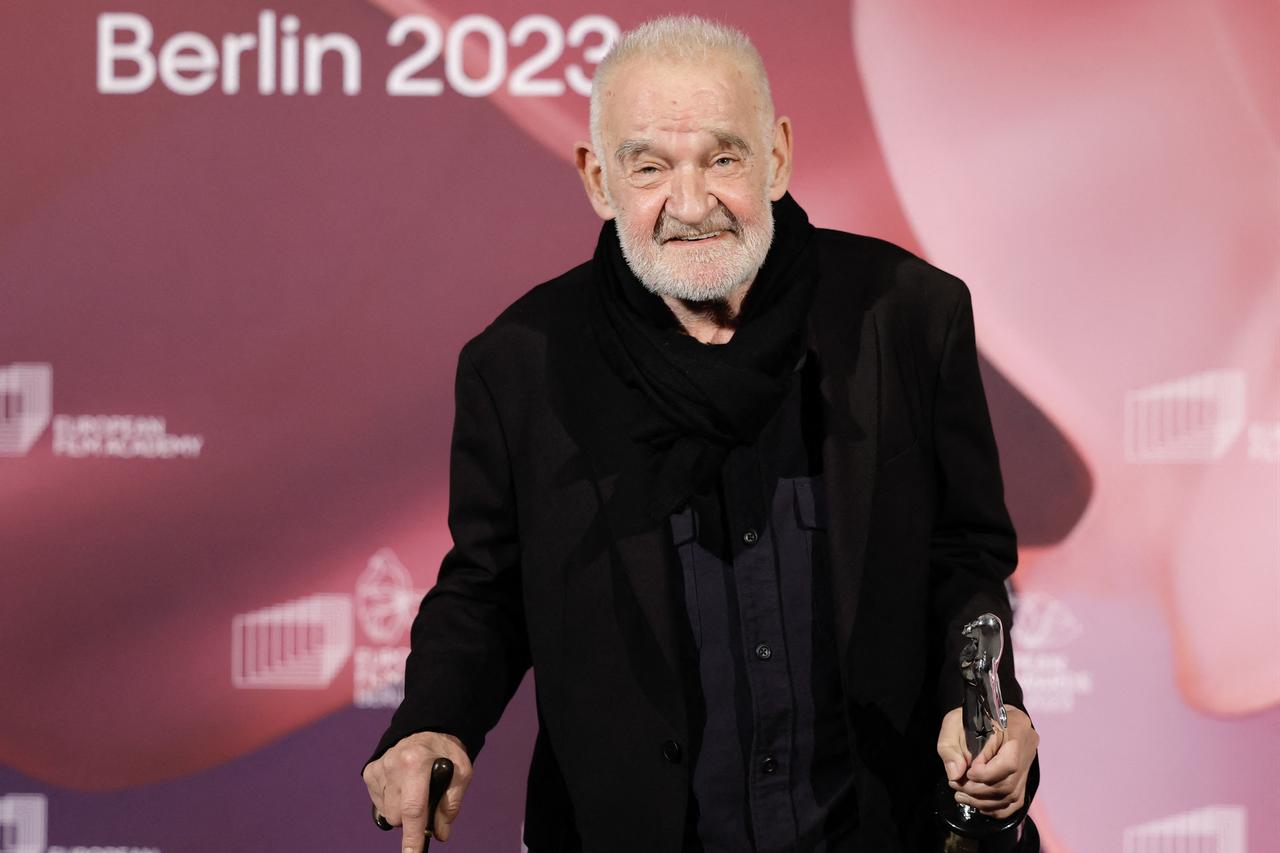


Legendary Hungarian filmmaker Bela Tarr, widely associated with long, unbroken takes and monochromatic films set against bleak landscapes, has died aged 70, according to Hungary’s national news agency MTI. The report cited a statement by director Bence Fliegauf made on behalf of Tarr’s family, while local news site Telex carried the same message, saying he died early Tuesday morning after a long and serious illness.
Tarr was best known internationally for “Satantango” (1994), a seven-hour film that followed the collapse of communism in Eastern Europe and the material and spiritual decline that came with it. The film was adapted from a novel by Hungarian writer Laszlo Krasznahorkai, a frequent collaborator whose work shaped several of Tarr’s key projects.
Born in 1955 in Pecs, a university town in southern Hungary, Tarr began making films as an amateur at 16 using a camera given to him by his father. He later joined the Bela Balazs Studio, described as Hungary’s leading experimental film studio, which helped him put together his first feature, “Family Nest” (1977).
His work later moved into internationally recognized territory. Tarr made “Damnation,” described as the first Hungarian independent feature film, and it was screened at the Berlin International Film Festival in 1988. Co-written with Krasznahorkai, the film also marked the start of what the source described as their long collaboration and friendship.
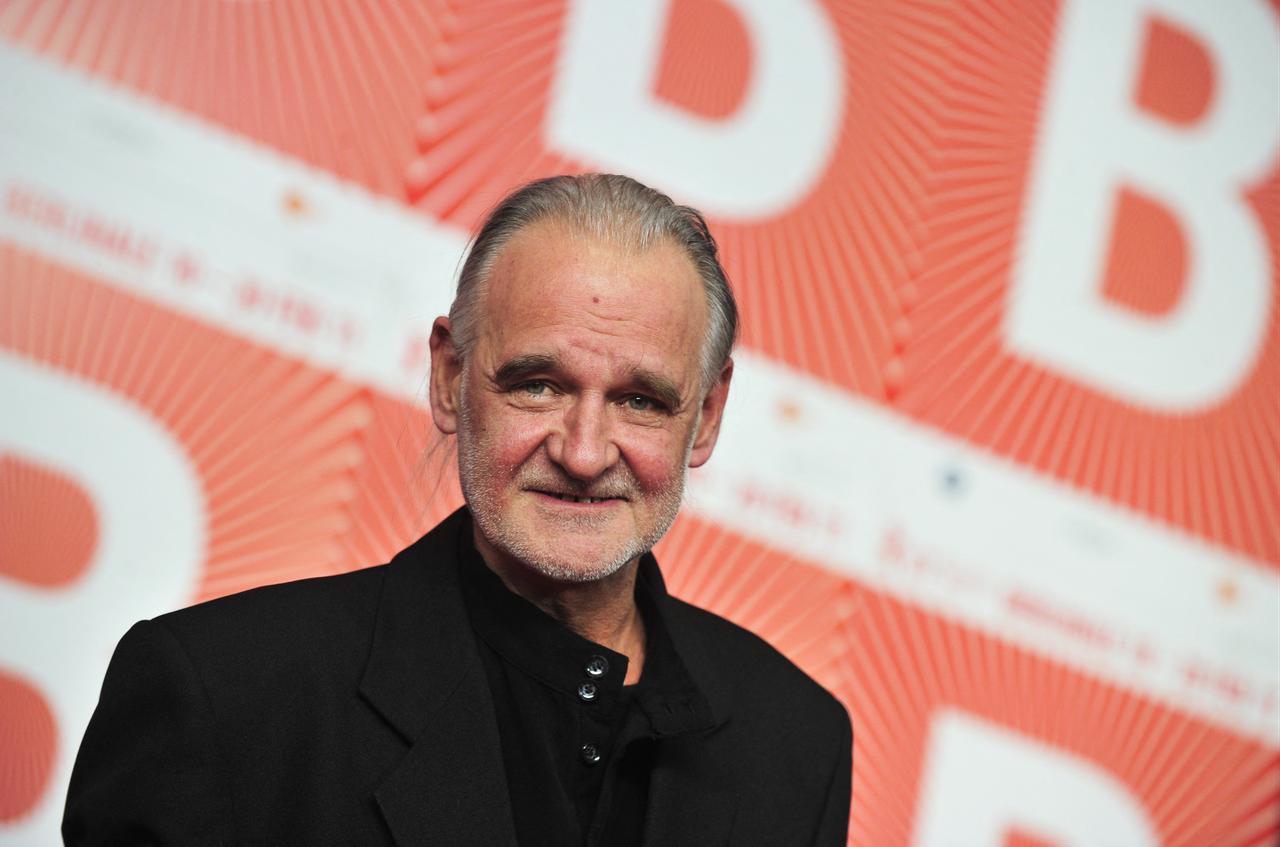
Alongside “Satantango,” Tarr’s filmography included a 1982 version of “Macbeth,” as well as “Werckmeister Harmonies” (2000) and “The Man from London” (2007). He was often referred to as “the Hungarian Tarkovsky,” a comparison linking him to the late Soviet filmmaker Andrei Tarkovsky, known globally for slow cinema and philosophical storytelling.
Krasznahorkai reflected on Tarr’s style in a speech last year after receiving his Nobel prize, saying Tarr “created colours by making them disappear,” and adding that his films spoke “as the sinner who nevertheless, with all his sins, must still be loved.”
After completing his last feature film, “The Turin Horse” (2011), Tarr announced his retirement. Even so, he still put out two short films in 2017 and 2019. In later years, he focused on teaching and helping bring up a new generation of directors, working with film academies in Hungary, Germany and France.
In a 2019 interview with Hungarian weekly HVG, he said he felt he had already done what he wanted to do, stating, “I had done everything I wanted to.” The same interview described Tarr as a passionate smoker, and it said he jokingly wondered whether the Hungarian state or a cigarette company would pay for his funeral. His last public appearance was reported as being in a music video released last November, in which he was seen smoking.
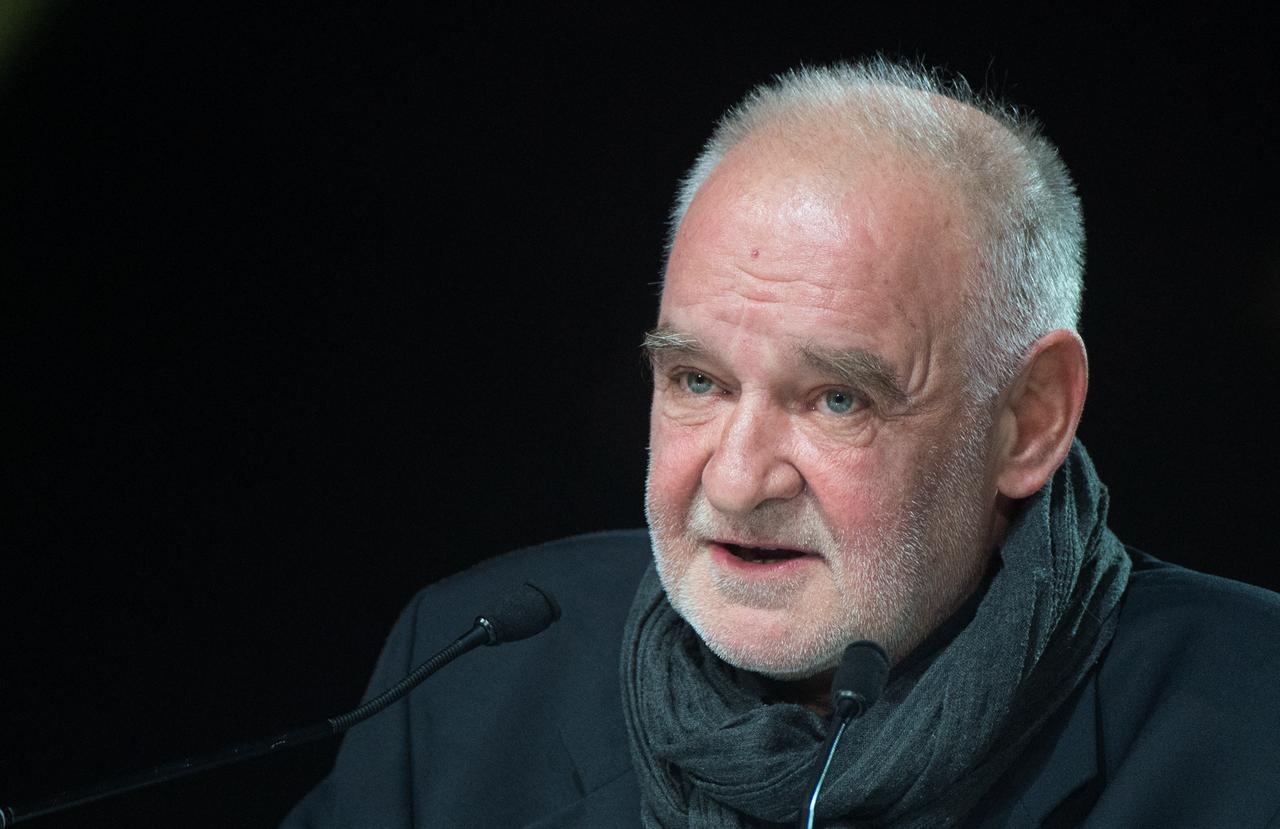

Tarr was known as a critic of Hungarian Prime Minister Viktor Orban, calling him the “shame of Hungary” in a 2016 interview. In the same piece, he also criticized U.S. President Donald Trump and French far-right leader Marine Le Pen.
Budapest Mayor Gergely Karacsony paid tribute in a Facebook post, calling Tarr “the freest man I know,” while also praising his focus on human dignity and what he saw as essential. Karacsony ended his message with: “Thank you for everything, and all the best in the hereafter,” he said.


 Set as preferred source
 Set as preferred source


 5 min read