Newsletters


Telling a story across three films lets directors develop characters and themes over a longer span. Sustaining that story is not always straightforward, however.
Elements that work in an opening film can lose their effect in sequels, and a weak second or third entry can overshadow earlier successes.
A ranking of the 10 best film trilogies looks at how filmmakers have handled that challenge.
Living Dead trilogy
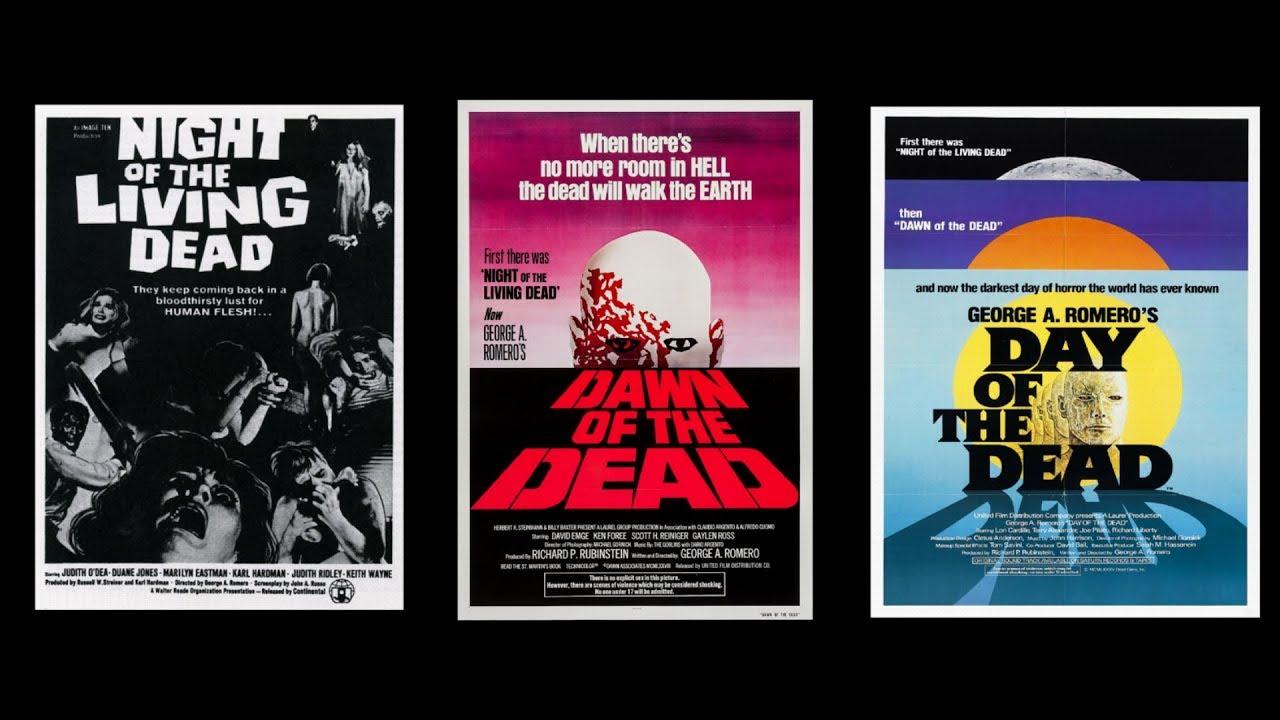
The list opens with George A. Romero’s zombie trilogy: “Night of the Living Dead” (1968), “Dawn of the Dead” (1978) and “Day of the Dead” (1985).
The first film begins with the dead returning to life, the second shows the collapse of social order as survivors shelter in a shopping mall, and the third follows scientists and soldiers in an underground military facility.
Across the films, Romero depicts people failing to cooperate despite the resources available to them. The ranking names “Dawn of the Dead,” noted for its social criticism, as the strongest entry.
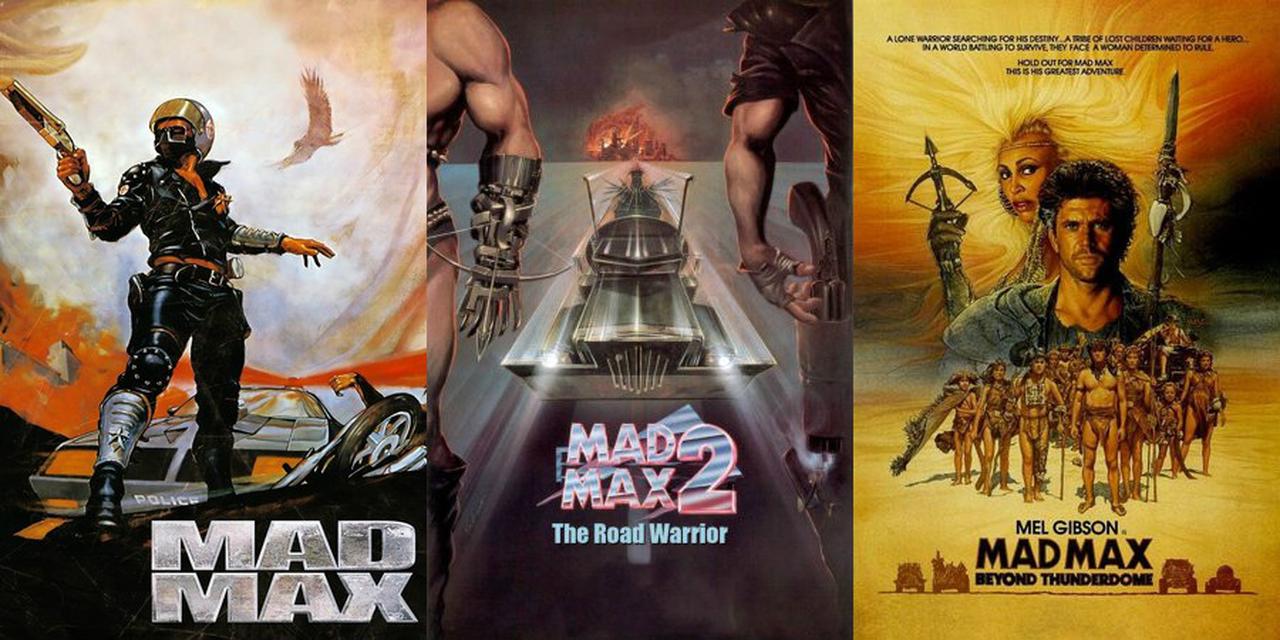
Mad Max trilogy
In second place is George Miller’s “Mad Max” (1979), “The Road Warrior” (1981) and “Mad Max: Beyond Thunderdome” (1985)
Set in Australia, the films follow civilization's collapse and Max's struggle to survive.
The first film portrays a society shaken by an energy crisis and violence; the second shows gangs attacking remaining settlements; and the third examines a new social order in a post-apocalyptic world.
The list ranks “The Road Warrior” as the strongest film. Miller returned to the same universe with “Mad Max: Fury Road” in 2015 and “Furiosa: A Mad Max Saga” in 2024. “Mad Max: Fury Road” won six Academy Awards.

Evil Dead trilogy
Third is Sam Raimi’s “The Evil Dead” (1981), “Evil Dead II” (1987) and “Army of Darkness” (1992). Raimi made the first film on a low budget, and it established his approach to horror and humor.
Ash, played by Bruce Campbell, faces supernatural forces again in the second film, while the horror and comedy become more pronounced in the third.
The trilogy is known for practical effects, fast-moving storytelling and dark humor. The list names “Evil Dead II” as the strongest film and says “Army of Darkness” shifts the tone with slapstick comedy.
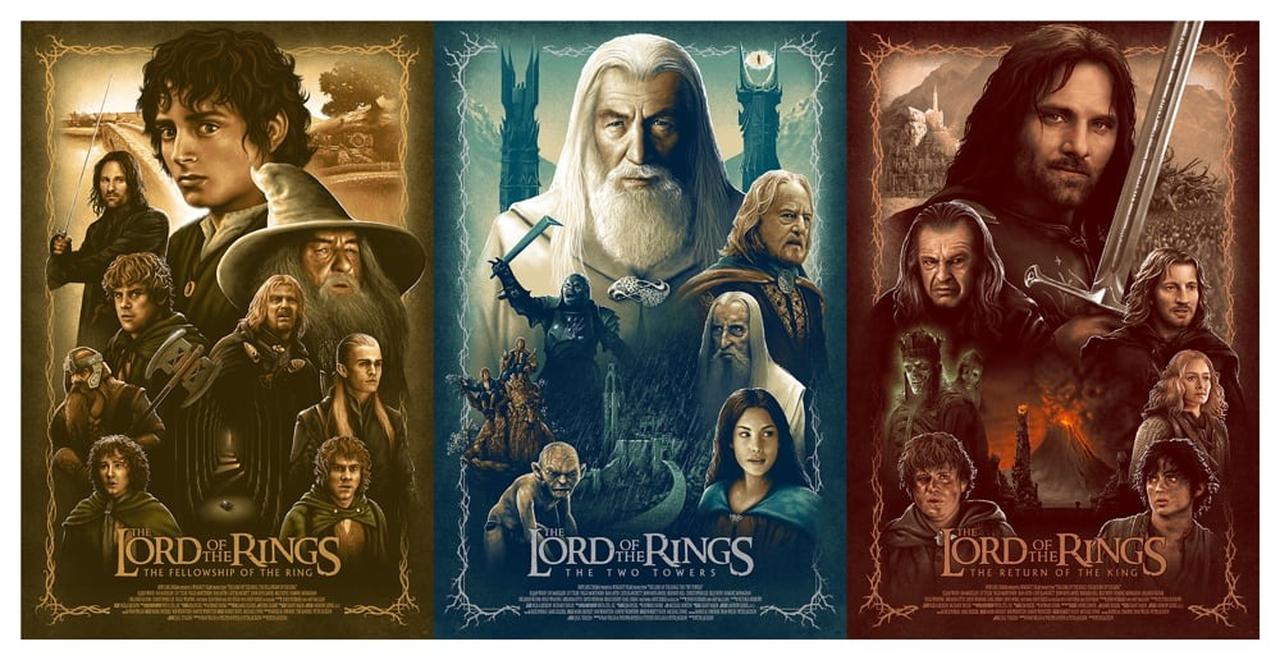
The Lord of the Rings trilogy
Fourth is Peter Jackson’s adaptation of J.R.R. Tolkien’s fantasy novels: “The Fellowship of the Ring” (2001), “The Two Towers” (2002) and “The Return of the King” (2003).
The three films run for more than nine hours in total. Designed as a single large project from the start, the trilogy holds an important place in cinema history for its cast, visual effects and production design.
Because all three films were made as part of the same production, no noticeable difference in quality emerged between them. “The Return of the King” won 11 Academy Awards, including Best Picture.
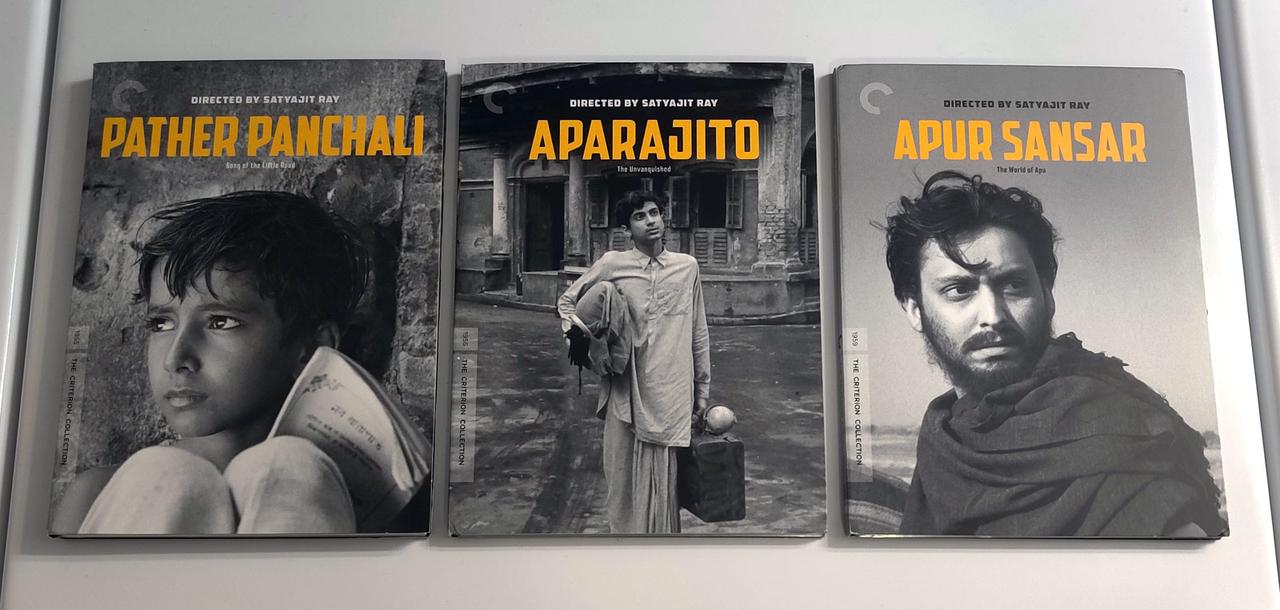
Apu trilogy
Fifth is Indian director Satyajit Ray’s “Pather Panchali” (1955), “Aparajito” (1956) and “The World of Apu” (1959).
It follows Apu from childhood to adulthood in a poor village and, through education, marriage, and personal losses, reflects social change in India. Working largely with non-professional actors, Ray was influenced by Italian Neorealism and combines the hardships of everyday life with brief moments of happiness.
The ranking singles out “Pather Panchali,” which covers Apu’s childhood. “Pather Panchali” won the Best Human Document award at the Cannes Film Festival in France in 1956.
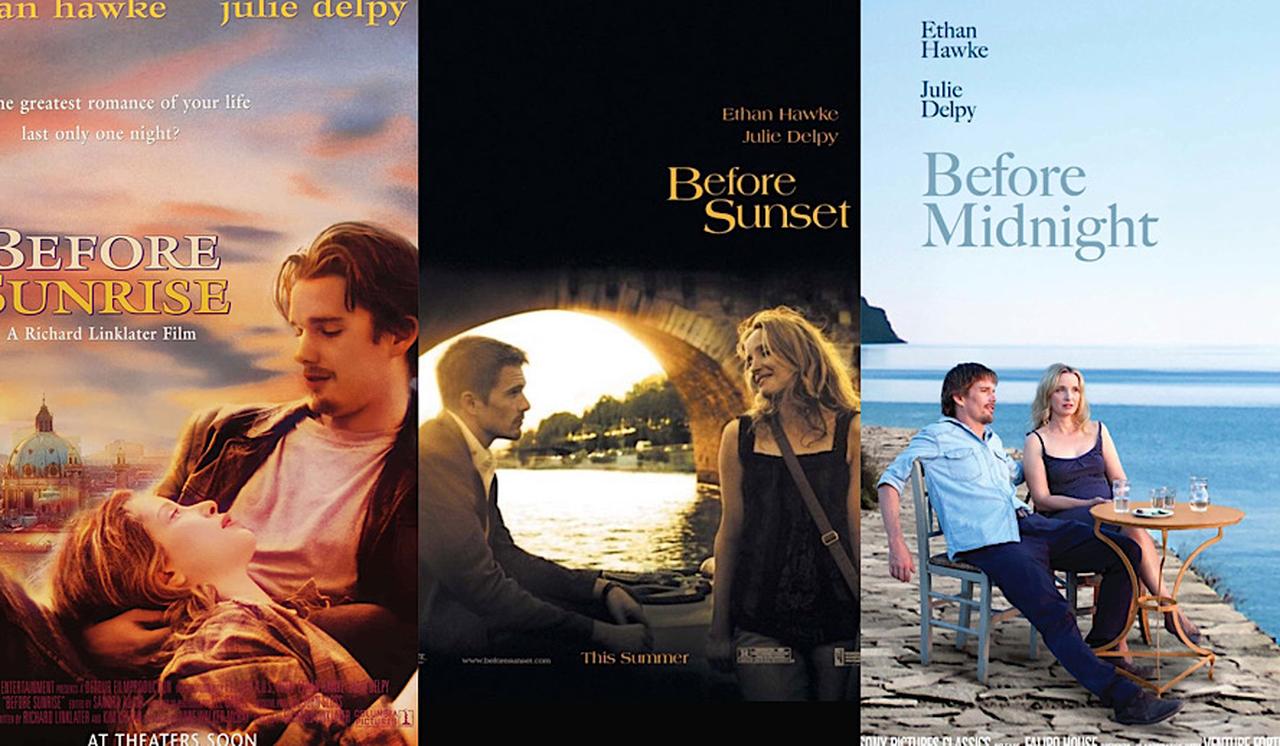
Before trilogy
Sixth is Richard Linklater’s “Before Sunrise” (1995), “Before Sunset” (2004), and “Before Midnight” (2013), which follow Jesse and Celine's relationship over many years.
Ethan Hawke and Julie Delpy play the characters, who meet on a train in the first film and decide to spend a night together in Vienna, Austria.
The sequels, set nine years apart, show their reunions and how the relationship changes over time. The list says “Before Sunset” strongly explores the possibility of reviving a relationship thought to be lost.
The Godfather trilogy
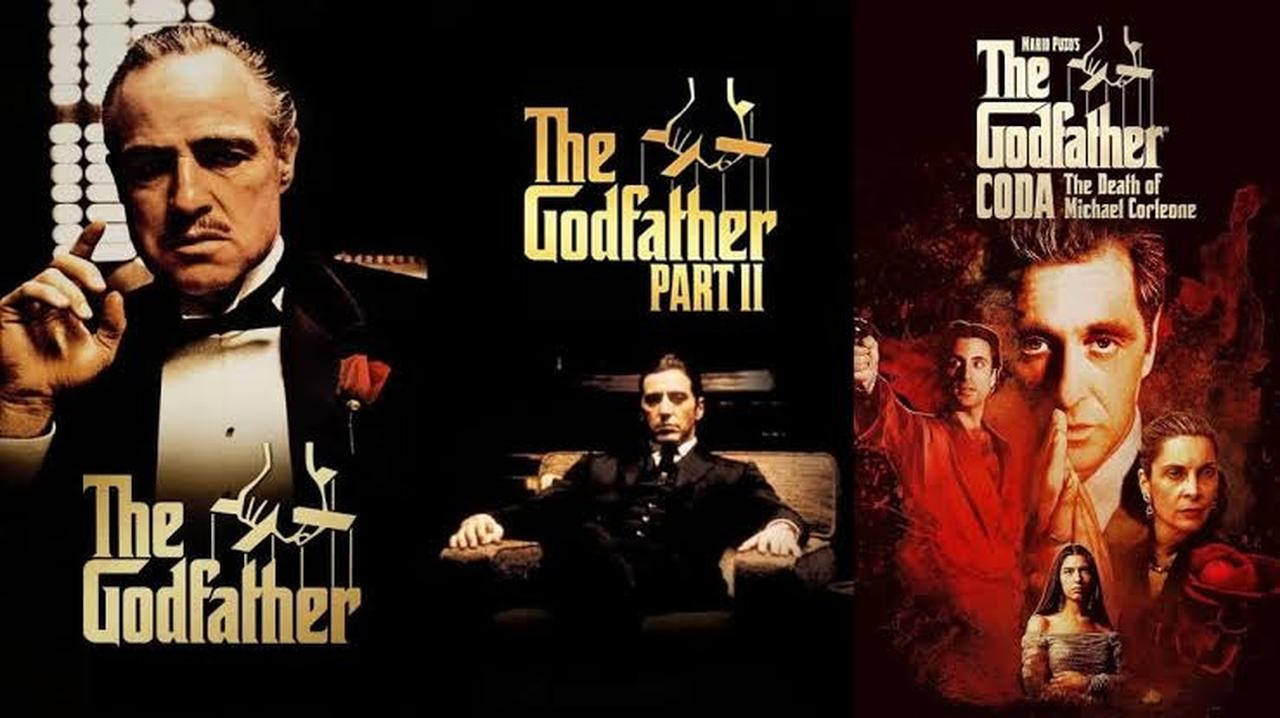
Seventh is Francis Ford Coppola’s “The Godfather” (1972), “The Godfather Part II” (1974) and “The Godfather Part III” (1990), which tell the story of the Corleone family across decades.
Al Pacino plays Michael Corleone, whose change from initial hesitation to ruthless mafia leader forms the central axis of the series.
The cast also includes Marlon Brando, Robert De Niro, Robert Duvall and Diane Keaton. The ranking rates the first film as the strongest and says the third falls behind the first two but is still worth watching.
The first two films each won the Academy Award for Best Picture.
Star Wars trilogy
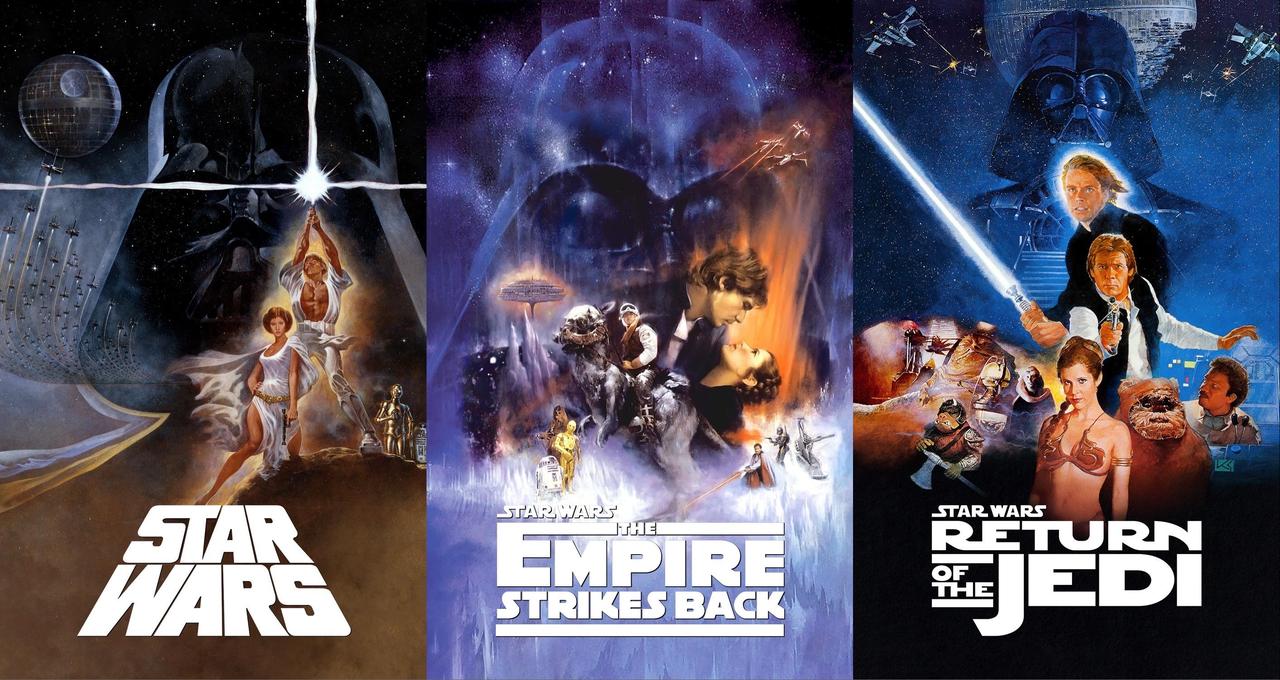
Eighth is George Lucas’s original trilogy: “Star Wars” (1977), “The Empire Strikes Back” (1980) and “Return of the Jedi” (1983).
The first film exceeded expectations and became a cultural phenomenon, with a largely unknown cast and an adventure set in a vast universe.
The list names “The Empire Strikes Back” as the strongest film and describes “Return of the Jedi” as the weakest link despite its visually striking scenes.
Indiana Jones trilogy
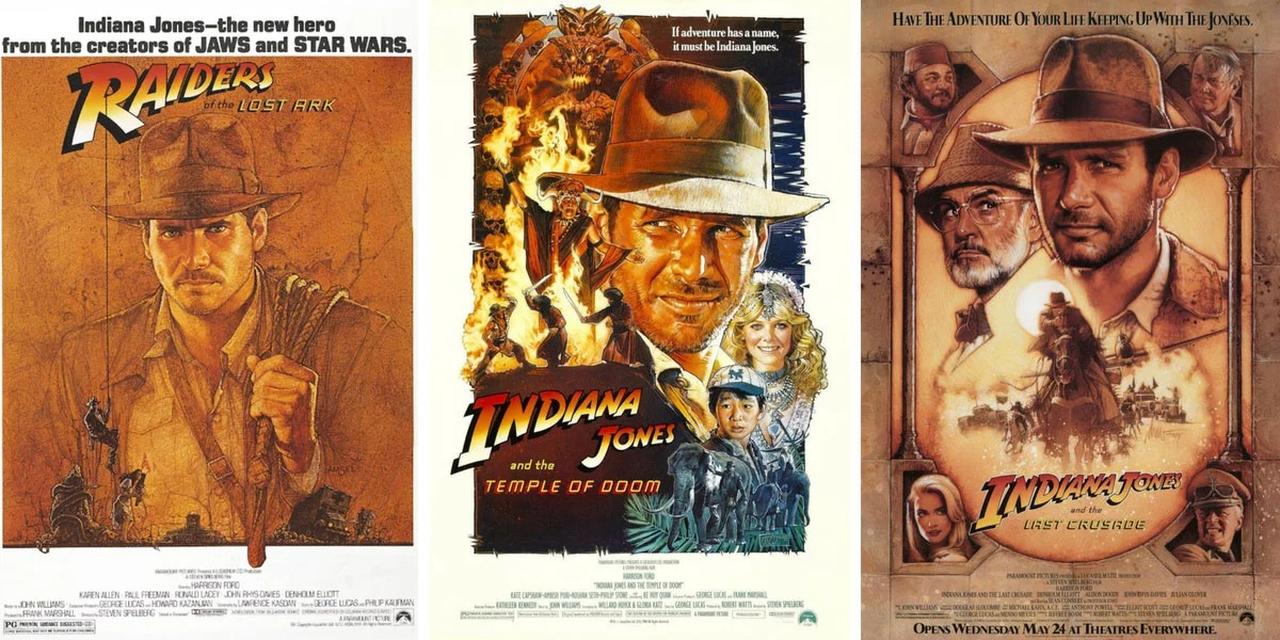
Steven Spielberg and Lucas's trilogy includes “Raiders of the Lost Ark” (1981), “Indiana Jones and the Temple of Doom” (1984), and “Indiana Jones and the Last Crusade” (1989).
The films follow an archaeology professor and adventurer played by Harrison Ford. Inspired by adventure serials they watched as children, the pair created a hero who uses a whip and fights dangerous enemies.
The ranking regards the first film as one of the best examples of its genre. The second film’s dark atmosphere drew criticism, while the third has Sean Connery play Indiana Jones’ father.
Vengeance trilogy
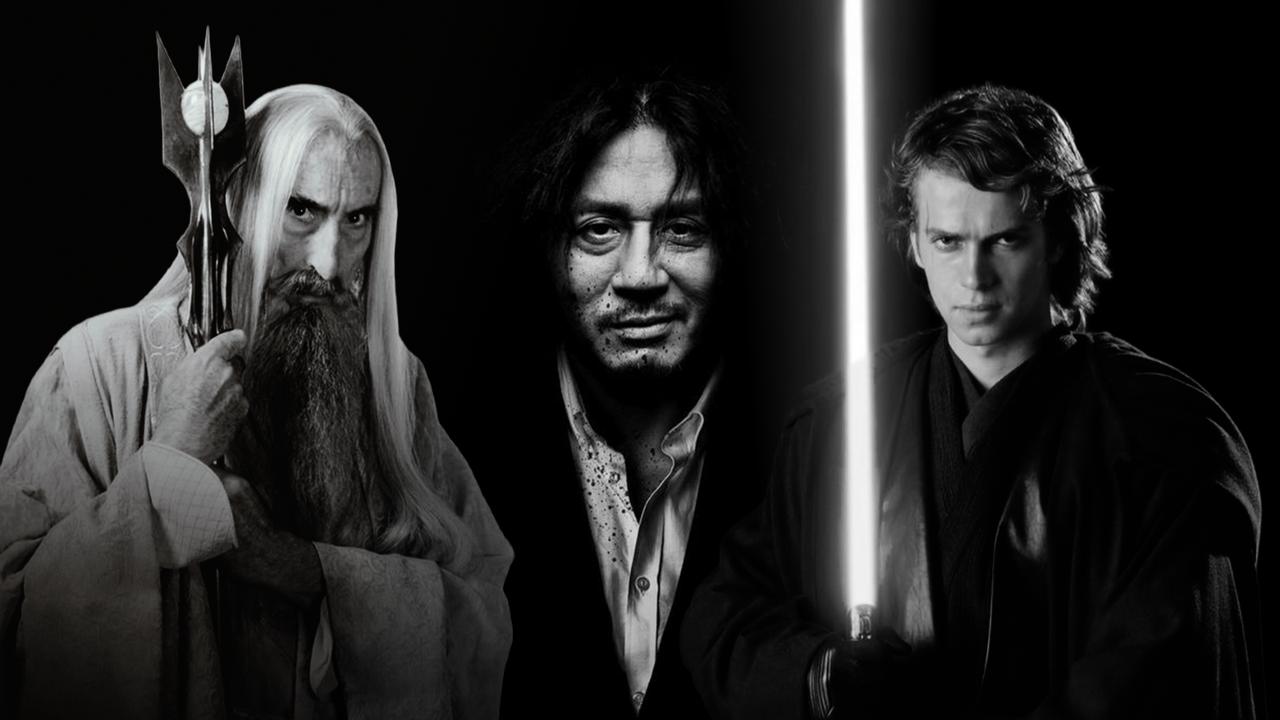
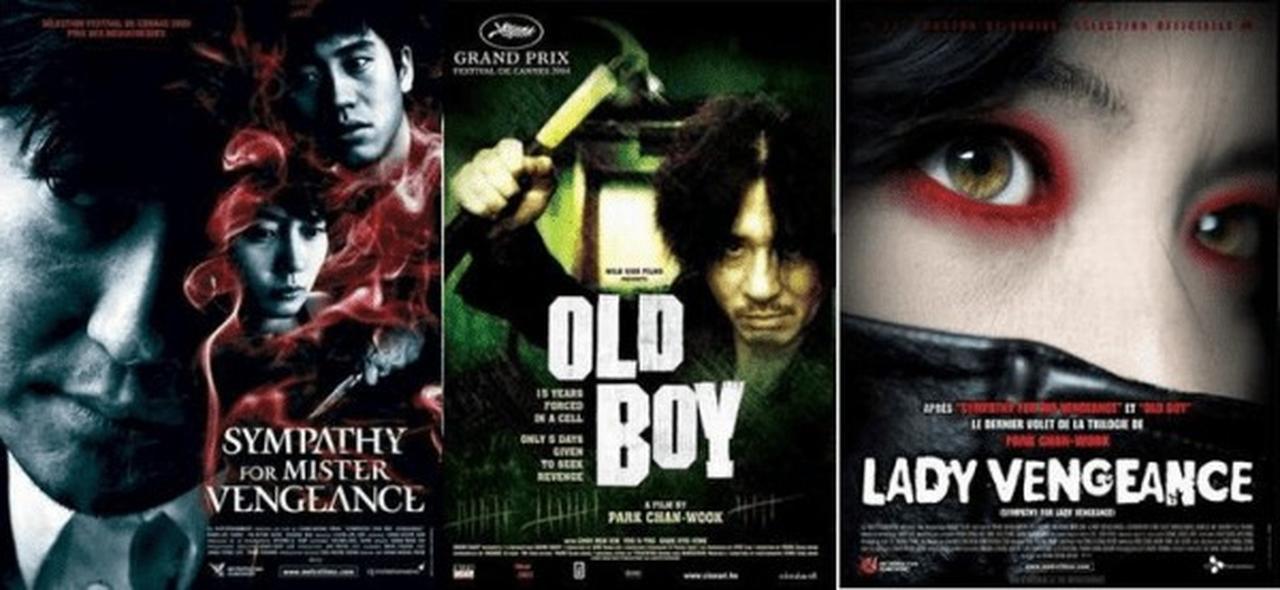
The list closes with South Korean director Park Chan-wook’s “Sympathy for Mr. Vengeance” (2002), “Oldboy” (2003) and “Lady Vengeance” (2005).
The films were not originally designed as a trilogy and share no characters or continuing story. The common element is the destructive consequences of the desire for revenge.
“Oldboy” tells of a man released after 15 years in captivity who goes after his past, and the list names it as the strongest film in the group. “Oldboy” won the Grand Prix at the Cannes Film Festival in 2004.


 Set as preferred source

 5 min read