Newsletters


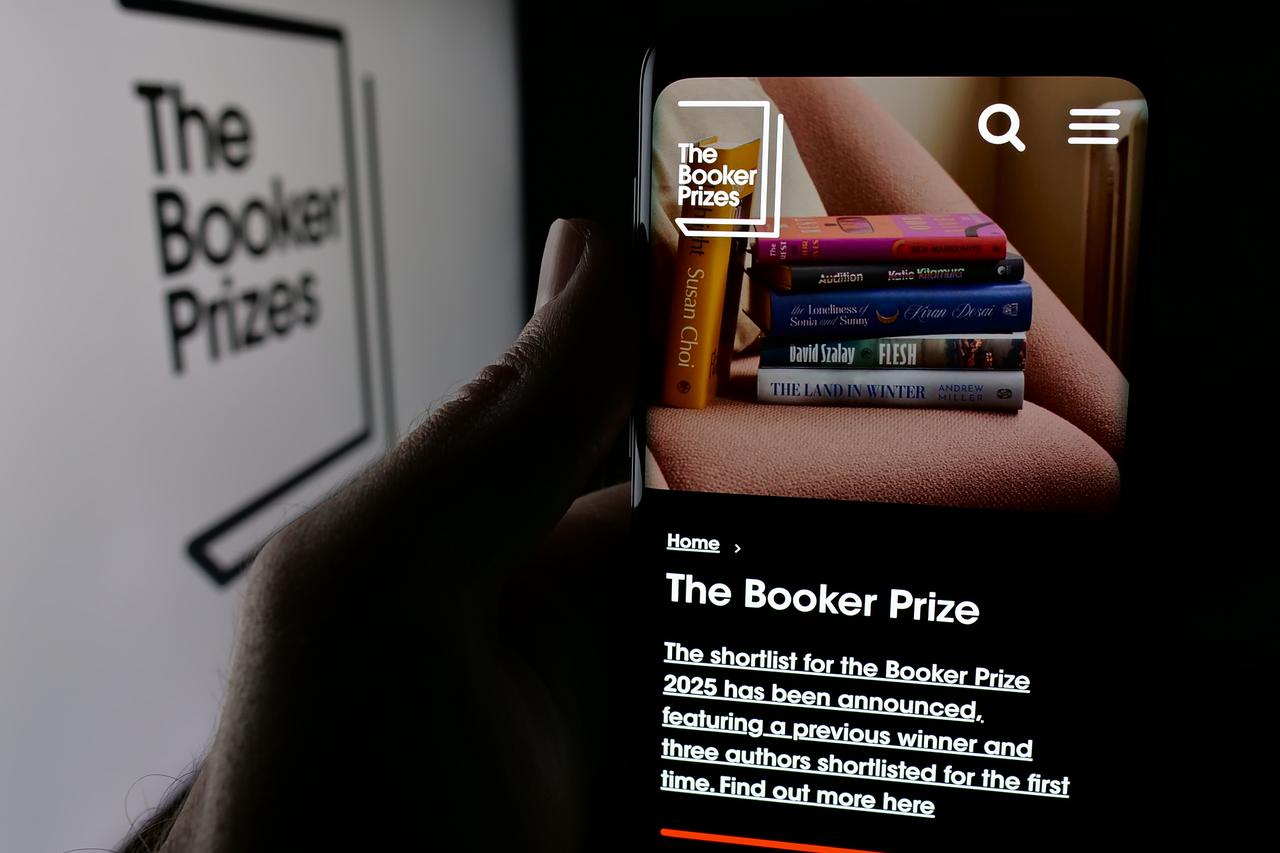


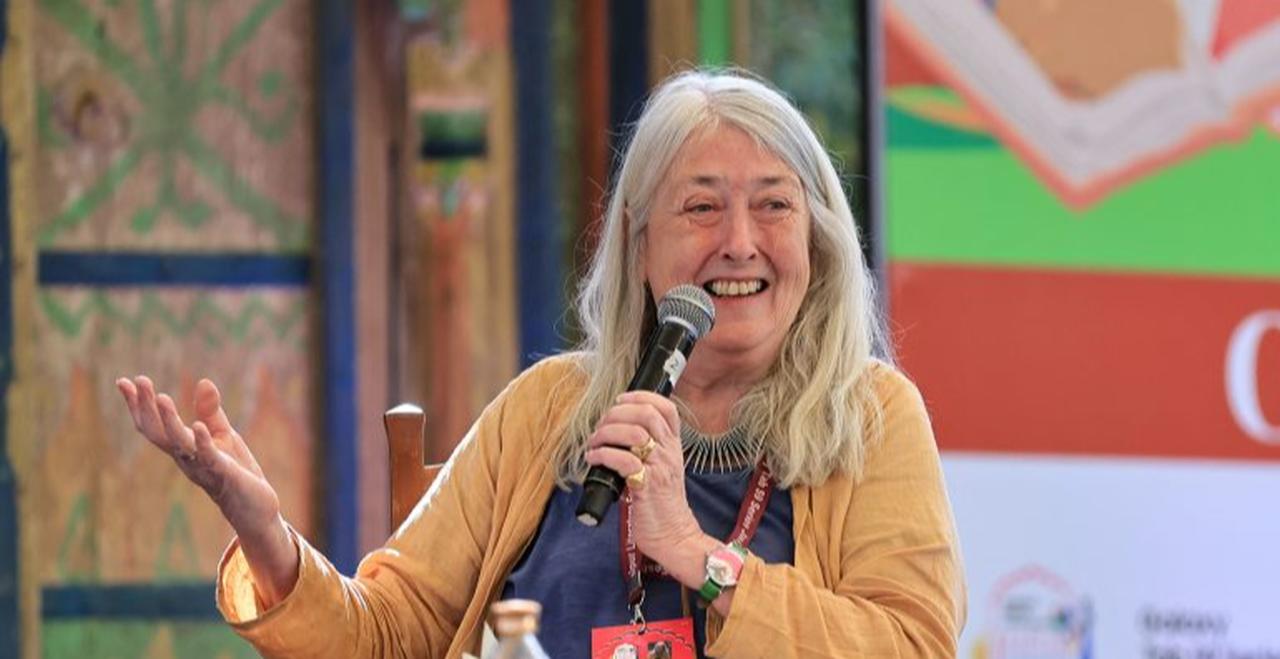
British classicist Mary Beard, who has read and lectured on the epics of Homer and Virgil countless times, spent six months reading 163 works of fiction to judge this year’s Booker Prize, one of Britain’s leading literary awards. A classicist is a scholar of ancient Greek and Roman literature and history.
“I’ve never worked as hard in my life. I mean, writing a book is easier than that. It was a revelation and a privilege,” Beard, who chairs the judging panel, stated.
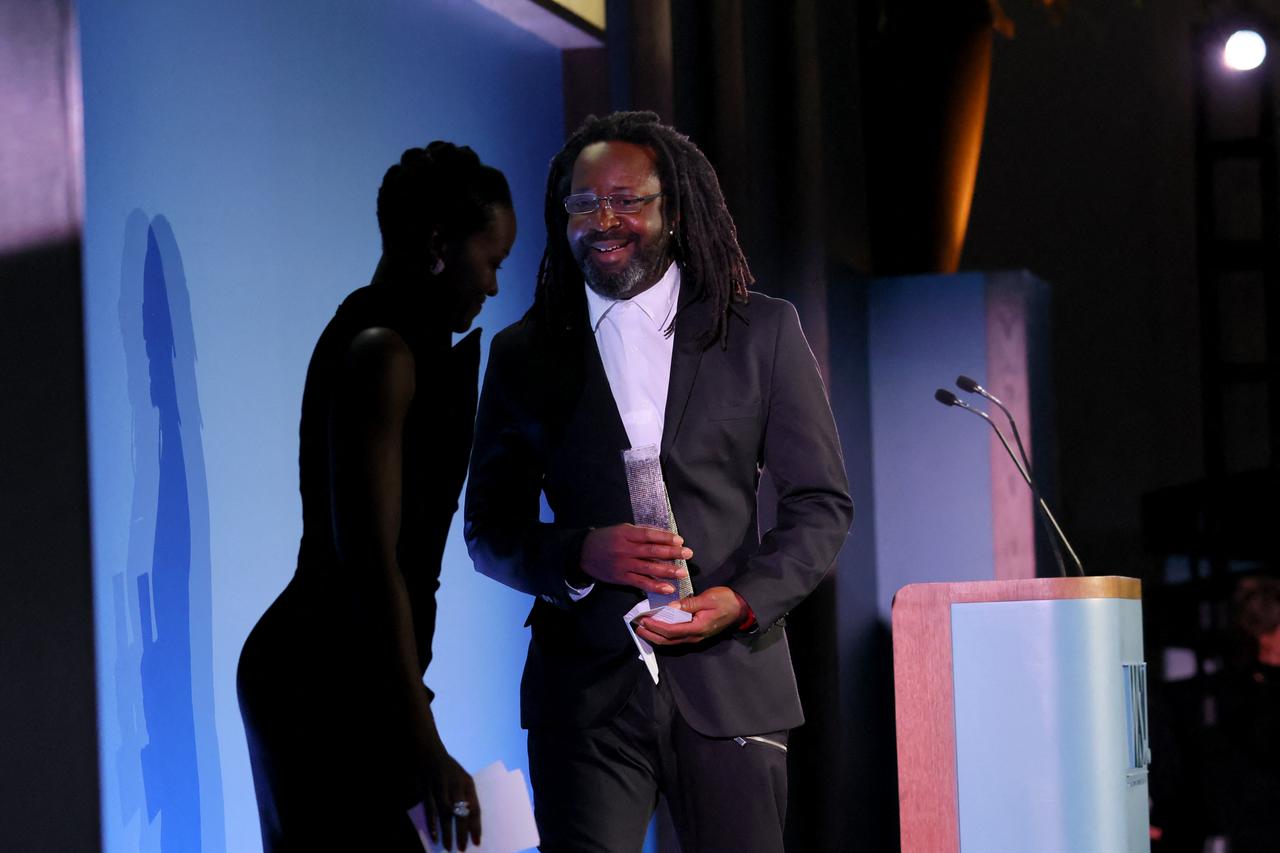
The five judges narrowed the 163 entries to a shortlist of six books for the prize, which honors the best long-form fiction in English by writers of any nationality. The winner, who receives £50,000 ($67,400), will be announced in London on Monday. Previous winners Douglas Stuart and Marlon James are among the six authors in the running.

From around December last year, the judges received cartons of about 30 books at a time, to be read at a pace of one a day or more, and were not allowed to say what they were reading. When Beard fell behind, she shut herself in a seaside hotel in Greece and read 12 hours a day.
Writer and critic Rebecca Liu said she took a book everywhere, once reading a few pages in a nightclub line. Pulp frontman Jarvis Cocker read on an iPad while touring with the band, a leading name in Britpop, the 1990s British guitar-pop movement. Poet Raymond Antrobus said he would “cry” every night a month into the process.
Each of the five judges reads every entry, so “every book gets five chances to be noticed,” Beard said. They draw up a longlist of 13 books, known as the Booker Dozen, then re-read them to pick a shortlist and a winner.
The judges met behind closed doors for three-hour sessions, this year at London’s Fortnum & Mason luxury store. American poet Patricia Lockwood said she stood up a lot and tossed books across the room, and the judges tussled at one point like “pigs in the mud,” but they reached consensus, partly through a “traffic light” method in which each judge rated a book green, amber or red.
With no fixed criteria, the judges settled on two questions: “Would you read it again?” and “would you recommend it?”
Wary of artificial intelligence, they ended up seeking “distinctly human” books, Liu said. “I think we consciously towards the end wanted to make a human shortlist ... things that celebrated the flaws, that were strange and weird,” she said.


 Set as preferred source
 Set as preferred source


 1 min read
 1 min read