Newsletters


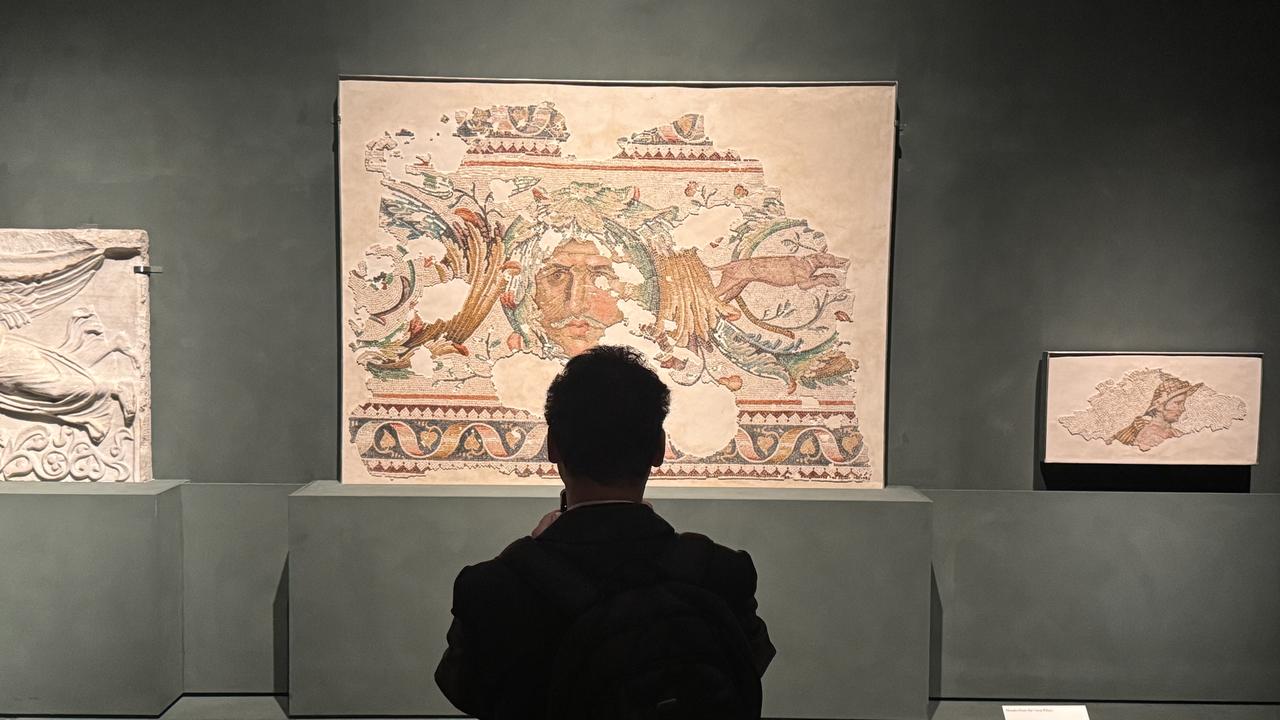
The Victoria and Albert Museum (V&A) in London presents “From Constantinople to Istanbul: One City, Two Empires,” a show of about 200 works from museums and private collections in Türkiye and abroad.
Spanning roughly 1,600 years, it follows a single city through its Byzantine and Ottoman lives, one layer at a time.
The exhibition runs until May 9, 2027.
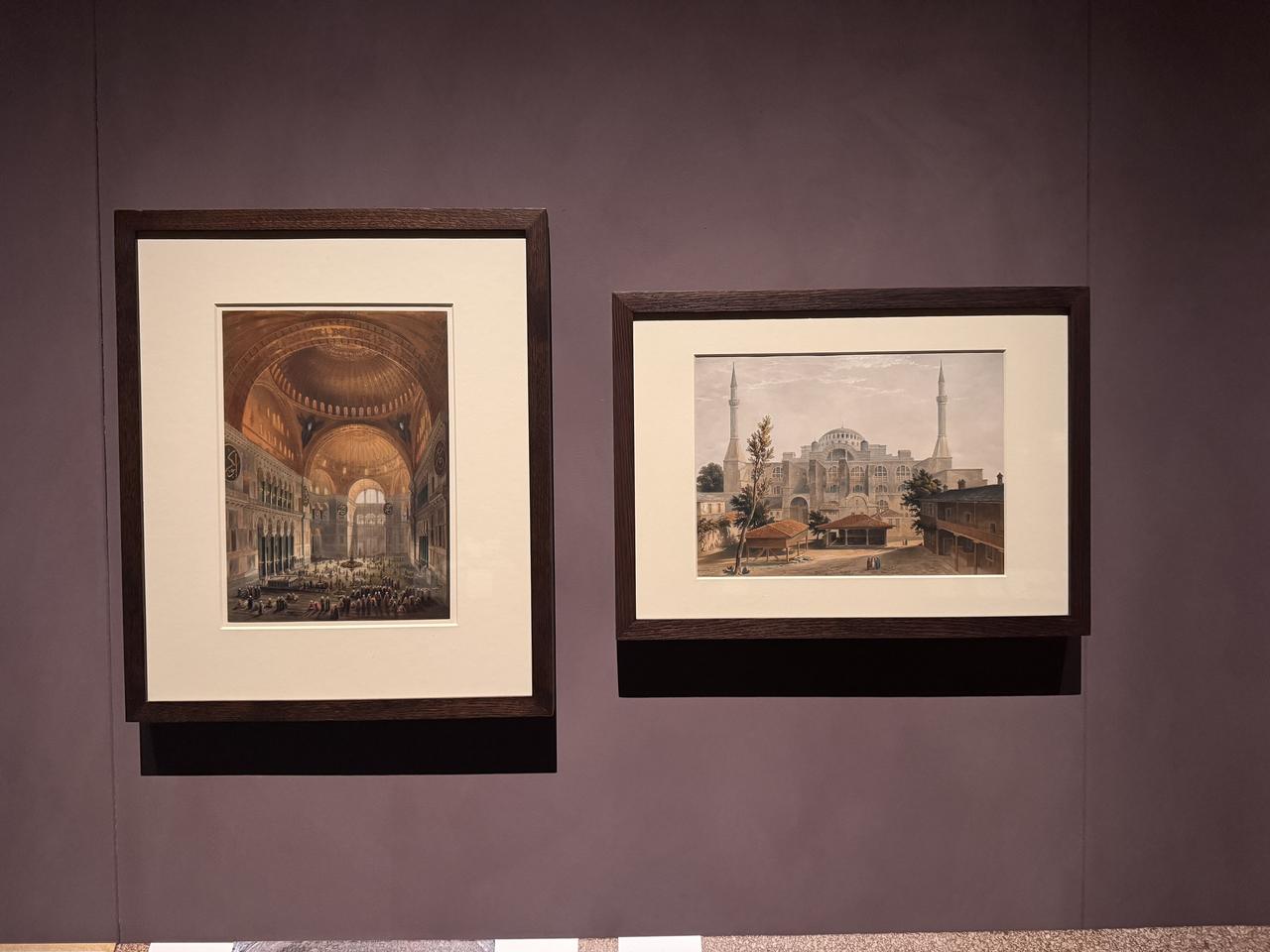
The first layer is Eastern Roman Constantinople. The section on the Byzantine Hagia Sophia sits beneath a dome, recalling the church built under Emperor Justinian.
Eastern Roman curator Bella Radenovic says the city’s strategic position drew merchants and craftspeople, and the show aims to highlight their achievements.
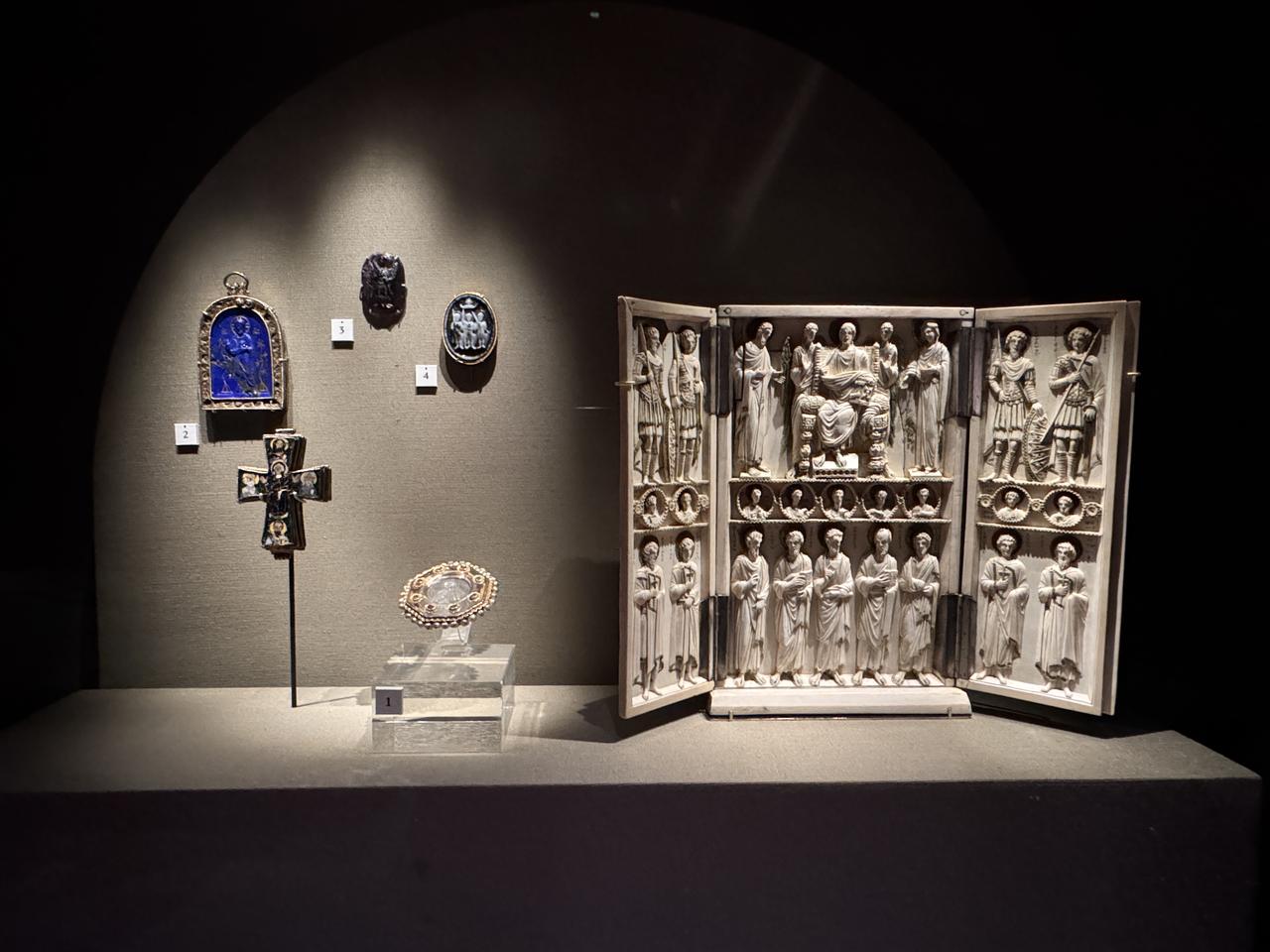
A small ivory from Trier Cathedral in Germany, probably carved in the fifth century, depicts the arrival of the relics of St. Stephen at the church beside the Great Palace.
It shows “the only street scene we have from the Byzantine period,” curator Tim Stanley says, with even the roof workers of the new church pictured beside the religious ceremony.
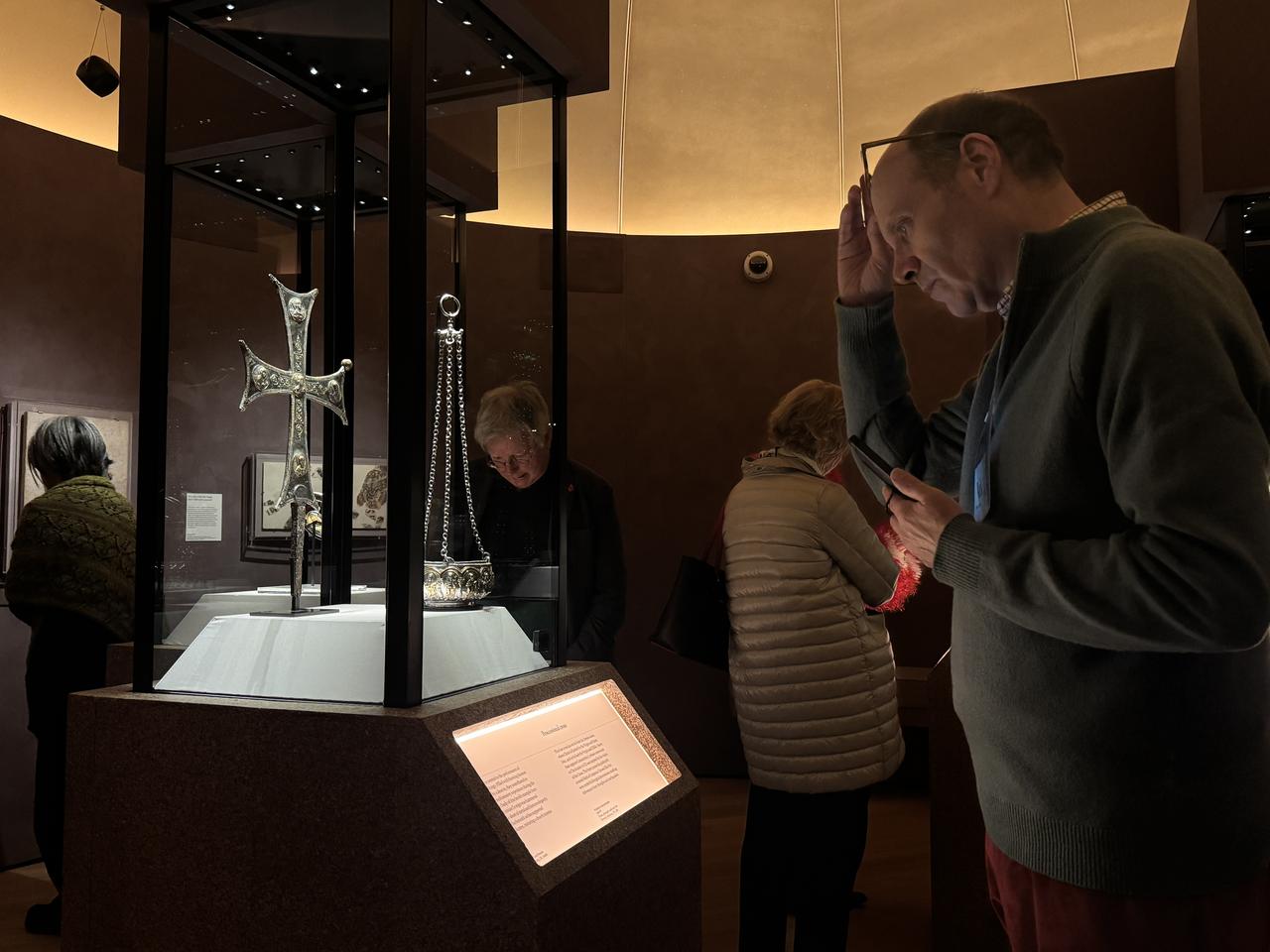
Objects of Christian ritual arrive from the San Marco Basilica in Venice, home to one of the largest collections of Byzantine art.
They include a ceremonial cross, an incense burner shaped like a miniature church and a crown, some made in Justinian’s reign.
After Crusaders sacked Constantinople in 1204, Venetians who had given them naval support chose the best pieces from the Great Palace and Hagia Sophia
San Marco itself drew its inspiration from the Church of the Holy Apostles in Constantinople.
“Venice was imitating Constantinople,” Radenovic says, adding that the basilica shows the city's reach beyond Byzantine borders.
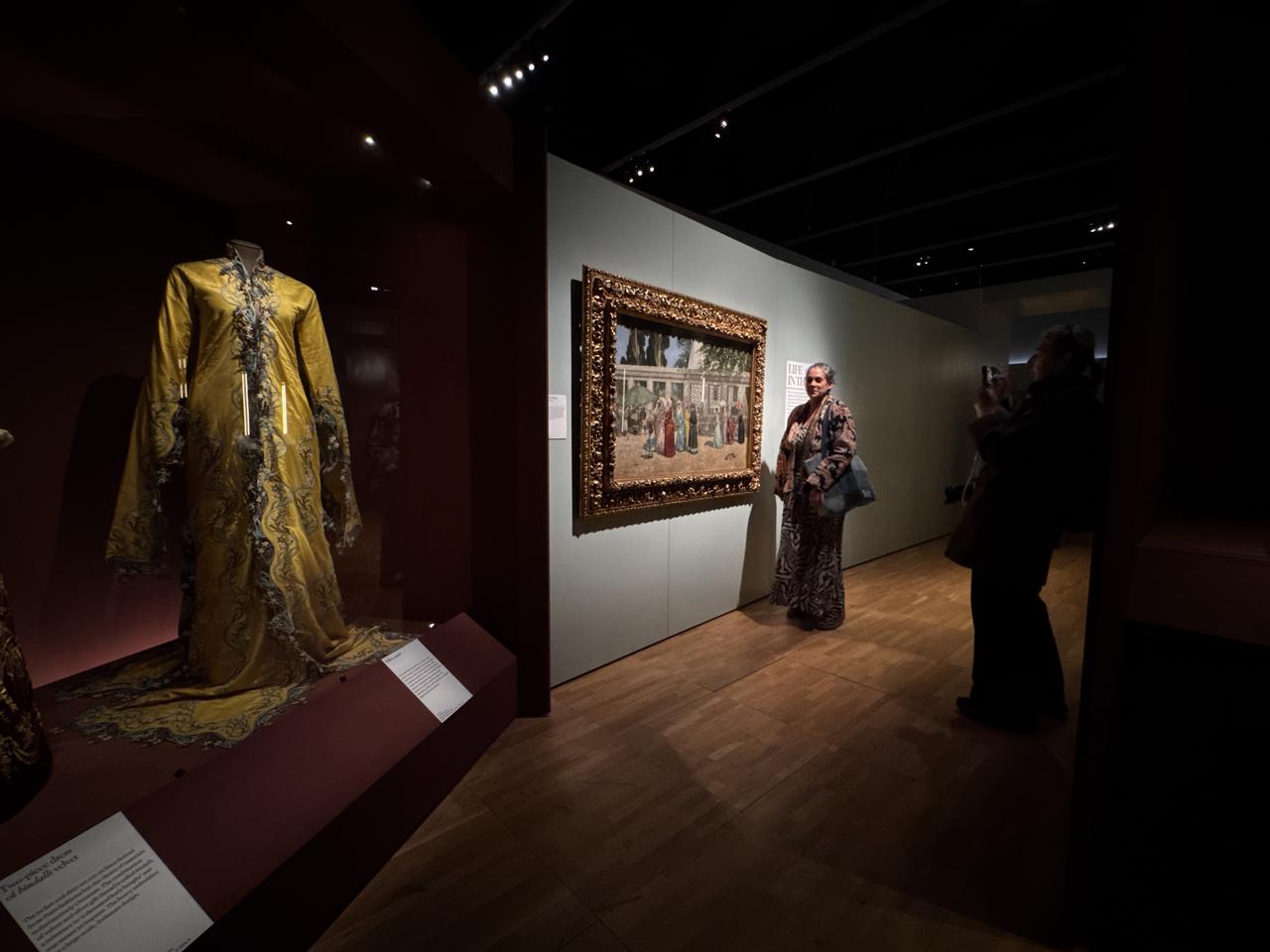
The next layer is Ottoman. After conquering the city, Sultan Mehmed II settled Turks, Armenians and Greeks there to revive urban life, and Jews settled in the 15th century, Stanley says.
Radenovic adds that the Ottomans carefully preserved and repeatedly restored Hagia Sophia Grand Mosque, and that mosaics in converted churches were kept and can still be visited.
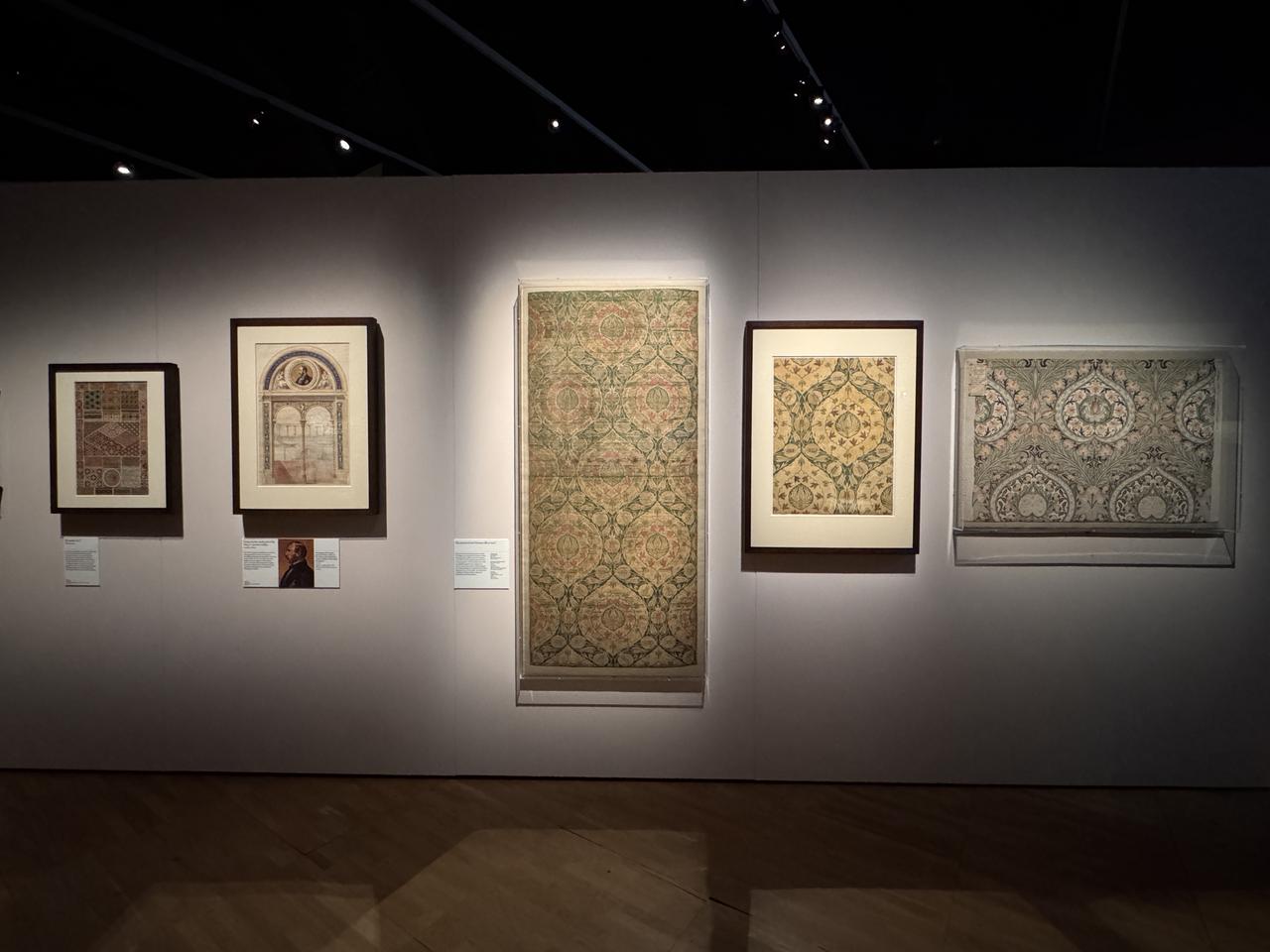
The final section covers the 17th, 18th and 19th centuries, which Stanley says many Ottoman art shows overlook.
It follows habits that spread across Europe, from coffeehouses, which appeared in Istanbul in the 16th century, to the hammam, a custom known since Roman times.
Coffee is now Britain’s favorite drink, and the “pestamal” became the Turkish towel. “This exhibition is a window onto the other half of Europe,” Stanley says.
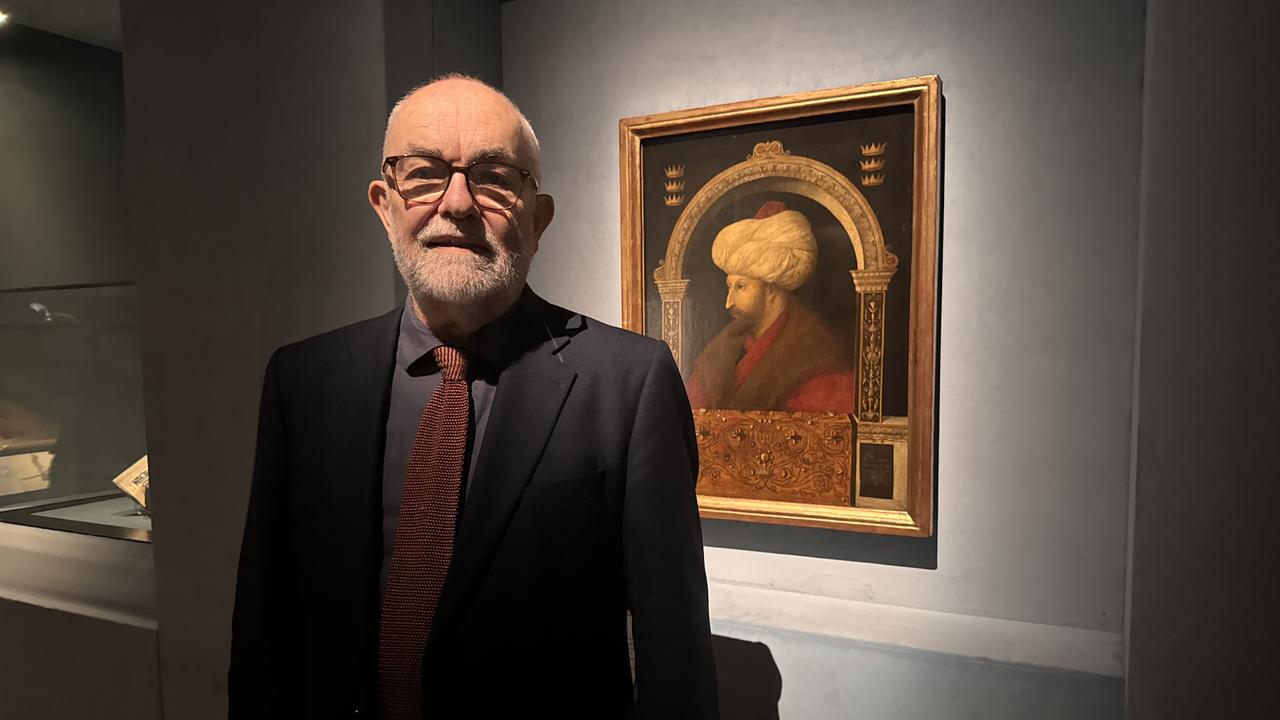
Radenovic says the curators are glad that Hagia Sophia survives almost unchanged, since many Byzantine works were lost during the Byzantine period itself.
In Istanbul, she notes, visitors still meet Byzantine details on the street, layer beneath layer. How much of the earliest layer is missing remains unknown.


 Set as preferred source

 2 min read