Newsletters


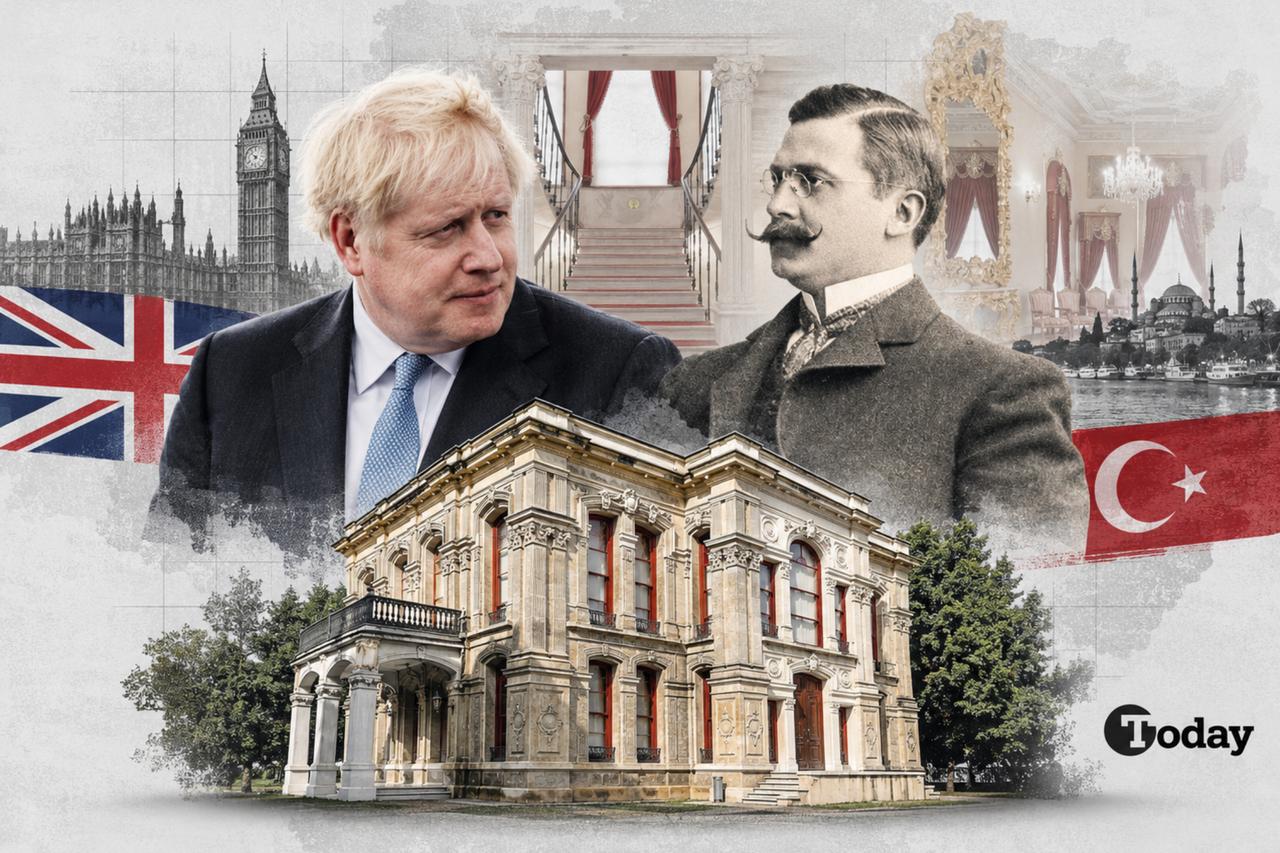


More than a century ago, a former Ottoman minister entered the doors of an elegant palace in Izmit, Türkiye's northwestern city, expecting to be handed over for trial.
Instead, he walked into the final hours of his life. Outside the palace gates, an angry crowd was waiting, and what followed would become one of the most notorious political killings of the Ottoman Empire's last days.
The man was Ali Kemal, a journalist, former interior minister and a prominent opponent of the Turkish National Movement.
He was also the great-grandfather of Boris Johnson, who would become Britain's prime minister nearly a century later. Today, the palace where he met military authorities for the last time survives as the Kasr-i Humayun Palace Museum, its marble walls and richly decorated rooms concealing a darker chapter of history.
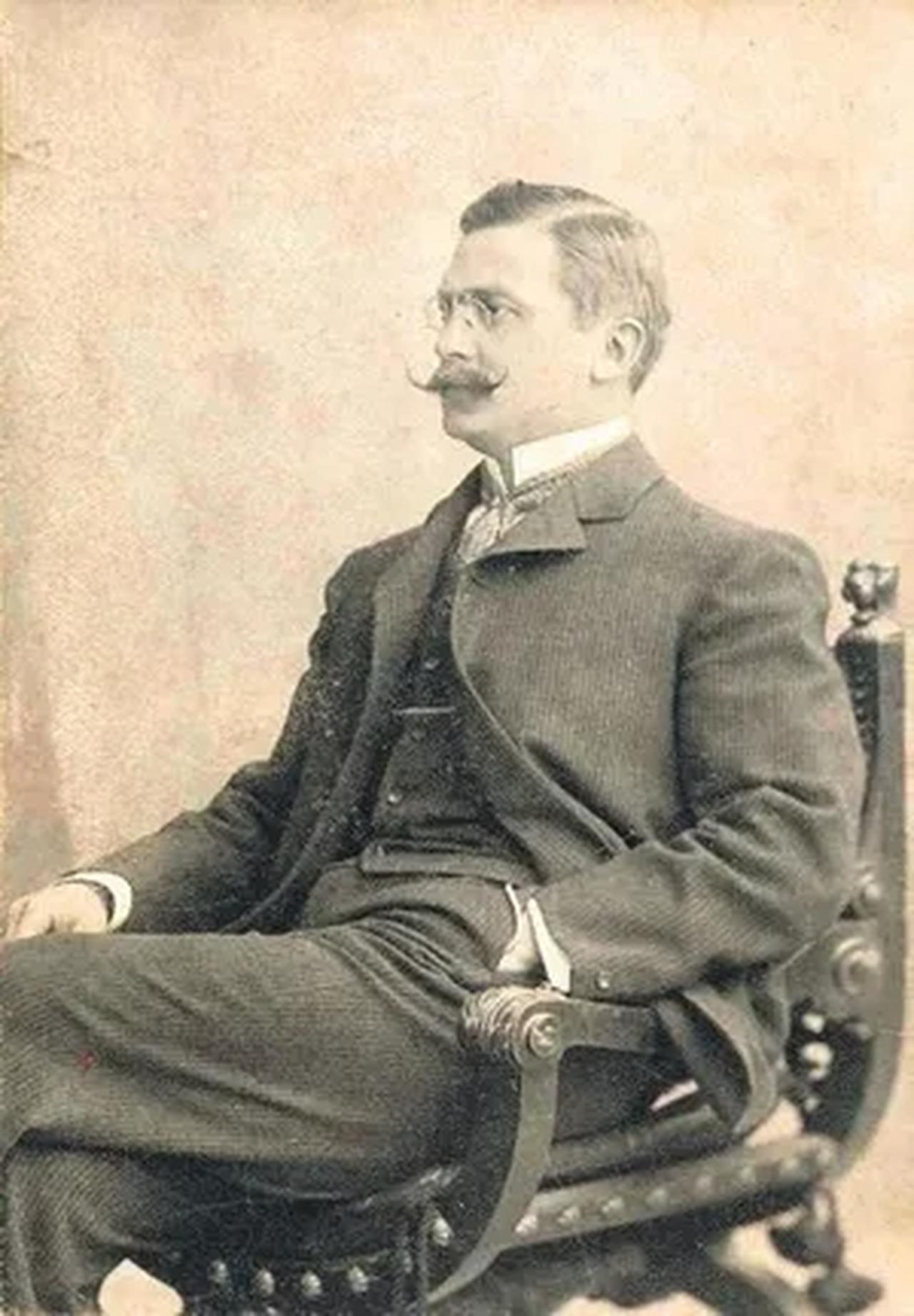

Ali Kemal had served as education and interior minister under the Ottoman government of Damat Ferit Pasha and was known for his opposition to the nationalist independence movement.
As interior minister in 1919, he sought to restrict protest telegrams supporting resistance against the Allied occupation and the Greek military landing in Izmir. After leaving office, he continued criticizing the nationalists through the newspaper Peyam-i Sabah.
Following the nationalist victory in 1922, authorities ordered his detention and transfer to Ankara.
He was apprehended in Istanbul in early November and taken by boat to Izmit, where he was handed over to Nurettin Pasha.
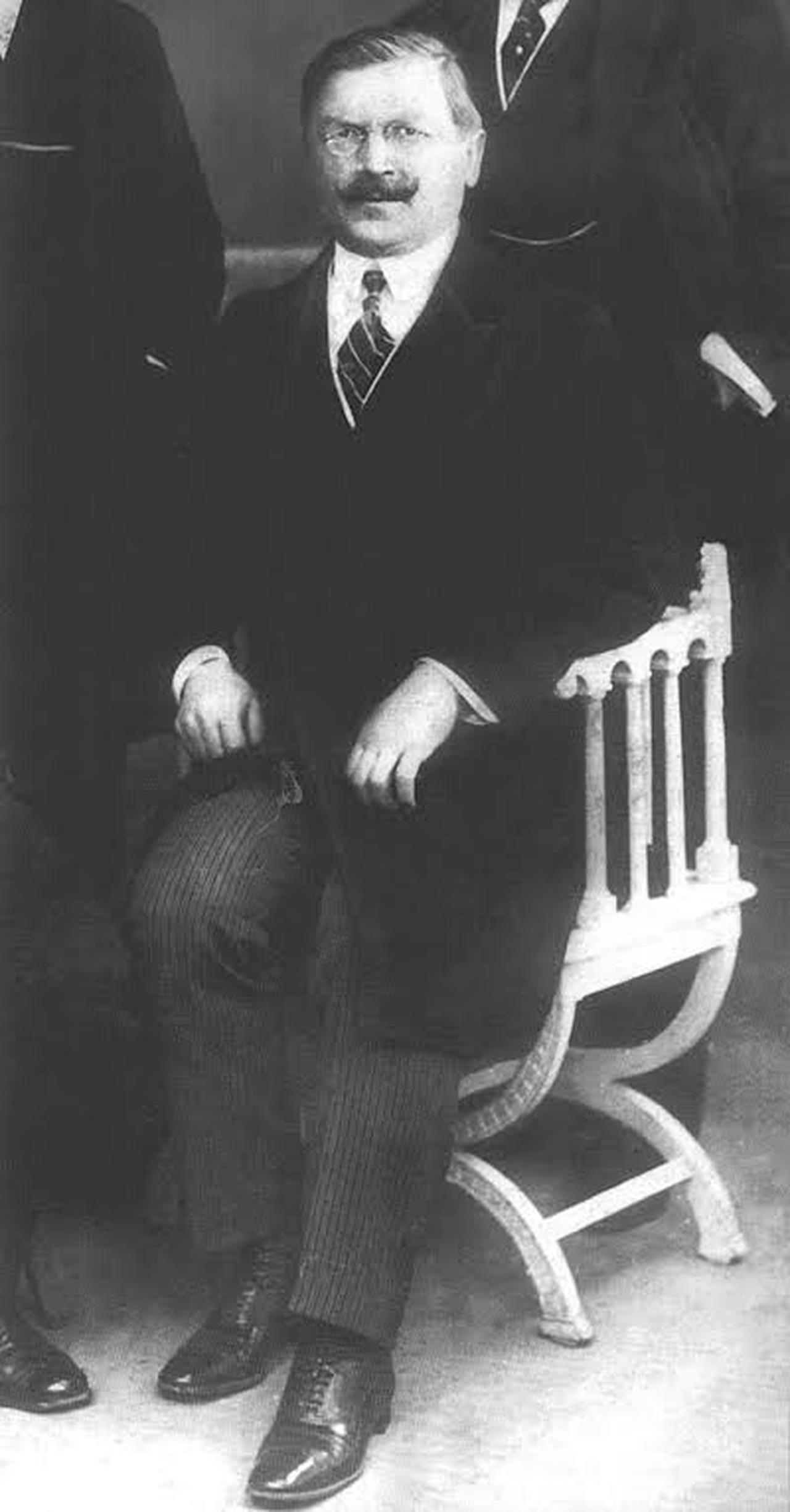
According to historical accounts, Ali Kemal was brought before the commander at Kasr-i Humayun and subsequently led outside, where an assembled crowd attacked him with stones and sticks.
Accounts attribute the organization of the lynching to Nurettin Pasha. Ali Kemal was killed without trial, and his body was later publicly displayed. The killing reportedly drew condemnation from senior nationalist figures, including Ataturk and Ismet Pasha.
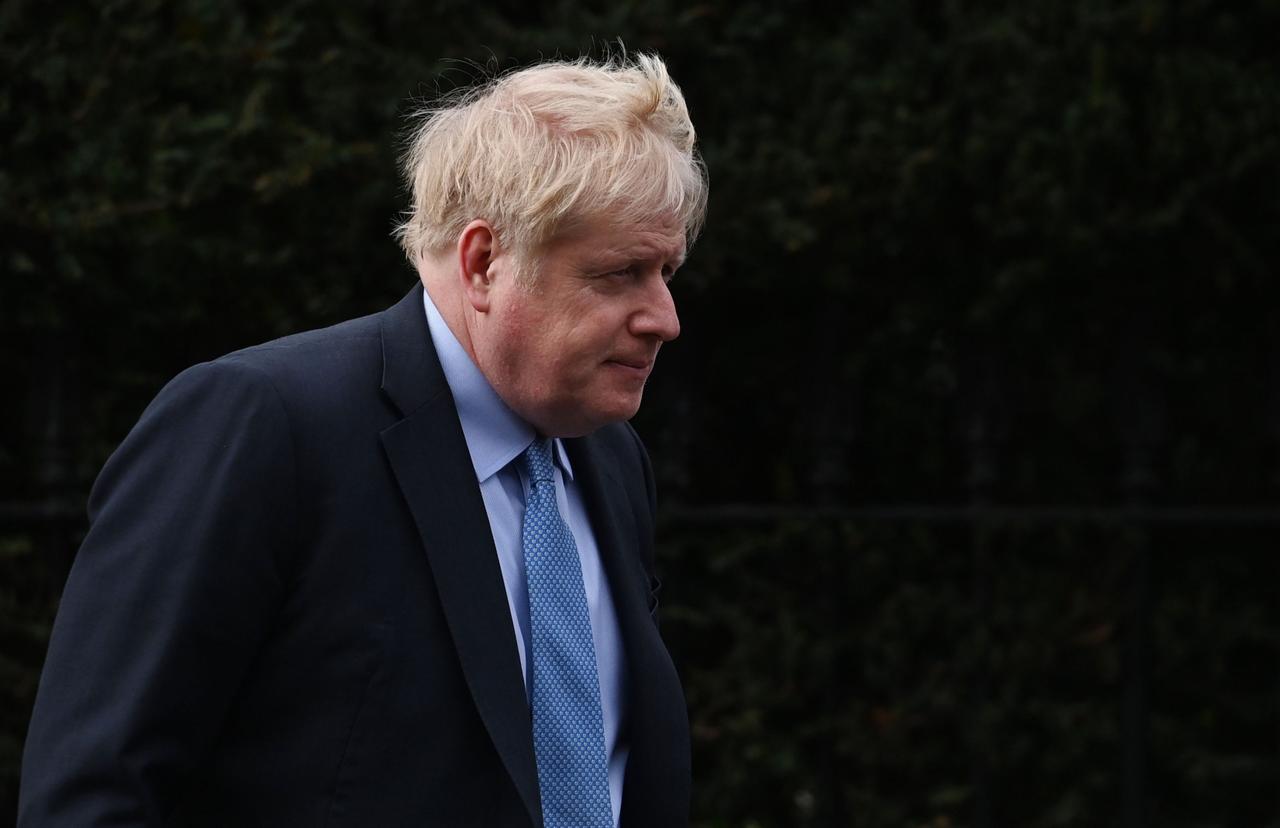
Ali Kemal's connection to Britain began with his marriage to Winifred Brun in 1903. Their son, Osman Wilfred Kemal, was born in 1909 and grew up in Britain following his mother's death.
The family subsequently adopted the surname Johnson. Osman Wilfred became the father of Stanley Johnson and grandfather of Boris Johnson, who served as British prime minister from 2019 to 2022.
The family history later attracted attention in Britain, particularly through Johnson's exploration of his Turkish ancestry.
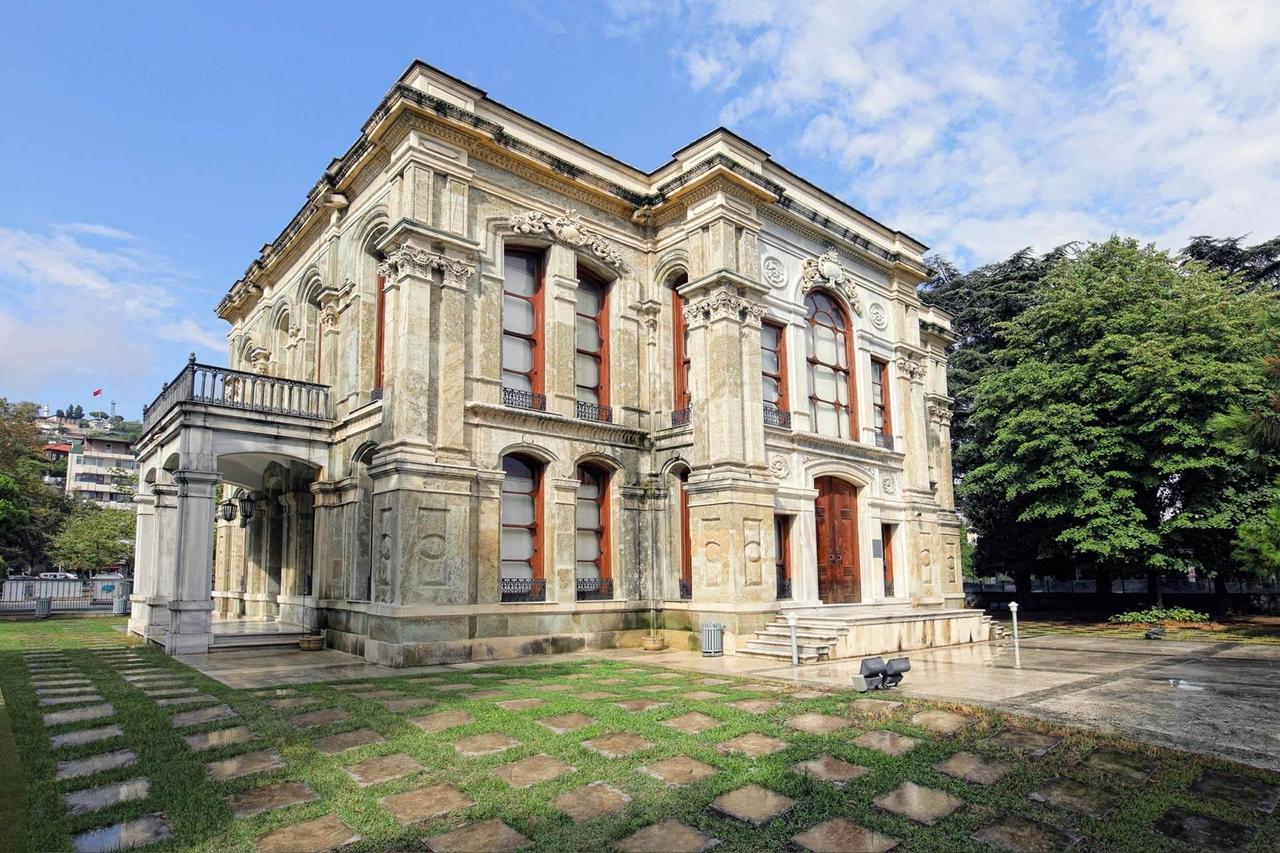
The palace's history stretches back to the reign of Sultan Murad IV, when an earlier wooden structure was built on the site. That residence was destroyed by fire and an earthquake, while the surviving building dates to the reign of Sultan Abdulaziz, from 1861 to 1876.
Designed by Ottoman architect Karabet Amira Balyan, the two-story palace combines Neoclassical and European Baroque elements, with marble facades, elaborate ceiling paintings by French artist Sason and decorative mirrors reflecting the Empire style.
Its craftsmanship and ornamentation have drawn comparisons with Istanbul's Dolmabahce Palace, albeit on a smaller scale. Over the years, it hosted Ottoman rulers, state officials, Mustafa Kemal Ataturk and French writer Claude Farrere.
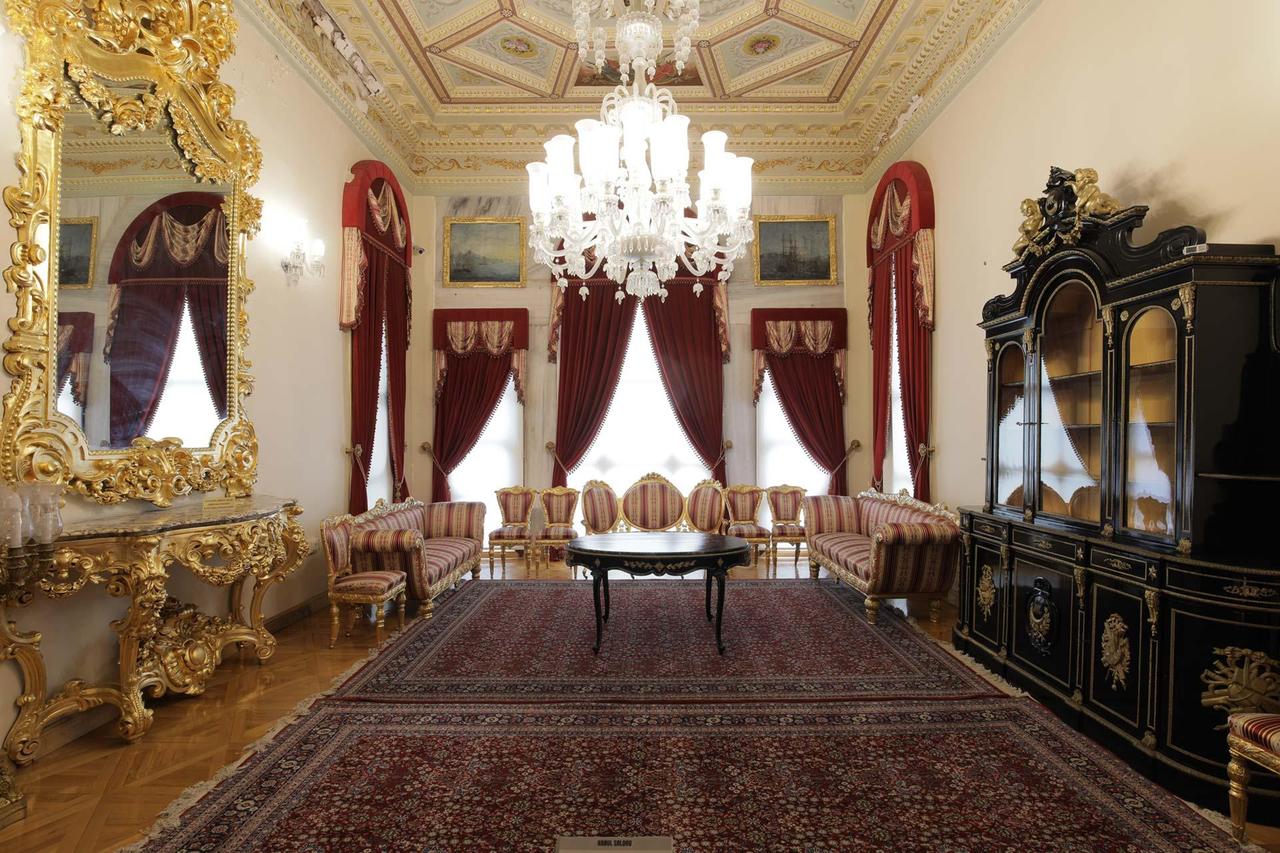
The building later served administrative functions before becoming Izmit Museum in 1967. It suffered extensive damage during the devastating Aug. 17, 1999 earthquake, underwent restoration beginning in 2004 and reopened to visitors on Jan. 16, 2007.
Today, Kasr-i Humayun Palace Museum preserves both the architectural heritage of the late Ottoman period and the setting of a political killing that connected Türkiye's independence struggle with the family history of a future British prime minister.


 Set as preferred source
 Set as preferred source


 2 min read