

 Newsletters


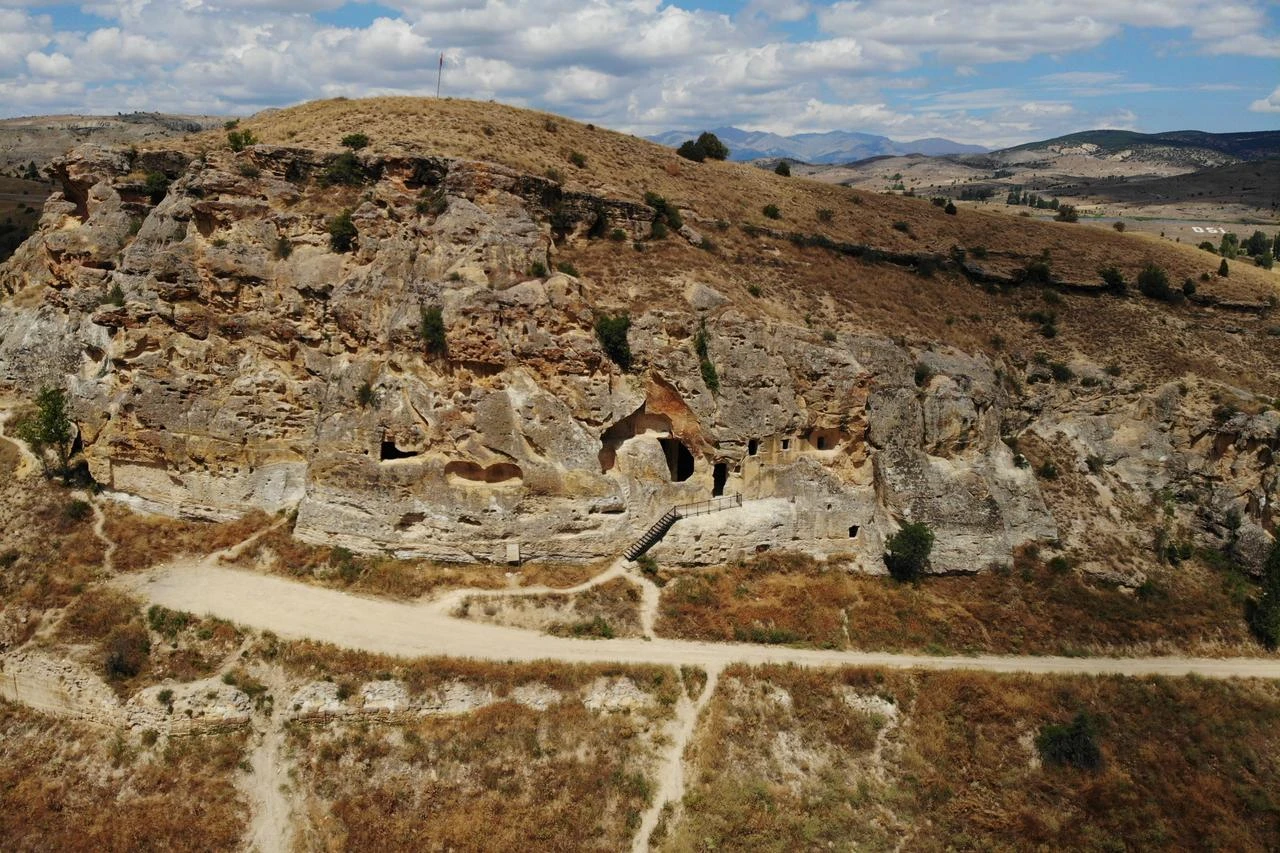


A centuries-old monastery carved into a towering rock formation in northeastern Türkiye is showing increasing signs of deterioration, as residents of Cakirkaya village call for the historic site to be restored and brought into regional tourism.
Located in the Kozagac area of Cakirkaya village in Gumushane's Siran district, Cakirkaya Monastery is believed to date from between the 13th and 15th centuries, although its exact construction date remains unknown. Historical accounts also indicate that the complex was reorganized in 1848 by Bishop Jeremias Georgiades.
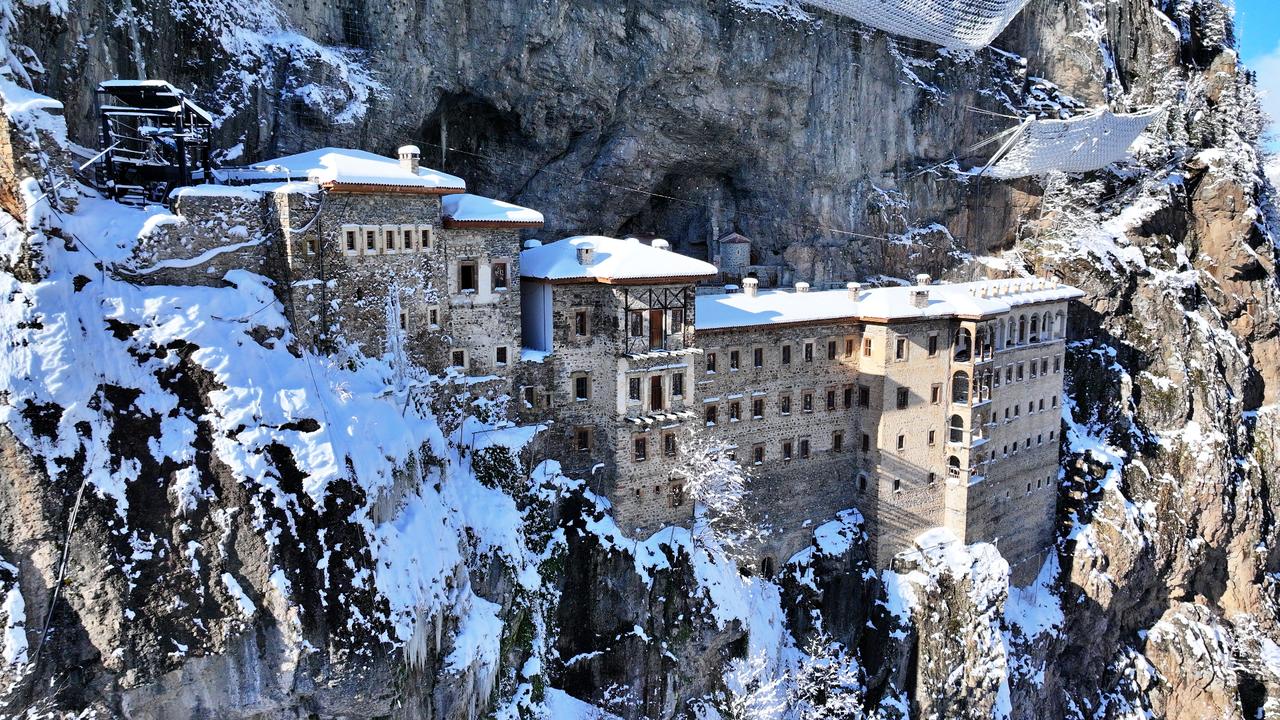
Carved directly into a rock mass rising approximately 65 meters (213 feet), the monastery stands out for the way its architecture blends into the surrounding landscape.
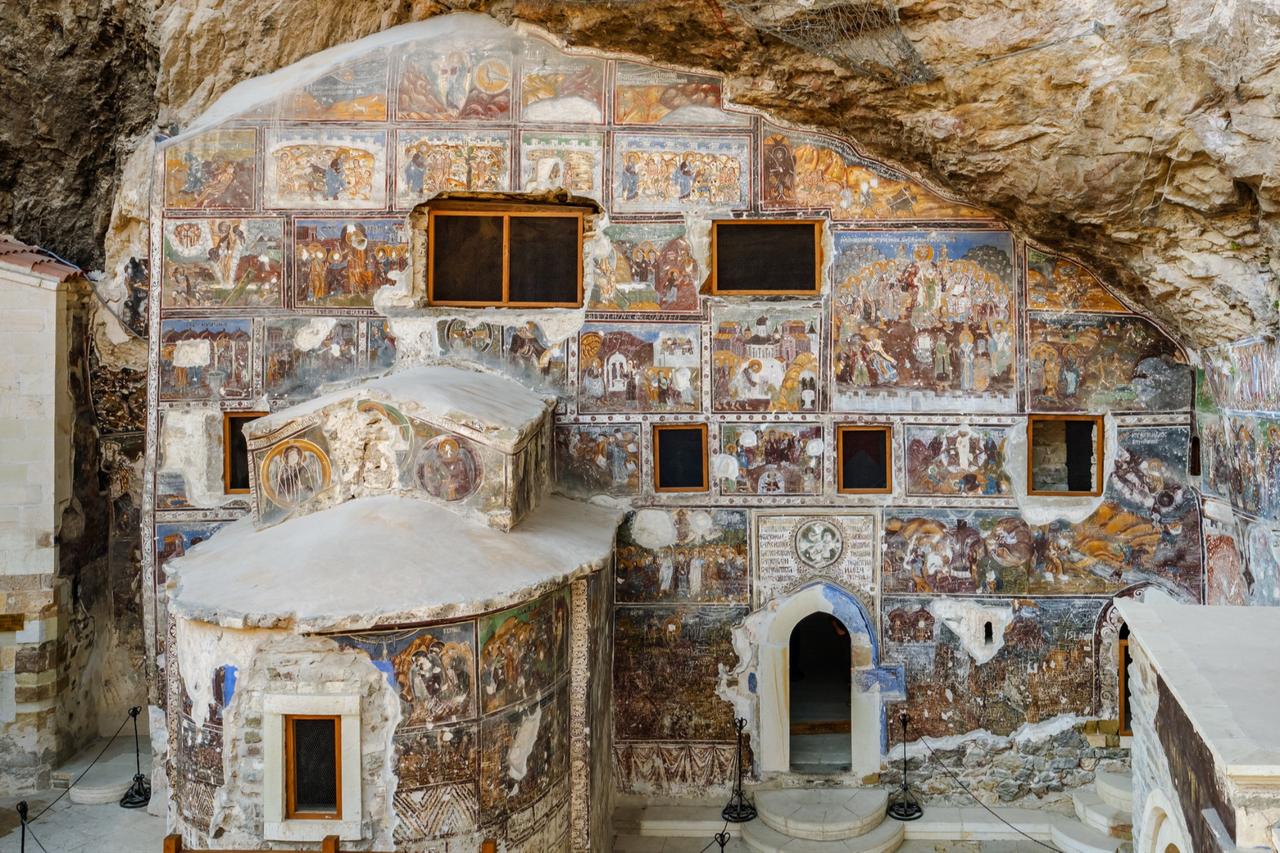
This distinctive setting has occasionally earned it the nickname "Gumushane's Sumela," drawing a comparison with the better-known Sumela Monastery in the Black Sea region.
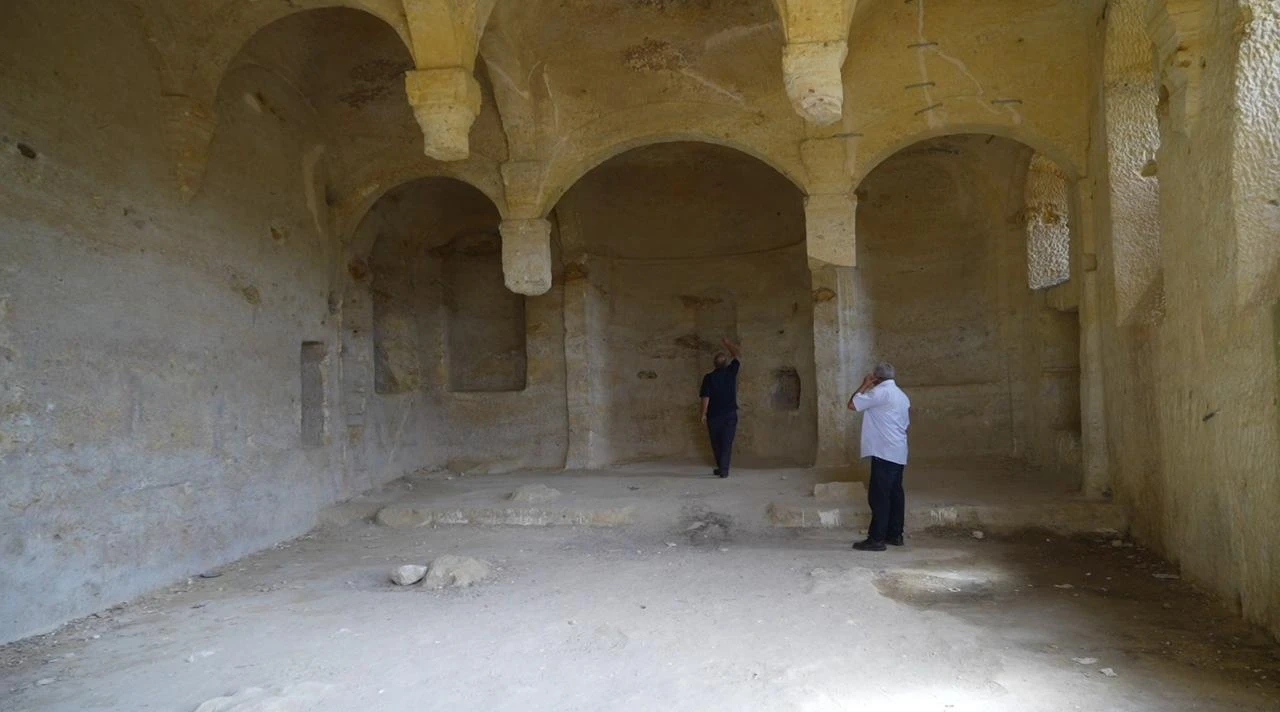

Despite its historical and cultural significance, sections of Cakirkaya Monastery have deteriorated over the years, while treasure hunting and other human activity have caused further damage.
The site was officially registered for protection in 2016, after which survey, restitution and restoration projects were prepared. However, the monastery remains in a deteriorated condition today.
Baysal Kaya, a resident of Cakirkaya village, said much of the local knowledge about the monastery's earlier history has been passed down through oral accounts.
According to those stories, a Greek community once lived in the area and took part in carving the monastery into the mountain. Kaya said local tradition also links Cakirkaya with the religious history of the wider Black Sea region, although these accounts remain based on village narratives.
"We can currently trace the history of this place only as far back as the 1800s. According to what our elders told us, Greeks lived here. They worked on carving this monastery into the mountain," Kaya said.
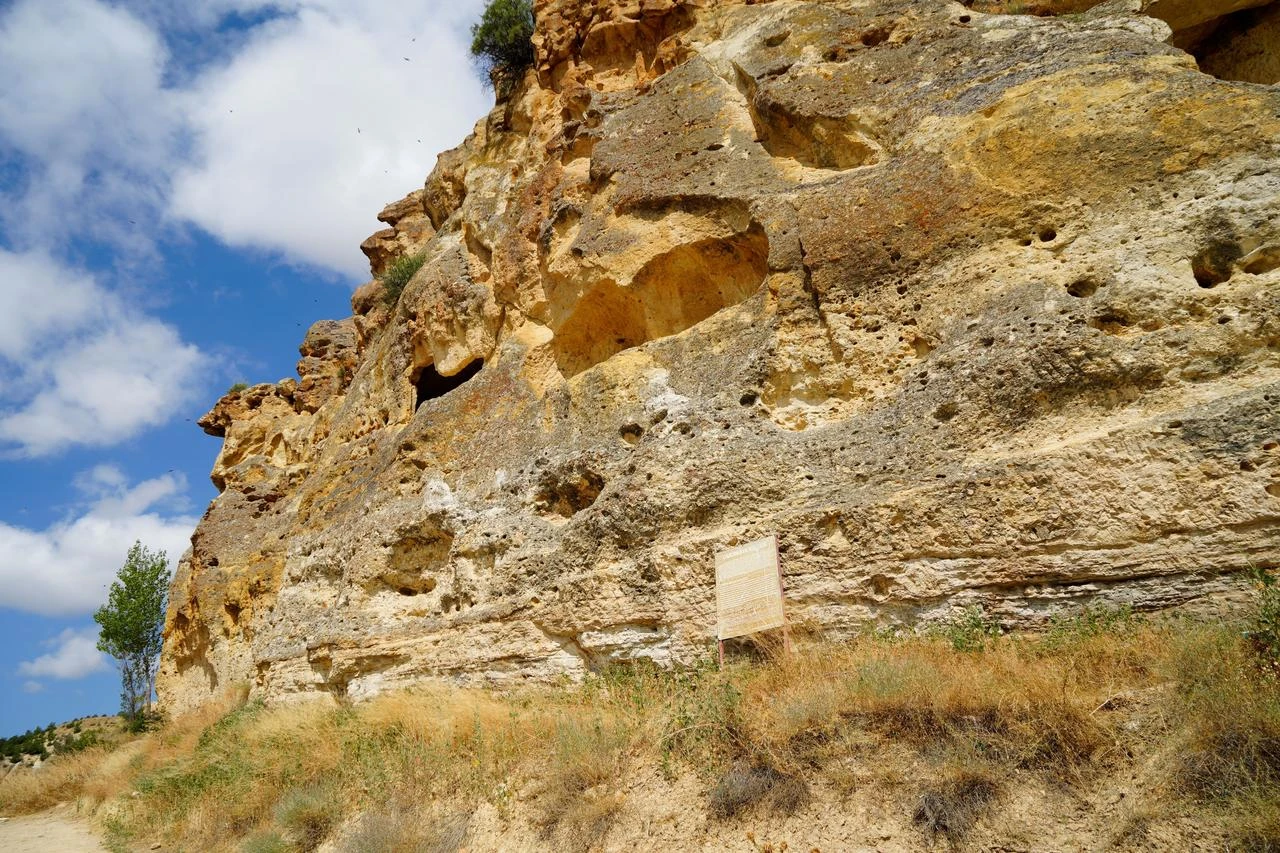
Kaya added that local stories describe the monastery as having once been considerably larger, with a total of around 40 rooms, including underground sections and rooms above the rock formation.
Over time, however, parts of the structure were damaged, while stones from the site were reportedly taken away and reused in other buildings.
"This place is in ruins. We want it to be restored and brought into tourism," Kaya said.
Village headman Seyfettin Demir also pointed to damage caused by visitors and called for restoration work to move forward.
He said the monastery continues to attract visitors, partly because it lies close to the route leading to Tomara Waterfall, another destination in the area. Visitors also raise complaints about the road leading to the site, according to Demir.
"This place is currently in ruins, and visitors cause damage. A lot of people come here. Because Tomara Waterfall is very close, people passing through always stop here," he said, adding that villagers want the monastery restored and opened up to tourism.
Archaeological finds from earlier periods discovered around the wider area add to the historical importance of the landscape surrounding Cakirkaya Monastery.
With the monastery situated close to the Tomara Waterfall route, local residents hope restoration and preservation work could eventually allow the site to become part of cultural and faith tourism while helping safeguard the historic structure for future generations.


 Set as preferred source
 Set as preferred source


 1 min read
 1 min read


