Newsletters


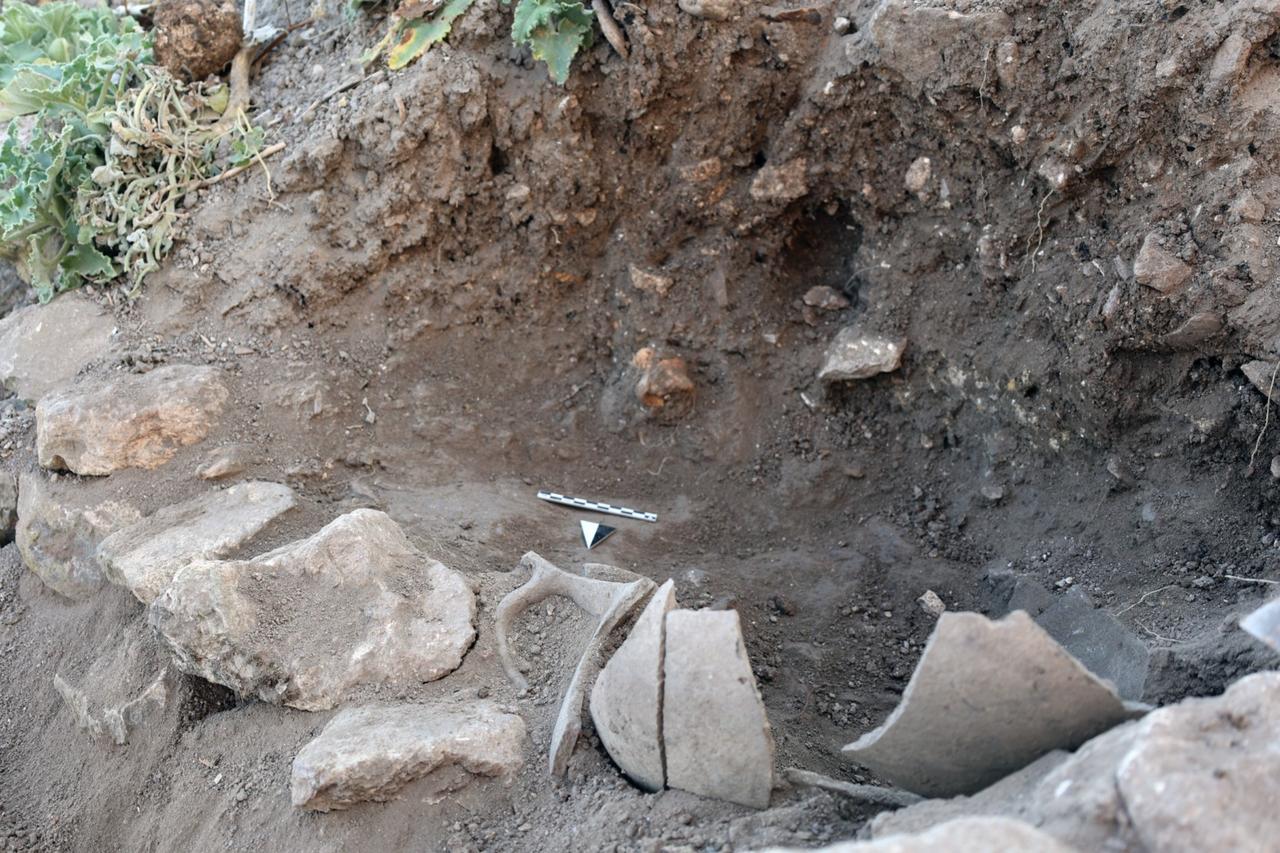


Archaeologists found carbonized seeds dating back 2,600 years in an oven unearthed during excavations at the ancient city of Daskyleion in Balikesir province, northwestern Türkiye.
The ancient city lies on the shore of Lake Manyas in Bandirma district, south of the Marmara Sea, and bears traces of many civilizations that ruled Anatolia.
Excavations at the site in the Ergili neighborhood, which dates back 3,000 years, began in 1954. Professor Kaan Iren of the Archaeology Department at Mugla Sitki Kocman University leads the work.
The current season began in July with support from the Ministry of Culture and Tourism, the Balikesir Governorship, Balikesir Metropolitan Municipality, Manyas Municipality and the university.

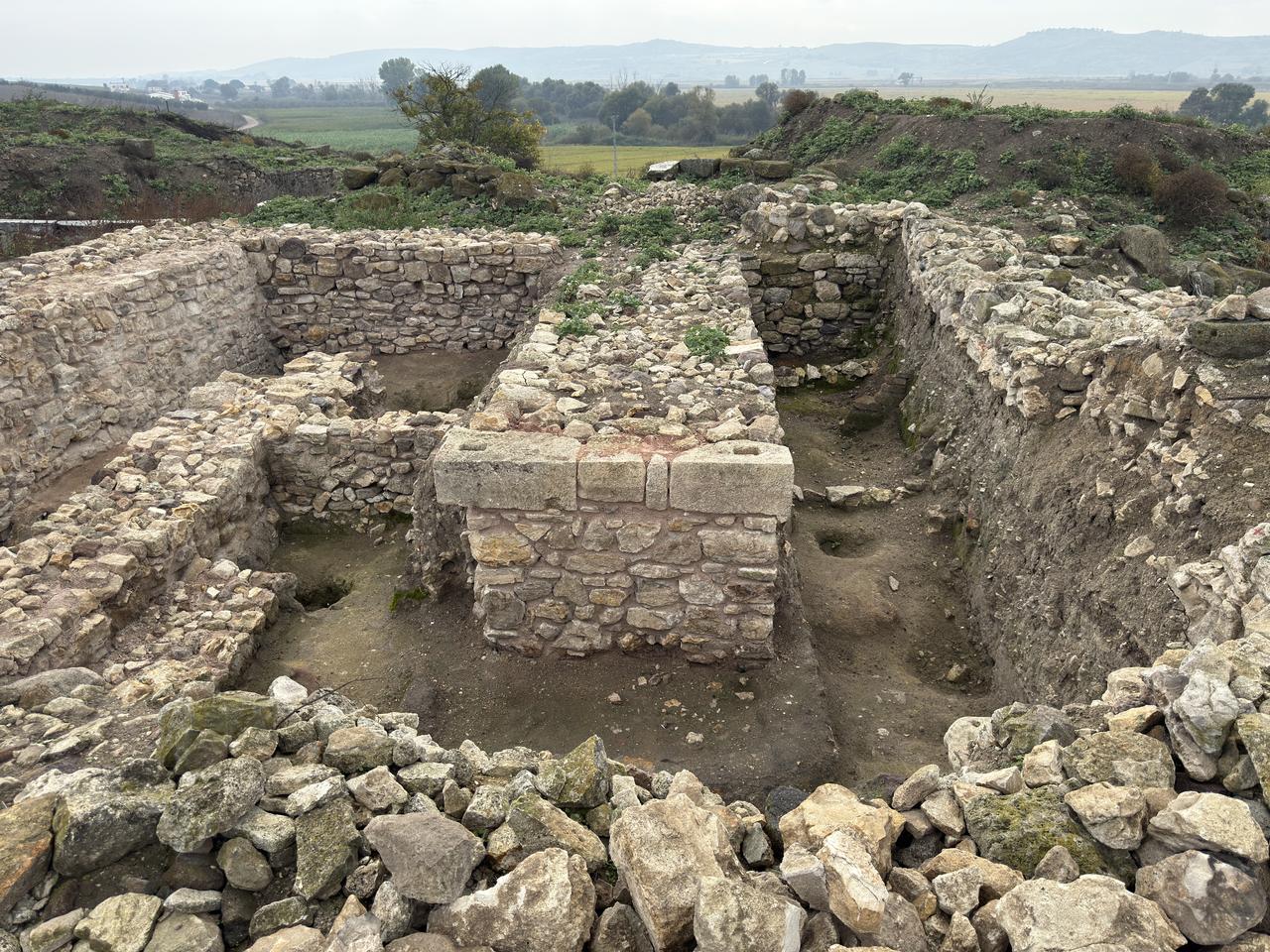
Archaeologists investigating the diet and cooking habits of the city’s residents focused on an area known as the “Lydian Kitchen.” Using small, delicate tools, the team reached new ovens.
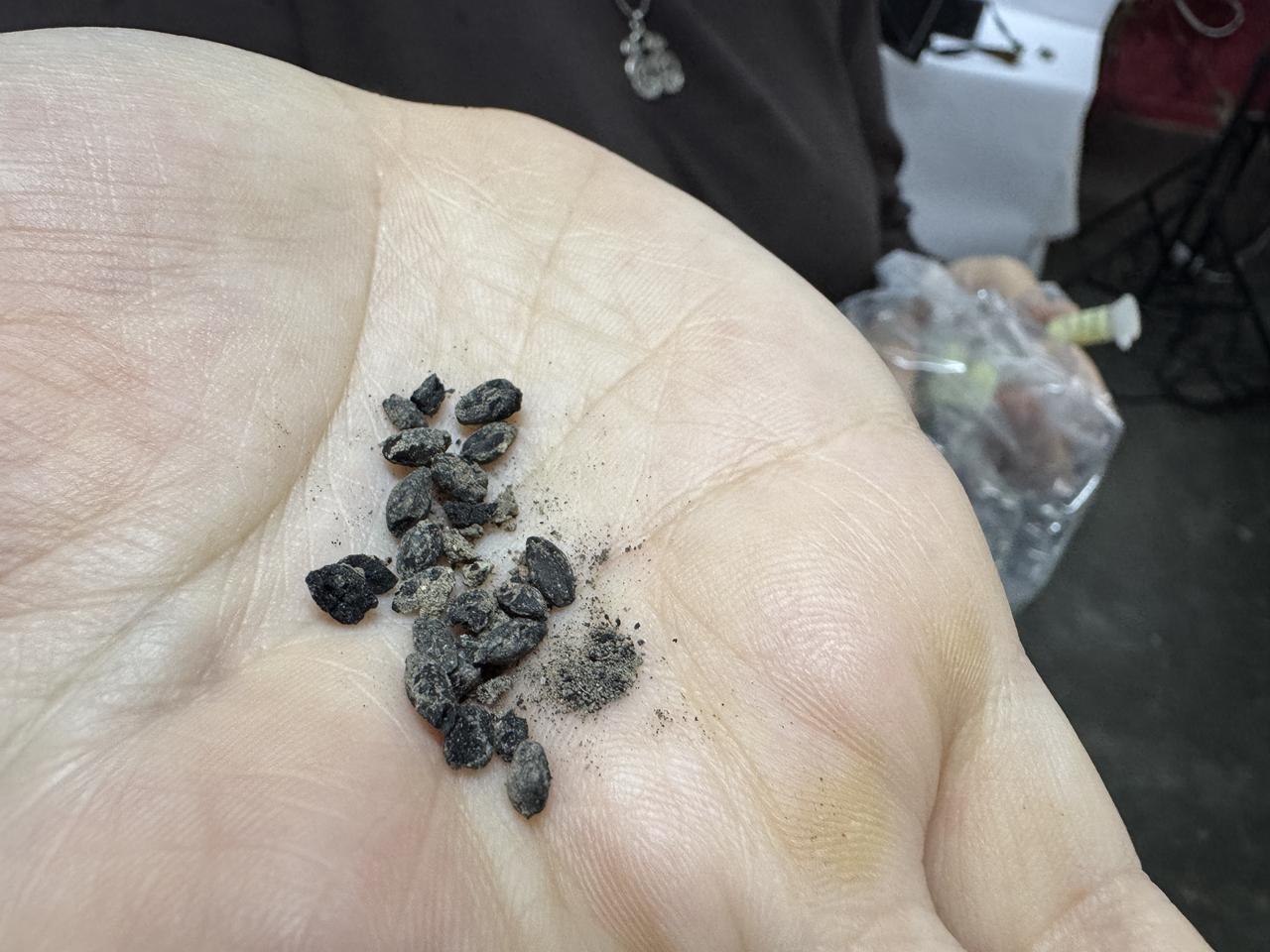
The recovered seeds include einkorn, gernik (a bearded wheat variety), wheat, six-row barley, broad beans, black vetch, chickpeas, peas, lentils, bitter vetch (a plant in the legume family), and grape seeds. Excavators found many seeds in the main rock pit, identified as a grain storage area.
The findings show where people cooked and stored food about 2,600 years ago, which plants they consumed, and how the kitchen functioned in daily life.
Yesim Kirman, a specialist archaeologist on the excavation team, told AA that this year’s excavation season has ended.
The team worked in the pantry section of the kitchen and found one more oven, bringing the total to seven, she said.
“We find everything that should be in a kitchen as if it were all in its place, just as it was,” Kirman said.
She said the team found fish bones, bird bones, and seeds of foods the residents used while digging the soil inside the oven. She added that the type and date of the seeds are determined in a laboratory.
Kirman said the team found wheat, barley, chickpeas, and lentils among the seeds in the layer inside the oven. She explained: "These seeds have been preserved in carbonized form under the soil for 2,600 years. Normally, it is very difficult for organic material to survive, but if it is in a sealed layer, we can recover it in carbonized form.”
She noted that the Lydians consumed foods similar to those eaten today.
According to Kirman, the Lydians cooked their meals in mudbrick ovens, and the recovered materials indicate that upper-class people used the kitchen.


 Set as preferred source
 Set as preferred source



 3 min read