Newsletters




Four films about prominent technology figures reach audiences this autumn, and critics say they signal a shift in how Hollywood portrays Silicon Valley founders.
Monica Castillo, film critic for The A.V. Club, told AFP that audiences once saw these figures as aspirational, larger-than-life entrepreneurs. She said the public now asks them “harder questions.”

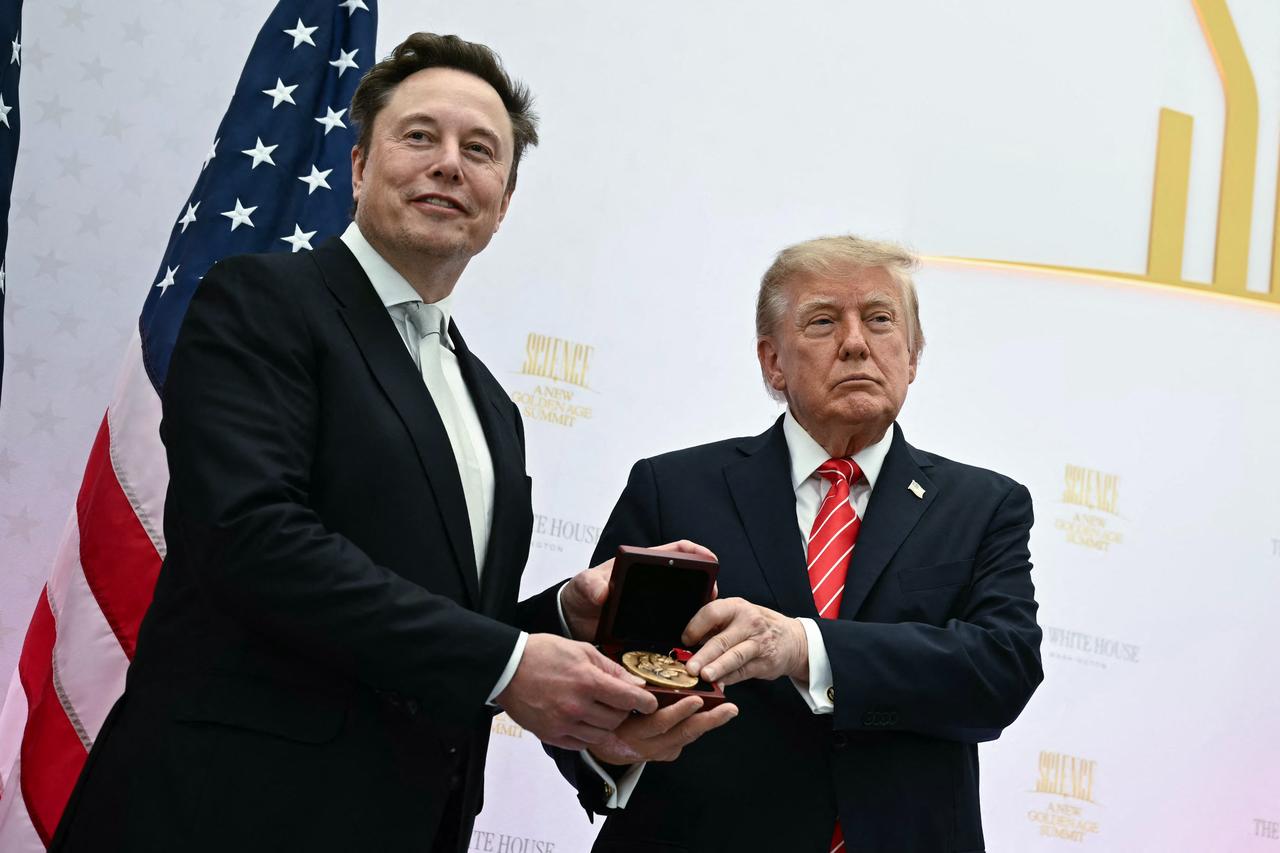
“Musk,” directed by Alex Gibney, is a nearly four-hour documentary about the head of SpaceX and Tesla. It follows his career from his beginnings as a technology entrepreneur to his alliance with U.S. President Donald Trump and the Republican Party. The film opened in New York and Los Angeles on Oct. 9 and expanded nationwide on Oct. 16.
“The Social Reckoning” is Aaron Sorkin’s follow-up to his Oscar-winning 2010 film “The Social Network.” It tells the story of company whistleblower Frances Haugen, played by Oscar-winning actor Mikey Madison, and how she revealed some of its practices.
One was that its algorithms amplified hate speech to keep users on the platform as long as possible. Sony released the film in the U.S. on Oct. 9.
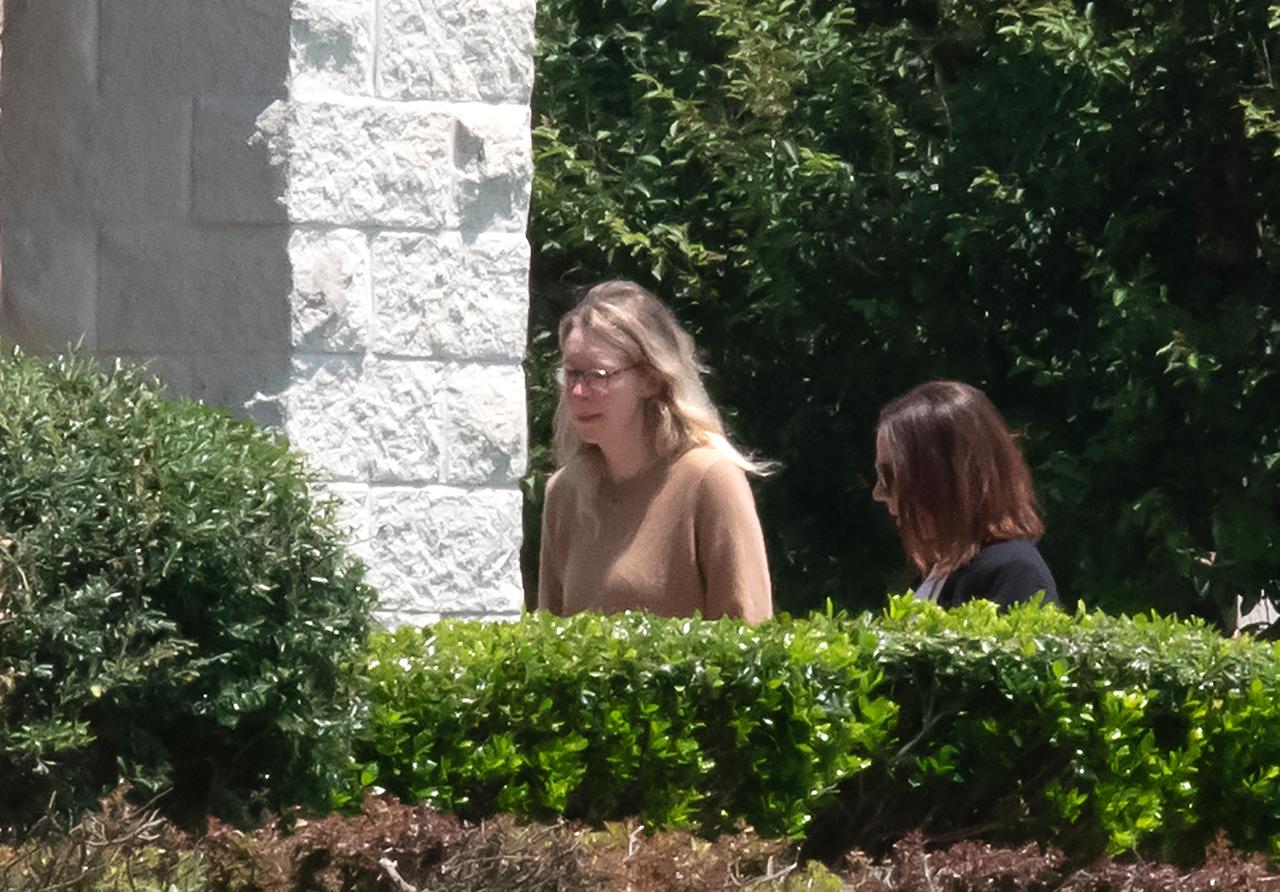
“You Can See Everything” centers on Elizabeth Holmes, founder of the blood-testing company Theranos, which pledged to run a host of tests using a few drops of blood but could not deliver. Holmes was sentenced to more than 11 years in prison for fraud and conspiracy.
Co-directors Nathan Fielder and Lance Oppenheim filmed at her home during the 34 days before she reported to a Texas prison, and they eventually moved in.
AFP said the result, a mix of documentary and reality television, is drawing early Oscar speculation. A24 opened the film exclusively in U.S. theaters on Oct. 16.
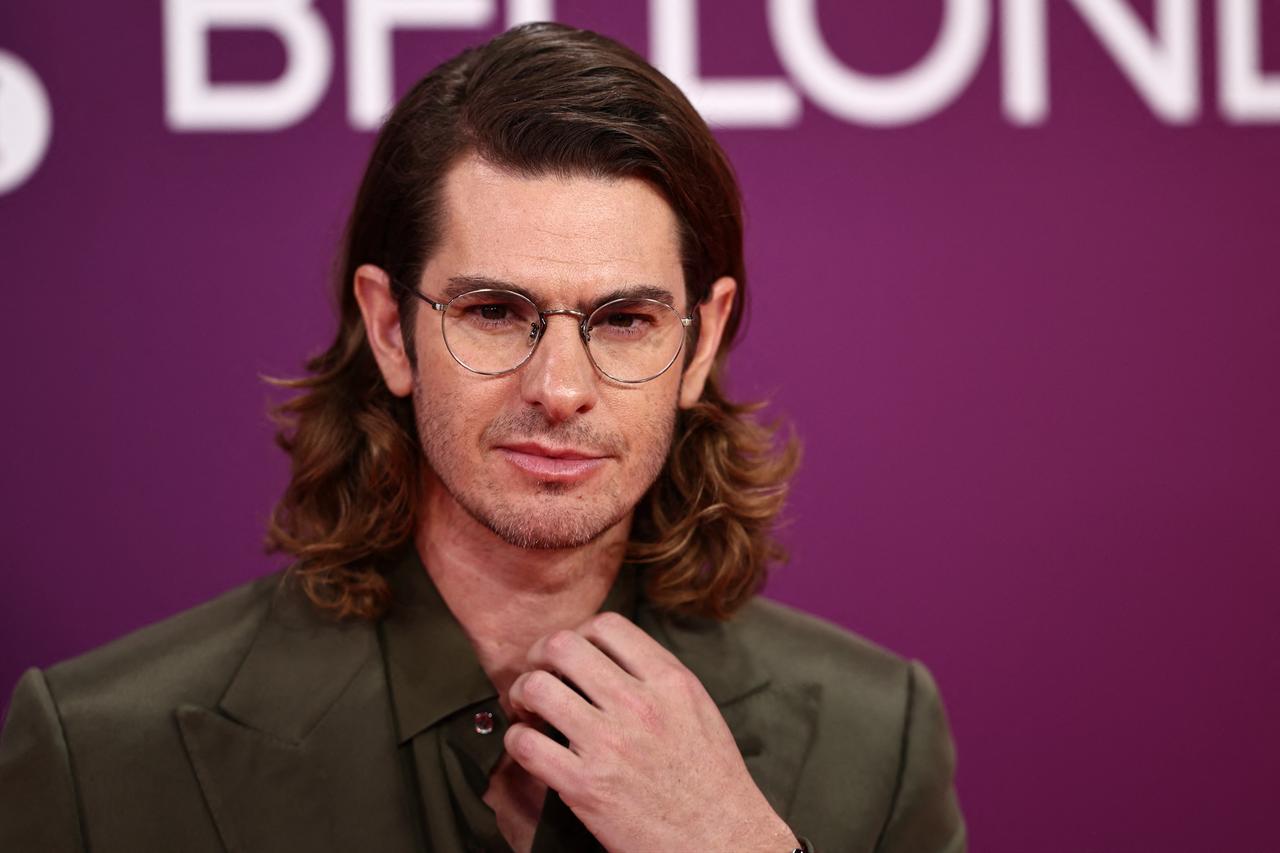
Italian director Luca Guadagnino’s “Artificial” stars Andrew Garfield as OpenAI chief Sam Altman, whose company developed the generative artificial intelligence tool ChatGPT.
Matt Neglia, editor-in-chief of the show Next Best Picture, called the film “as entertaining as it is terrifying.” It premiered at the New York Film Festival on Oct. 5, and Neon will release it in U.S. theaters on Dec. 25.
J.M. Tyree, a cinema professor at Virginia Commonwealth University and editor-in-chief of Film Quarterly, told AFP that popular films reflect the social anxieties of their time.
He said people worry about power concentrating in the hands of a few individuals at the expense of most citizens and that they have lost faith in “zillionaire tech moguls.”
Tyree said a common thread in the films is that the figures keep wealth for themselves while their products don't seem good for society.
He also noted that earlier captains of industry launched art museums and libraries, while this generation shows less interest in philanthropy.
The films also show how Musk and Zuckerberg amassed enough power to affect U.S. government policy.
Castillo said the directors appear to seek “some sort of accountability for all the damage” the tech figures have caused.
“The only way that they can punch back is through their movies,” she said.


 Set as preferred source
 Set as preferred source



 3 min read