Newsletters


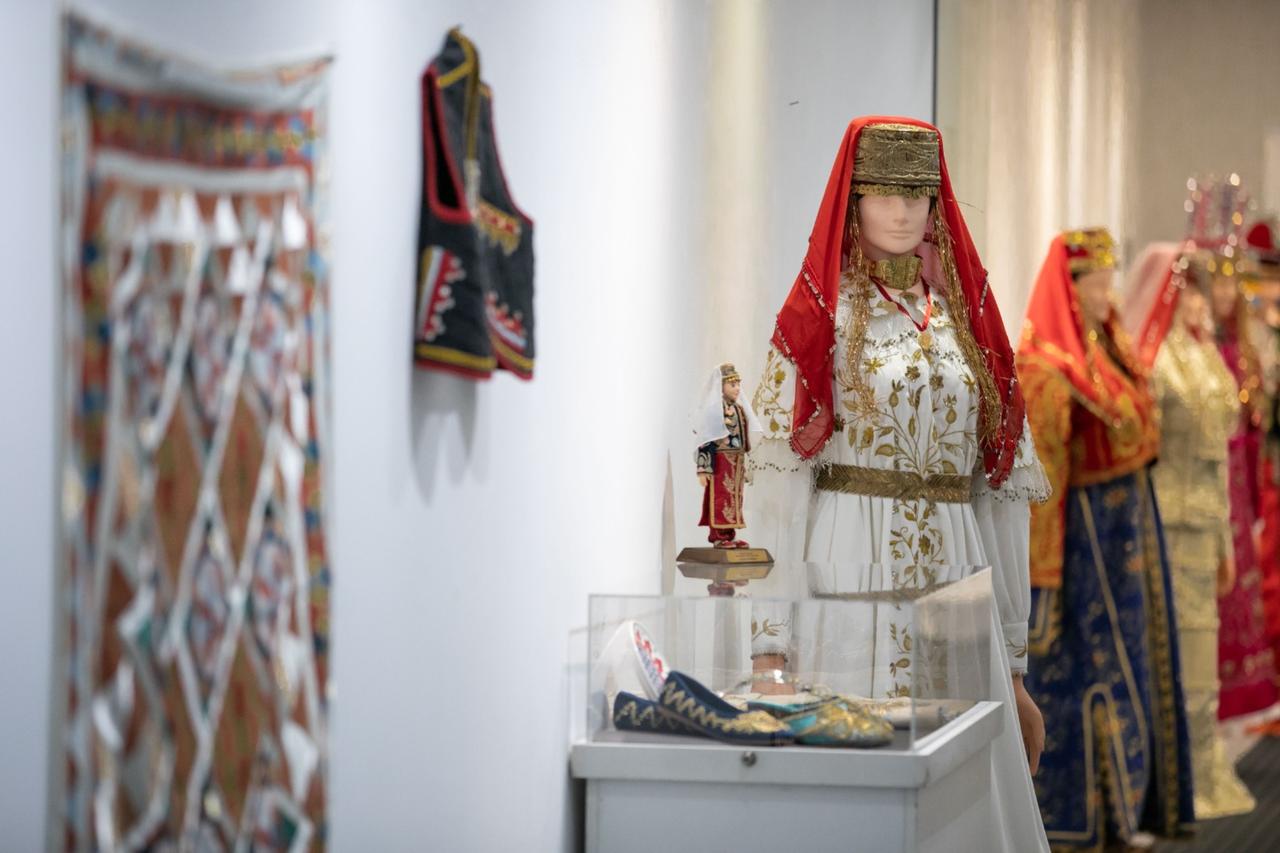


Century-old bridal gowns and handcrafted dowry pieces from across Anatolia have gone on display in Croatia’s capital Zagreb, offering visitors a detailed look at traditional Turkish wedding culture and the rituals that surround it.
The exhibition has been mounted at the Yunus Emre Institute (YEE) in Zagreb and focuses on wedding garments, bridal trousseau items and works that depict the traditional wedding table from different regions of Anatolia.
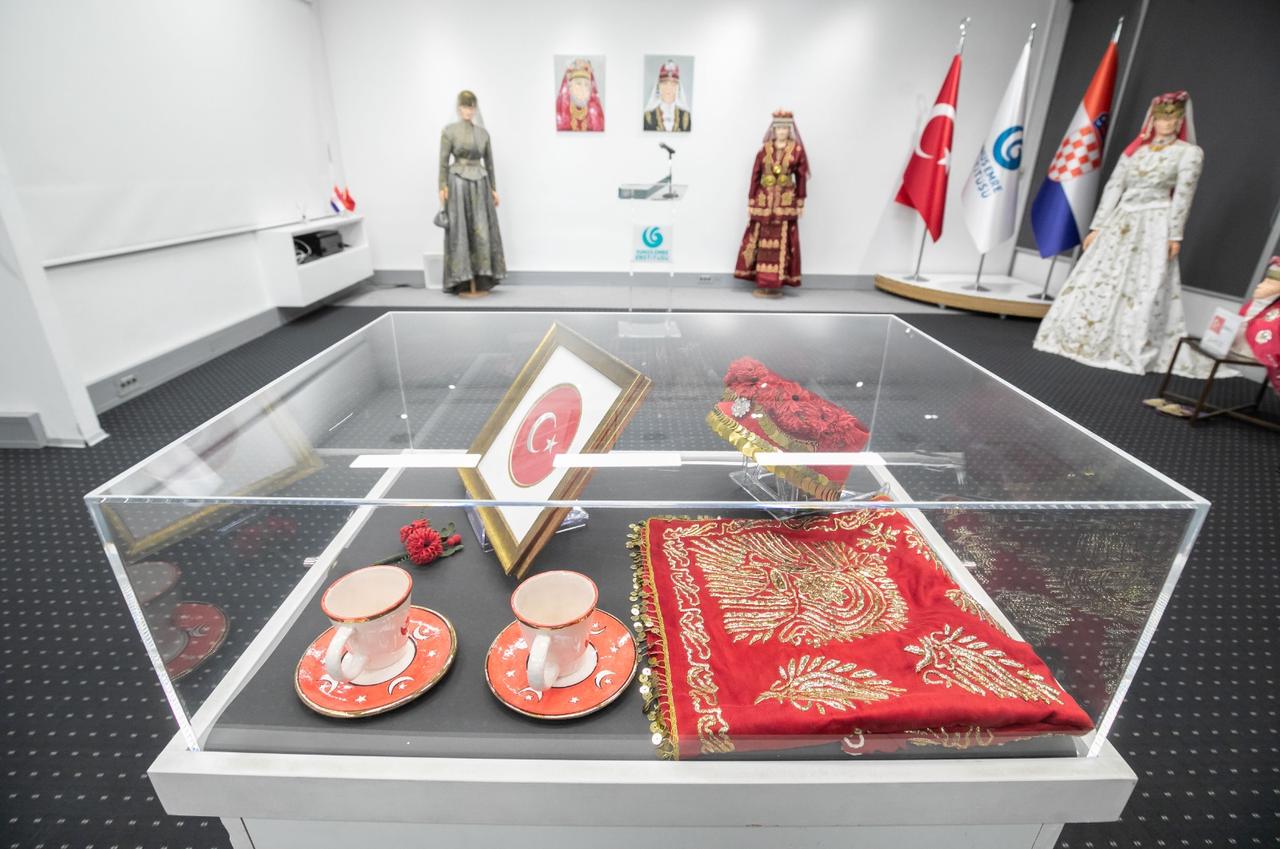

The pieces on show were prepared by trainees and teachers at the Izmir Olgunlasma Institute, a vocational institute operating under the Lifelong Learning Directorate of the Ministry of National Education in Türkiye.
Their works, which include carefully recreated historical wedding dresses and textiles inspired by original examples, have been brought together in Zagreb to introduce key elements of Turkish wedding customs to an international audience.
The exhibition highlights bridal gowns, bridal dowry pieces, traditional trousseau items prepared for the bride, as well as objects that visually narrate the layout and symbolism of the wedding table, which holds a central place in many Turkish ceremonies.
According to the organizers, the exhibition was designed to help protect Turkish cultural heritage and pass it on to younger generations at home and abroad.
By bringing together garments, textiles and decorative items from different parts of Anatolia, the “We Have a Wedding” project underlines how regional styles, colours and motifs have shaped wedding culture over time, while still forming a shared visual language that many Turkish families recognize today.
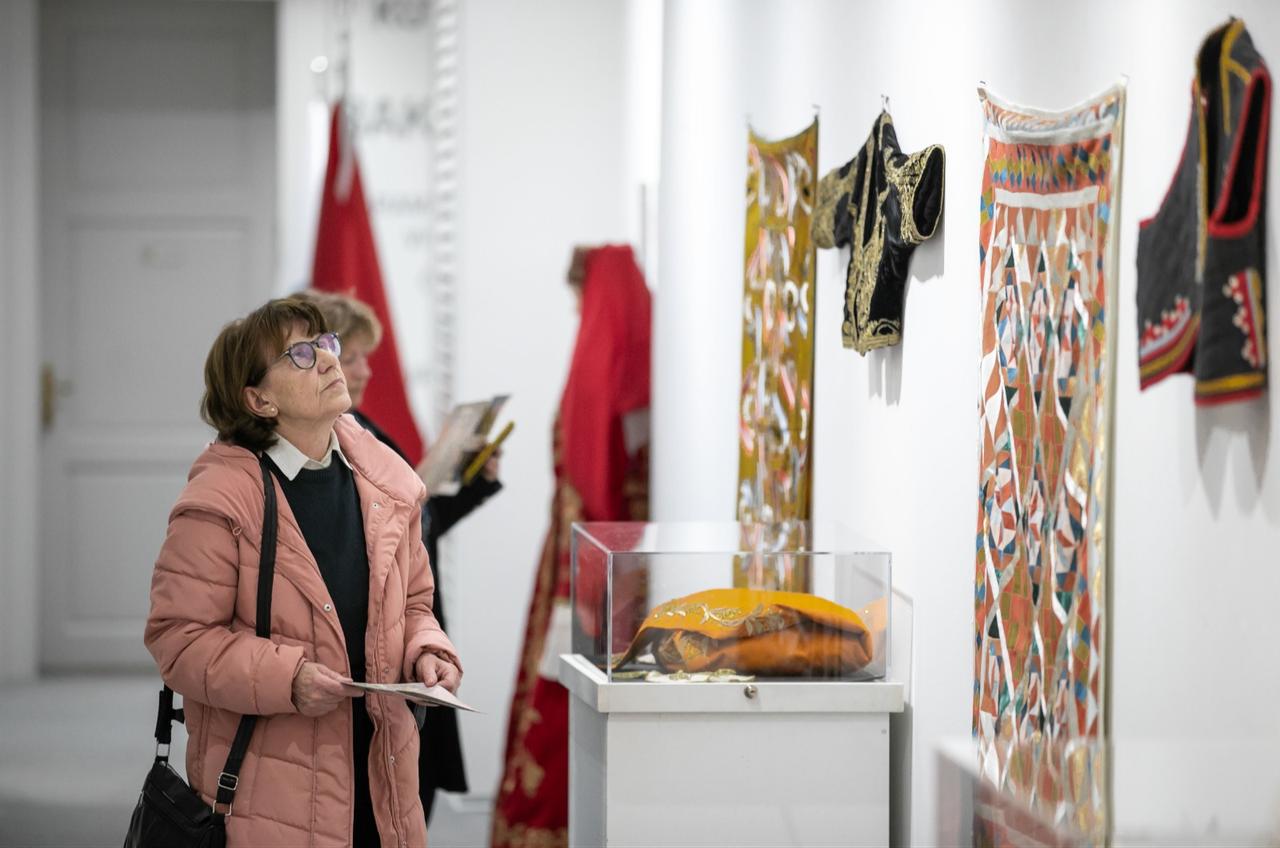
Speaking at the opening, Izmir Olgunlasma Institute Director Sule Aydin said the exhibition aims to promote Türkiye’s cultural values on an international platform.
She noted that presenting these works in Zagreb carries special meaning, since it gives local visitors the chance to get to know Turkish traditions more closely and creates fresh space for cultural dialogue. Aydin underlined that the event is seen as an important step in sharing Turkish culture and in strengthening friendship between Türkiye and Croatia.
The exhibition has been supported by the Turkish Minority Representation of the City of Zagreb together with the Yunus Emre Institute in Zagreb, which jointly hosted the opening program.
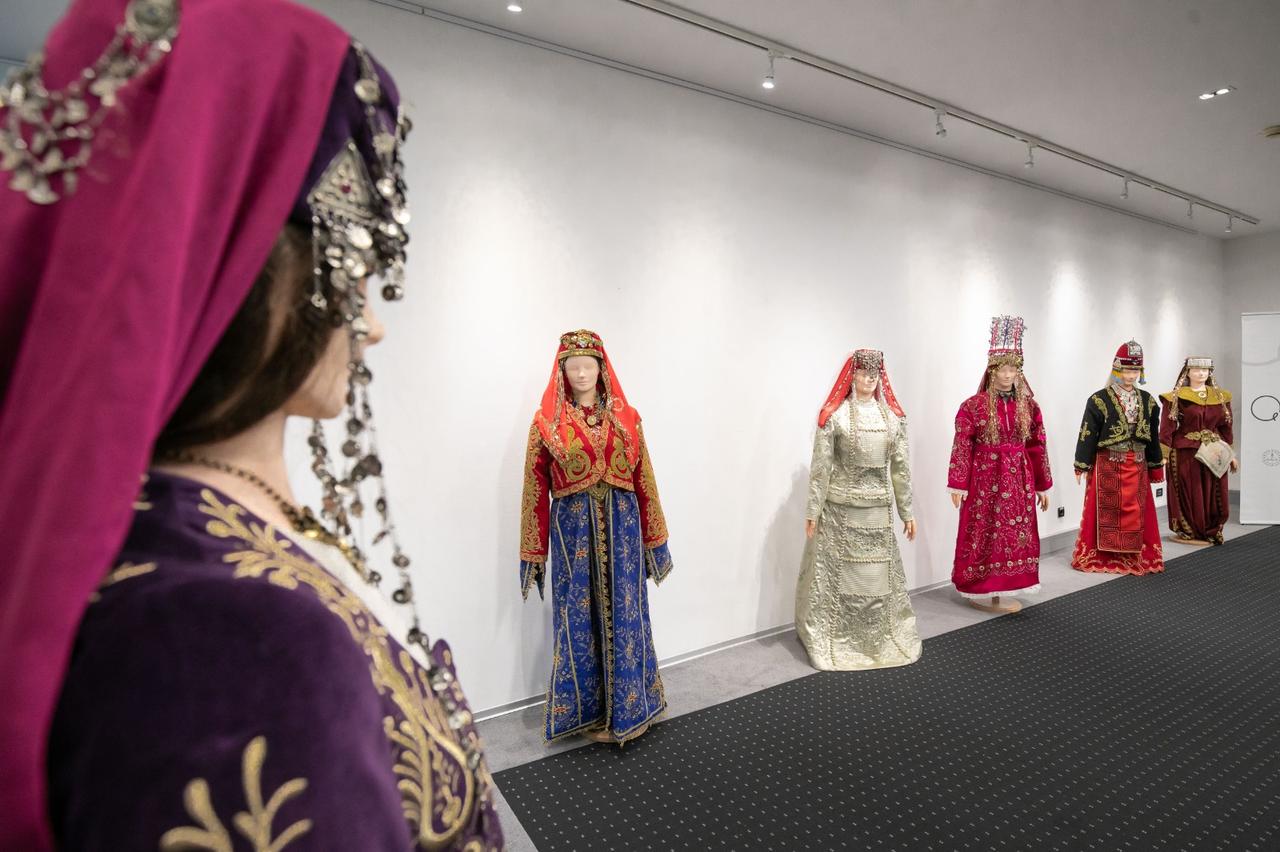
Alongside the bridal gowns and trousseau pieces, visitors can see rich examples of Turkish handicrafts, including wedding motifs, handmade accessories, jewellery, bridal headpieces and decorative elements used in traditional ceremonies.
These details collectively illustrate how embroidery, metalwork and textile design come together in Turkish weddings, not only to dress the bride, but also to decorate the home and the shared spaces where families and guests gather.
The organizers stated that the exhibition at the Yunus Emre Institute in Zagreb is scheduled to close Friday.


 Set as preferred source
 Set as preferred source


 1 min read
 1 min read