Newsletters


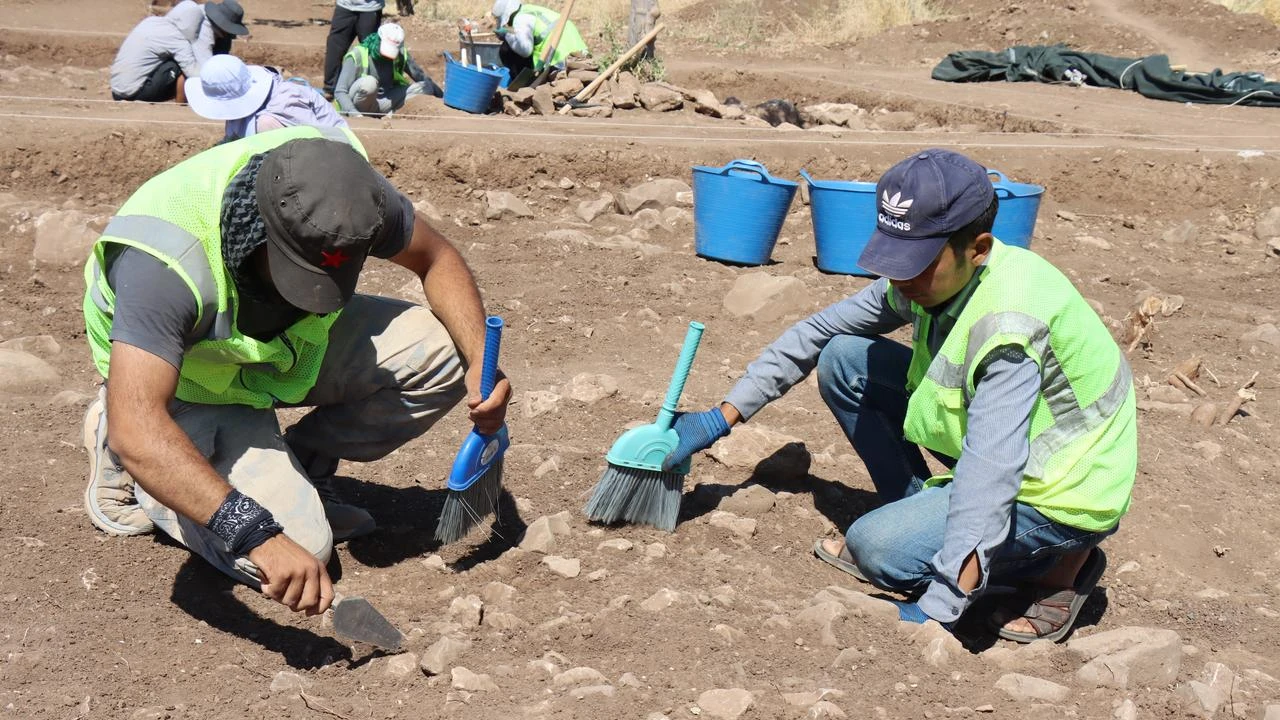
At Yogunburc, in the Karakopru district of Sanliurfa, southeastern Türkiye, Chinese archaeologists have joined a joint excavation under the Culture and Tourism Ministry's Tas Tepeler Project, working to uncover Neolithic-era remains believed to date back roughly 12,000 years.
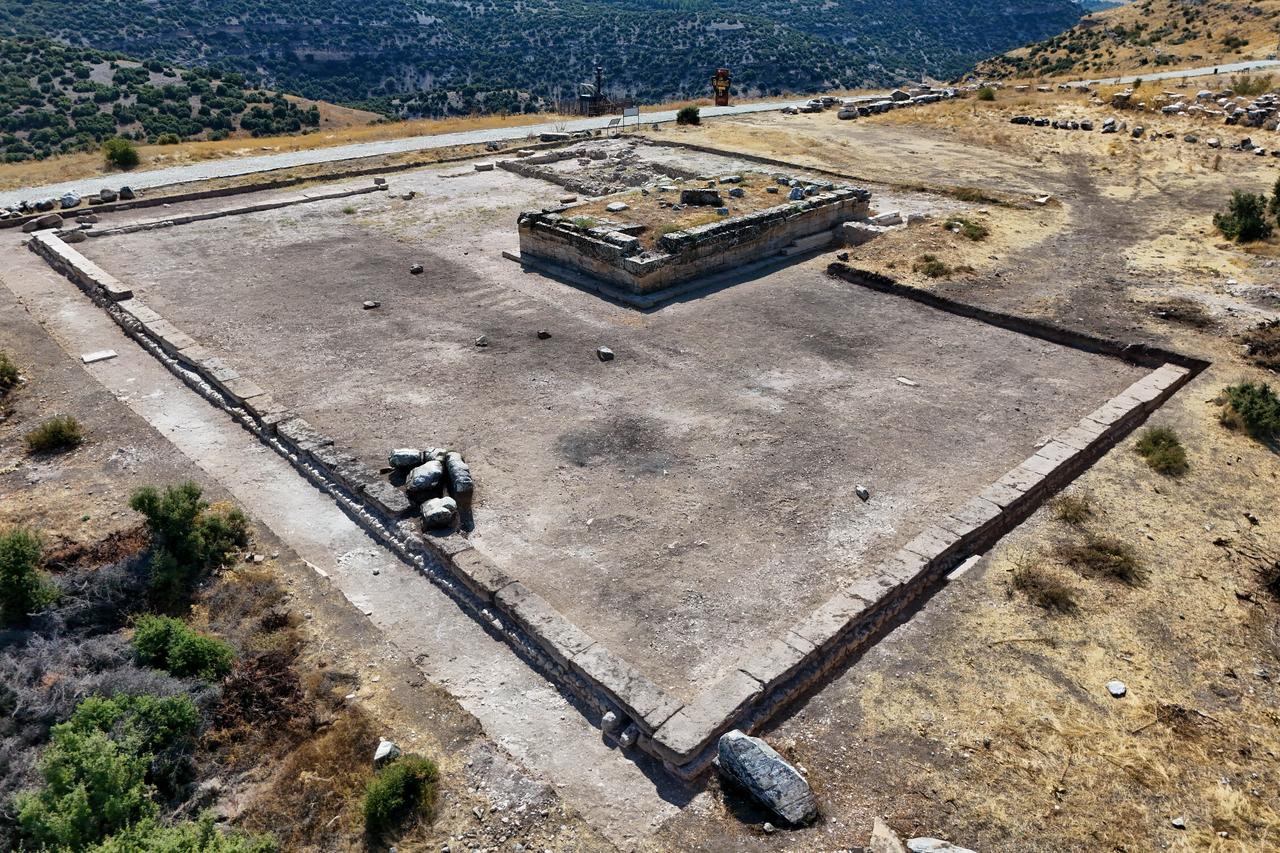
The dig site sits within the wider Tas Tepeler Project, a cluster of 12 Neolithic locations across the Sanliurfa region that includes the world-renowned sites of Gobeklitepe and Karahantepe, all tied to the same early era of human settlement.
Fieldwork at Yogunburc began on July 16, marking the first excavation season carried out through cooperation between Türkiye and China, with researchers from China's State Cultural Heritage Administration Archaeological Research Center joining local teams on site.
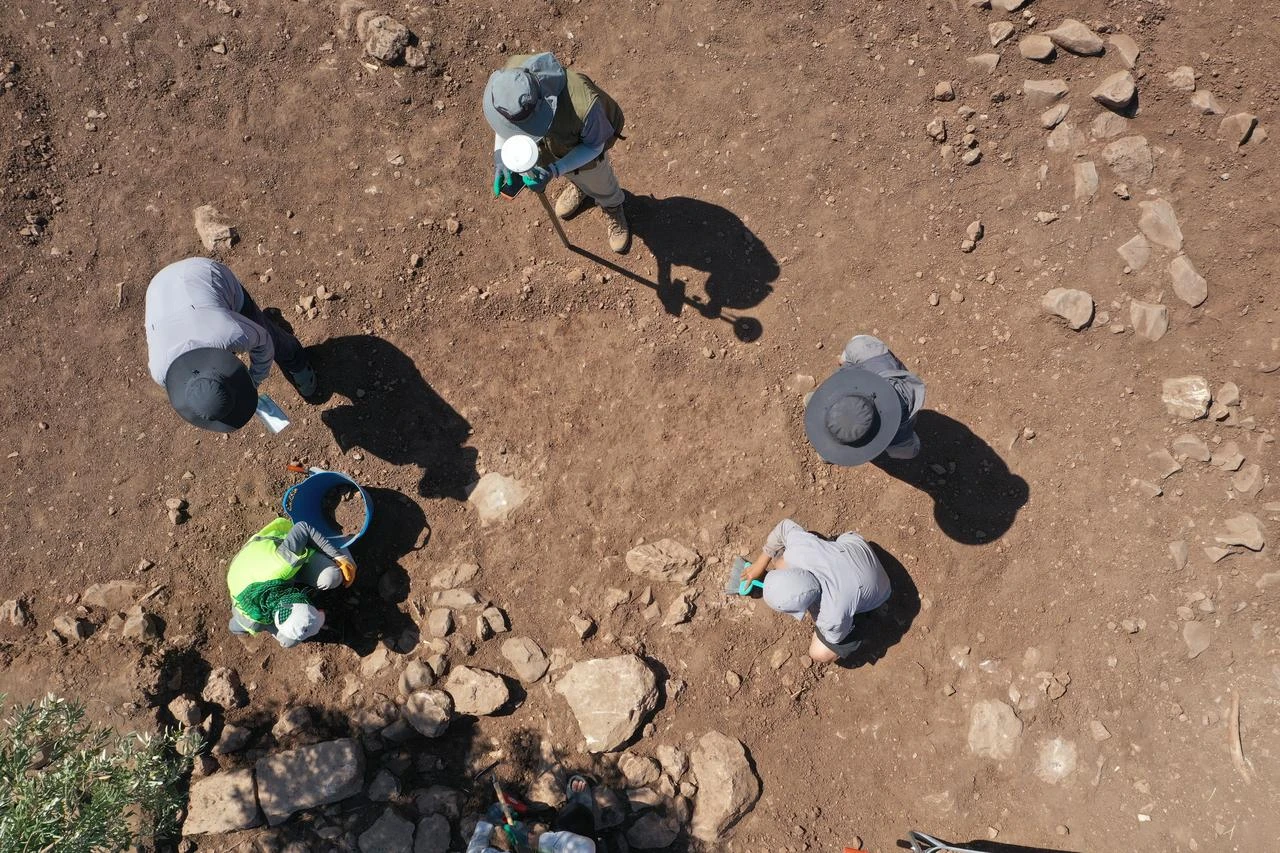
The excavation is led by Prof. Dr. Gan Caichao, who heads a 22-member team that includes seven Chinese archaeologists working alongside Turkish counterparts from the Sanliurfa Archaeology Museum across the roughly 22-donum site.
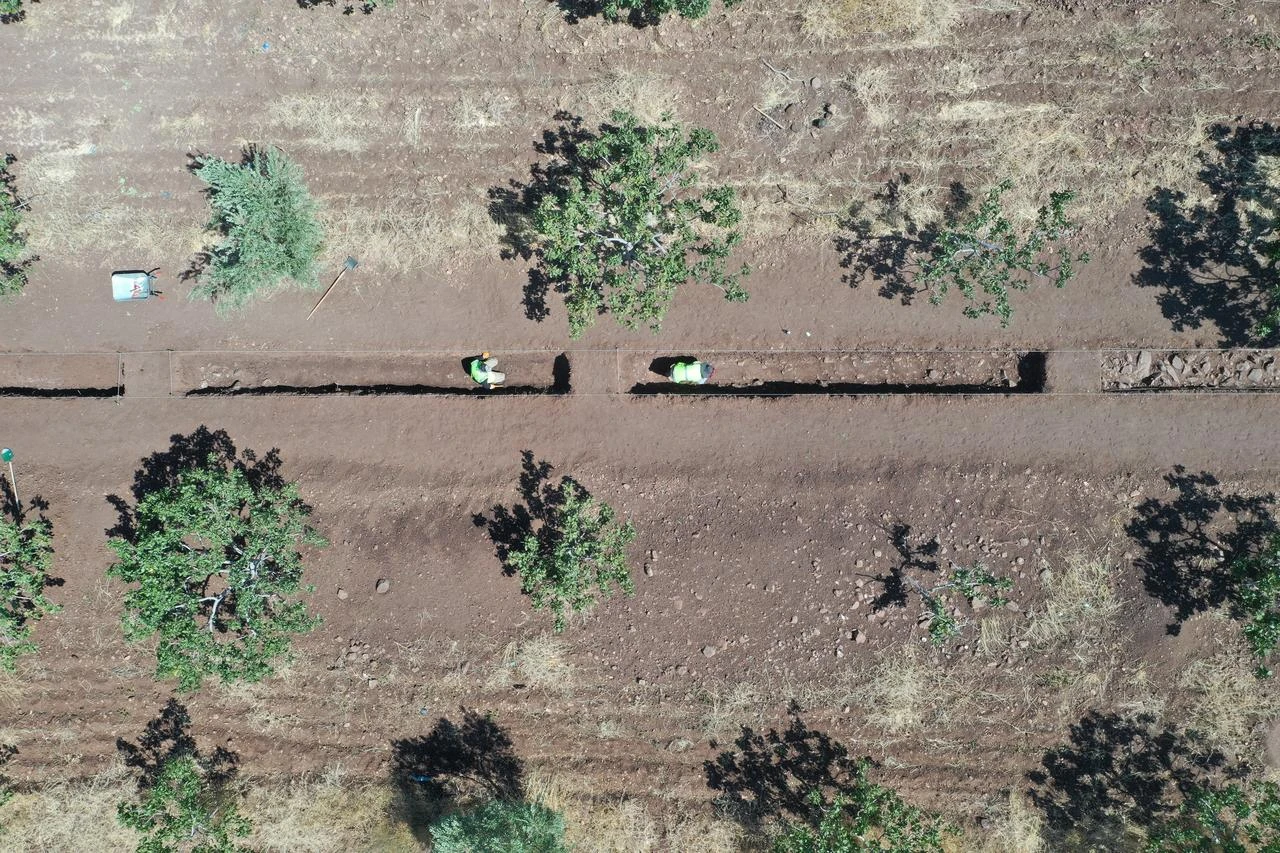
Gan said the team was pleased to take part in the internationally recognized Tas Tepeler Project, noting that the Sanliurfa region holds some of the most significant Neolithic remains found anywhere, with high expectations for what the site may still reveal.
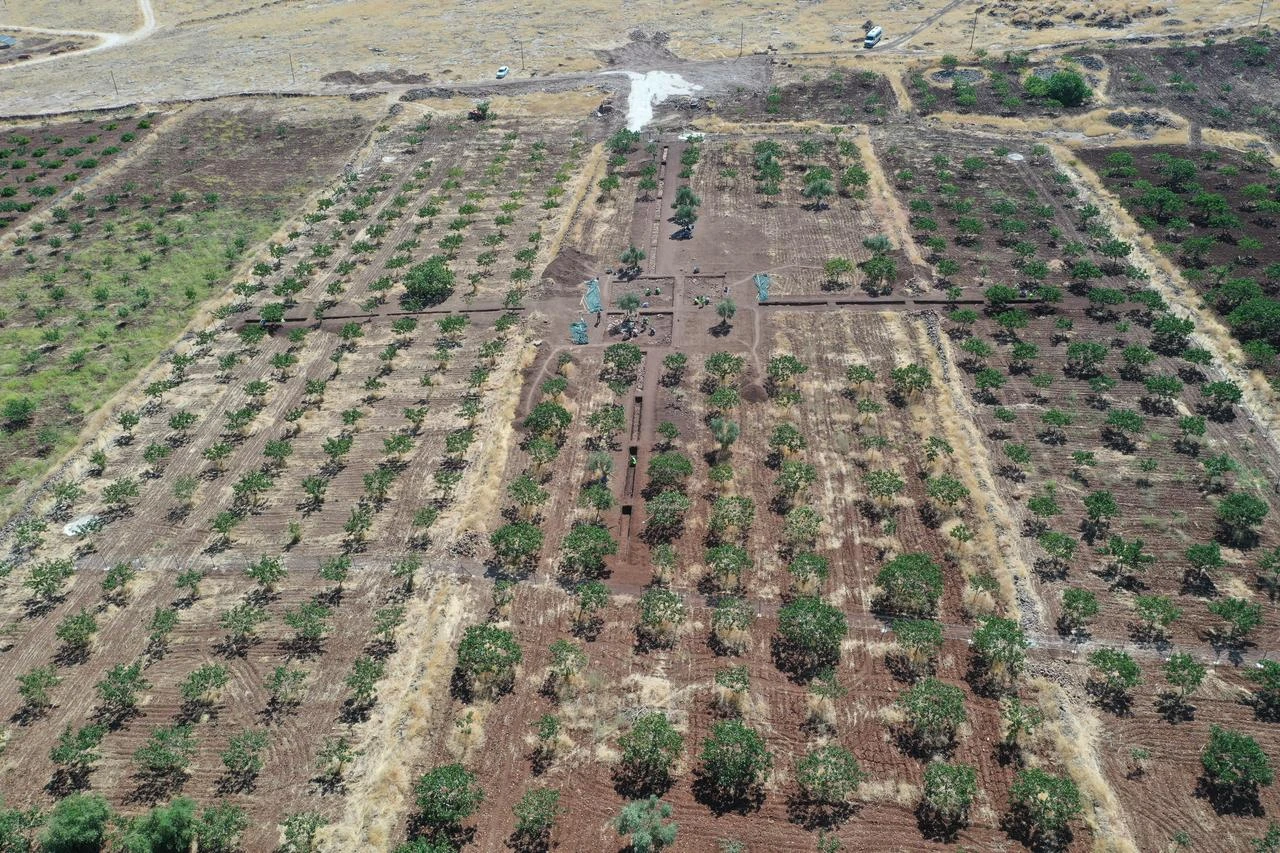
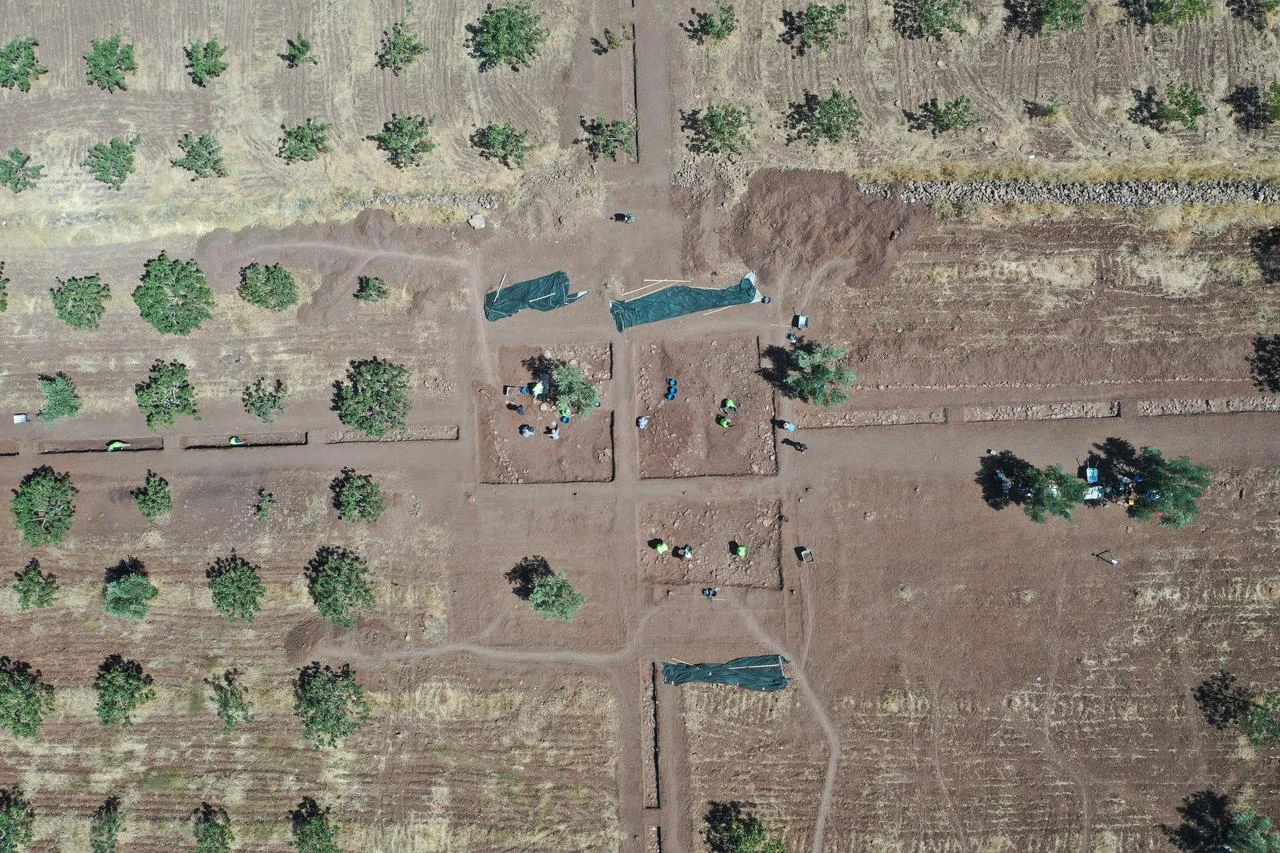
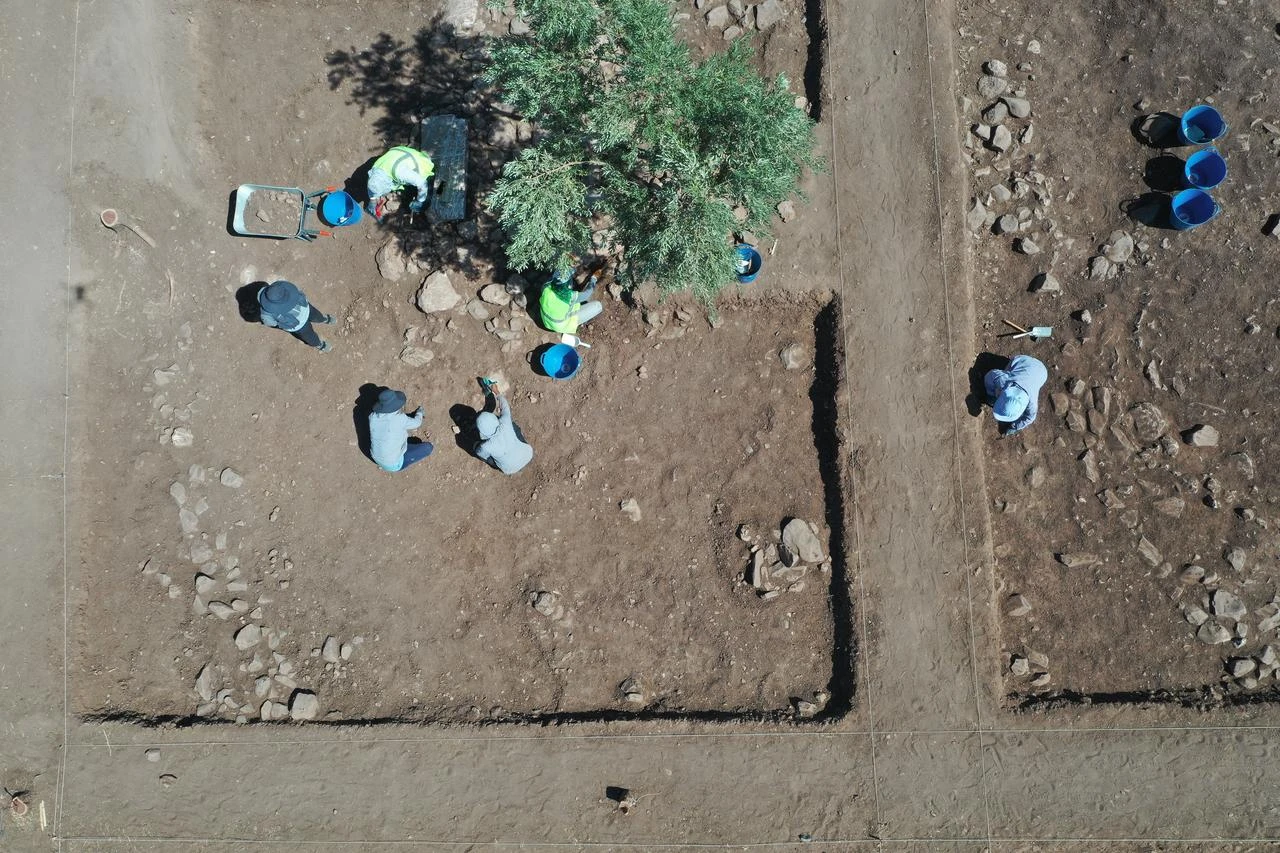
To map the site, researchers cut channels running east-west and south-north to mark the excavation's boundaries and identify zones of greater density, while a central square area was designated for closer study.
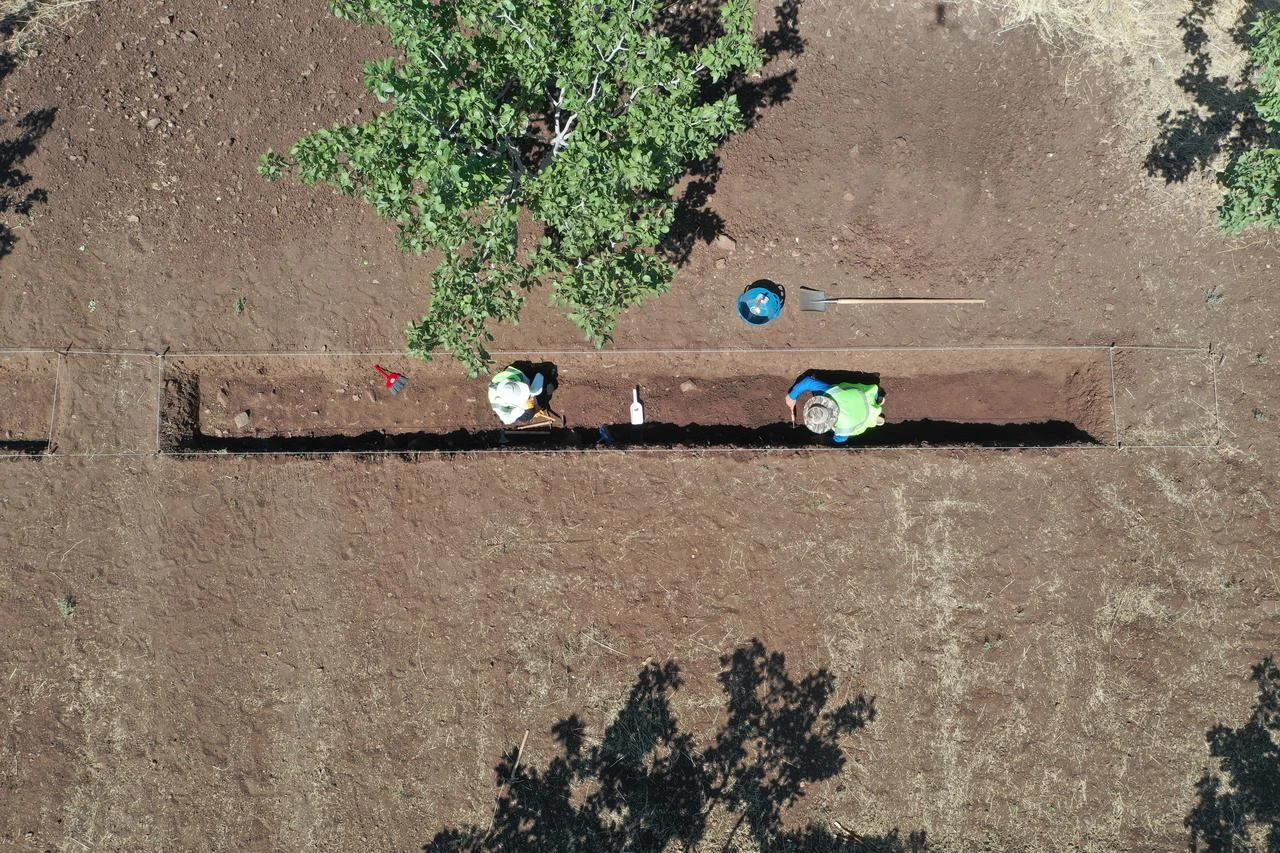
Early finds at the site include beads and pieces of flint tools and adornments researchers say were used by Neolithic communities thousands of years before recorded history.
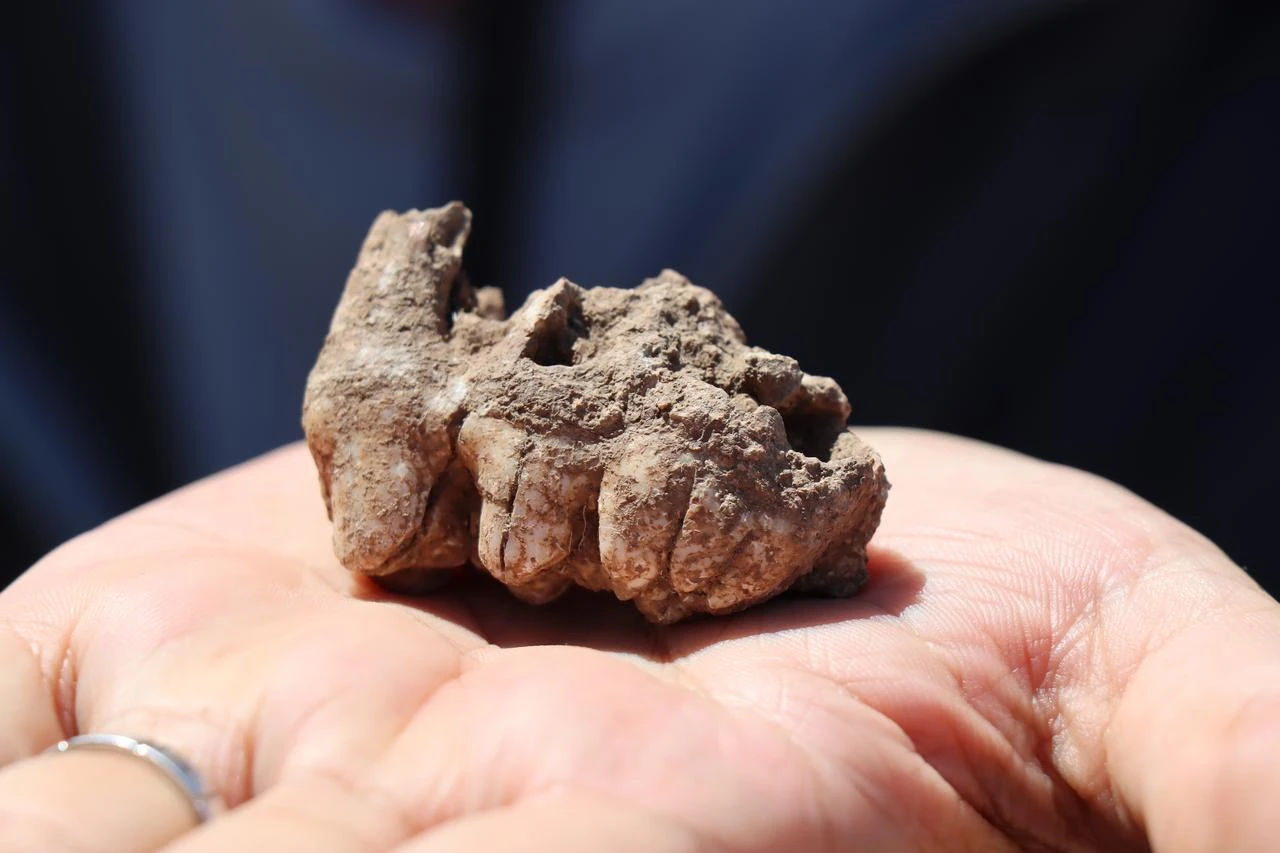
Excavators have also recovered wild boar teeth from the site, additional evidence of the diet and daily activity of the people who once lived in the area.
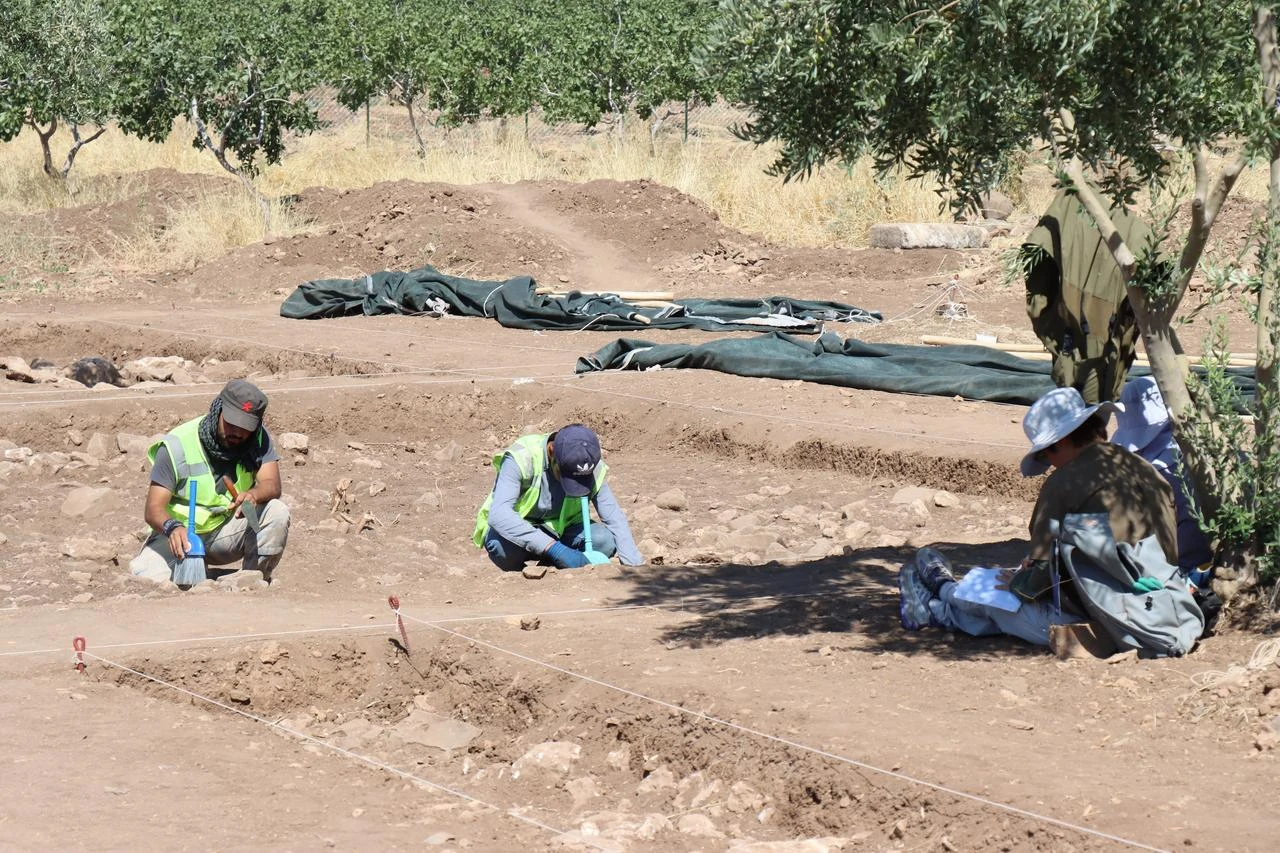
According to Gan, the beads and worked stones point to a level of skill and social organization among Neolithic inhabitants, offering researchers insight into how early communities lived, worked and adorned themselves.
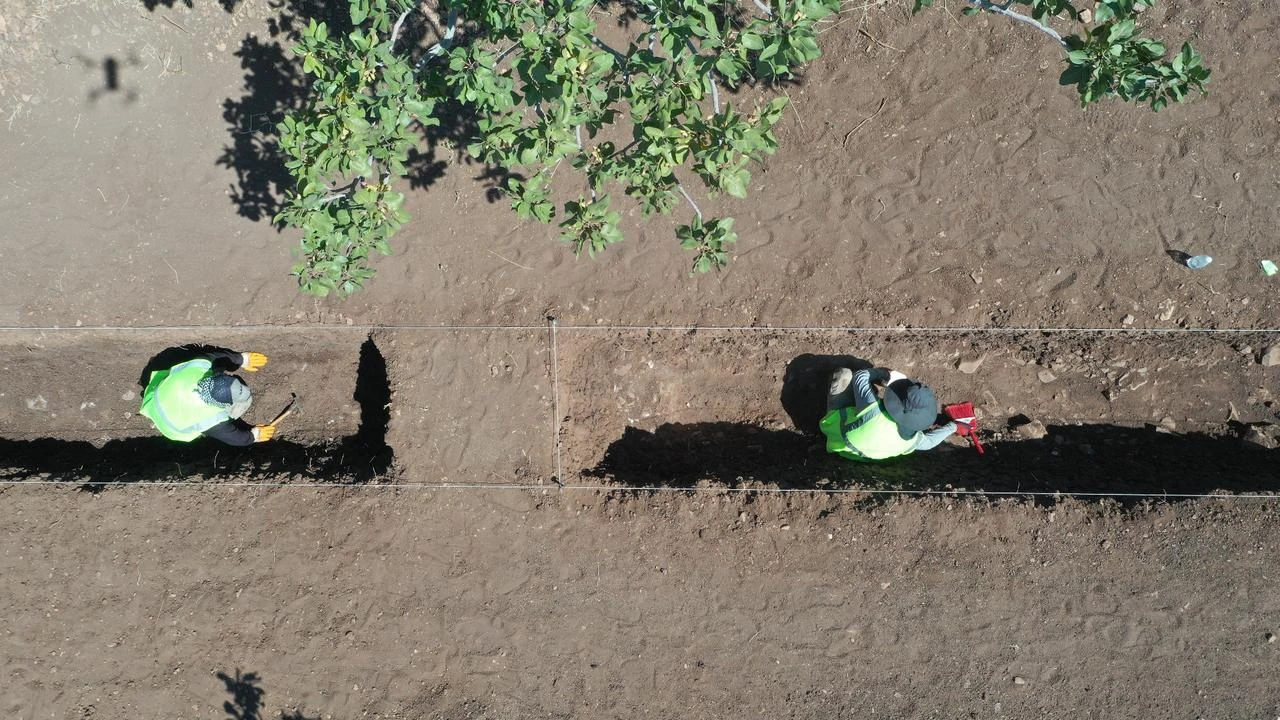
Together with Gobeklitepe, Karahantepe, Sefertepe, Sayburc, Harbetsuvan, Gurcutepe, Cakmaktepe, Yeni Mahalle, Ayanlar, Mendiktepe and Sogut Tarlasi, Yogunburc forms part of a network of sites that traces humanity's shift from hunting and gathering to settled life nearly 12,000 years ago.

 1 min read


 Set as preferred source