Newsletters


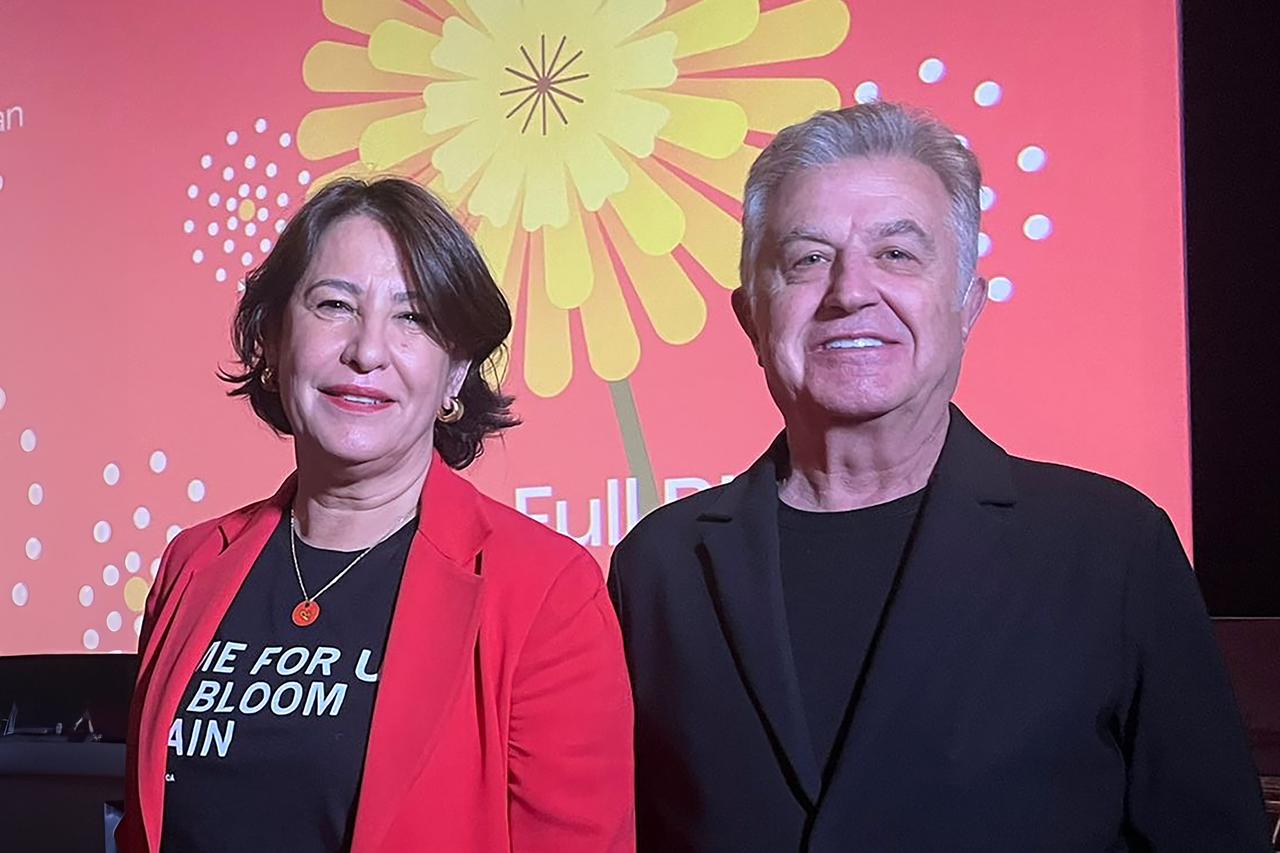


Contemporary Istanbul organizes the fifth edition of the CI Bloom contemporary art fair starting April 15.
The event takes place at the Lutfi Kirdar Congress and Exhibition Center and runs until April 19. Ali Gureli, the Chairman of Contemporary Istanbul, shared the details during a press meeting at Soho House. He described the current market as a stable investment opportunity despite broader instability.
Chairman Gureli positioned the art market as a resilient sector during times of crisis.
"The art market is a safe harbor despite economic fluctuations and the environment of war," Gureli stated. He emphasized that artworks maintain and increase their value over time. The fair focuses on local galleries and independent initiatives to strengthen the domestic ecosystem.
Gureli explained that the sector offers more than just financial returns. "Its impact on people and its social position have power far above monetary values," he added. The chairman mentioned that physical presence remains vital for the industry. "85% of collectors find the environment to physically see, feel, and decide on a work at fairs," Gureli remarked.
The fair operates with a specific schedule for visitors and professionals:
The leadership of the fair also expressed concern over the current taxation system in Türkiye.
Rabia Bakici Gureli, Vice Chair of the Board, criticized the 20% Value Added Tax (VAT) applied to art. She noted that European countries maintain an average rate of 5% or 6%. "The 20% VAT rate in Türkiye limits collecting, corporate collection formation, and artist production," she stated.
Ali Gureli called for a drastic reduction to encourage market growth. "VAT in culture and art should be 1% or even zero," he argued.
He compared the local situation to other global hubs where lower taxes motivate buyers. Hong Kong maintains a 0% tax on contemporary art. Middle Eastern markets recently moved from 0% to 5%.
The chairman of Contemporary Istanbul, Gureli, envisions a new economic model for the country based on logistics and high-value assets. He suggested that Türkiye could host international art collections as a regional hub.
"Türkiye can be a place where the art of the entire world is stored," he claimed. He pointed to Switzerland as a successful example of a storage center. Switzerland uses "free zones" near small airports where collectors can trade without paying taxes. Gureli shared these ideas with the Development Agency to promote the "creative economy" as a strategic area.
Regional conflict remains a point of concern for the international circuit. "The USA/Israel-Iran war is a development that none of us want," Gureli said.
He mentioned that the conflict forced the postponement of Art Dubai. He clarified that "we did not see a negative extension" of the war on the Turkish art market yet. Gureli also addressed the lack of art in public spaces in the city.
"Istanbul is a metropolis poor in art in public spaces," he remarked. Gureli also noted that plans to use the Feshane venue failed because the site was not suitable for a professional art fair. Efforts to place art in public squares face ongoing protection and security challenges.


 Set as preferred source
 Set as preferred source



 1 min read