Newsletters


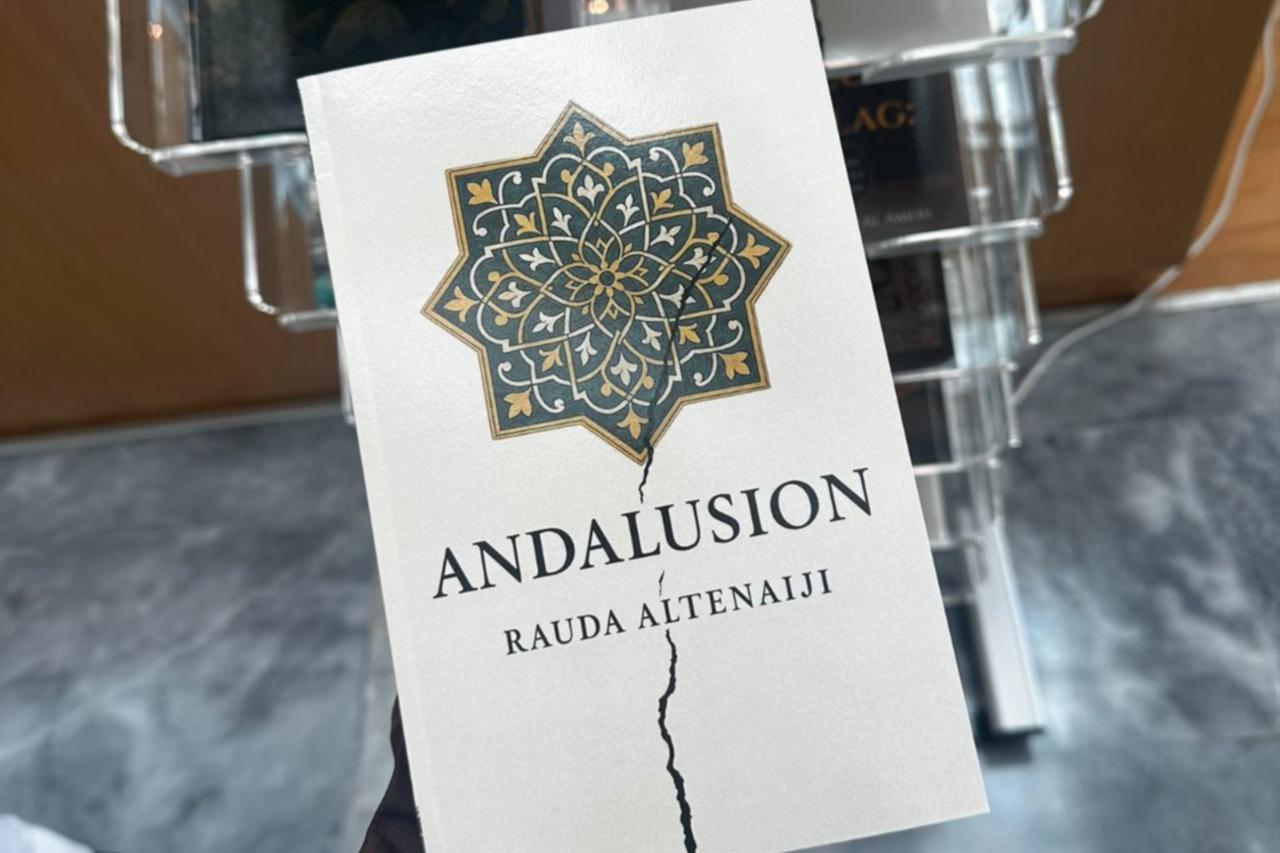


The book “Andalusion,” by Kuwaiti-Emirati activist and writer Rauda Altenaiji, has sparked sharp criticism, with detractors accusing it of distorting the image of Islam and Muslims.
The book, published July 24, 2025, by AuthorHouse U.K., has also fueled online debate after some social media users suggested portions of the text may have been produced using artificial intelligence.
According to the book’s critics, Altenaiji, in her book, denies that Muslims made any civilizational contribution and promotes the idea that their presence in Europe was imposed by force rather than built on coexistence, echoing an exclusionary historical narrative that frames Islam’s presence in Europe as a threat to the West.
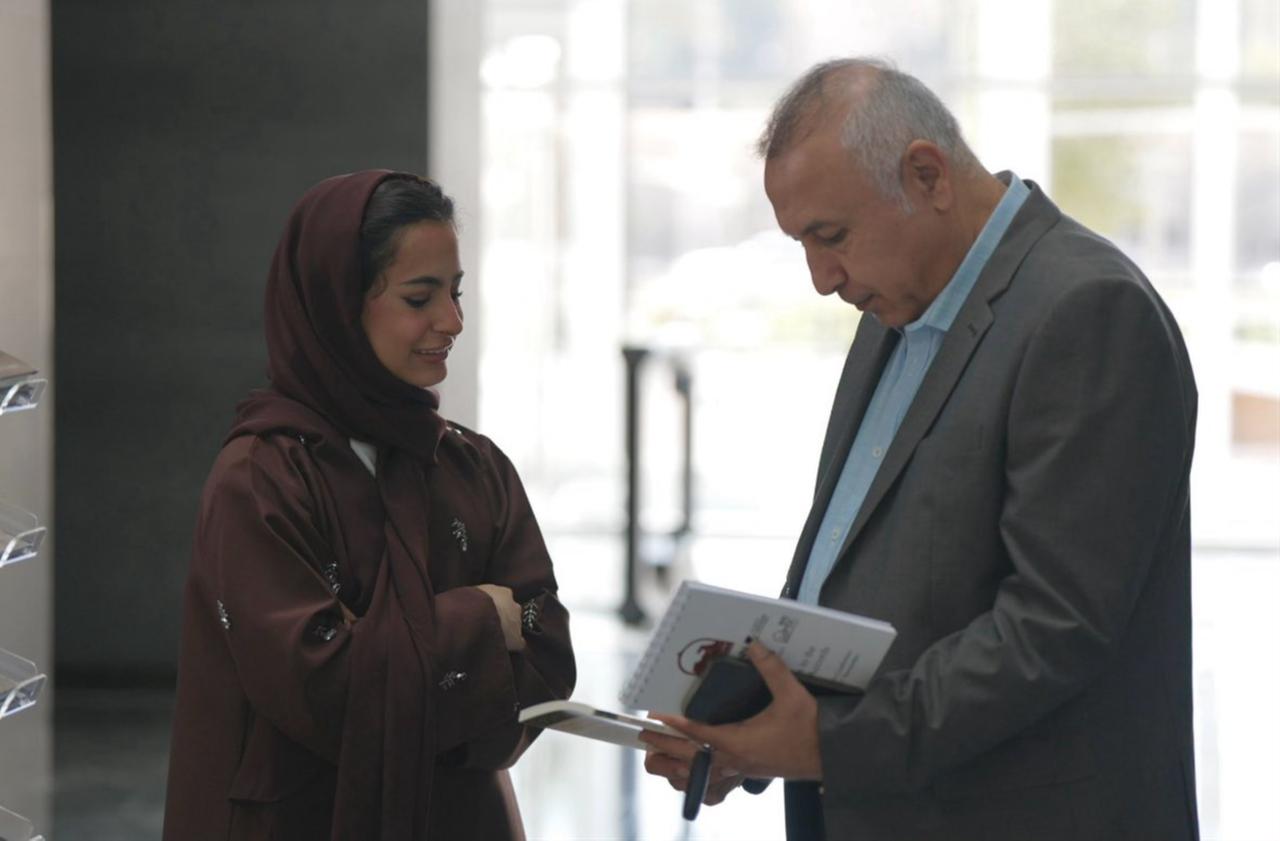

The book states from the outset that it is “not a history book,” but rather a satirical work, presenting itself as an “intellectual detonation.”
Social media users intensified the controversy, widely debating the book and suggesting that some passages looked suspicious and may have been produced using artificial intelligence.
According to the book’s description, it exposes how what it called “the myth of Andalusia” became the ultimate PR campaign for modern-day Islamist opportunism.
On the other hand, defenders argued that Altenaiji is not attacking Islamic rule in Al-Andalus as a historical era or seeking to “rewrite” its history.
Instead, they said the work treats Al-Andalus as a symbolic warning, using it as a reference point to critique how the popular Western myth of a “golden age” of coexistence is selectively invoked and romanticized for present-day ideological and political agendas.
In their view, the book’s target is less the historical experience itself than the contemporary use of Andalusian memory as a rhetorical tool, whether to market certain narratives of tolerance, silence complex realities, or advance partisan talking points in today’s debates over identity, religion, and migration.
Critics of the book say it includes various tirades against NGOs like Islamic Relief Worldwide and the Council on American Islamic Relations (CAIR).
According to some observers, the book promotes the idea of a Muslim “soft invasion” of Europe. They argue it is neither an intellectual reading nor an academic debate, but rather political incitement couched in liberal language, aimed at demonizing Muslim presence and portraying it as a civil offense.
Critics also say the book casts rights-based advocacy as “blackmail” and frames civic organizing as a “conspiracy,” while invoking the history of Al-Andalus to manufacture a security scare.
Using the term “Andalusionist,” Altenaiji argues in her book that Western tolerance can sometimes become a “loophole” exploited by opportunists or extremists under the banners of identity or religion.
Some social media users said the narrative calls for combating any Islamic expression outside palace control as an official doctrine.
They argued it seeks to export a model of exclusion and “drying up” to Europe through “soft” fronts that play to Western anxieties and implicitly align with the far right.
British professor Andreas Krieg, a senior lecturer at the School of Security Studies at King’s College London, commented on the book on his X account: “This is what language-model bots look like, garbage in, garbage out.”
Observers saw the professor’s remarks about the book as a cheap simulation of thought produced by artificial intelligence, then packaged as a book under the author’s name.
Several Arab news platforms said the book seeks to stoke Western fears of an “Islamic takeover” of Europe and incites calls to treat Muslims with repression, exclusion and detention.
Additionally, Spanish academic and Arabist Ignacio Fernandez presented Altenaiji’s book, arguing that viewing the conquest of Al-Andalus as merely a brutal invasion does not reflect the historical reality.
According to Fernandez, the Islamic presence in Al-Andalus was a unique civilizational experience that helped shape the region’s identity and left a significant cultural and linguistic legacy.
He added that attempting to force Andalusian history into contemporary political templates, or reducing it to a purely conflict-driven narrative, diminishes its value and distorts historical understanding.


 Set as preferred source
 Set as preferred source


 3 min read