Newsletters




Archaeological discoveries in northern Iraq and present-day Georgia are shedding new light on how Zoroastrians, early Christians, and followers of other belief systems lived side by side without open conflict for centuries, even at times when religion was closely tied to imperial power.
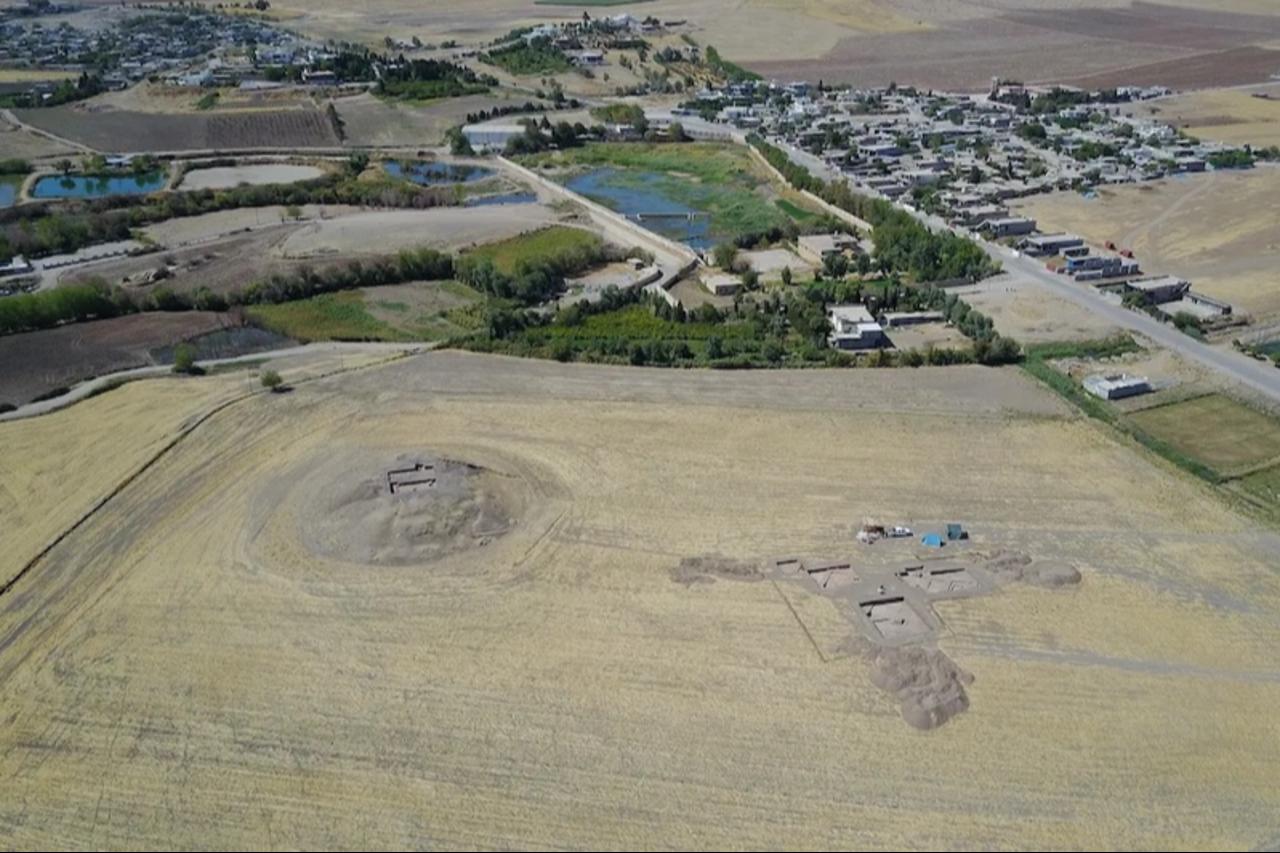
At the heart of the Iraqi discovery is the archaeological site of Gird-i Kazhaw, located near today’s Bestansur village in northern Iraq. Researchers led by Alexander Tamm of Friedrich-Alexander University Erlangen-Nuremberg and Dirk Wicke of Goethe University Frankfurt examined the remains of a buried architectural complex first identified in 2015.
By piecing together stone columns and other architectural elements found underground, the team worked out that the structure formed the central church of an early Christian monastery. The complex was built around 500 A.D., making it the earliest known Christian building at the site. According to the researchers, identifying such an early church in this context came as a major surprise.


Further evidence turned up in the form of fragments from a large vessel decorated with an early Christian cross. Crosses were rarely used as Christian symbols before the religion was legalized in the Roman Empire during the fourth century, which makes the find particularly notable.
What stands out most, however, is the setting. The Christian monastery lies only a few meters away from a fortified structure used by the Sasanian Persians, followers of Zoroastrianism, the official religion of the Persian Empire at the time. The close proximity of these buildings suggests that Christian monks and Zoroastrian communities lived alongside one another peacefully, rather than being separated by religious hostility.
The researchers place the Iraqi site within a broader historical context. Christianity spread beyond the borders of the Roman Empire after it was declared the official state religion in 380 A.D. under Emperor Theodosius. Rome, and later Eastern Roman, often clashed with Persia, though the two powers were sometimes allies.
Despite these political rivalries, Christianity continued to take hold among Persian populations. Archaeologists note that churches dating to the fifth and sixth centuries are not unusual in regions such as northern Syria and northern Mesopotamia. The Gird-i Kazhaw church fits into this wider pattern, showing how religious life crossed imperial frontiers.

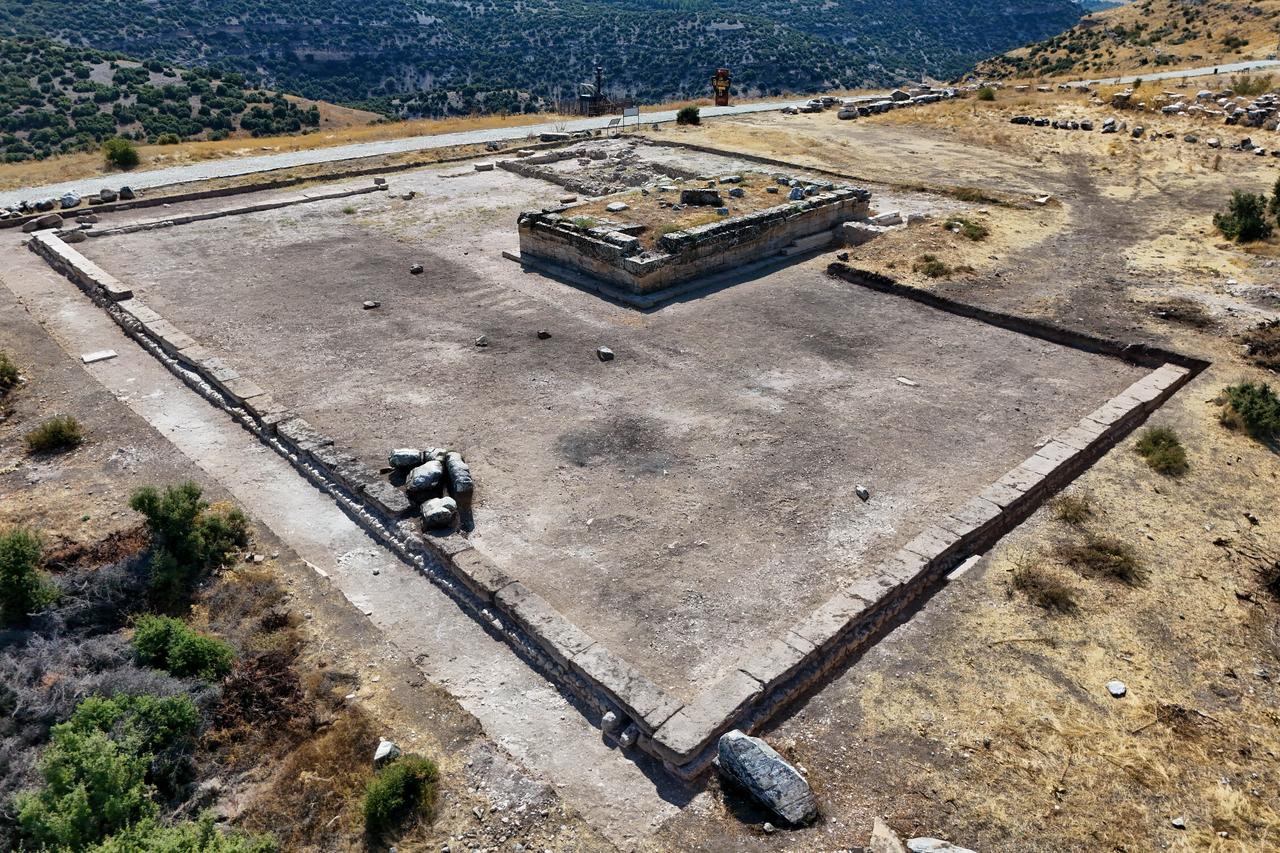
At the same time, new research from Georgia is reinforcing the idea that Zoroastrianism often coexisted with other belief systems. Around 600 kilometers north of Gird-i Kazhaw lies Dedoplis Gora, an archaeological site that was once part of the independent Kingdom of Kartli. Although politically separate, the area was strongly influenced by the Achaemenid Persian Empire, and there is extensive evidence for Zoroastrian practices.
According to study by archaeologist David Gagoshidze of Georgia University in Tbilisi, published in the January 2026 issue of the American Journal of Archaeology, the rulers of Kartli worshipped Iranian, or Zoroastrian, deities alongside local Georgian celestial cults. The research focuses on a palace complex at Dedoplis Gora that included three distinct sacred spaces linked to different religious traditions.
In one area, Zoroastrian rituals were carried out at an altar used daily by permanent residents of the palace for offerings and prayers. In another room, finds such as small figurines indicate that the elite practiced a cult devoted to the Greek god Apollo. A third space appears to have been used for a syncretic ritual combining several traditions and connected with fertility, agriculture, and harvest.
Taken together, the finds from Iraq and Georgia back up a growing view among scholars that Zoroastrianism, while serving as the official religion of Persian dynasties for more than a thousand years, often allowed other faiths to live alongside it. This tolerance was not universal or constant, as sources also point to periods of pressure on followers of Christianity or Manichaeism, another now-extinct Persian religion, especially in the late Sasanian era.


 Set as preferred source
 Set as preferred source



 3 min read