Newsletters


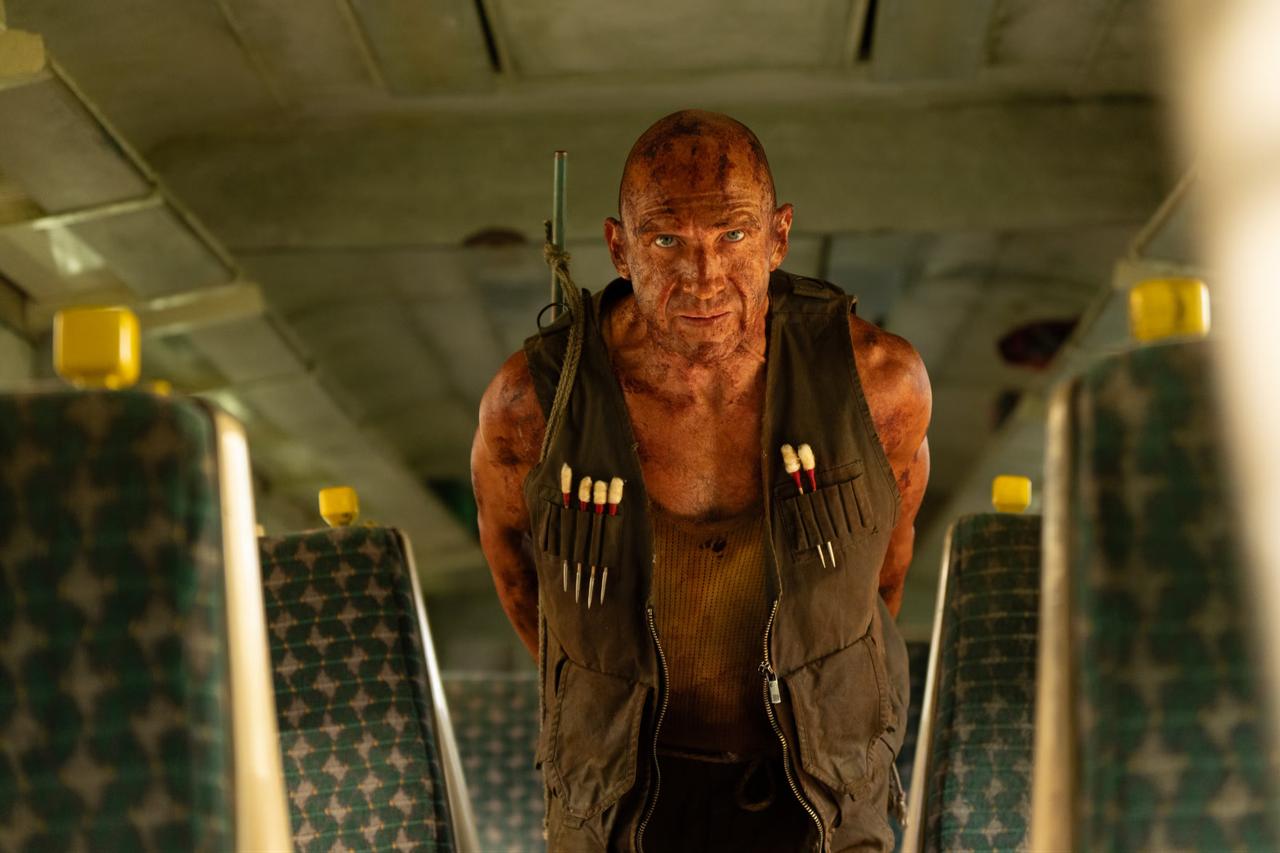


The film series "28 Days Later," which fundamentally reshaped zombie cinema, was first introduced to audiences in 2002 under the direction of Danny Boyle.
The story presented the collapse of civilization following the spread of the so-called Rage Virus, a fictional infection that turns humans into violent, uncontrollable beings rather than the traditional undead. The series continued in 2007 with 28 Weeks Later, expanding the scope of the outbreak and its social consequences.
After the COVID-19 pandemic, the themes of the franchise once again gained renewed relevance. Last year, the story was revived with 28 Years Later, marking the beginning of a new trilogy, once again connected to Boyle’s original vision. The latest installment, "28 Years Later: The Bone Temple," now brings the narrative further into the future.
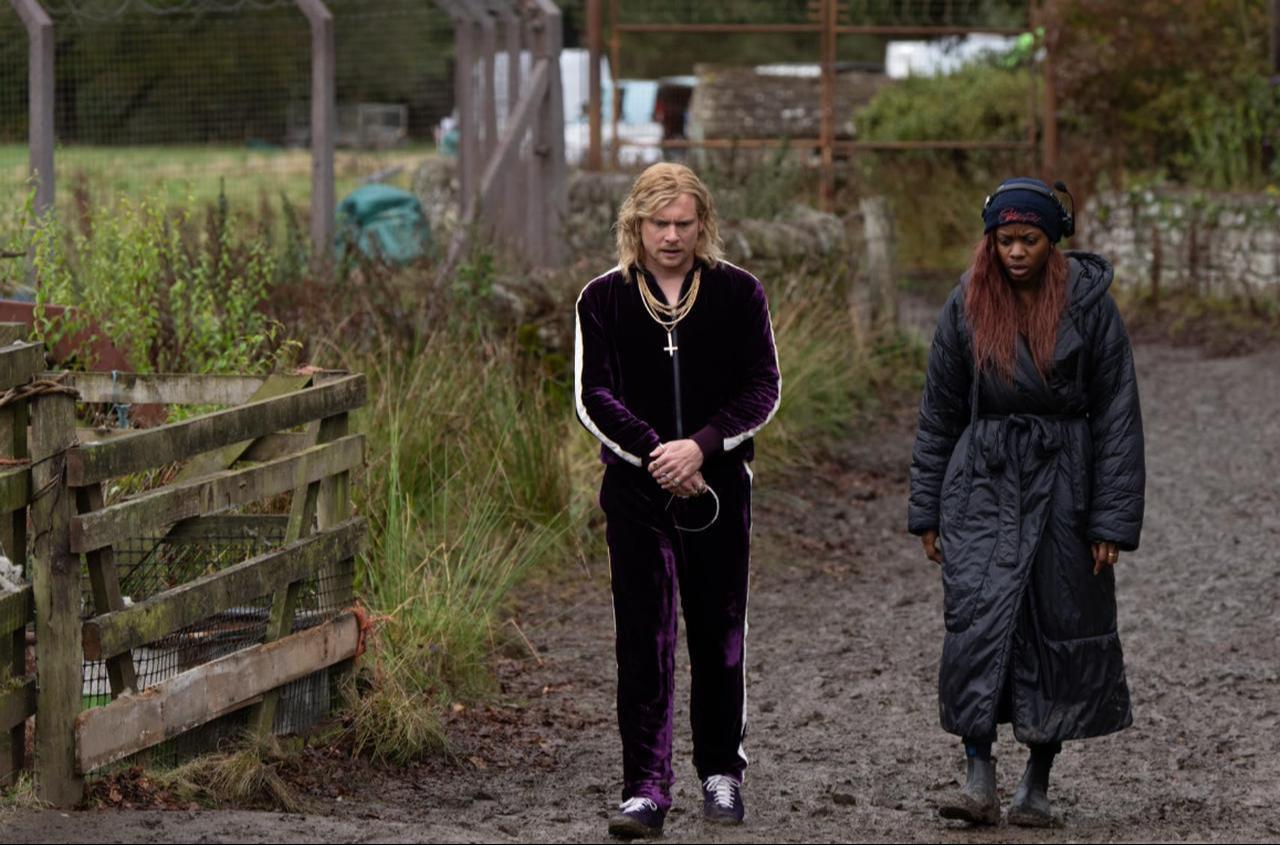

Set nearly thirty years after the initial catastrophe, the film shifts its focus away from immediate survival and places Doctor Kelson at the center of the story. This time, the primary antagonist does not emerge from among the infected alone. Danny Boyle steps back into the role of producer, while directing duties are taken over by Nia DaCosta, whose approach introduces a more experimental tone.
The cast includes Ralph Fiennes, Jack O’Connell, Alfie Williams, Erin Kellyman, and Chi Lewis-Parry. The narrative continues directly from the previous film, portraying an England where civilization has completely collapsed. The infected now live like wild animals, roaming freely in the ruins of society, while small groups of uninfected people continue their struggle to survive.
Among the survivors is a violent group known as the Jimmys, individuals who have not been infected by the virus but have nevertheless abandoned their humanity. Spike, a young boy first introduced in the original film while trying to care for his ill mother, becomes unintentionally entangled with this group.
At the same time, Doctor Kelson retreats into a monument constructed entirely from bones, where he begins to domesticate an infected creature he names Samson. Toward the end of the film, the paths of the Jimmys and Doctor Kelson inevitably intersect, bringing the story’s central conflict into focus.
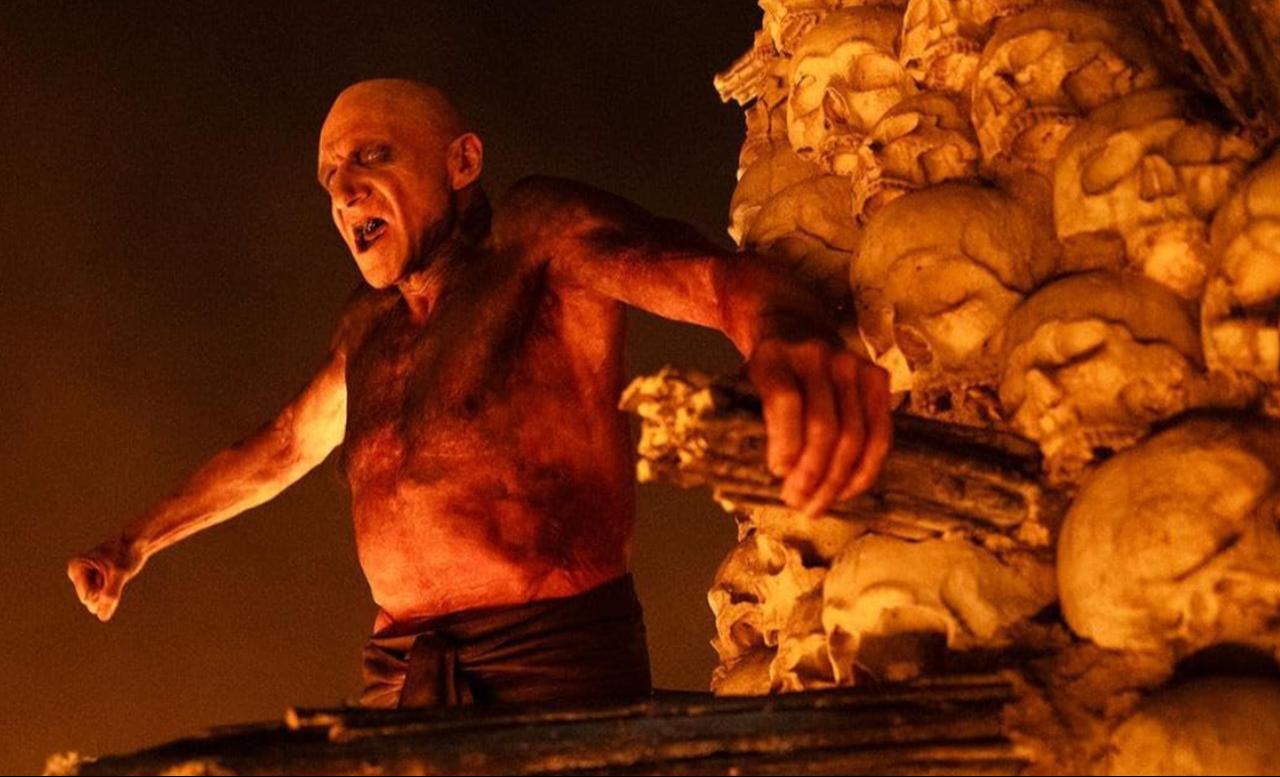
"28 Years Later: The Bone Temple" stands out as a more philosophical entry in the series. Traditional survival motivations are pushed into the background, while cult-like themes and moral questions take precedence. Despite this shift, the film still includes several escape and pursuit sequences designed to satisfy long-time fans of the franchise.
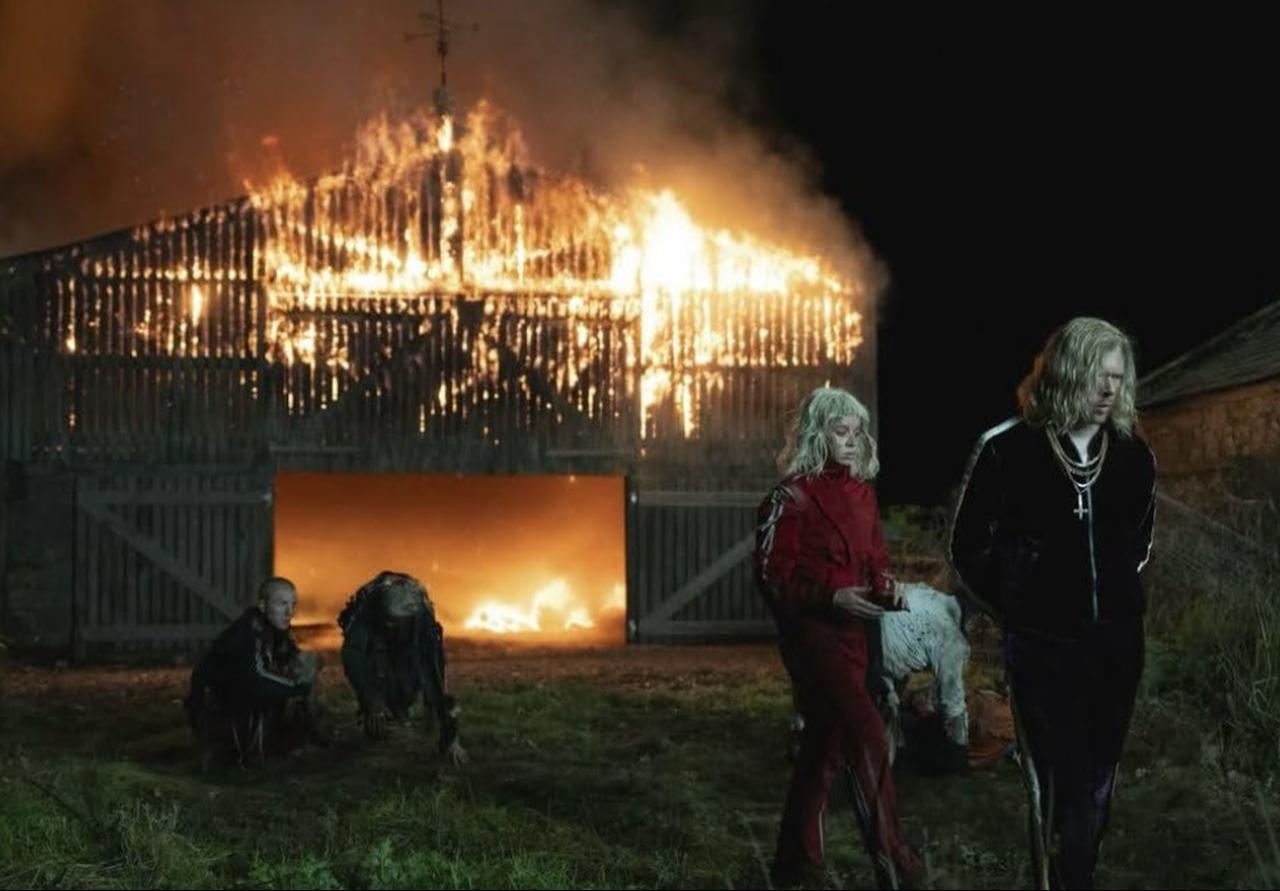
Rather than emphasizing the physical threat posed by the infected, the film highlights what can be described as the “skin-swimming” evil within humanity itself. Through the character of Jimmy Crystal, the story explores how cruel and destructive human behavior can become even without the influence of a virus. Spike, who observes these events with fear and confusion, serves as a moral counterpoint.
Although Nia DaCosta experiments with unconventional scenes and symbolic imagery, the overall tone of the film often lacks consistency. The visual content is particularly disturbing, featuring dismembered bodies, severed heads torn away with spinal cords attached, and other graphic images. Viewers with weak stomachs may find the experience physically uncomfortable, much like Spike himself, who frequently reacts with nausea.
The film also juxtaposes caricatured depictions of Satanism with atheism, creating uneasy and sometimes confusing subtext through surreal sequences. These elements contribute to the film’s unsettling atmosphere but also weaken narrative cohesion.
One of the film’s weakest aspects is its structural role as an intermediary chapter rather than a fully self-contained story. Instead of delivering a clear resolution, it primarily serves to establish the foundation for the next installment, leaving the audience with a sense of incompleteness.
In terms of performances, Ralph Fiennes draws attention as Doctor Kelson, delivering a memorable portrayal, particularly during a striking choreography-driven scene. However, Alfie Williams, despite being only fifteen years old, leaves an even stronger impression with his portrayal of Spike.
Ultimately, 28 Years Later: The Bone Temple becomes an unconventional entry that prioritizes experimentation and thematic depth over accessibility. Despite its ambitions, it remains a film that will resonate most strongly with dedicated fans of the franchise rather than general audiences.
Director: Nia DaCosta
Genre: Thriller, Horror
Country: United States


 Set as preferred source
 Set as preferred source


 1 min read
 1 min read