

 Newsletters


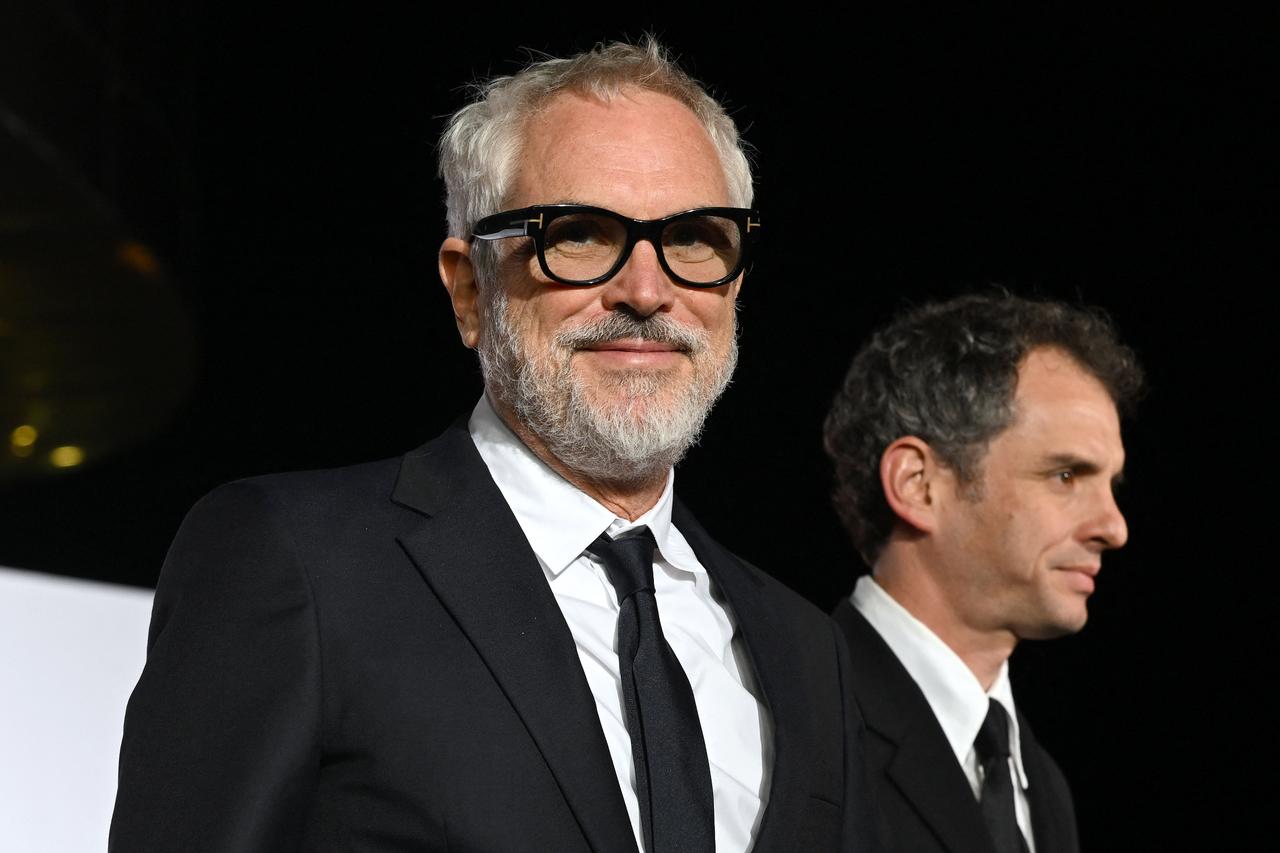


Oscar-winning director Alfonso Cuaron has described his work on “Harry Potter and the Prisoner of Azkaban” as one of the most rewarding experiences of his career. He spoke on Thursday at the Busan International Film Festival in South Korea.
Fans regard the film as one of the strongest installments of the Harry Potter franchise. It is also one of the few projects that Cuaron, who directed “Gravity” and “Roma,” did not develop and write himself. He said he was “a little reluctant to do it” when he was first offered the chance.
Cuaron said the project gave him “many things,” including “two of the most beautiful years of my life.” He said he knew nothing about visual effects before the film, and afterward it became his “second nature.” He also pointed to the collaboration with a production designer and a cinematographer he described as the best in their fields.
He said the industry standing he gained from the film’s success allowed him to make “Children of Men.” “I had written Children of Men before, and nobody wanted to do it,” he said. “Then I did Harry Potter, and after, I was able to make Children of Men. So, I have nothing but gratitude towards Harry Potter.”
Cuaron is visiting South Korea for the first time and attended the festival with his son, filmmaker Jonas Cuaron, who is presenting his latest feature, “Campeon Gabacho.” After an IMAX screening of “Gravity,” the elder Cuaron took part in a master class moderated by South Korean director Yeon Sang-ho, known internationally for “Train to Busan.” Cuaron later served as executive producer on Yeon’s 2025 mystery thriller “Revelations.”
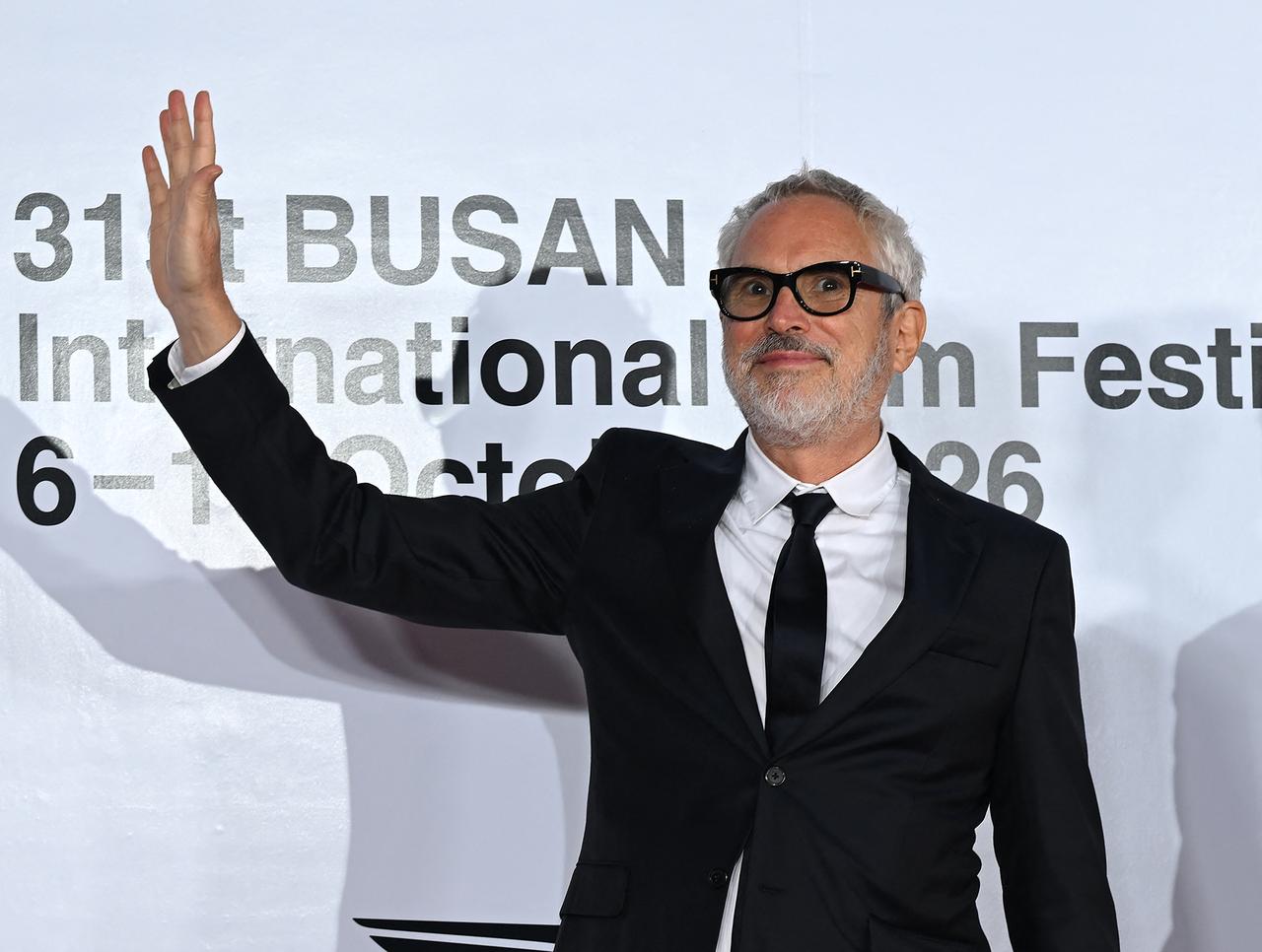

Yeon noted that Cuaron’s films feel precise and meticulously constructed, yet still feel alive within the frame, particularly “Children of Men.” He asked whether control and the unexpected are opposites.
Cuaron said he prepares extensively and imagines the film in his head, but “reality starts to shape it.” He said holding onto expectations against reality creates “unhappiness” and “a disconnection with the process of life.” Age and experience have taught him to prepare while accepting “what life brings,” he said.
He said his preference for long takes comes from wanting to create room for instinct and “cinematic miracles” within a process of technical preparation. “You prepare and you control in order for the unexpected to happen and to allow it to come to life,” he said.
According to Cuaron, time is the one element you can't control in a long shot. He said this is also why he shoots in natural light as much as possible: “the accidents of light, the accidents of weather.”
Cuaron said that after finishing each film he tries to dissect what he learned, because “the only reason to make a film is for what you learn for the next one.” He said success “has nothing to do with the results at the box office, or with critics or awards.”
He said the film he learned the most from was probably the least successful on every front. “Children of Men, when it was released, was a film that had very mediocre reviews. It was a box office flop,” he said. He added that it is probably the film people talk about most now, and that “only time will tell” about its success.
Yeon asked whether Cuaron’s view of the world had become clearer or more ambiguous with experience.
“More ambiguous, thank god,” Cuaron replied. “When I was younger, film was everything, and life was only part of film. I guess, now, I embrace life more.” He said film remains “a very important part, but it’s just a part.”


 Set as preferred source
 Set as preferred source


 1 min read


 1 min read


