Newsletters


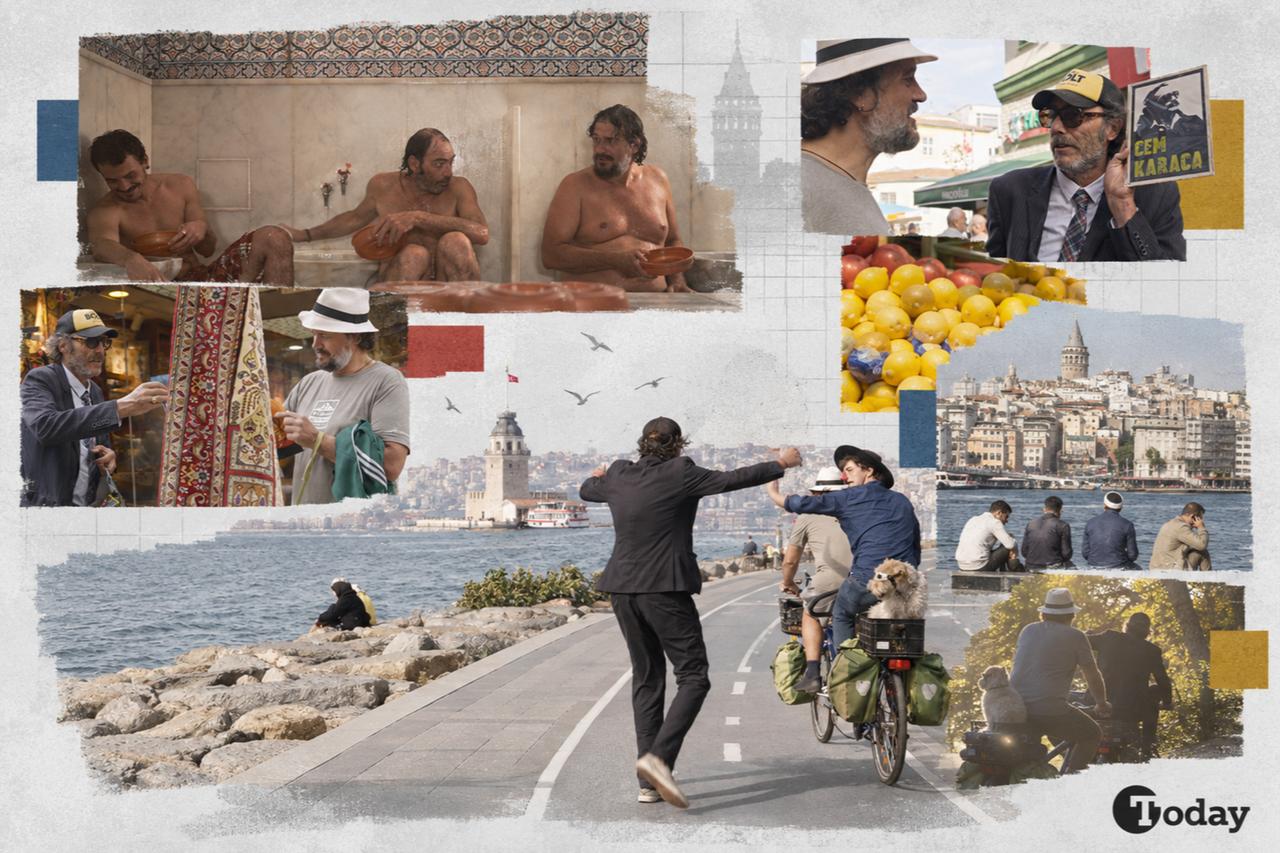


Mathias Mlekuz's "A Bicyclette!," known as "Ride Away" in English, begins as a deeply personal journey through grief, but by the time its two ageing cyclists reach Istanbul, the film has also pulled off something that foreign productions often struggle with: it allows the city simply to look like itself.
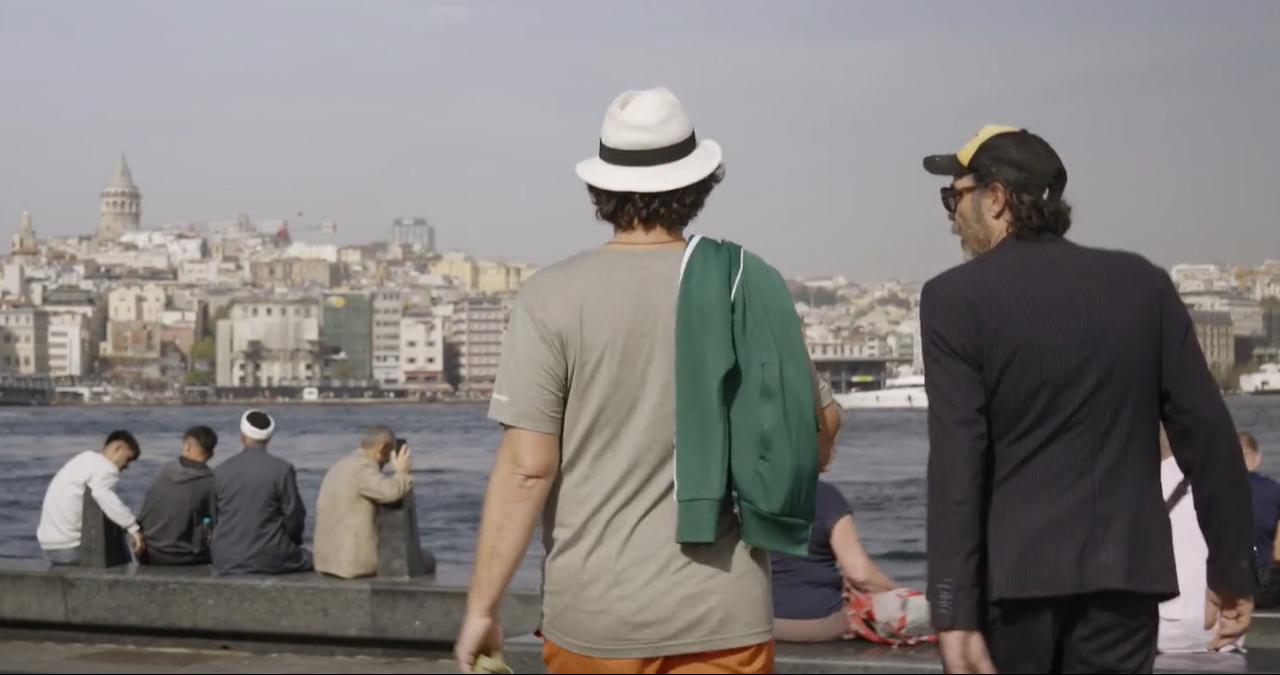
There is no heavy yellow filter covering the streets, no attempt to turn Istanbul into an artificially exotic backdrop and no visual need to announce that the characters have suddenly entered an unfamiliar East. Instead, the city appears as the final point of a long physical and emotional journey, with its beauty and everyday culture allowed to come through naturally.
That restraint gives the Istanbul sequences particular weight in a film that was already built around spontaneity rather than a conventional screenplay.
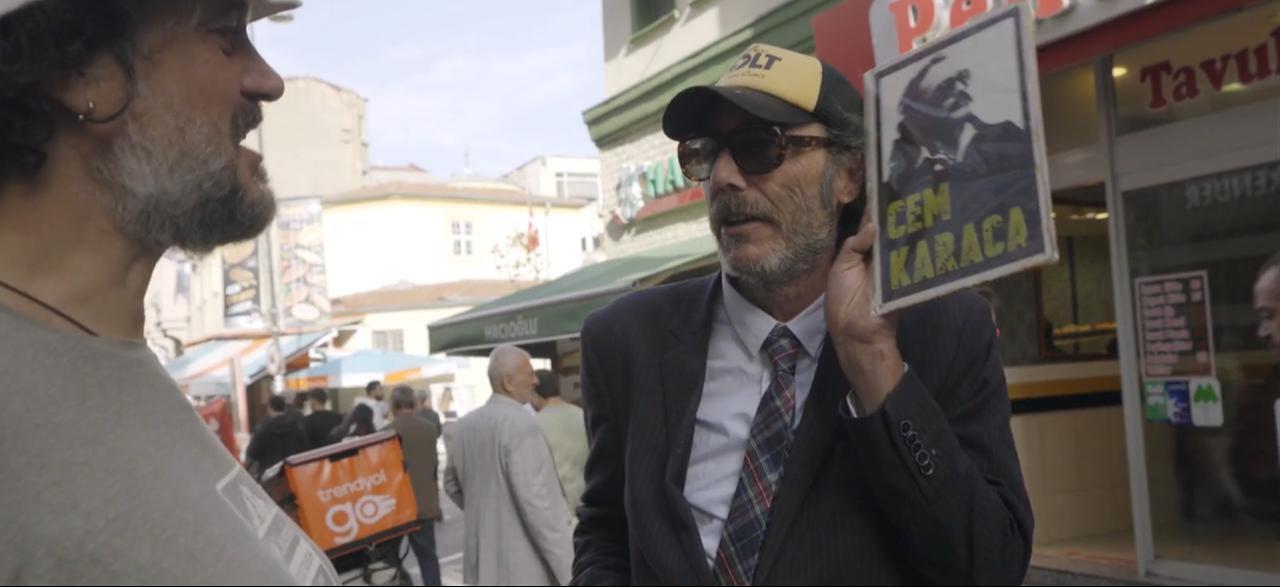

Mlekuz undertook the bicycle journey with his close friend, actor Philippe Rebbot, retracing the route once taken by his eldest son, Youri, from La Rochelle in western France to Istanbul.
Youri, a clown by profession, had made the journey when he was 22 and later died by suicide at the age of 28. Four years after his death, his father set out to follow the same path.
Mlekuz described the decision in starkly personal terms, saying, "My son was 22 when he made this journey. We are 60, we drink, we eat. Going to Türkiye by bicycle was a desperate act to find my son. I hoped that the more I went looking for him, the more I would find him."
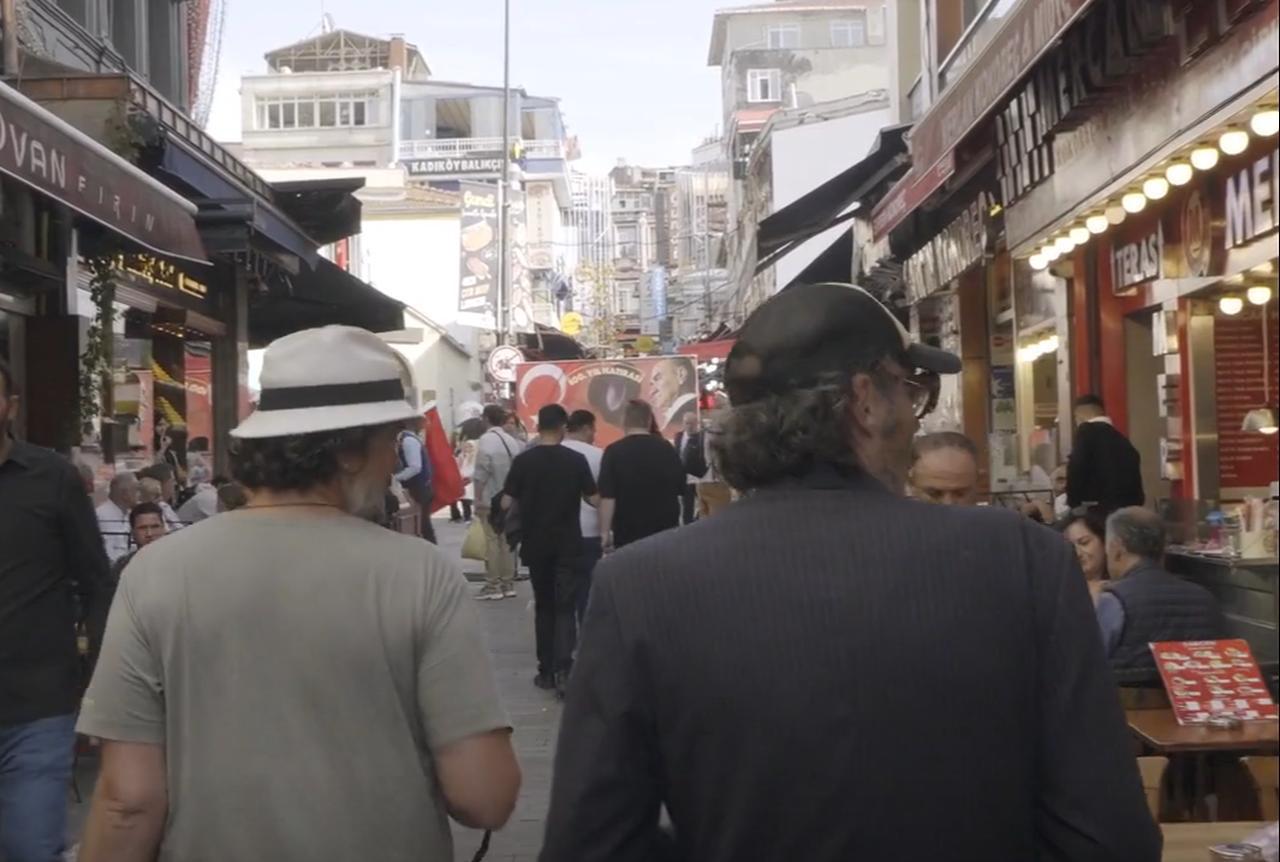
Rather than following a predetermined script, the film came together on the road. More than 180 hours of footage were gathered as Mlekuz, Rebbot and their dog crossed Europe, revisiting places connected to Youri and picking up memories of him along the way.
That loose structure gives the film much of its character, moving between comedy, arguments, reconciliation and grief without separating them into neat dramatic stages.
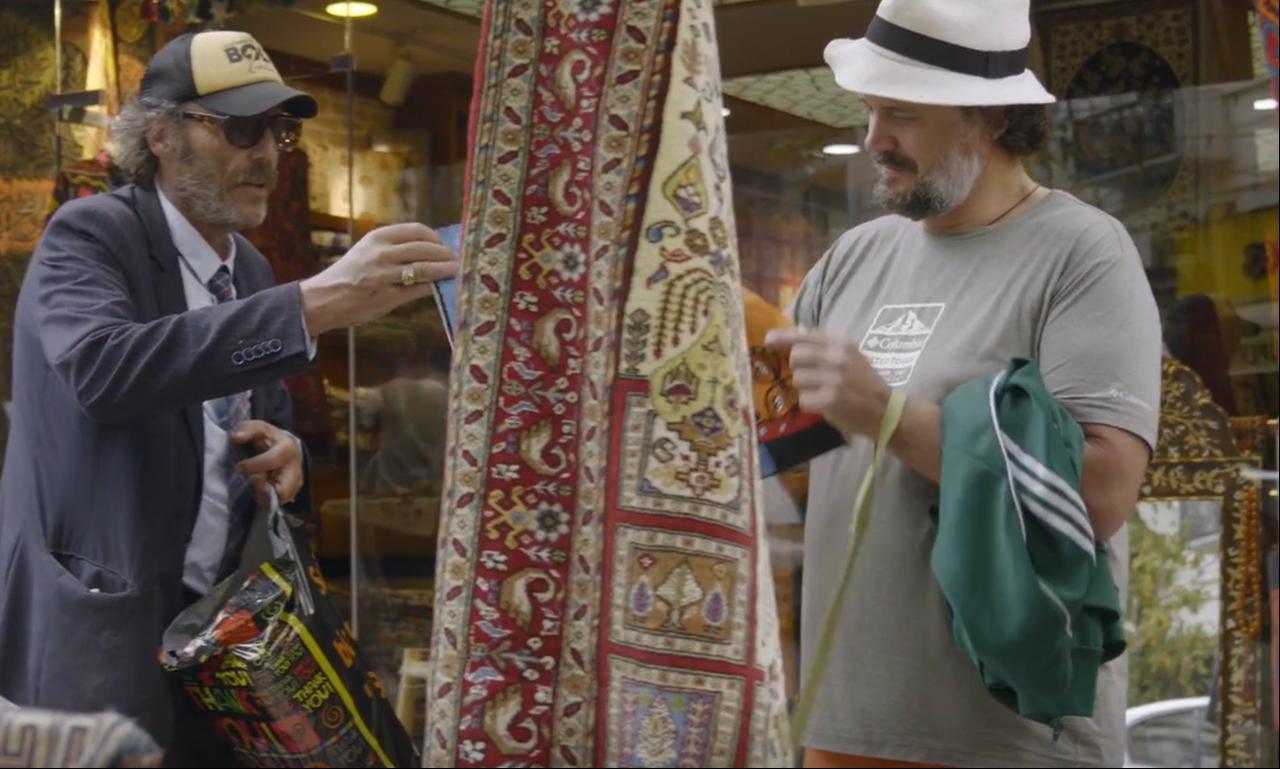
The final destination could easily have been treated as an exotic payoff after the long ride from the Atlantic toward Türkiye, yet "A Bicyclette!" takes a more restrained approach.
Istanbul is not buried beneath the familiar yellow and orange colour grading often used to visually separate cities in this part of the world from Western Europe. The city instead retains its own light, streets and atmosphere, allowing the audience to take it in without a layer of manufactured exoticism.
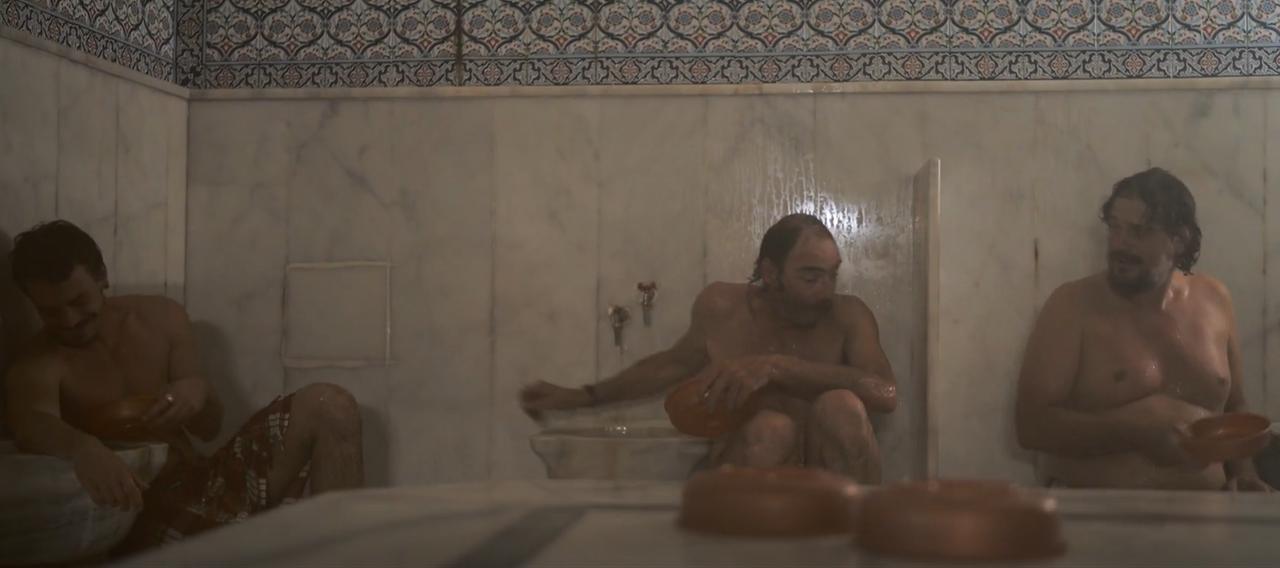
The film also makes room for Istanbul's hamam culture, presenting the traditional Turkish hamam, or bath, as part of the city's lived cultural landscape rather than merely using it as decoration.
Alongside these moments, the film captures some of Istanbul's most striking qualities on screen, giving the arrival a sense of beauty without breaking away from the raw visual language established during the rest of the journey.
That continuity matters because Istanbul is not treated as a separate spectacle at the end of the film. It remains part of the same road, and therefore part of the same search.
Although Youri's absence drives the journey, "A Bicyclette!" does not stay locked inside mourning. Its other central relationship is the friendship between Mlekuz and Rebbot, whose exchanges shift freely between tenderness, irritation and absurd humour.
The pair hardly resemble conventional endurance cyclists. They drink, smoke, eat generously and head out on the route at around 60, bringing an intentionally unpolished quality to a journey that could otherwise have become overly solemn.
Some sequences lean fully into comedy, including a chaotic shower scene in a Vienna Airbnb and clown performances staged for children along the route, while others bring the father's perspective increasingly close to that of his son as he reaches places Youri had once passed through.
The result is a road movie in which grief, friendship and travel continuously overlap rather than taking turns.
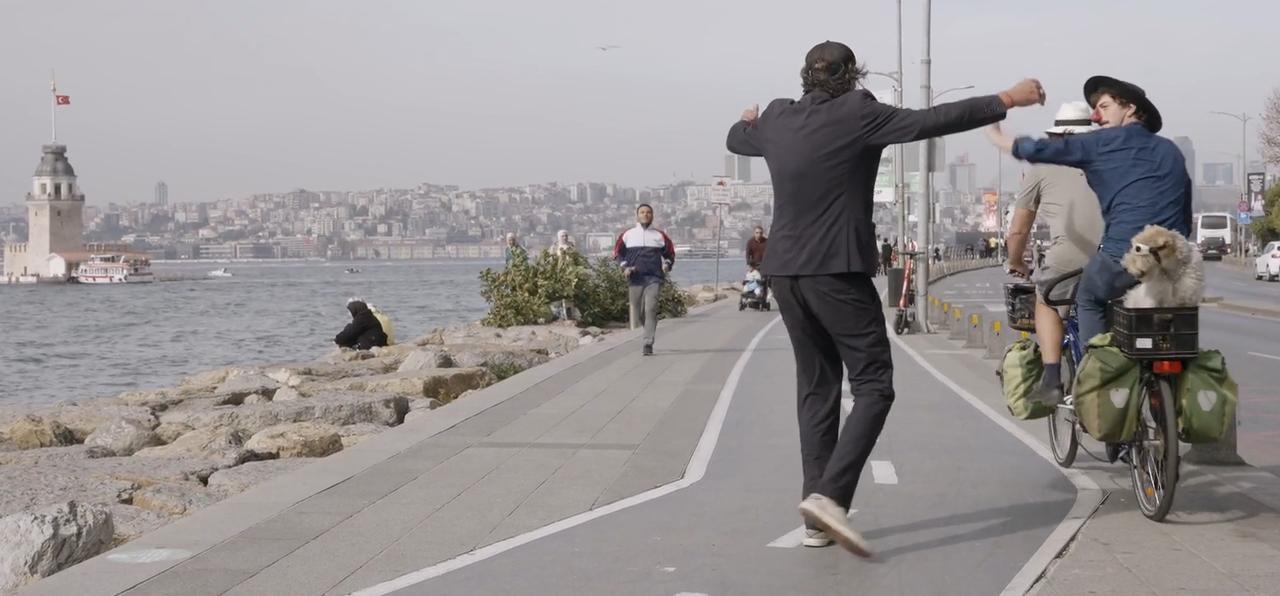
After moving from France toward the Black Sea and eventually Istanbul, the film's destination carries an obvious emotional burden: Mlekuz is not simply reaching another city but arriving at the end of a route first completed by his son.
Yet the strength of the Istanbul sequences lies in how little they try to force that significance visually.
The city's hamams, its streets and its beauty are allowed to appear within the same spontaneous journey that brought the two friends there. Istanbul is neither reduced to a postcard nor transformed into a cinematic shorthand for the "East."
For a film built around following someone else's path, that may be one of its most fitting choices. "A Bicyclette!" reaches Istanbul without disguising it, just as Mlekuz's journey ultimately confronts grief without disguising that either.


 Set as preferred source
 Set as preferred source


 3 min read