

 Newsletters


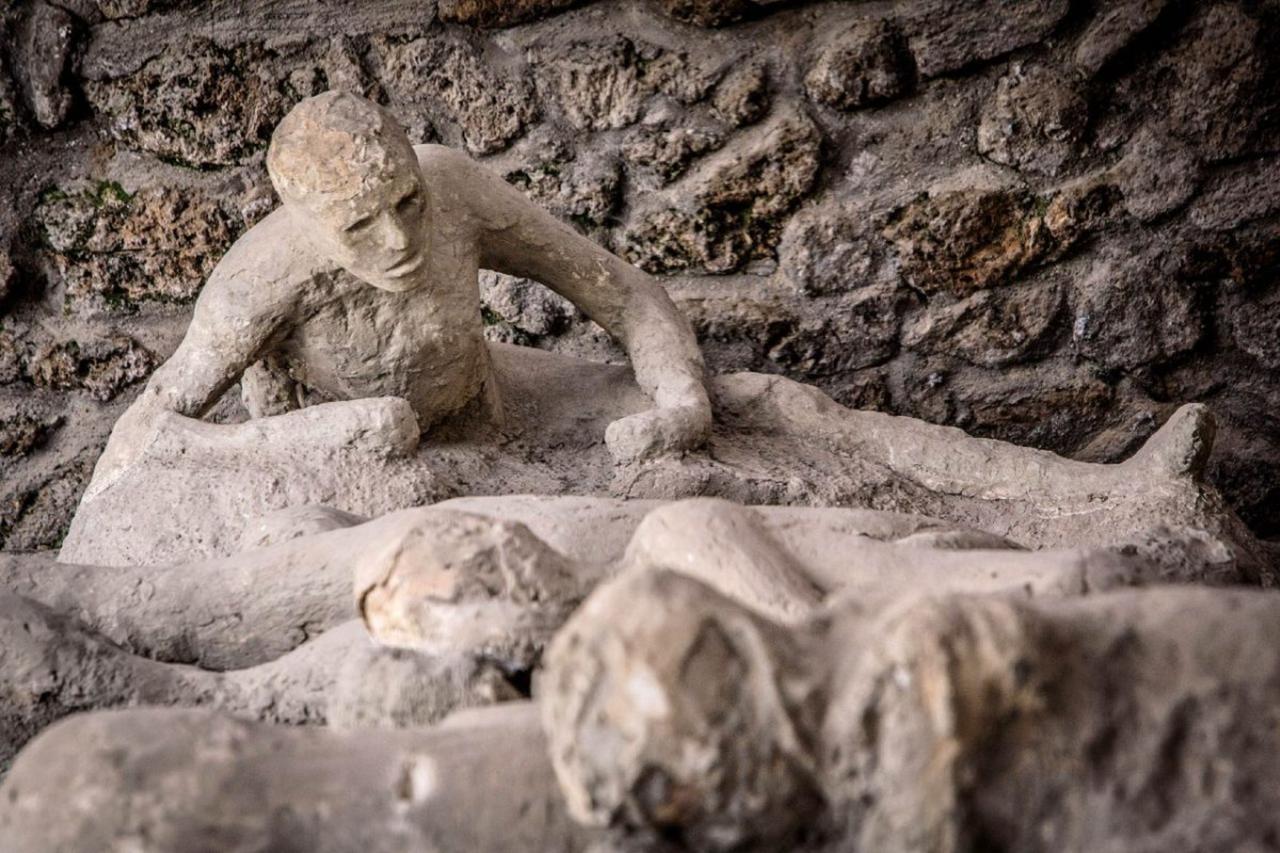


More than 1,000 victims of the A.D. 79 eruption of Mount Vesuvius have been found during excavations at Pompeii, but just over 100 of them were transformed into the haunting casts that have become some of the ancient city's most recognizable archaeological remains.
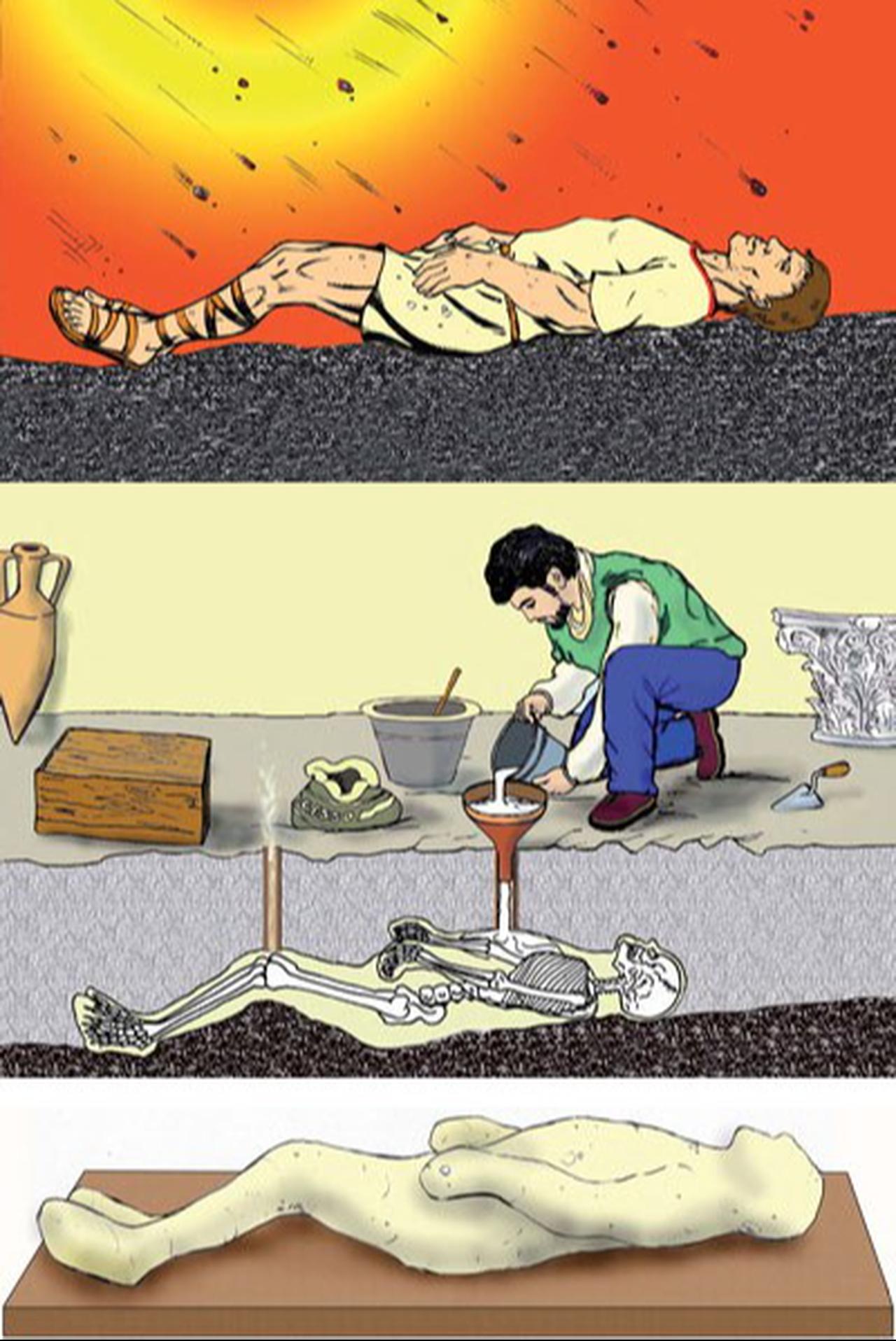
The technique, refined by Italian archaeologist Giuseppe Fiorelli in the 19th century, made it possible to recover not only bones but also the shapes, clothing, physical features and final positions of people buried during the catastrophe.
During the first phase of the eruption, residents who had not left Pompeii in time became trapped beneath pumice and lapilli, small fragments of volcanic material that built up to around three meters in places and caused buildings to collapse. Only skeletons generally remained from victims killed during this stage.
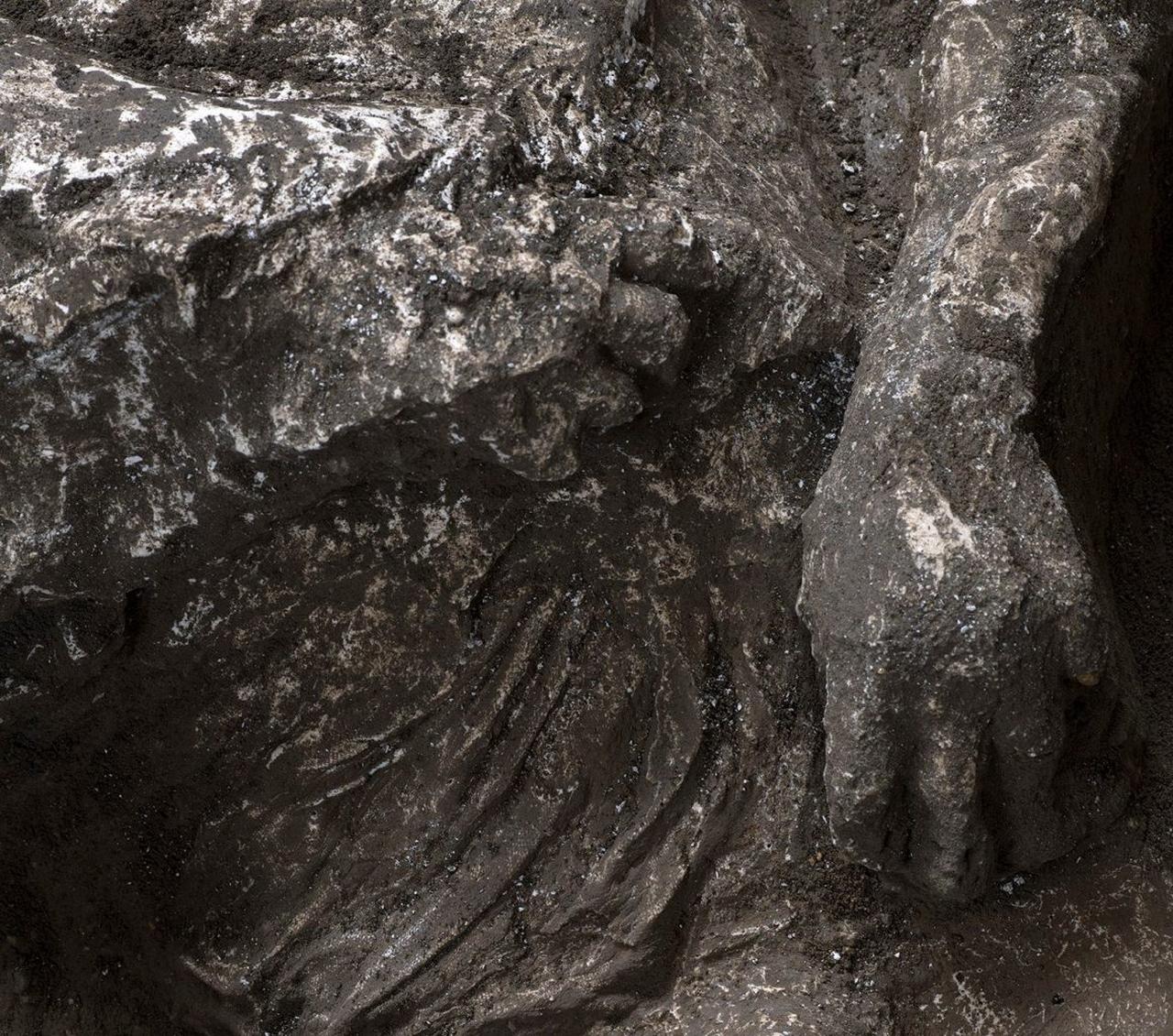

A later high-temperature pyroclastic flow, a fast-moving current of hot volcanic gas, ash and debris, swept through the city and filled spaces that had not already been buried. Those still inside Pompeii were killed almost instantly by thermal shock.
As their bodies decomposed, hardened ash retained the cavities left behind, preserving impressions of their forms.
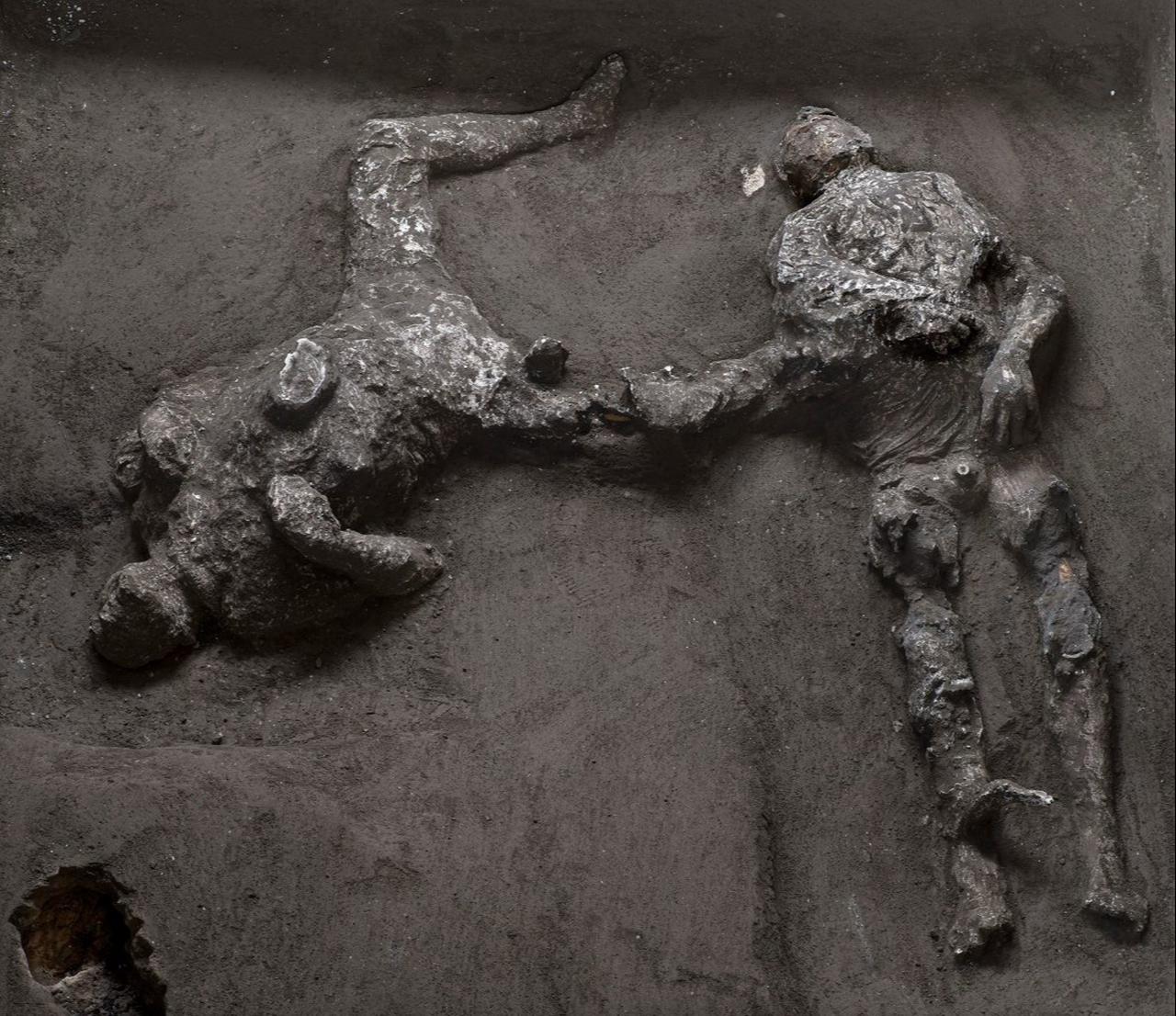
Fiorelli, who became director of the Pompeii excavations in 1860, developed a method that involved pouring a mixture of plaster and water into cavities discovered in the hardened volcanic deposits.
Once the plaster dried, archaeologists could excavate the surrounding material and reveal the form of the person or object that had originally created the void.
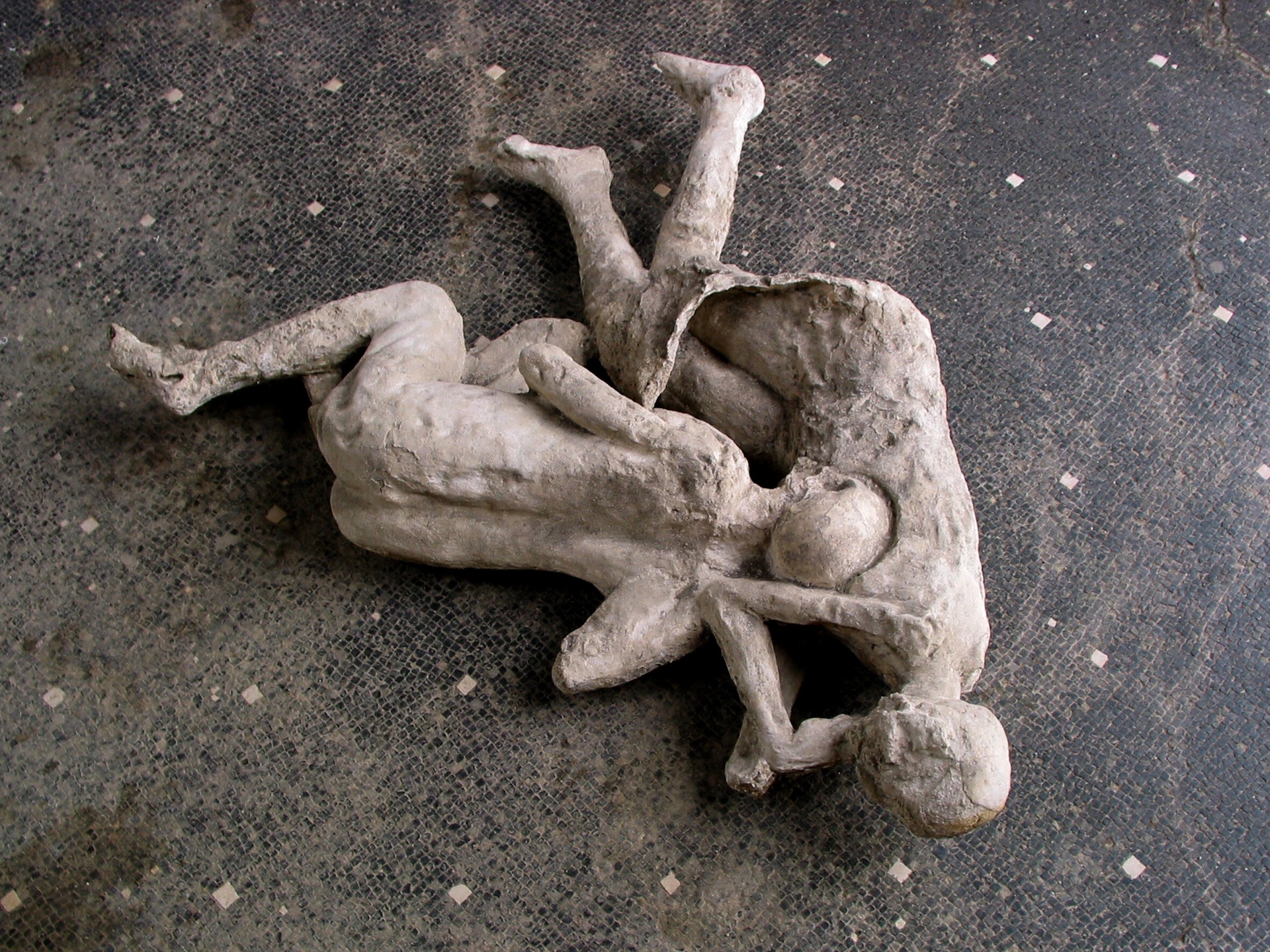
The resulting casts can contain surviving bones or metal objects carried by the victims, while their surfaces may preserve impressions left by clothing and other organic materials that later disappeared.
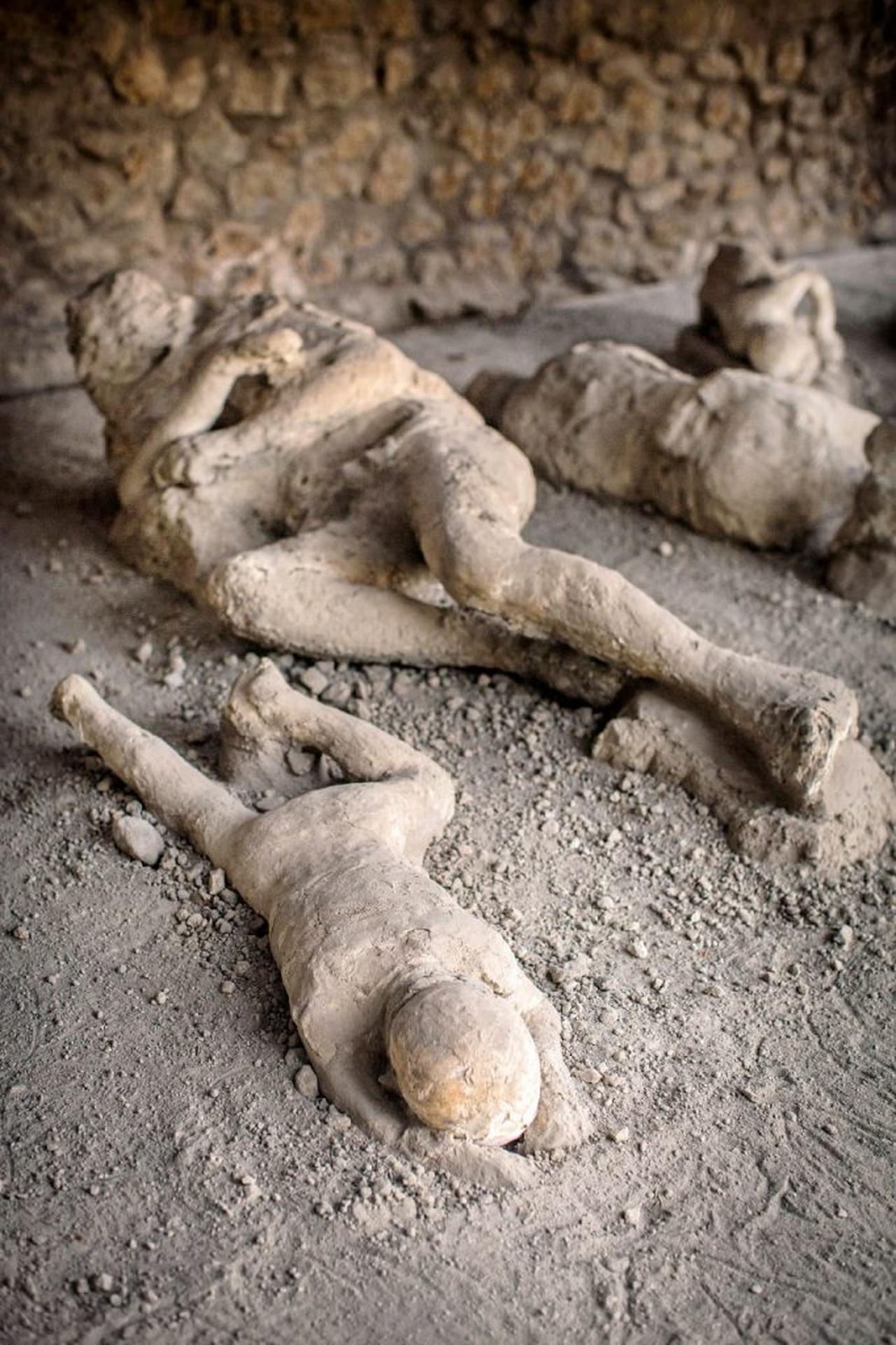
Fiorelli first applied the technique to human victims between Feb. 2 and Feb. 5, 1863, while excavating a street between two blocks later known as the Vicolo degli Scheletri, or Street of the Skeletons.
Four people were cast during that excavation: a man, a woman lying on her right side, a young girl lying face down with her head resting on her left arm, and another woman lying on her left side with her face covered.
Further casts followed over the following decades, including a man found in the House of Marcus Gavius Rufus in 1868, another victim discovered in 1871, and a man found in a garden in 1873 who appeared to be resting on his left side.
A cast of a dog was produced in the House of Orpheus in 1874, while additional human victims, including a child and several people found close to the Stabian Gate, were recorded toward the end of the century.
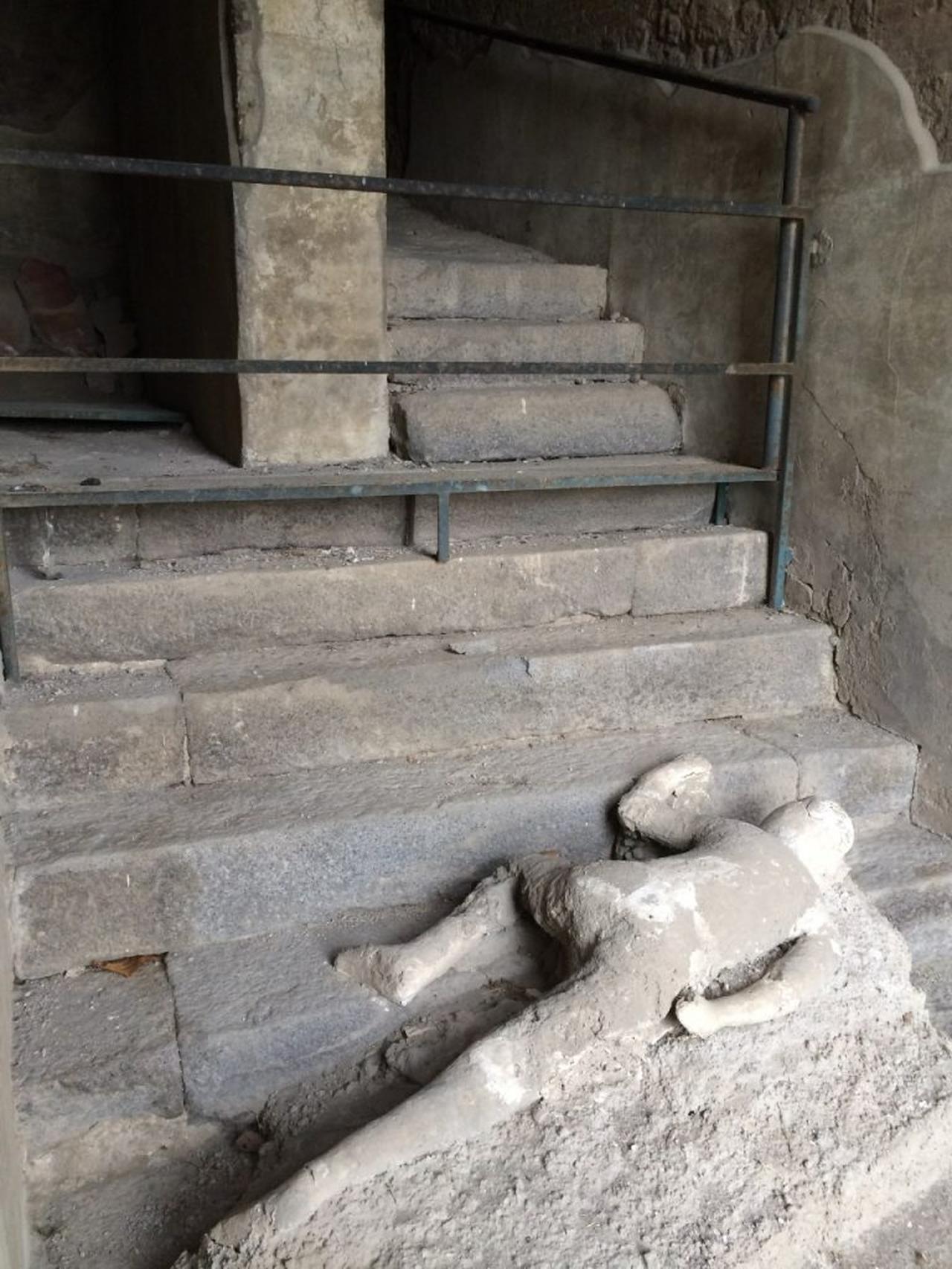
The casts quickly took on a central role in presenting Pompeii to the public and were displayed in metal-and-glass cases in the first Pompeian Museum created by Fiorelli in 1873-1874.
Writer Luigi Settembrini described their emotional impact by emphasizing that they were not works of art or imitation, but traces of human beings caught in the moment of death.
He wrote: "Until now, temples, houses and other objects have been uncovered that interest educated people, artists and archaeologists; but now you, my Fiorelli, have uncovered human pain, and anyone who is human feels it."
The casts also went on to inspire writers and filmmakers, including Primo Levi in his poem "The Girl of Pompeii" and Roberto Rossellini, who built a famous scene in "Journey to Italy" around the discovery of casts.
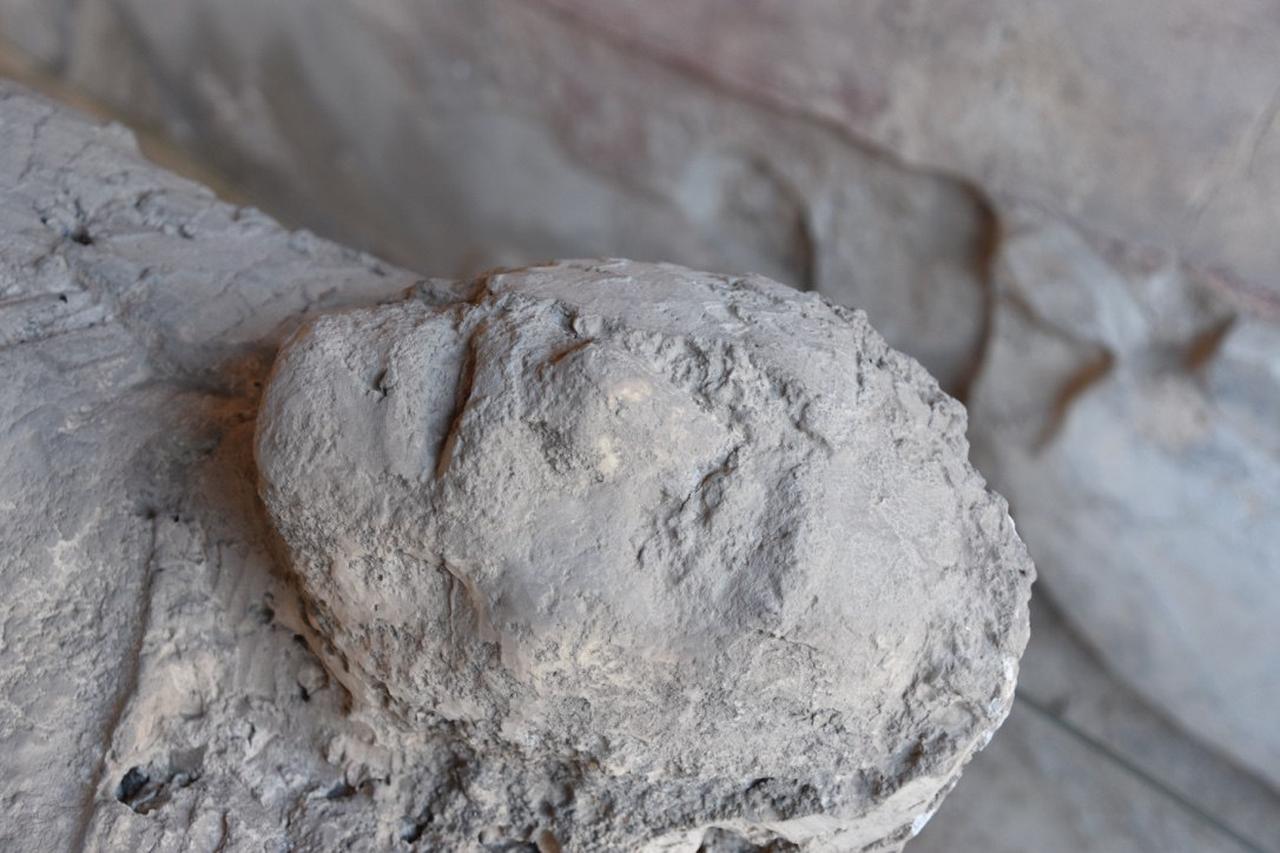
Archaeologists continued using Fiorelli's technique throughout the 20th century, although many casts were increasingly left close to where they had been found rather than being moved into museum displays.
Four casts were produced in 1914 in the garden of the House of the Cryptoporticus, where the remains of several other individuals were also discovered.
Under archaeologist Amedeo Maiuri, who took over work at Pompeii in the 1920s, existing casts were reorganized and new examples were produced.
 1 min read
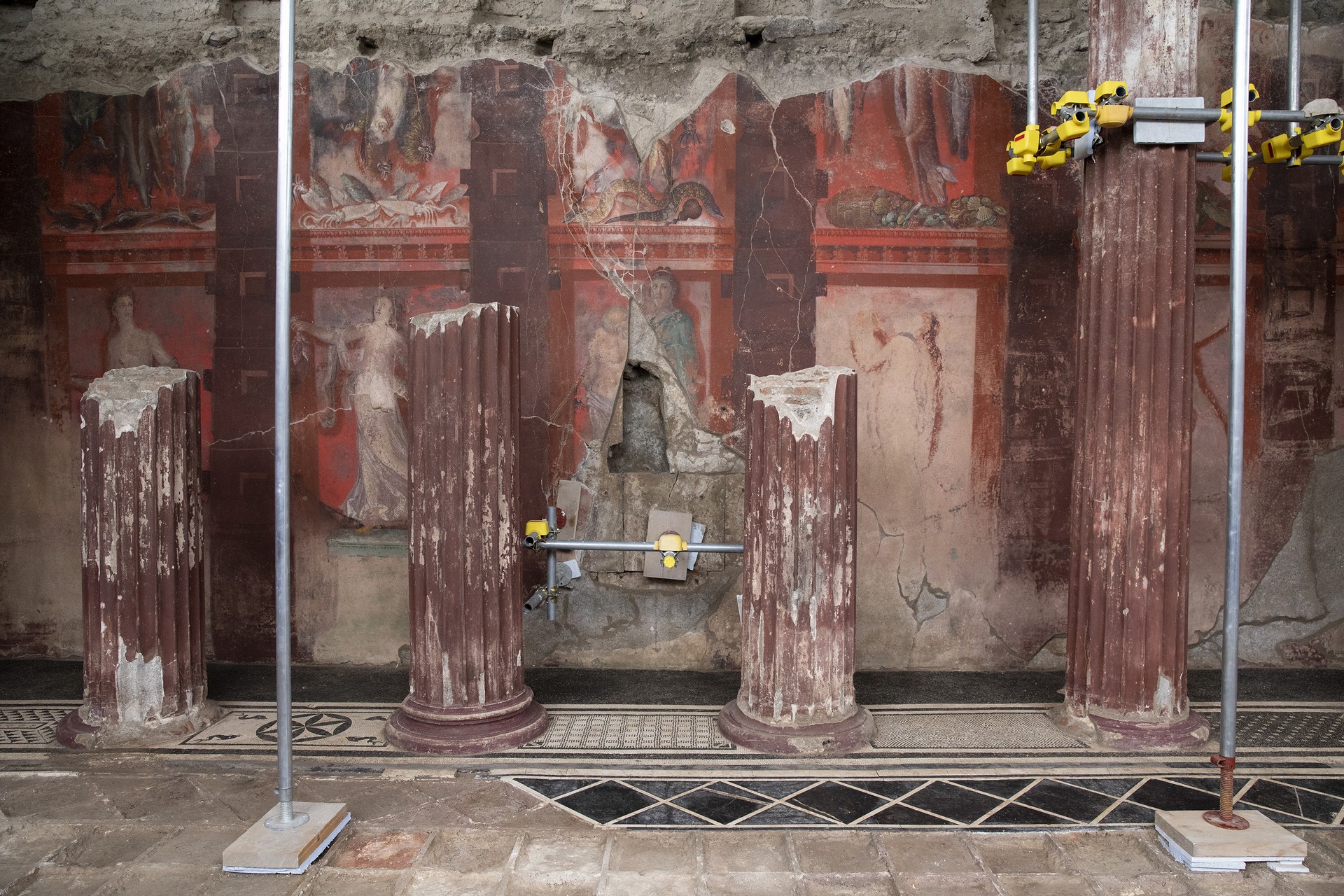
Among the most significant discoveries came in 1961, when 13 victims were uncovered in what became known as the Garden of the Fugitives. Their casts remain at the location where the group died.
Another 15 casts were produced during excavations near the Nola Gate in the 1970s, an exit leading northeast from the city that, like other escape routes, failed to bring its victims to safety.
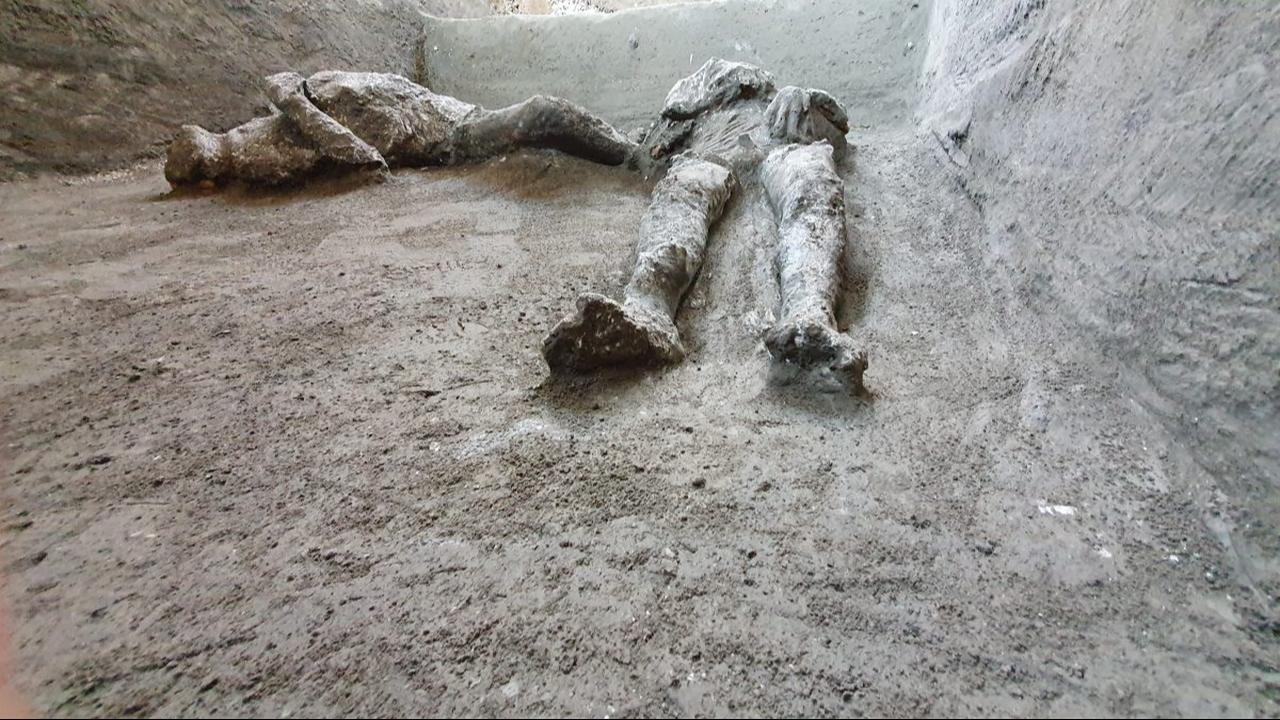
A large number of Pompeii's casts were destroyed or badly damaged during bombing in 1943.
Maiuri and his collaborators later managed to recover some of them, although surviving casts were not given a place in the new Antiquarium museum when it opened in 1948.
More recent work carried out under the Great Pompeii Project included a new survey of the collection, which also led researchers to relocate casts that had previously been considered lost.
The surviving examples were also scanned with laser technology so that 3D-printed copies could be produced alongside earlier plaster and resin replicas. These reproductions are intended for temporary exhibitions around the world, while Pompeii has also planned renewed displays of the original remains.
A different casting technique was tested in 1984 on one of the victims discovered in the Villa of Lucius Crassius Tertius at Oplontis.
Instead of conventional plaster, archaeologists produced a transparent resin cast using a method that combined Fiorelli's approach with techniques related to lost-wax bronze casting.
The transparent material made the skeleton visible inside the cast and allowed researchers to identify and recover jewelry and objects carried by the victim during the attempt to escape.


 Set as preferred source
 Set as preferred source


 1 min read


