Newsletters


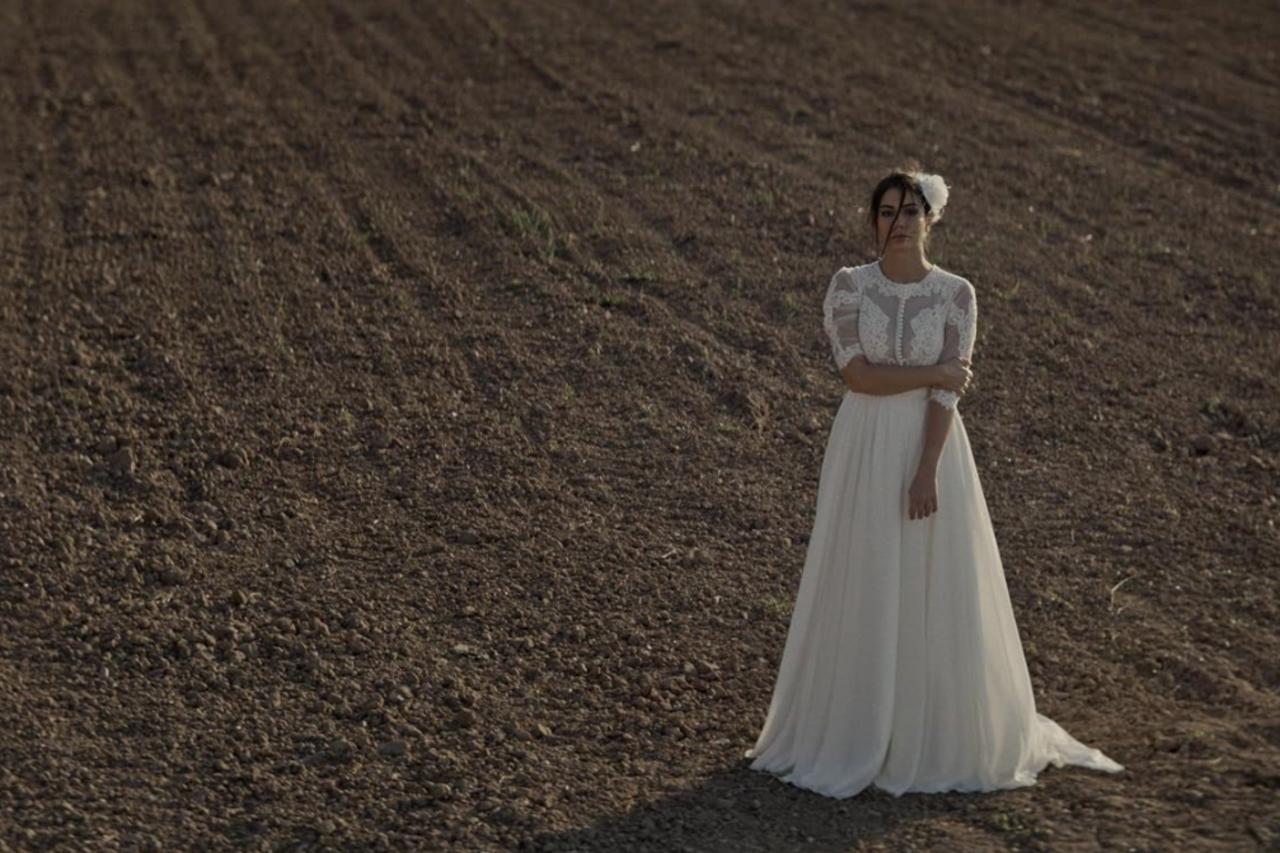


Ferit Karahan's "Djinn Wedding" (Cinlerin Dugunu) made its Türkiye premiere at the 63rd International Antalya Golden Orange Film Festival, where the director described his latest feature as an attempt to recreate the unpredictable nature of human memory through a narrative blending psychological trauma with surreal elements.
Competing in the festival's National Feature Film Competition, the film follows four siblings struggling with displacement, family tensions and inherited trauma in an isolated village in Anatolia, the Asian part of Türkiye.
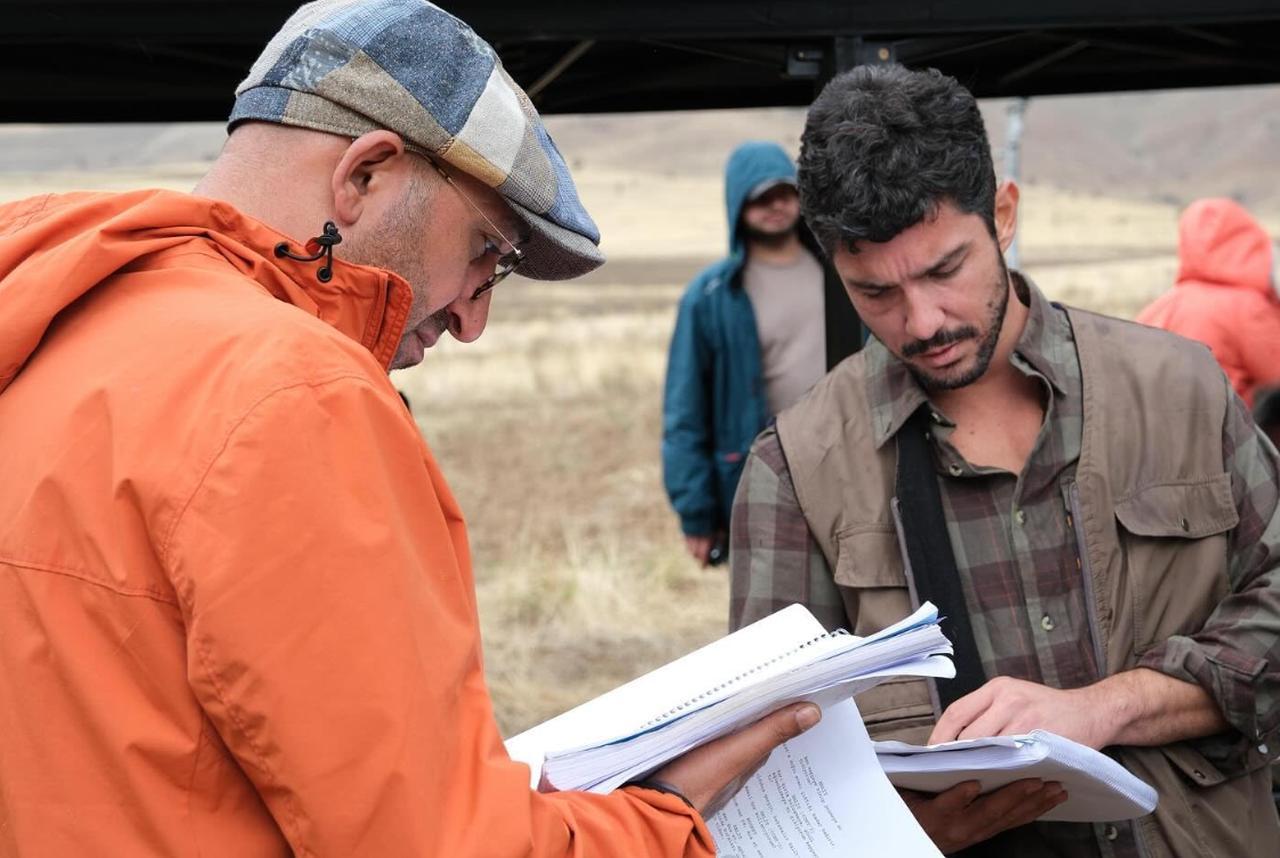
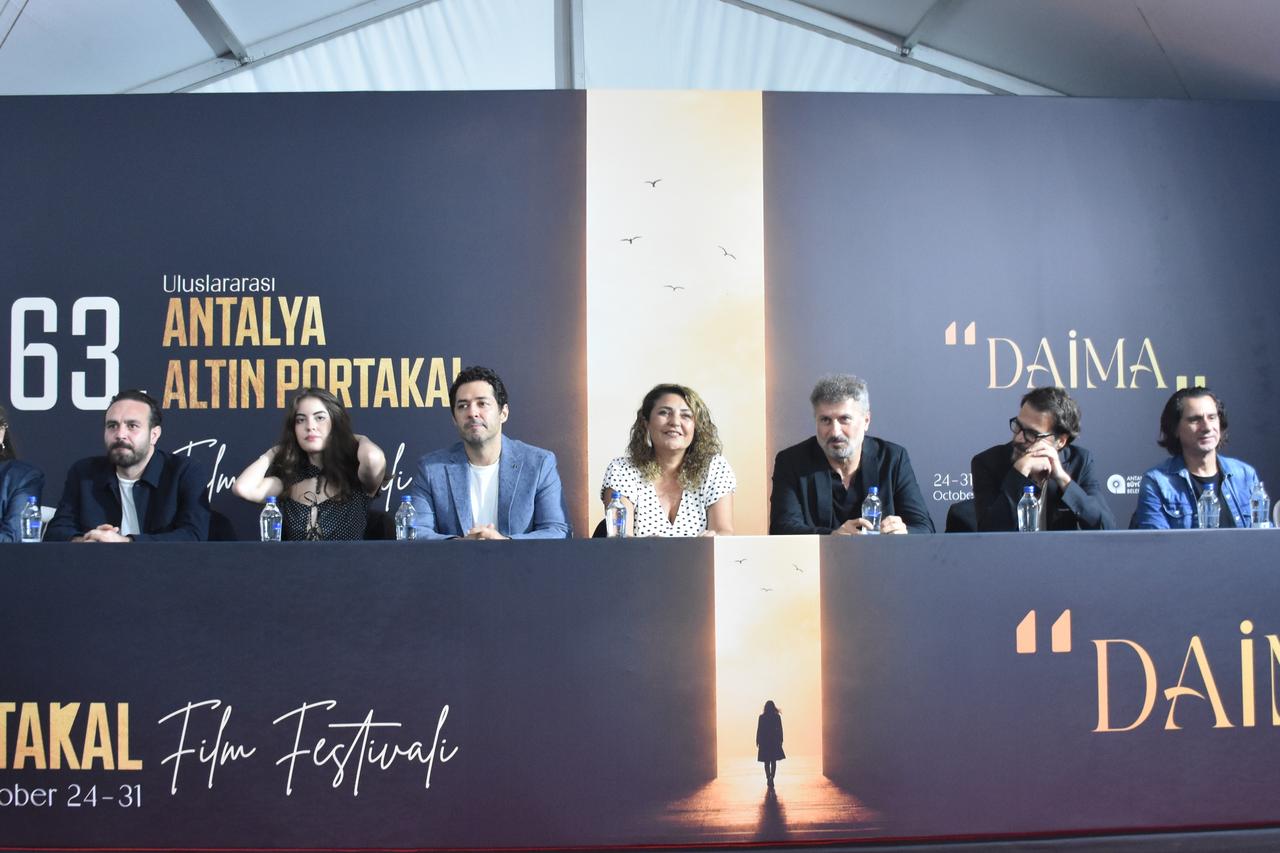
Following the screening, Karahan joined cast members Demet Ozdemir, Ilhan Sen and Kaan Yildirim for a question-and-answer session exploring the film's unconventional storytelling and the emotional struggles of its characters.
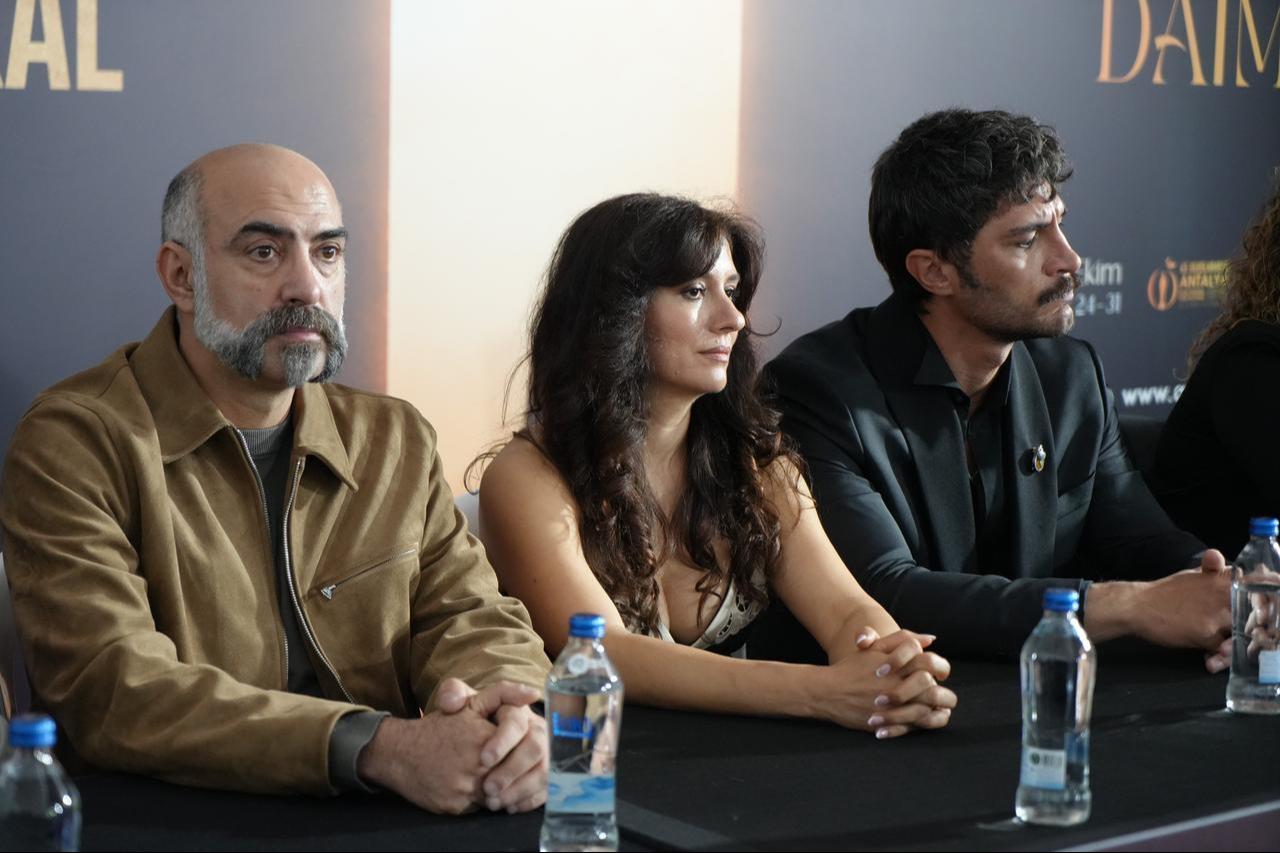

Karahan explained that "Djinn Wedding" builds on themes explored in his earlier films, "Cennetten Kovulmak" and "Okul Tirasi," which also drew on different parts of his personal memories.
However, his latest production approaches memory as a fragmented and constantly shifting experience, allowing certain moments to grow in significance while others fade into the background.
"I wanted to create chaos that works like memory," Karahan said, explaining that he hoped the film would overwhelm viewers with the unsettling intensity of a nightmare.
Although the film incorporates surreal elements, Karahan emphasized that his intention was not to escape reality but to portray it more effectively.
"Reality is so harsh in the geography we live in that I don't think we can describe it without resorting to surreal elements," he said.

Ozdemir, who plays Ceren, one of the four siblings, described the project as particularly meaningful and said working with Karahan had been a valuable experience.
Her character's journey begins after her mother's death, when she is forced to take on responsibilities far beyond her age, effectively becoming both a mother and an older sister within the household.
Ozdemir said Ceren's initial acceptance of her circumstances gradually develops into resistance against the moral expectations imposed on her.
The actress also emphasized that women's struggles for independence and survival cannot be confined to any particular geographical region.
For Ceren, hearing her unborn baby's heartbeat marks a turning point, bringing renewed hope after a period of resignation and hardship.
Ozdemir described the character as an example of women's resistance, highlighting how even seemingly small decisions can become significant acts of defiance.
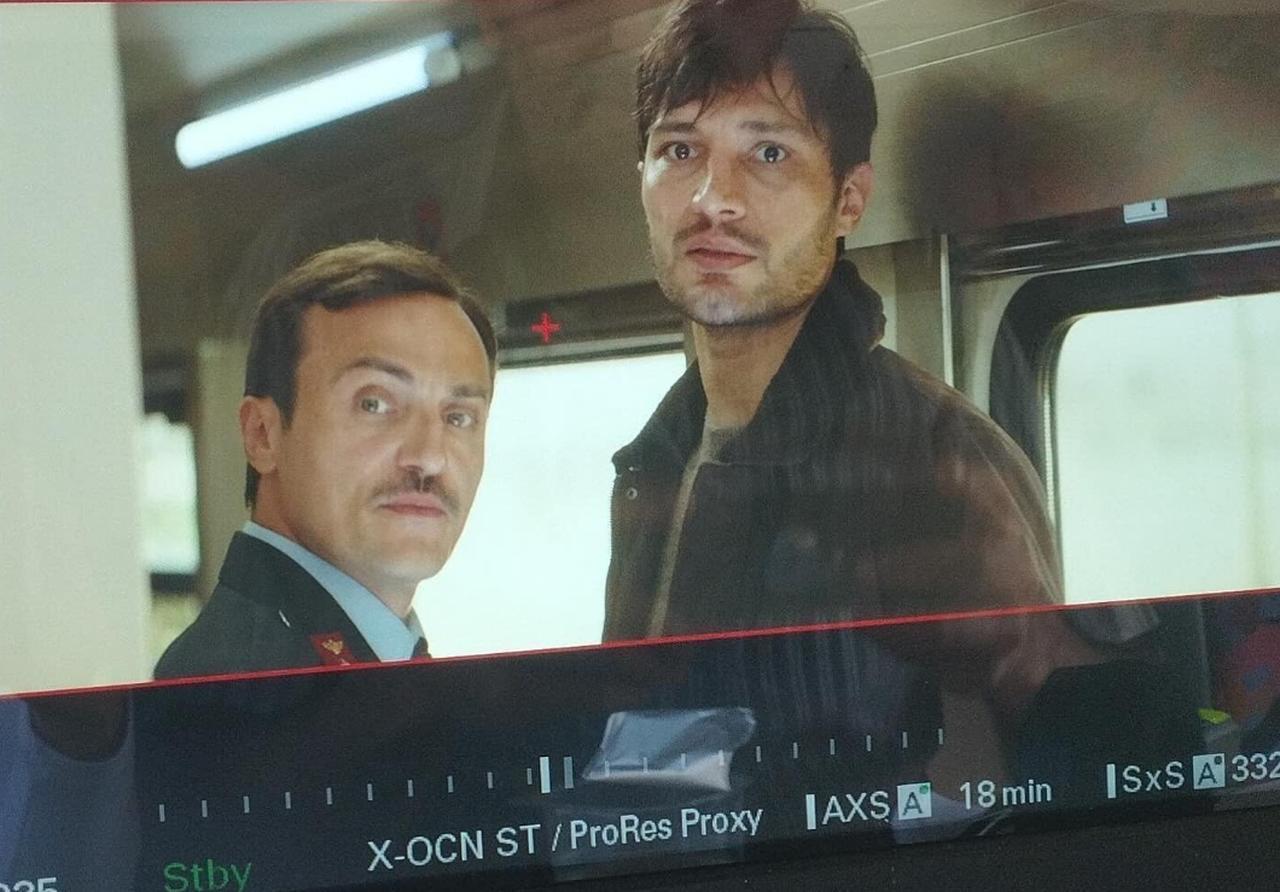
Ilhan Sen, who portrays Deniz, said his preparation focused on the relationship between grief, melancholy and emotional uncertainty.
Working closely with Karahan, Sen sought to create a character whose internal struggles would remain open to interpretation rather than being explicitly explained.
"You lose something and search for it. That is grief. You lose something but don't know what you've lost. That is melancholy," he said.
Sen explained that he wanted different viewers to draw different conclusions about Deniz's emotional state, allowing the character's journey to unfold through subtle expressions rather than direct explanations.
Kaan Yildirim, who plays Halit, discussed how emotional neglect and unequal opportunities among siblings can shape a person's behavior.
According to Yildirim, Halit grows up feeling overlooked by his family, particularly his father, who directs his resources and attention toward Halit's older brother.
The actor suggested that this unequal treatment fuels the character's anger and makes his father's death an unexpectedly liberating moment.
Yet despite his resentment, Halit remains with his family and continues caring for them.
Yildirim said this contradiction was central to understanding the character, whose attempts to break away from his circumstances ultimately leave him tied to the place he hoped to escape.
 1 min read
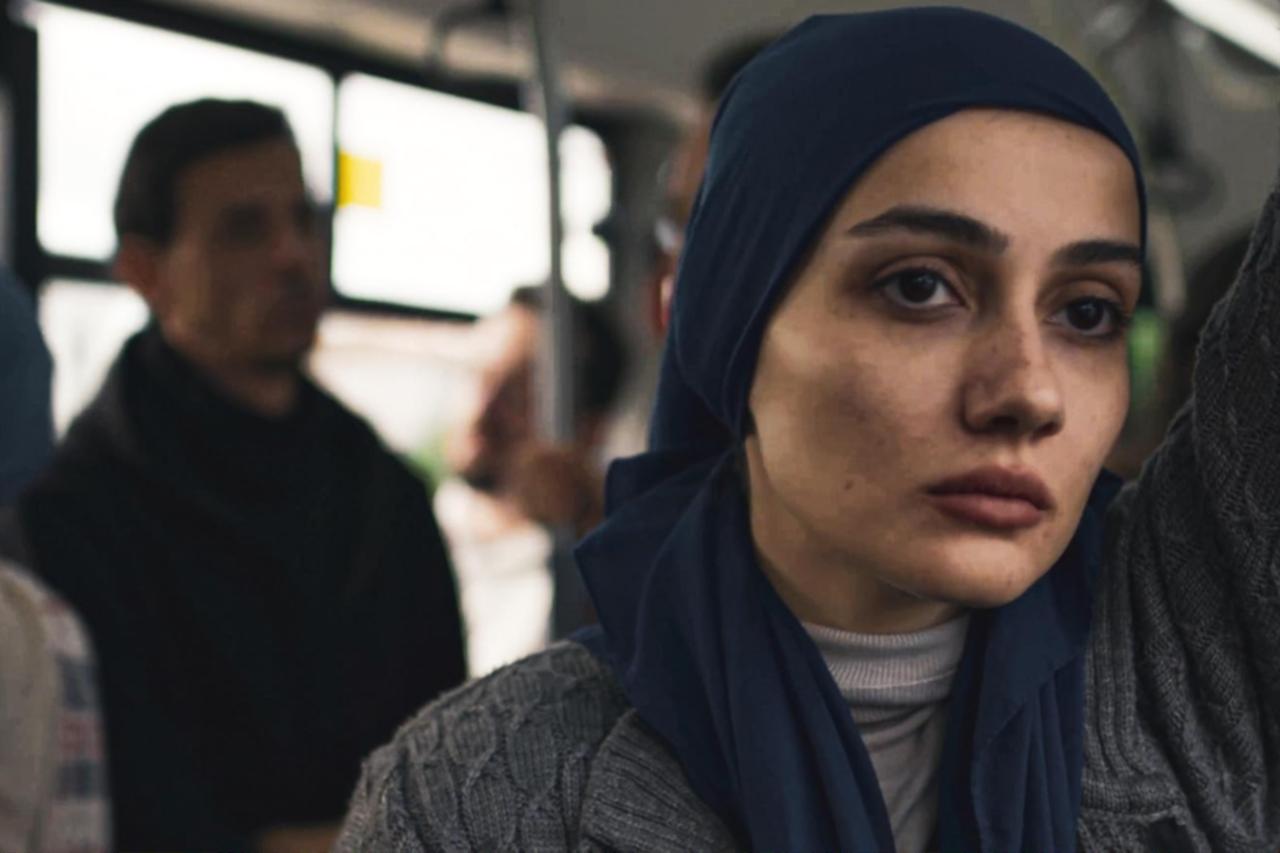
Set in a remote, unsettling Anatolian village seemingly removed from time, "Djinn Wedding" centers on a family forced to survive in an isolated home where they are not legally permitted to reside.
The four siblings grow up under the weight of displacement, insecurity and a persistent sense of misfortune that shapes their relationships and personal choices.
Through its mixture of psychological drama and surreal imagery, the film follows how family trauma and the struggle for belonging carry over from one generation to another.


 Set as preferred source
 Set as preferred source


 1 min read