Newsletters


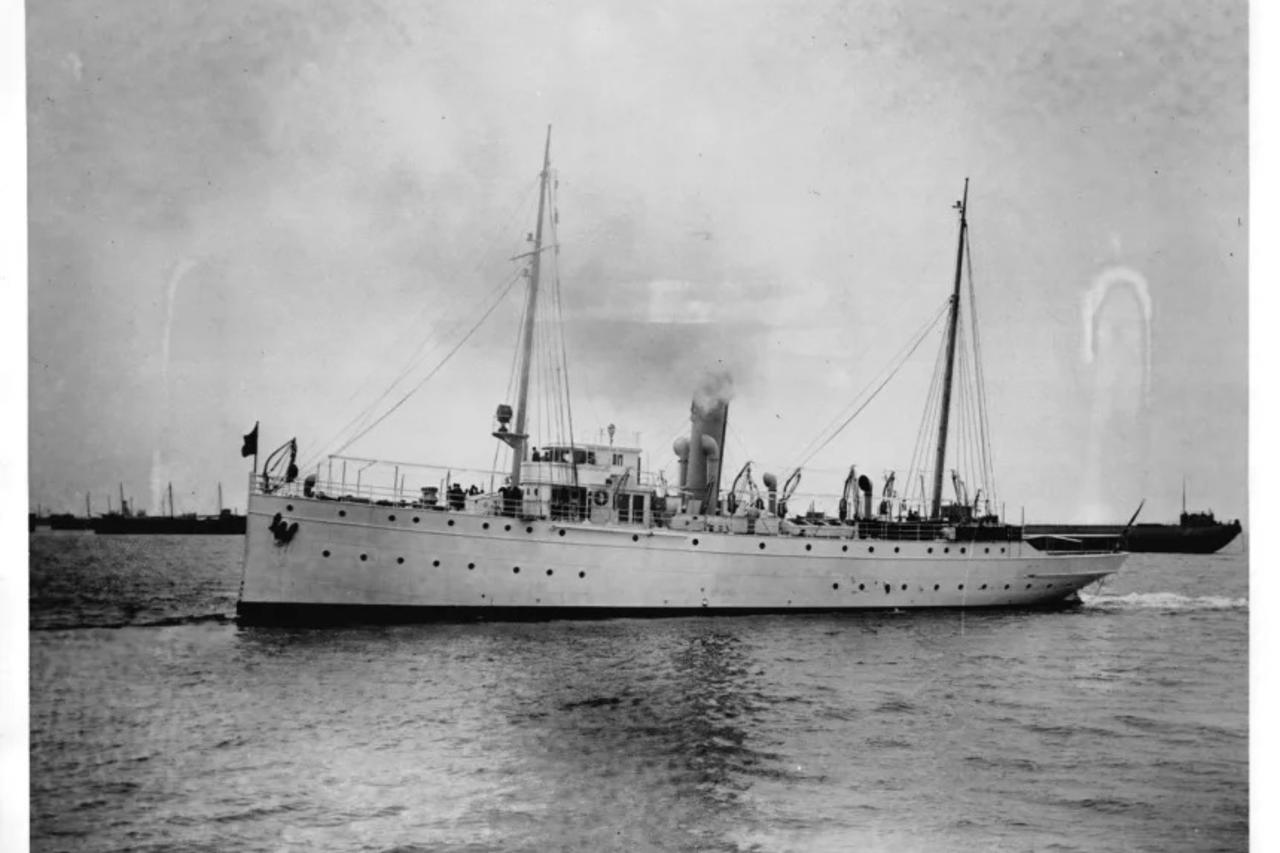


British divers have discovered the wreck of the U.S. Coast Guard Cutter Tampa off the coast of Cornwall, more than a century after the ship was torpedoed during World War I with all 131 people on board.
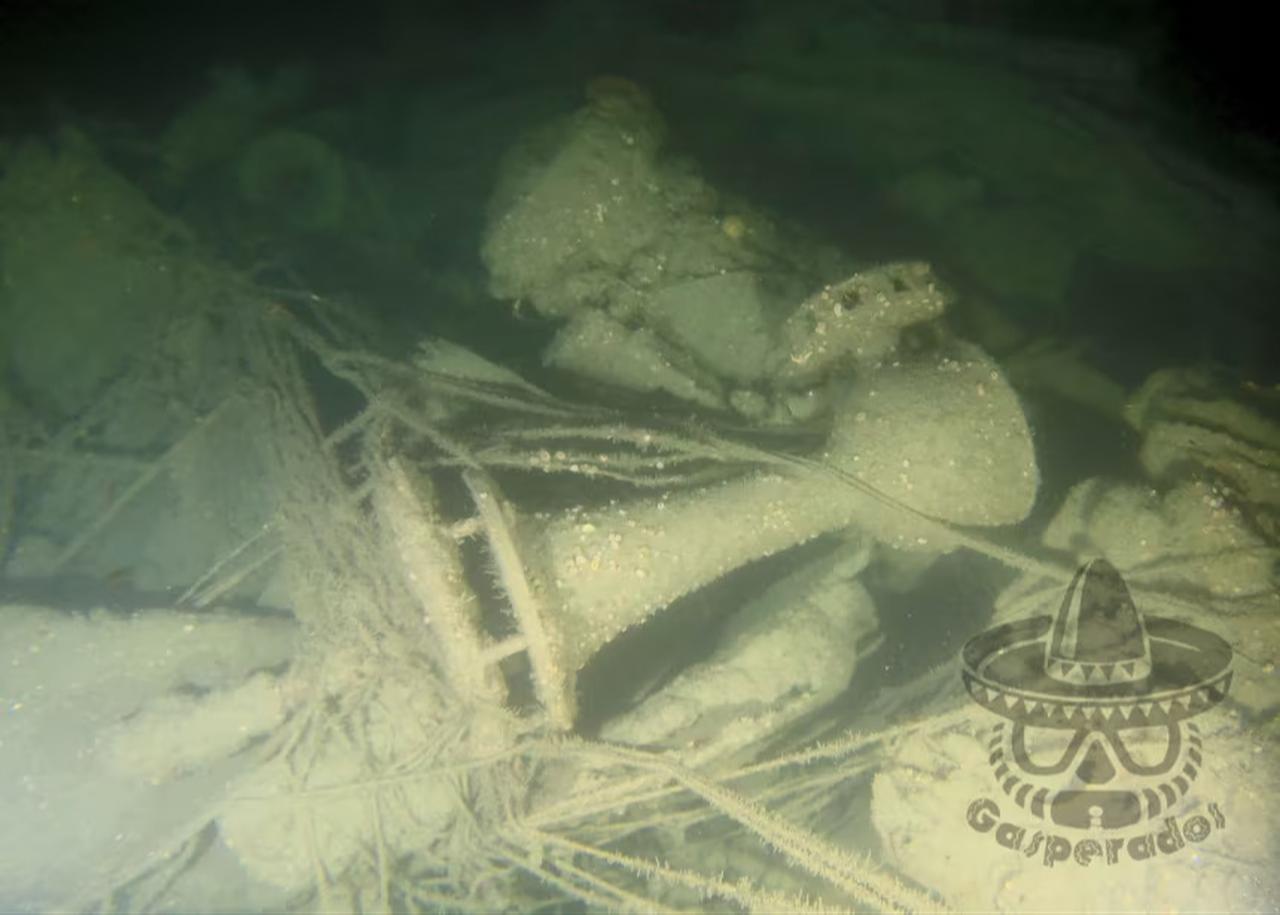
The U.S. Coast Guard announced Wednesday that the wreck had been located at a depth of around 300 feet (91 meters), about 50 miles (80 kilometers) off the coast of Cornwall in southern England.
The Tampa sank on Sept. 26, 1918, after being struck by a German submarine while sailing toward a Welsh port to refuel. The ship went down in less than three minutes, making it the largest U.S. naval combat loss of World War I.
All those aboard were killed, including 111 Coast Guardsmen, four U.S. Navy personnel, and 16 Britons, among them Royal Navy personnel and civilians.
The wreck was found by the British Gasperados Dive Team, an all-volunteer technical diving group that had been searching for the Tampa since 2023.
The team worked with historians, researchers, and the U.S. Coast Guard, which provided records and archival material to help confirm the ship’s identity. According to the Coast Guard, those materials included images of deck fittings, the ship’s wheel, bell, and weaponry.
“This discovery is the result of three years of research and exploration,” dive team leader Steve Mortimer said in a Facebook post cited by U.S. media. “Tampa is of huge importance to the United States and the relatives of everyone who died that day. Their final resting place is known at last.”
The team said the discovery followed repeated attempts to examine possible wreck sites. “Finding Tampa didn’t just happen last weekend. This was the tenth trip to dive possible targets, and everyone, whether skipper, crew, researcher, liaison, or diver, played a part. We’re still buzzing. We did it!” the group said.
CBS News reported that the team had announced last week it would examine two final target areas after receiving “new intel.” Three days later, it declared that the Tampa had been found.

The Tampa had been serving on convoy duty in the Atlantic after six U.S. Coast Guard cutters were sent overseas in the summer of 1917. Of those ships, the Tampa was the only one that did not return.
Under the command of Captain Charles Satterlee, the vessel escorted 18 convoys and earned a special commendation for exemplary service.
Its last voyage began on Sept. 17, 1918, when it was assigned convoy duty in Atlantic waters. On Sept. 26, the captain requested permission to leave the convoy because the ship was running dangerously low on coal, which powered its boilers.
After receiving permission, the Tampa headed toward a port in Wales at full speed around 4 p.m. That evening, a German submarine spotted the ship’s silhouette against the sky and fired a single torpedo.
The torpedo struck the vessel amidships at around 8:15 p.m. The initial blast was followed by a secondary explosion, believed to have been caused either by coal dust igniting or depth charges aboard the ship detonating, according to CNN.
A plane sent to search for the vessel after it failed to reach its destination found pieces of wreckage the following day. U.S. destroyers and British patrol craft searched for survivors, but only debris and two unidentified bodies in naval uniforms were recovered.
The Coast Guard said the crew came from different regions and backgrounds across the United States and included immigrants from Russia and Norway.
Eleven of the Coast Guardsmen who died were Black, and according to Coast Guard history, they were the first minority Coast Guardsmen killed in combat.
“When the Tampa was lost with all hands in 1918, it left an enduring grief in our service,” Coast Guard Commandant Adm. Kevin Lunday said in a statement. “Locating the wreck connects us to their sacrifice and reminds us that devotion to duty endures. We will always remember them.”
The Coast Guard said it is now developing plans for further exploration of the wreck using robotics and autonomous systems.


 Set as preferred source
 Set as preferred source



 1 min read