Newsletters


A lesser-known museum in western Türkiye offers a layered look into one of the Mediterranean’s longest-running trade histories, tracing Izmir’s commercial life back roughly 8,500 years.
Located inside the Izmir Chamber of Commerce, the Izmir Trade History Museum presents the city not just as a modern coastal hub, but as a continuous center of exchange shaped by shifting empires, technologies, and economic systems.
Opened in 2003, the museum holds a distinct place as the first institution of its kind established under the Union of Chambers and Commodity Exchanges of Türkiye.
Its relatively small size, around 100 square meters, contrasts with the scale of the history it covers.
The exhibition follows a chronological structure, beginning with the region’s earliest known settlement at Yesilova Mound, before moving through Old Smyrna at Bayrakli and later the relocation of the city to Kadifekale.
At the entrance, a visual panel titled “Three Izmirs” outlines this geographical and historical evolution, offering context for visitors unfamiliar with the city’s layered past.
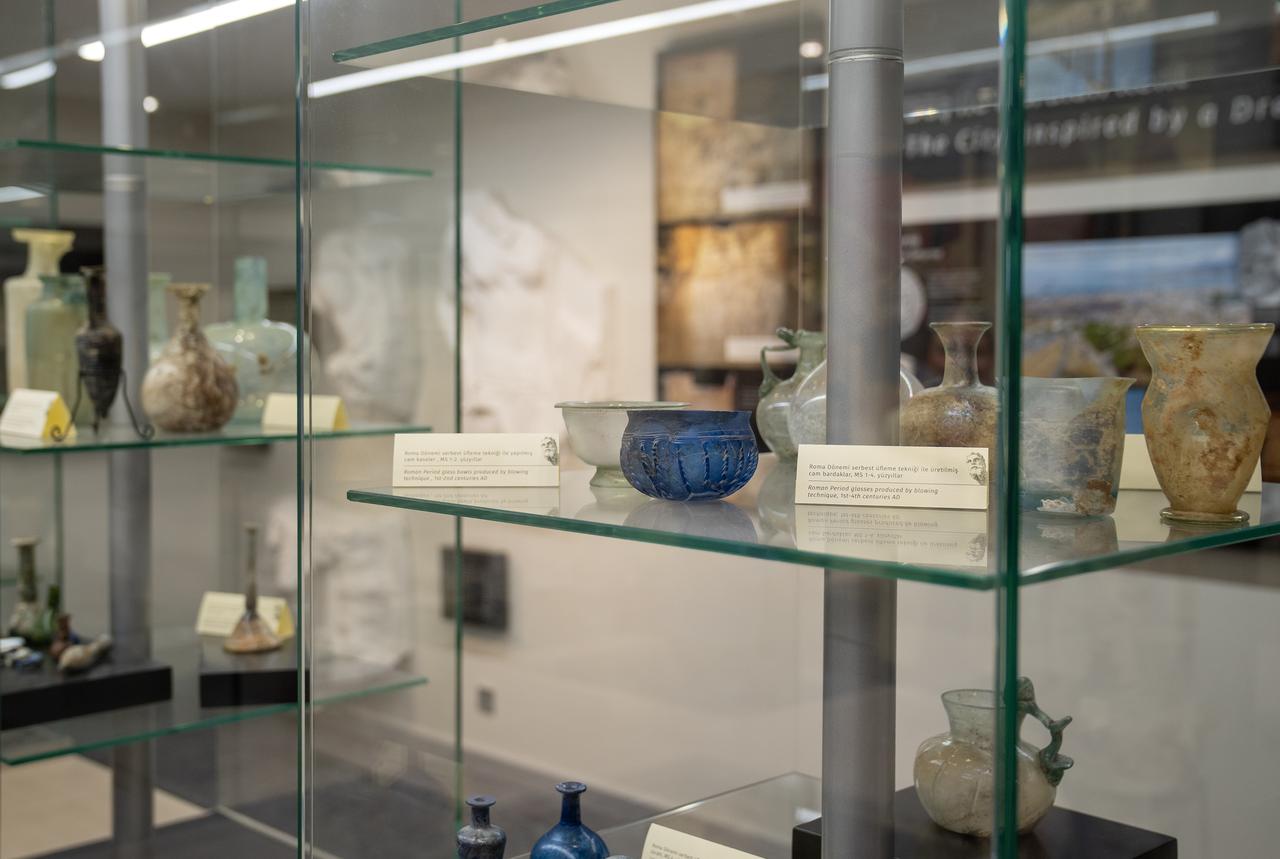
Inside, the archaeological section displays everyday objects that reflect ancient trade life, including ceramic vessels, oil lamps, and glassware. These items are used to illustrate how commerce functioned before the introduction of currency, when barter systems dominated exchange.
The transition to coinage forms a central part of the narrative.
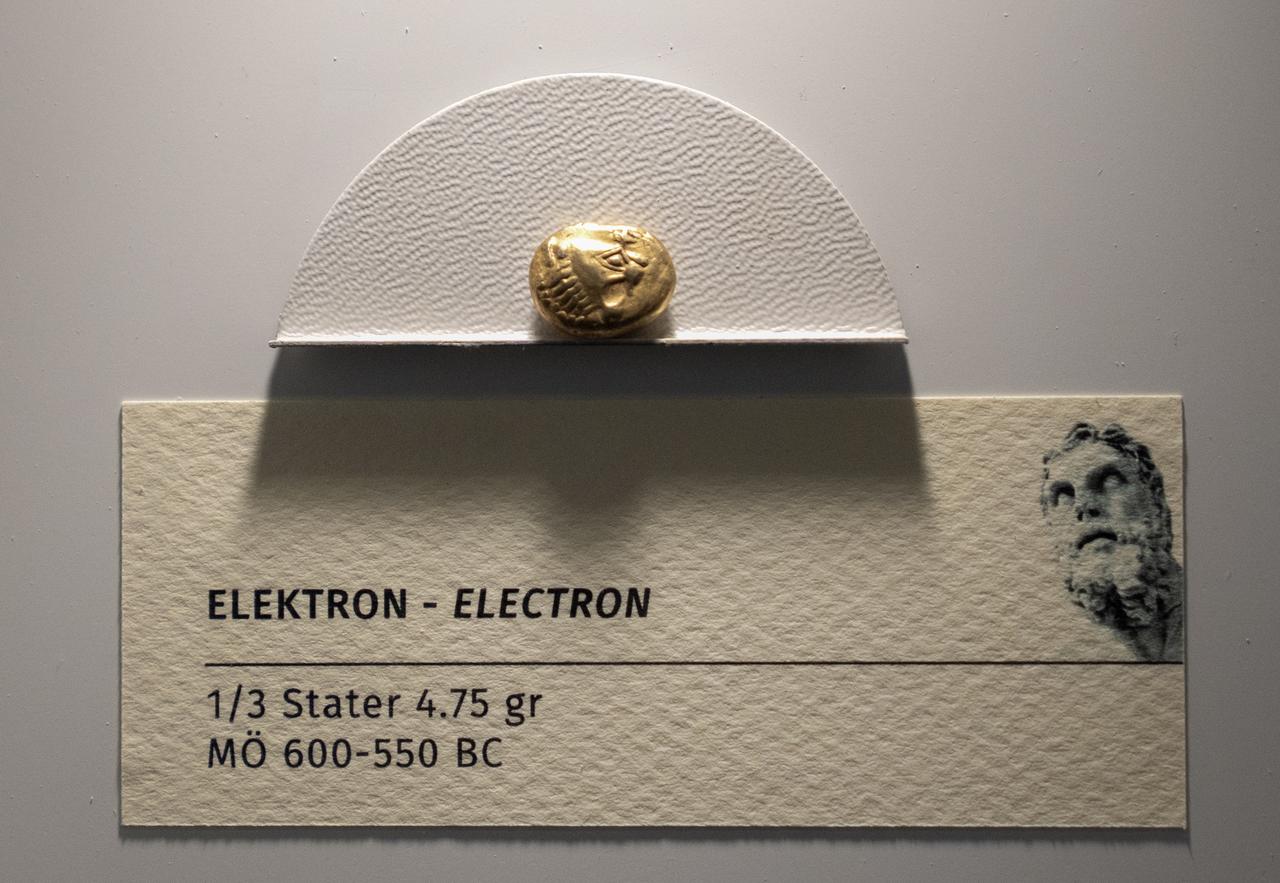
The museum highlights early coins minted by the Lydians, widely considered among the first in history, including examples made from electrum, a naturally occurring alloy.
Persian and Smyrna coins are also part of the collection, providing insight into how monetary systems spread across the region.
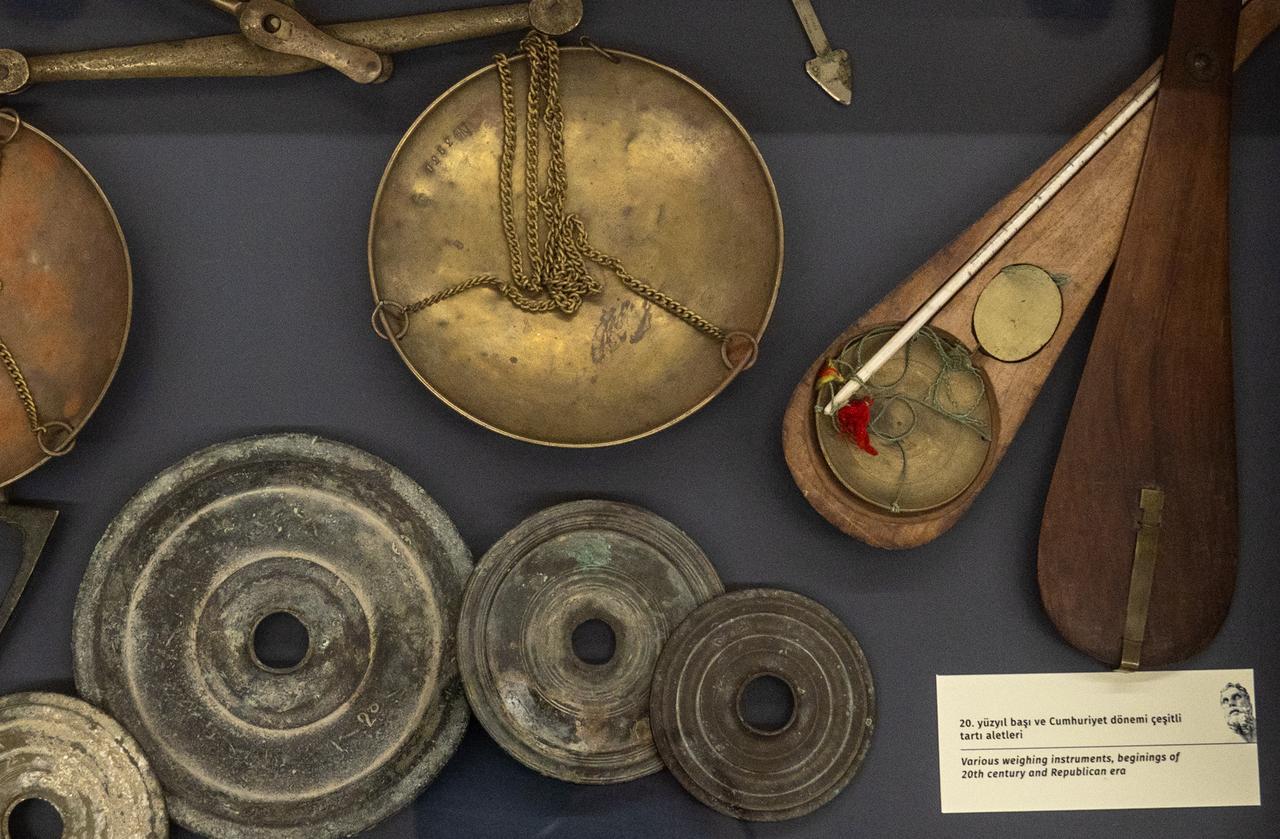
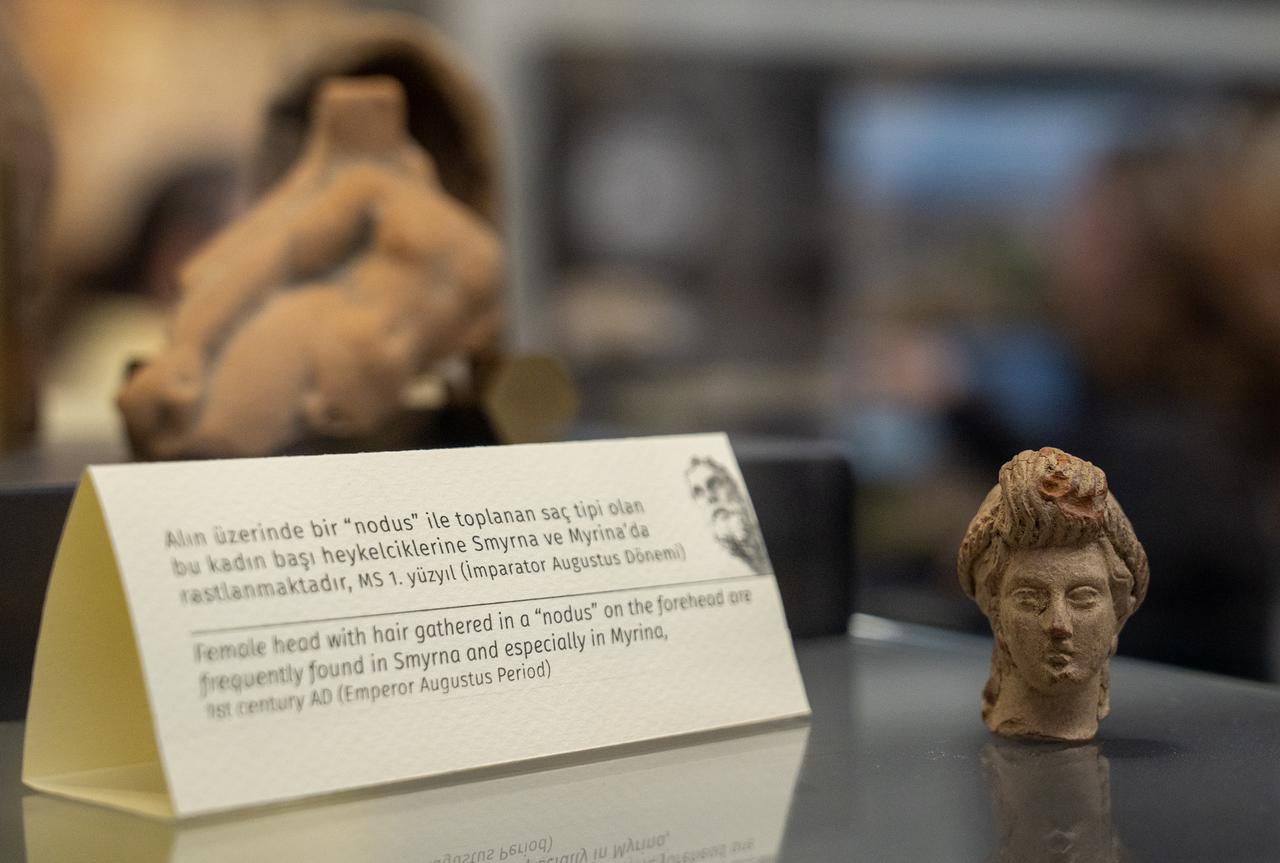
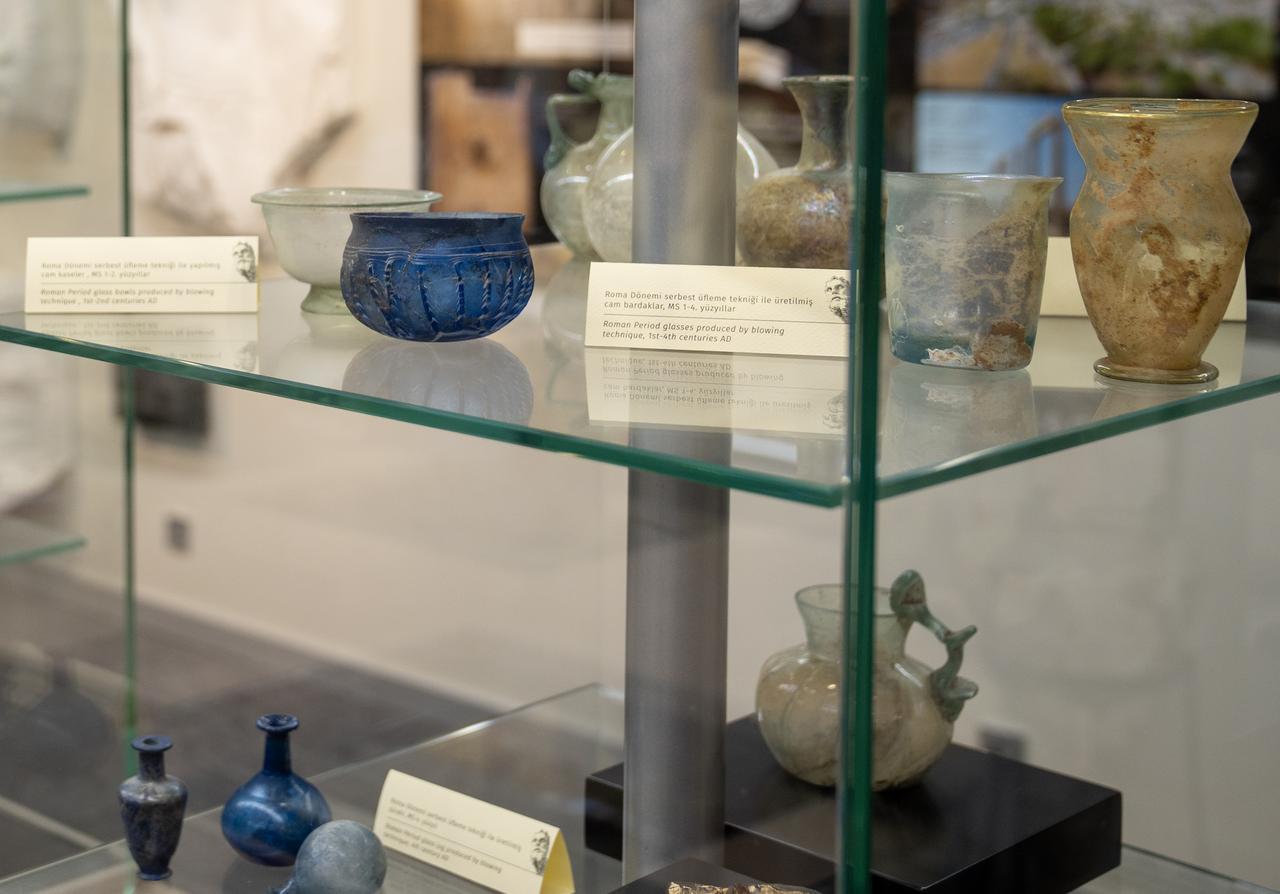
The museum moves beyond antiquity to explore Izmir’s role in later trade networks, particularly during the Ottoman period.
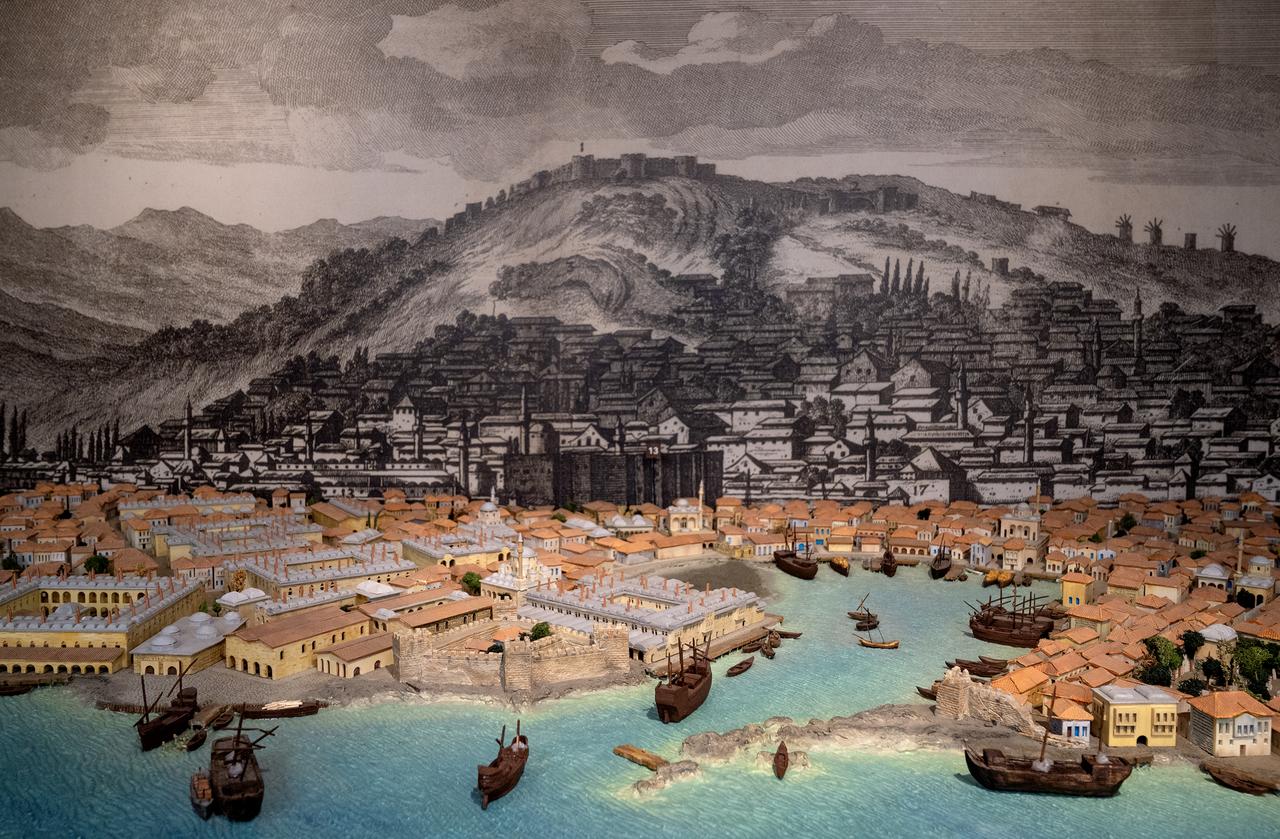
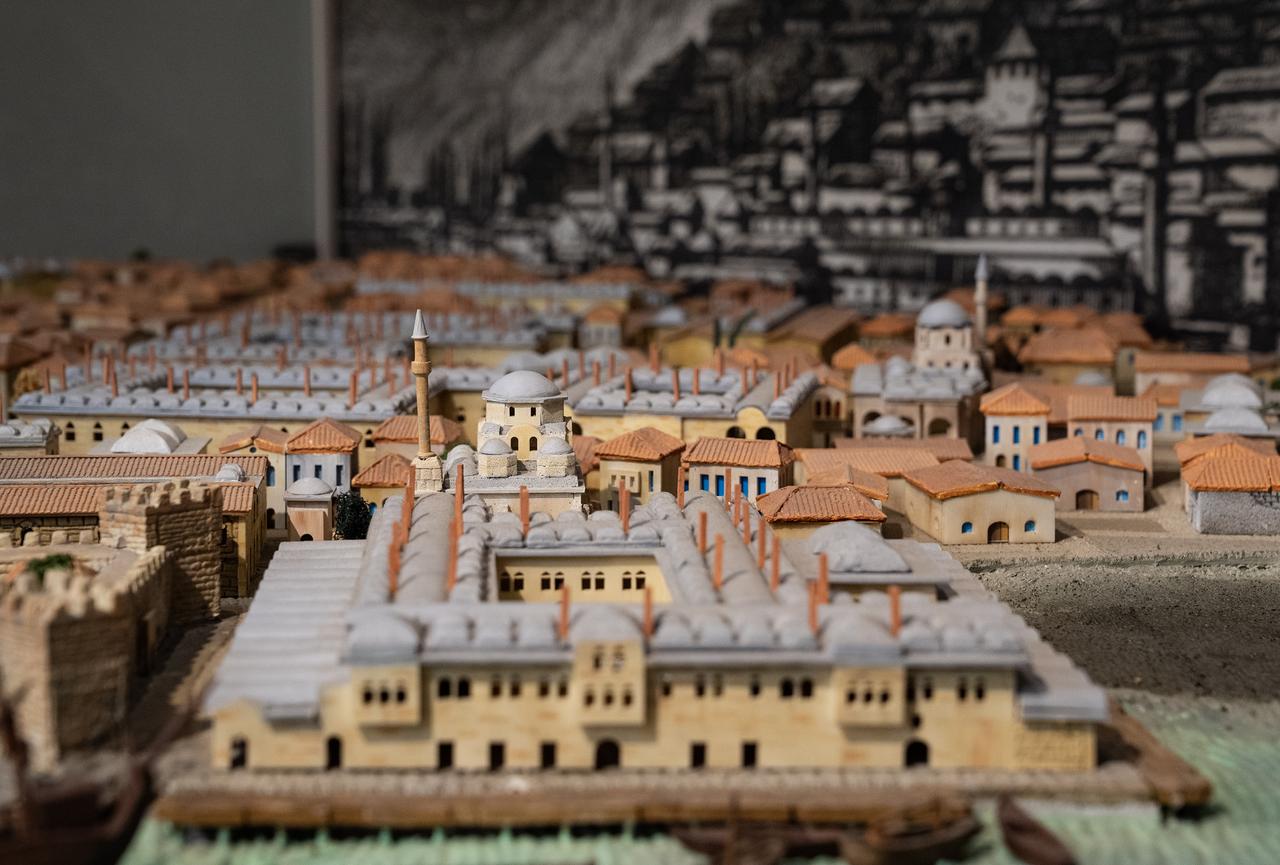
A detailed model of 18th-century Izmir recreates key commercial sites such as Kemeralti Bazaar, Kizlaragasi Inn, and the city’s port, illustrating how goods and people moved through the city.
This section situates Izmir within wider regional trade routes, reinforcing its long-standing position as a gateway between Anatolia and international markets.
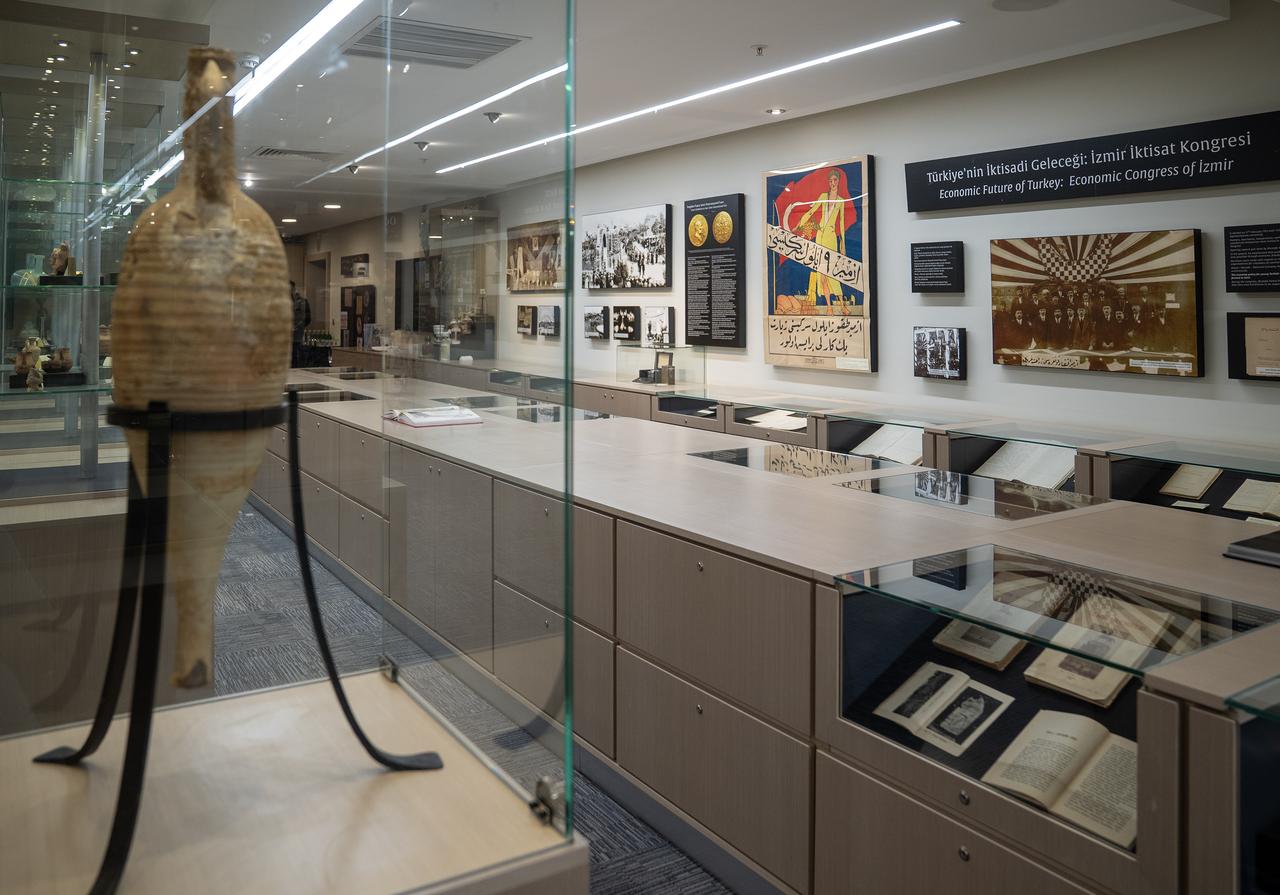
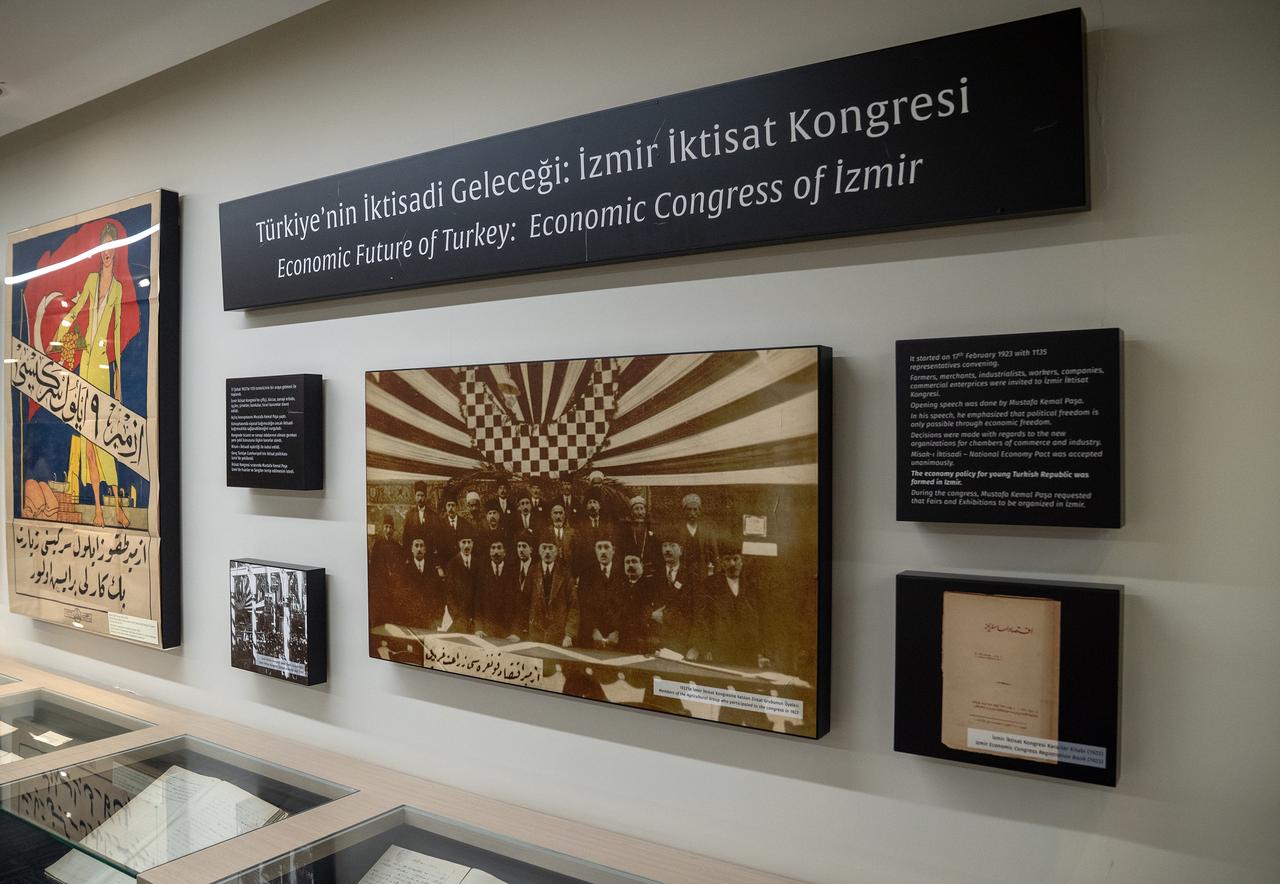
The narrative then shifts to the early years of the Turkish Republic, with a dedicated section on the Izmir Economic Congress.
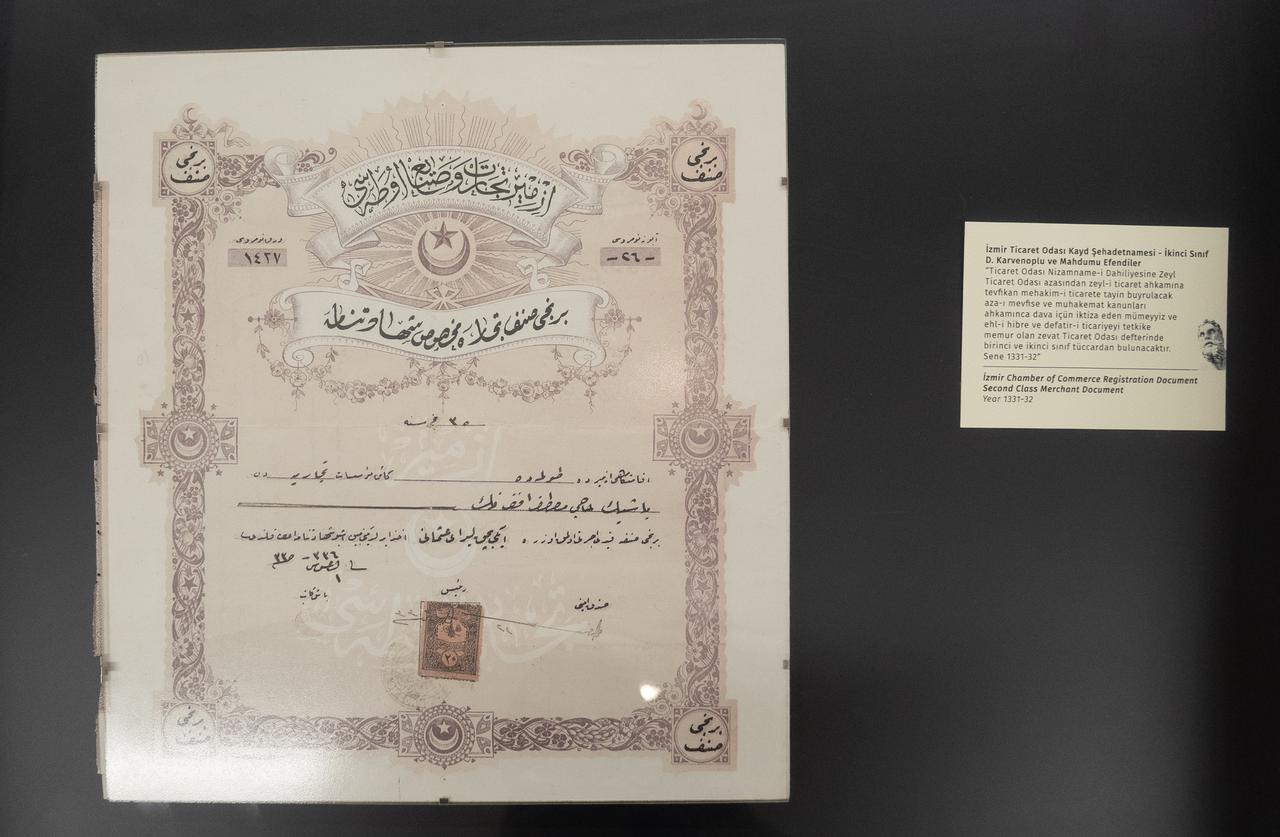
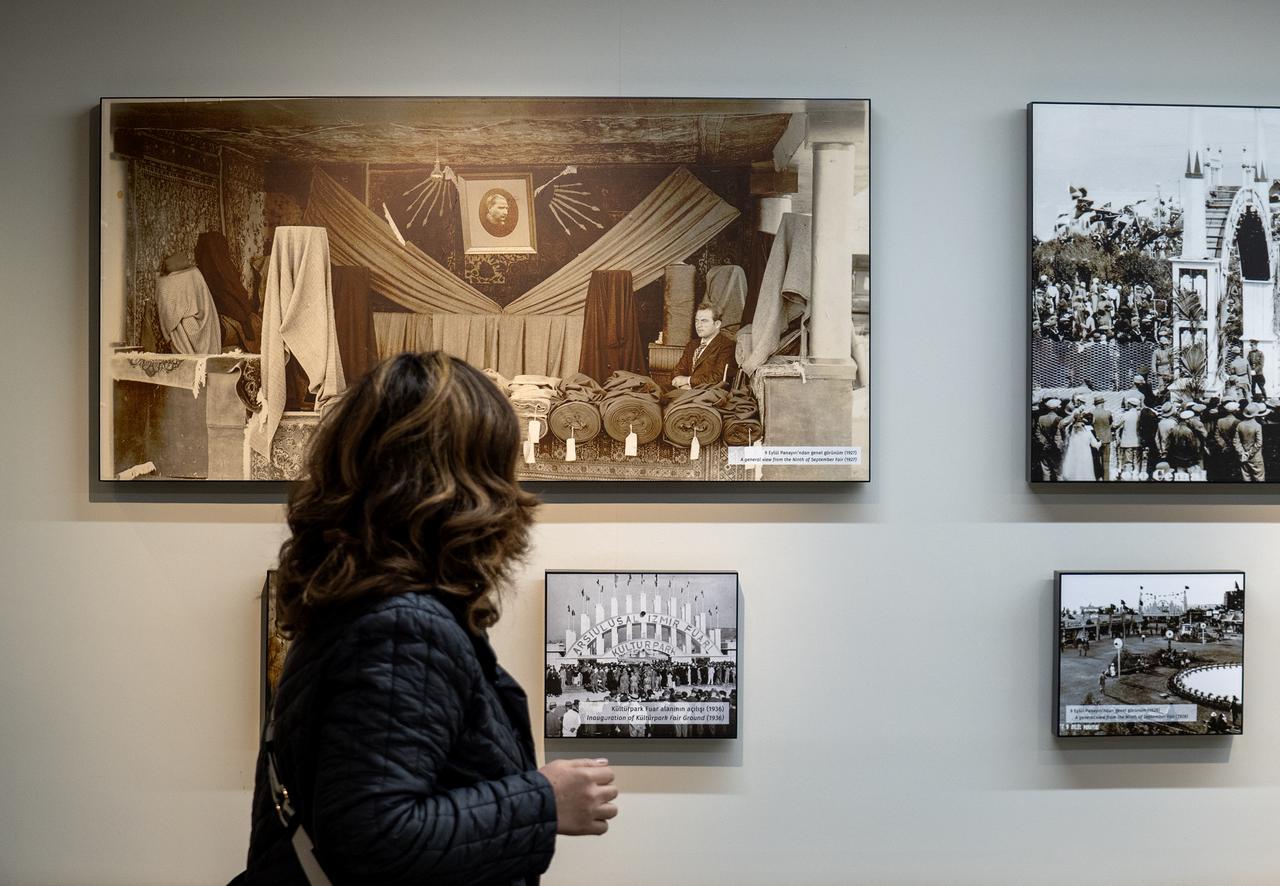
Seen as one of the first major efforts to define the country’s economic direction after independence, the congress is presented through archival documents, decision records, and promotional materials.
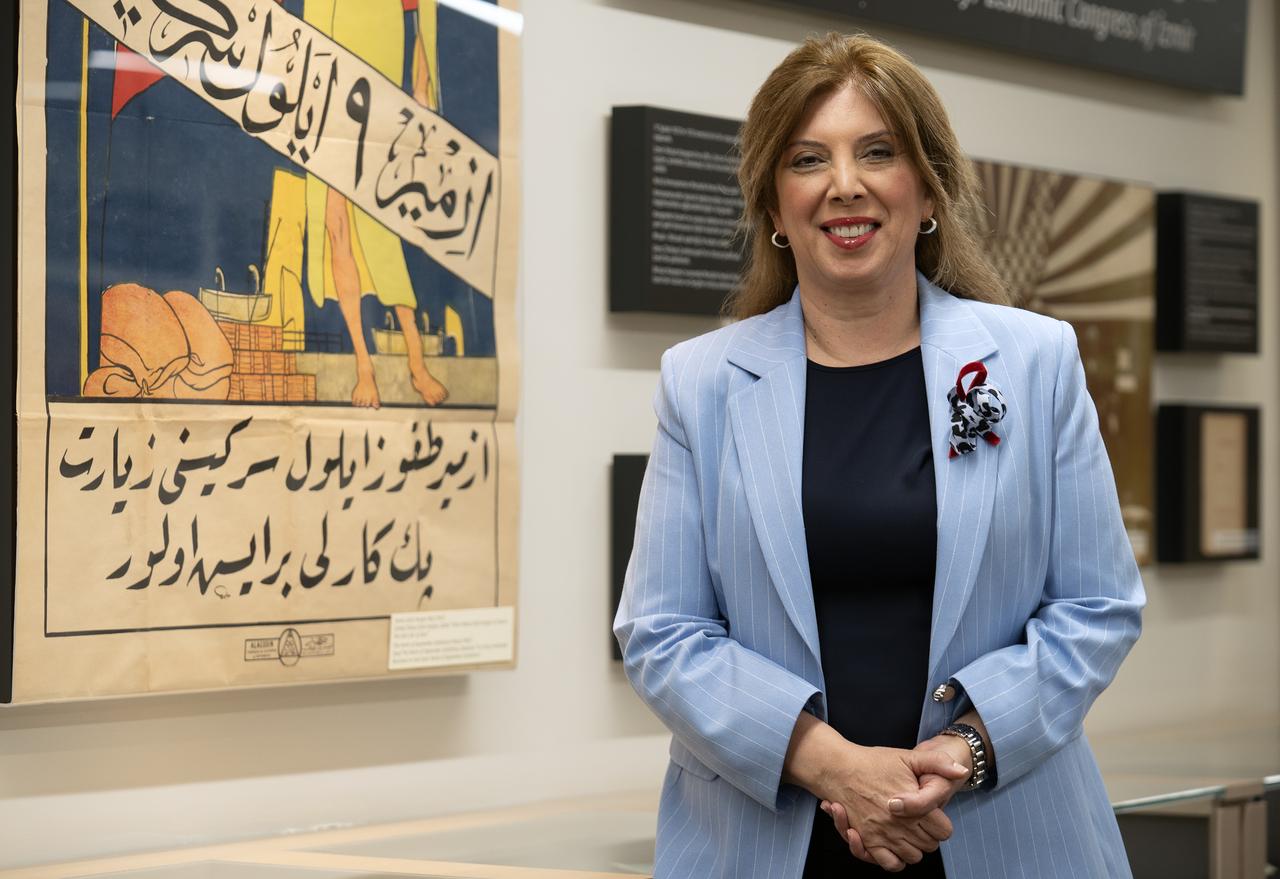
Posters from the period highlight key export products such as grapes, figs, and tobacco, offering a snapshot of how Türkiye positioned itself economically in the early 20th century.
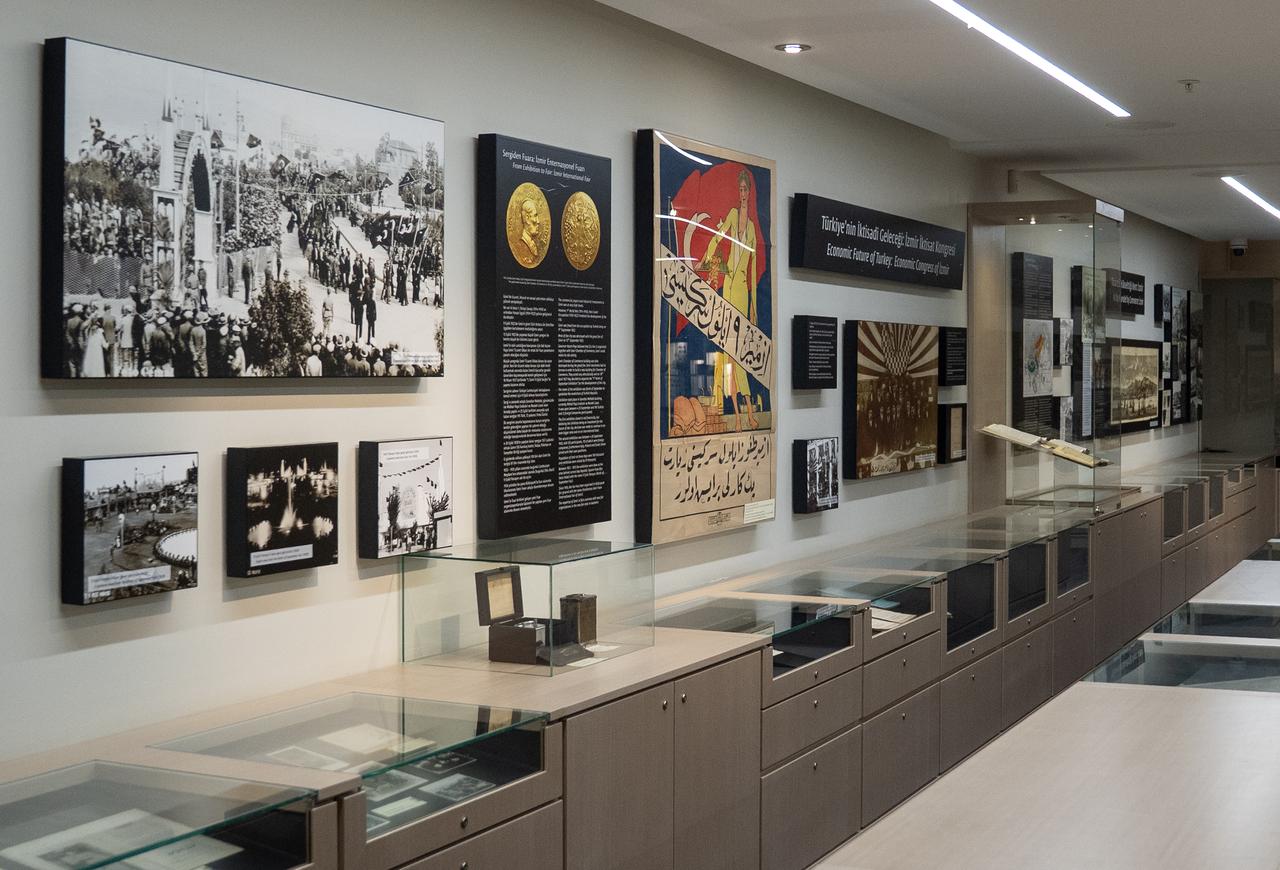
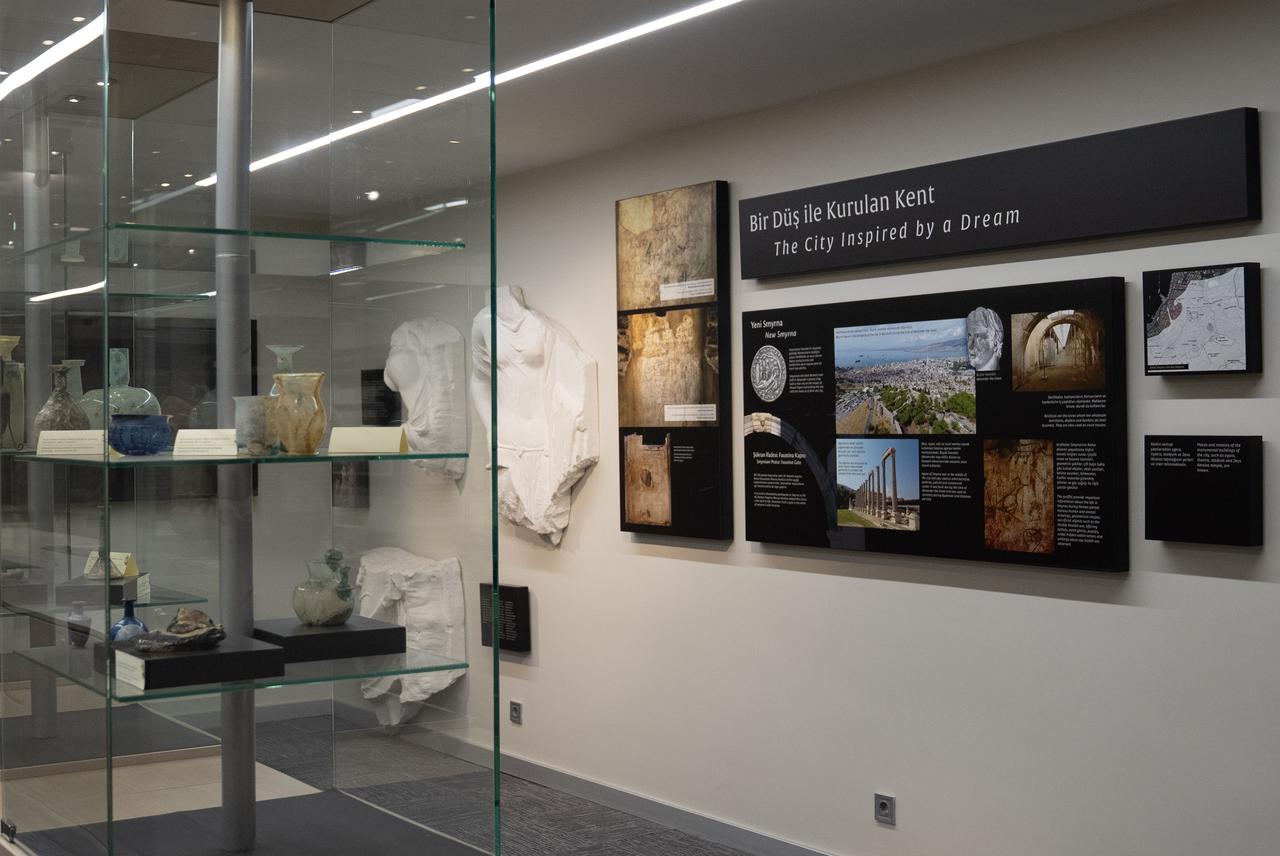
The museum houses a total of 533 items, including 93 archaeological artifacts and 438 coins, alongside trade-related objects, documents, and ethnographic materials.
Despite its scale, officials describe it as more than a static exhibition space.
Julide Tutan, a board member of the Izmir Chamber of Commerce, said the museum introduces visitors to aspects of the city they may not have previously encountered, particularly its commercial identity.
According to Tutan, around 6,000 people visit the museum each year, with roughly half coming from abroad. The visitor profile ranges from students and researchers to tourists and local residents.
The museum is open to the public free of charge, making it an accessible entry point for those looking to understand how trade has shaped Izmir across millennia.


 Set as preferred source
 Set as preferred source



 1 min read