Newsletters


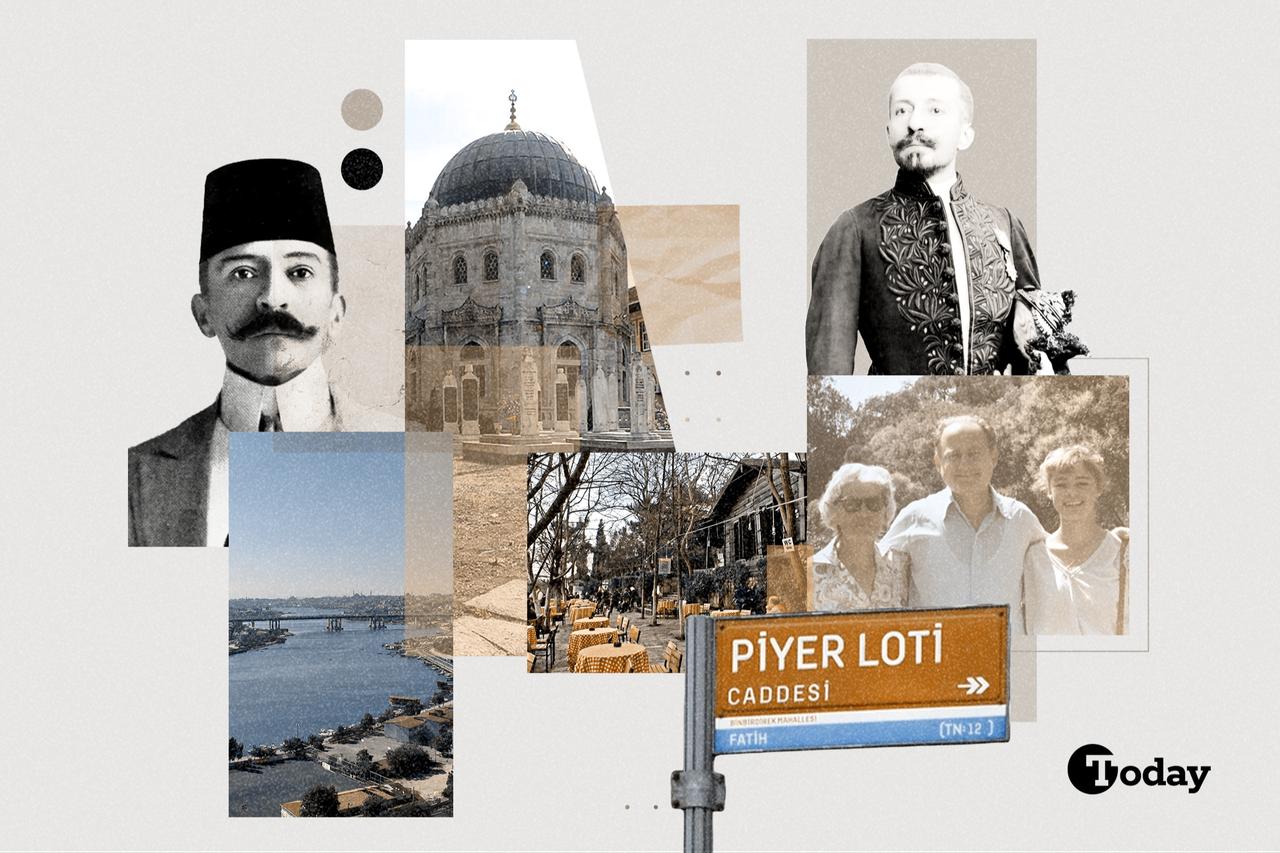


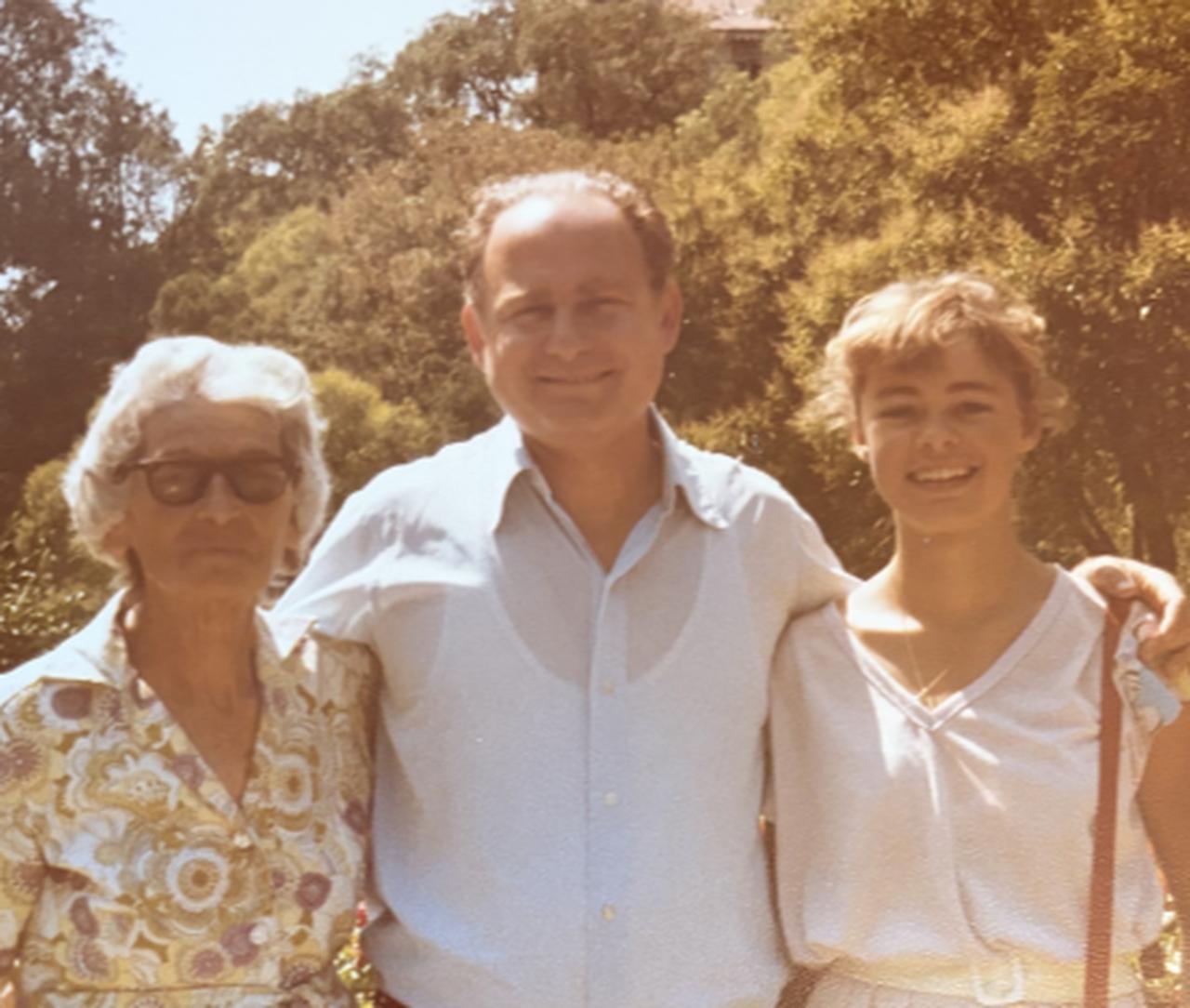
I walked beside my grandmother, my arm linked through hers, as we navigated the uneven, crumbling pavements and broken kerbs of the Fatih district in the old city of Stamboul, where the past did not announce itself but lingered quietly in the streets. It was the summer of 1985, and I was excited to be visiting her during the school holidays.

This was not the Istanbul of imperial mosques and magnificent palaces that visitors came to admire, but a raw, working quartier of workshops and dilapidated apartment buildings leaning into one another as though for support. Porters passed us in a slow, unbroken procession, bent almost double beneath unimaginably heavy loads. Thick ropes were slung across their foreheads, cutting into the skin as they bore the weight with admirable endurance. Nearby, a machine shuddered into motion, and the sharp sound of metal against metal rang out, echoing through the street.
Above it all, seagulls wheeled and cried, their high-pitched calls slicing through the summer air as they circled low over piles of rubbish scattered along the pavement. The smell of oil and coal smoke clung stubbornly to the salty breeze drifting in from the Marmara Sea. Sagging balconies overlooked the street, paint peeling from bowed wooden frames, laundry strung between them like faded bunting, stirring lazily in the heat.
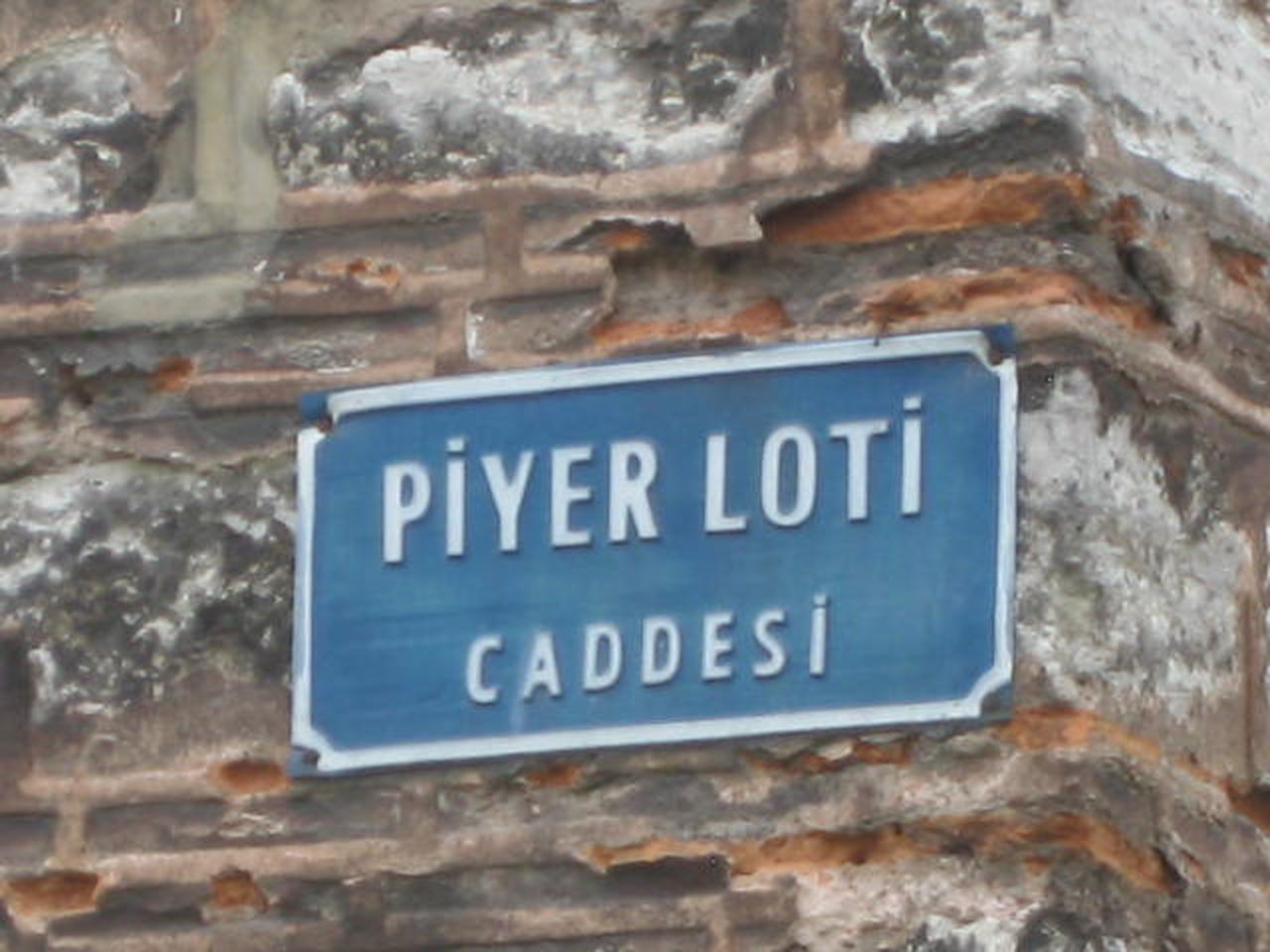
I tilted my head back, my gaze drawn upward to a rusting street sign screwed into the cracked facade of a building on the corner: Pierre Loti Caddesi. We were almost home.
I wondered whether the lift would be working, so that my grandmother would not have to struggle up the stairs; it rarely was. I wondered whether there would be electricity, so that I could make her a glass of tea, or water in the taps so we could wash our hands, or if we would once again have to rely on the filled plastic containers lined neatly on the bathroom floor.
And then, as my eyes lingered on the sign, another question took hold. Who was Pierre Loti and why did this street, tucked deep within the heart of Stamboul where my grandmother lived so modestly, bear his name?
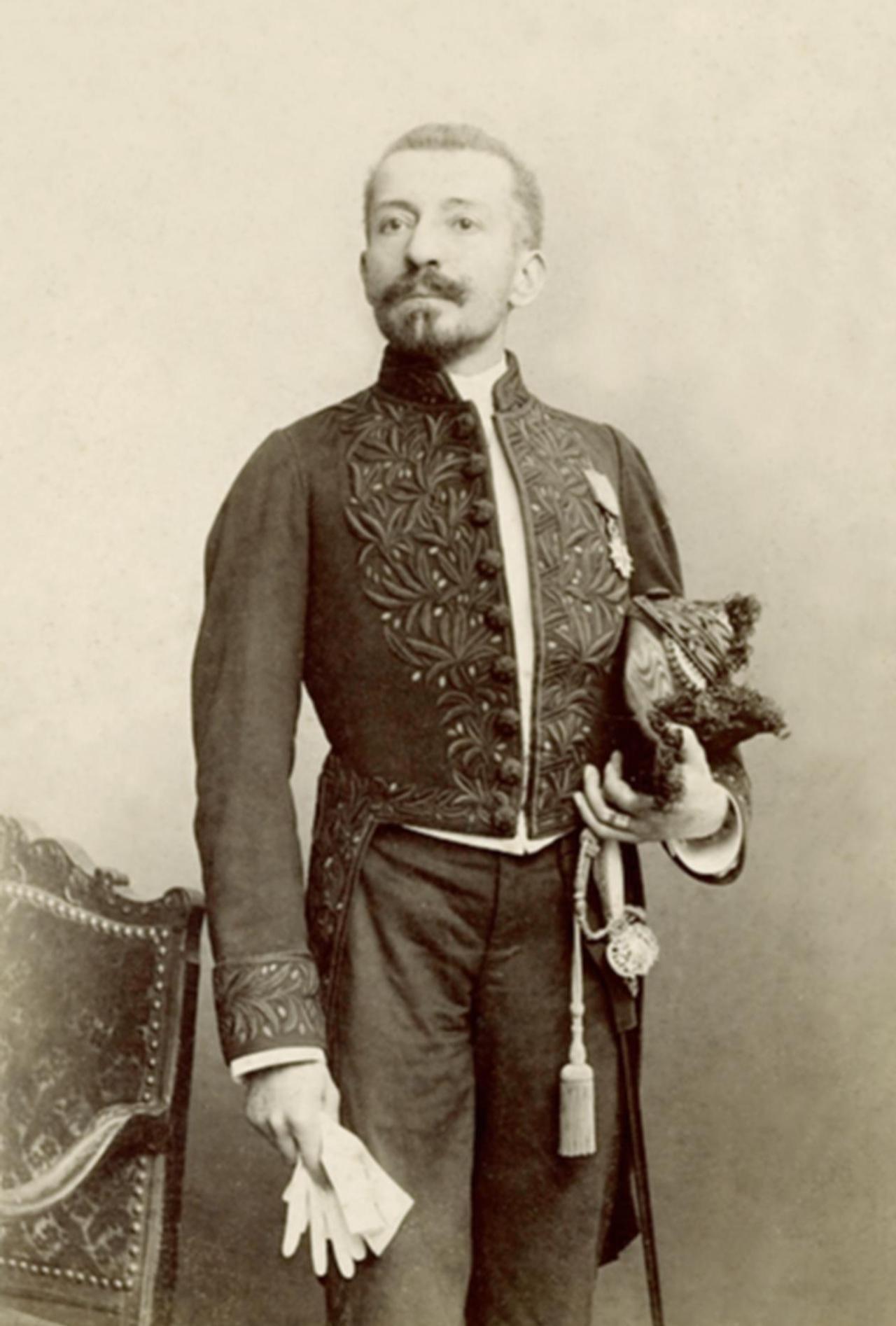
Pierre Loti was born Louis Marie Julien Viaud, in 1850. He entered the French navy at a young age, and his career carried him across oceans and continents.
Among his fellow officers, he was given a nickname that would come to define him. “Le Loti,” after a delicate Indian flower, said to blush as it blooms. It was a reference to his shy and reserved nature. Pierre Loti was not an extrovert, nor a man drawn to social interaction. He observed more than he participated, and listened more than he spoke. The name suited him perfectly so he later adopted it as his pseudonym.
His ship arrived in Istanbul in 1876, a year marked by political instability in the Ottoman Empire on account of the quick succession of three sultans. In the West, the empire was frequently described as “The Sick Man of Europe,” a phrase that reflected the assumption of the time. Loti, however, experienced something different.
What he encountered was not a city in decline, but a city of extraordinary beauty. And he fell in love.
Not only with a woman named Aziyade, who would become the central character of his most famous work, but with the world she inhabited.
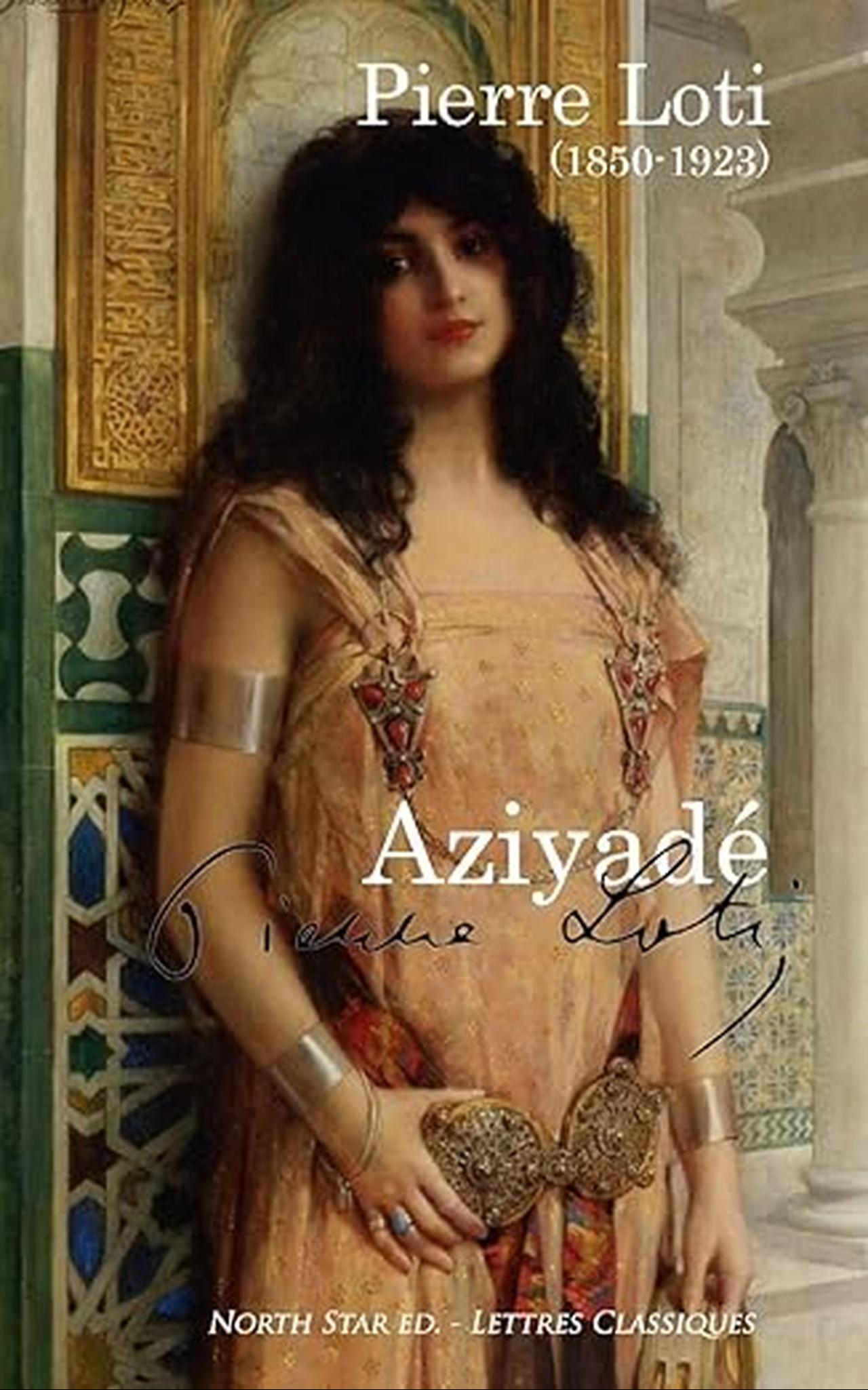
Pierre Loti expressed this love through words. Beneath his naval uniform was a writer of rare sensitivity and acute perception, drawn to atmosphere, emotion, and the small details of everyday life.
During his time in Istanbul, he kept a diary in which he recorded his impressions of the city and its people. Encouraged by friends, he later adapted these private reflections into a semi-autobiographical novel. The result was “Aziyade,” published in 1879.
Part memoir, part fiction, “Aziyade” tells the story of a young French officer in Istanbul who begins a secret love affair with a beautiful Circassian woman. Set against the backdrop of imperial Istanbul, the novel is as much about the city and its culture as it is about the doomed lovers.
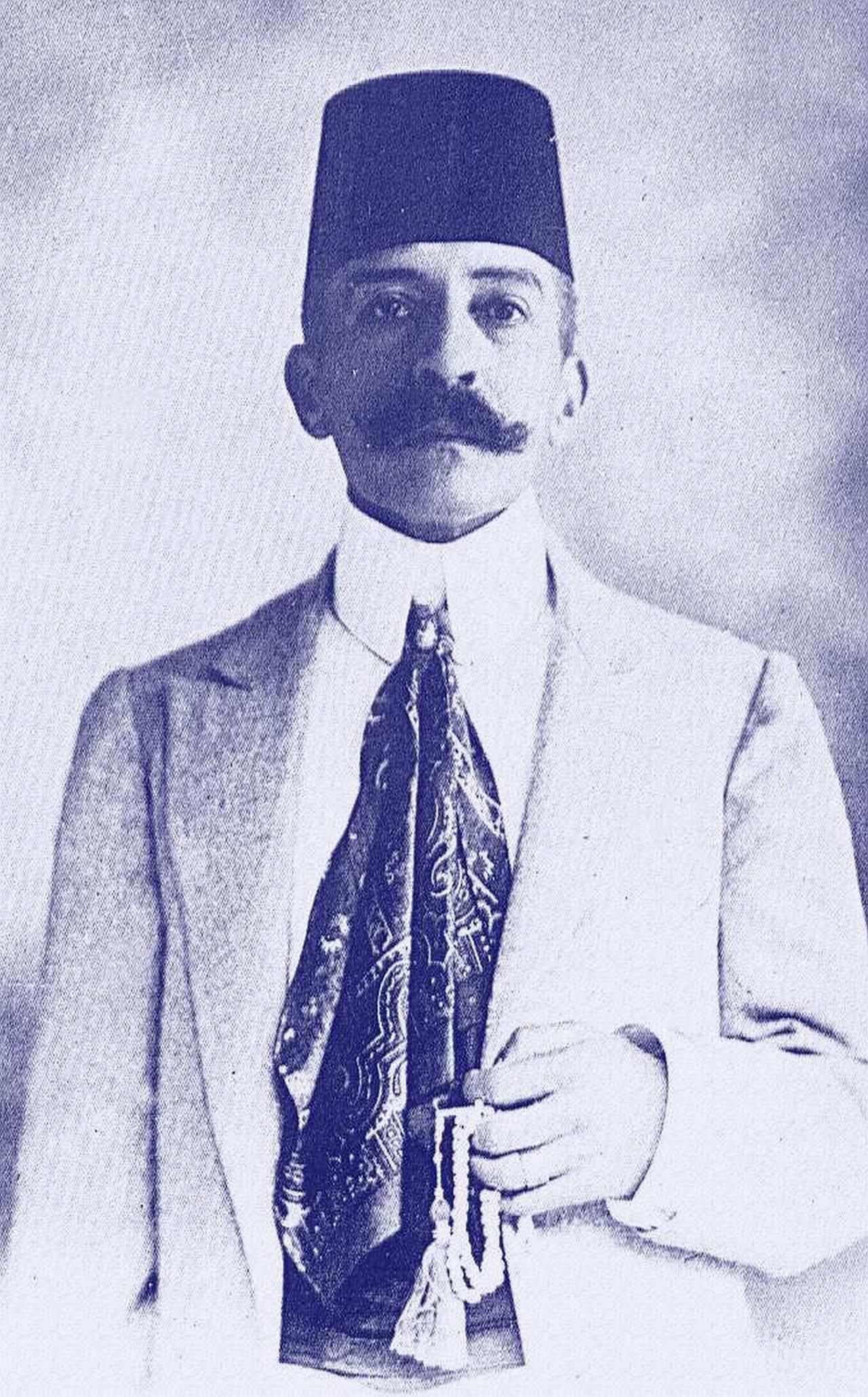
Though romanticized, the work revealed something unusual for the time. What makes Loti remarkable, and why he is remembered in Türkiye, is not simply that he wrote about Istanbul but how he wrote about it.
At a period in history when the Ottoman Empire was increasingly portrayed in Western discourse as weak or in decline, Loti resisted this narrative. He challenged prevailing attitudes, criticized European arrogance, and wrote with a sensibility that was rare among his contemporaries.
He immersed himself in the life of the city: adopting local dress, frequenting traditional coffeehouses, and forming close friendships within the community. In doing so, he did not position himself as an outsider looking in, but as an active participant in the world he described.
It is for this reason that he was embraced in Türkiye in a way few European writers have been. And why his name has found an enduring place in the memory of the city he loved.
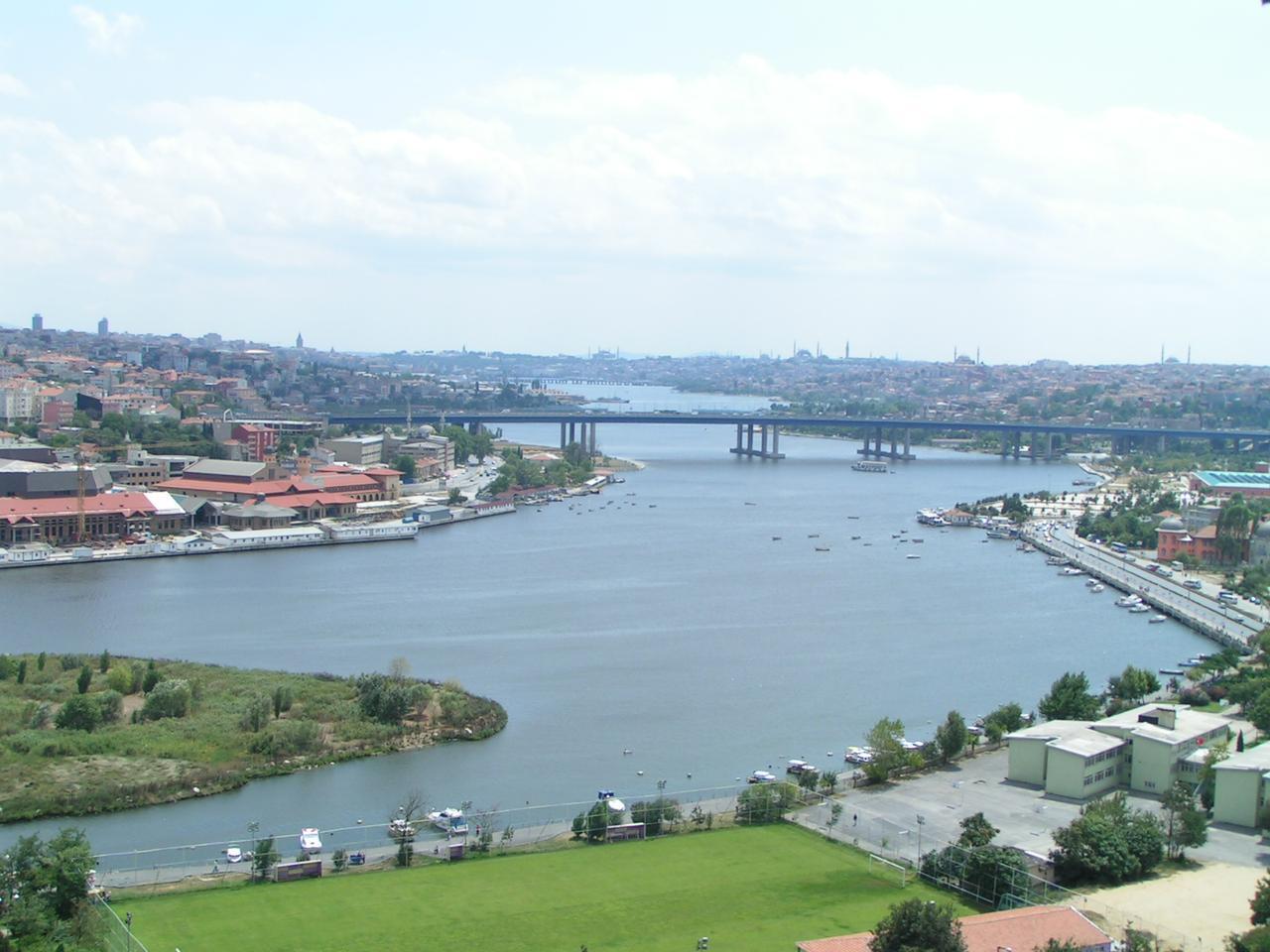
If you are in Istanbul, I invite you to take the cable car from Eyup up to the summit of Pierre Loti Hill.
At the top, you will find the Pierre Loti Cafe, a quaint tea garden built on the site of an old coffeehouse once said to have been frequented by Pierre Loti himself. From its terrace, the view opens across the Golden Horn in a sweeping panorama of water, rooftops, and minarets. It is believed that Loti often sat here, writing about Aziyade in his journal, sipping tea and looking out over the city below.
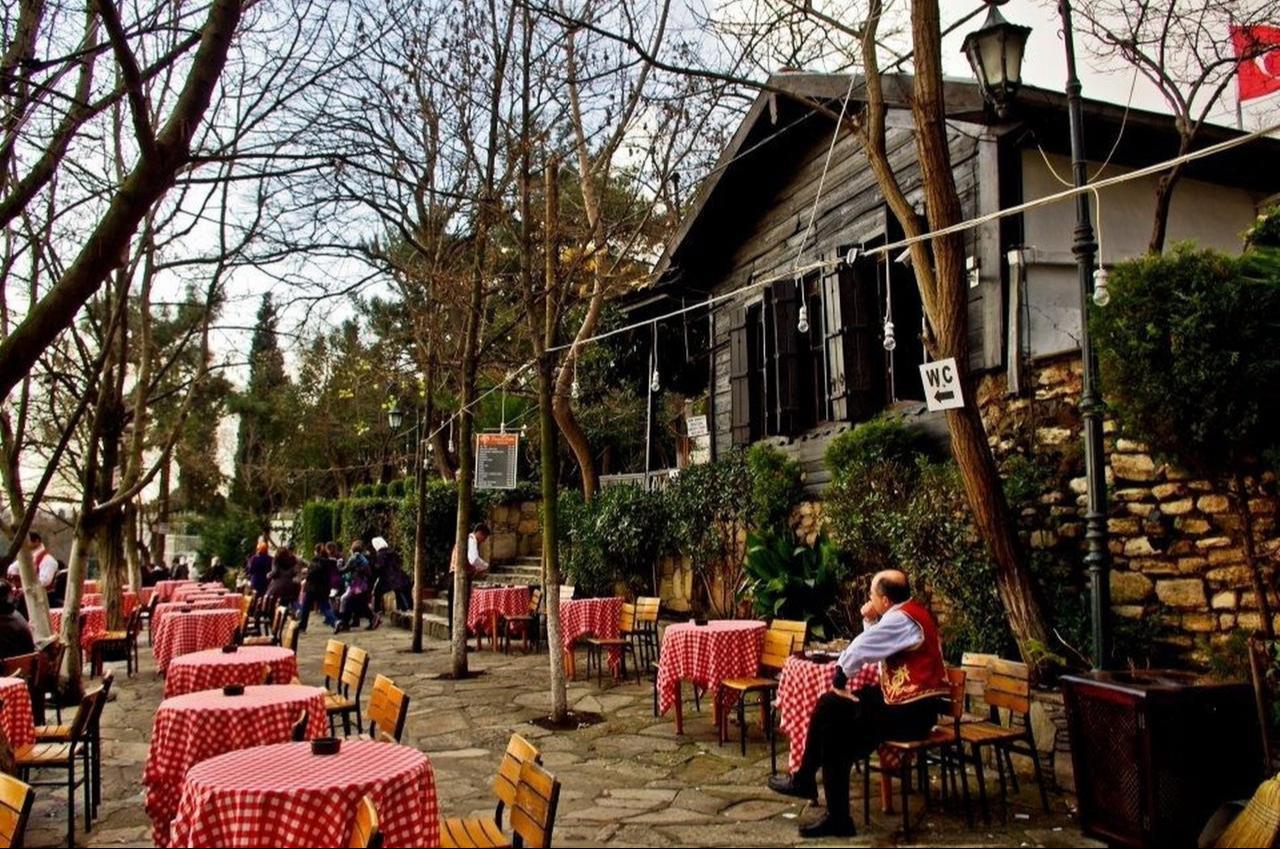
And if you turn your gaze down toward the banks of the Golden Horn at the foot of the hill, you will see the mausoleum of Sultan Mehmed V Resad. Within its quiet, tended gardens, my grandmother, Emine Mukbile Sultan, rests beside her beloved husband, Prince Ali Vasib Efendi. A woman who loved Istanbul, who left her soul in the city when she was forced into exile, and who only found peace once she was allowed to return. A woman born in the Dolmabahce Palace, an imperial Ottoman princess, who never complained about her fate, and who spent her final years living in a tiny flat in Pierre Loti Caddesi in the Fatih district. She was simply happy to be home, in the city she loved.
Until we meet again in the next “Sultan’s Salon.”


 Set as preferred source
 Set as preferred source


 2 min read
 1 min read