Sign in
 Newsletters


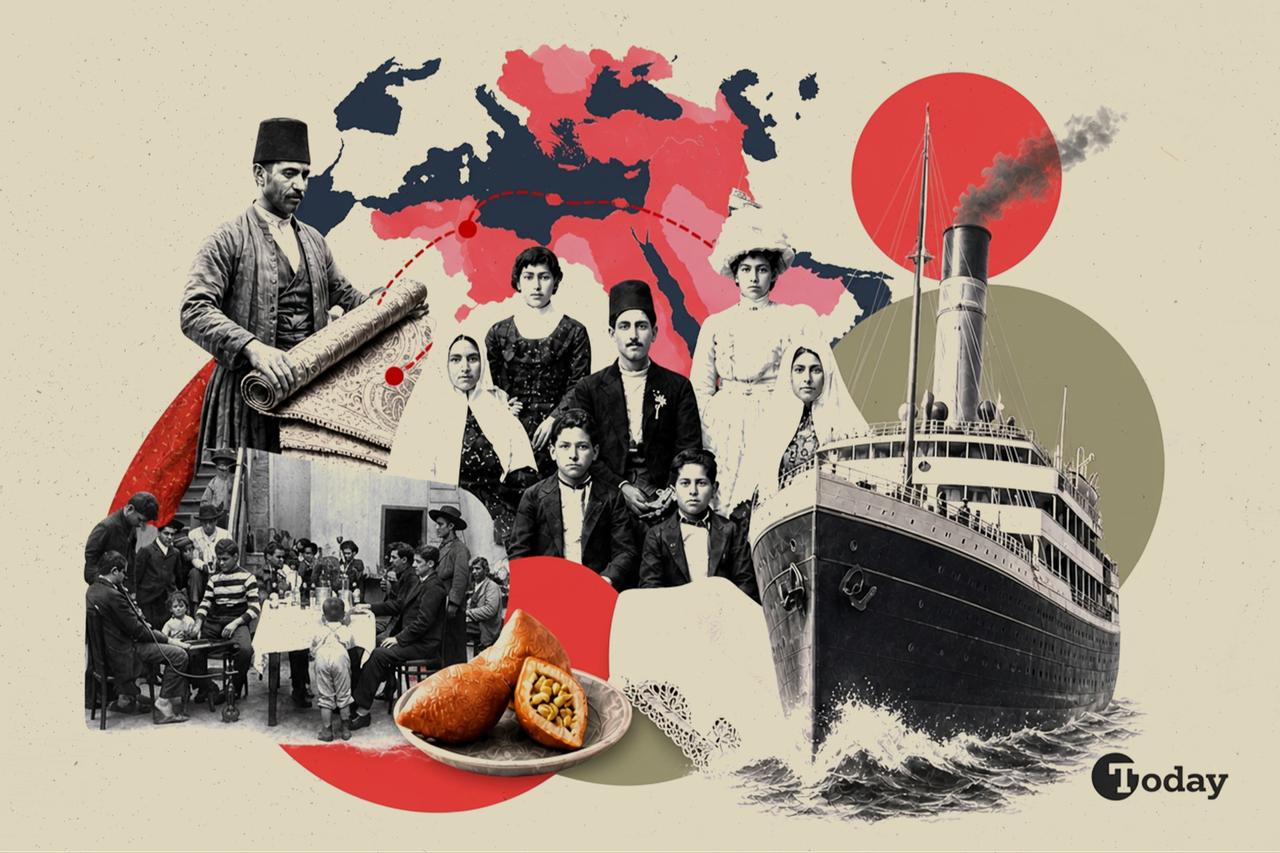


More than a century ago, migrants from the Ottoman Empire arrived in the Caribbean carrying their commercial traditions, culinary heritage and family networks. Despite facing discrimination and calls for their expulsion, they went on to establish major businesses, shape medical and educational institutions, and rise to the highest levels of political power.
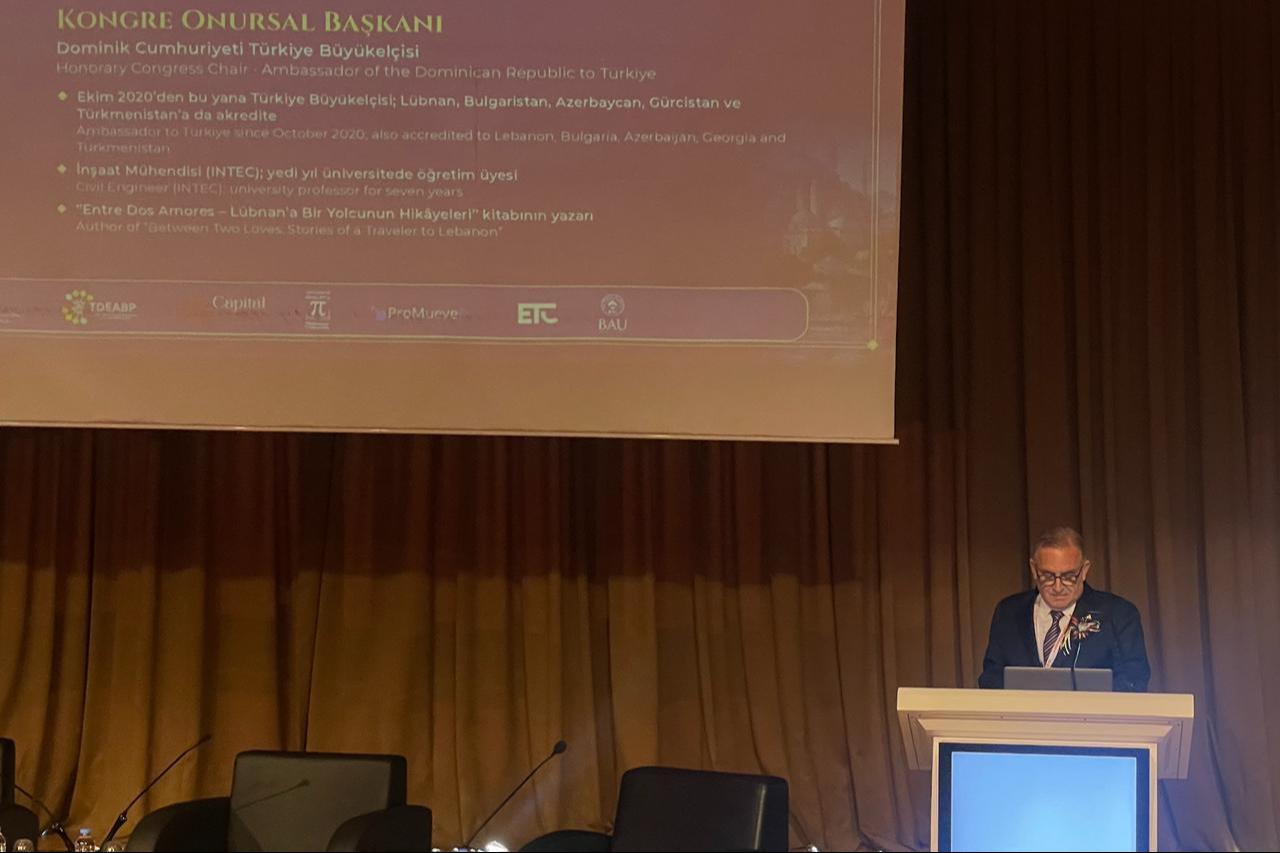
Speaking at the first International Istanbul Narrative Heritage and Cultural Diplomacy Congress, held at Bahcesehir University on Nov. 26-27, Dominican Republic Ambassador to Türkiye Elvis Antonio Alam Lora described this transformation as the emergence of a new Silk Road across the Caribbean.
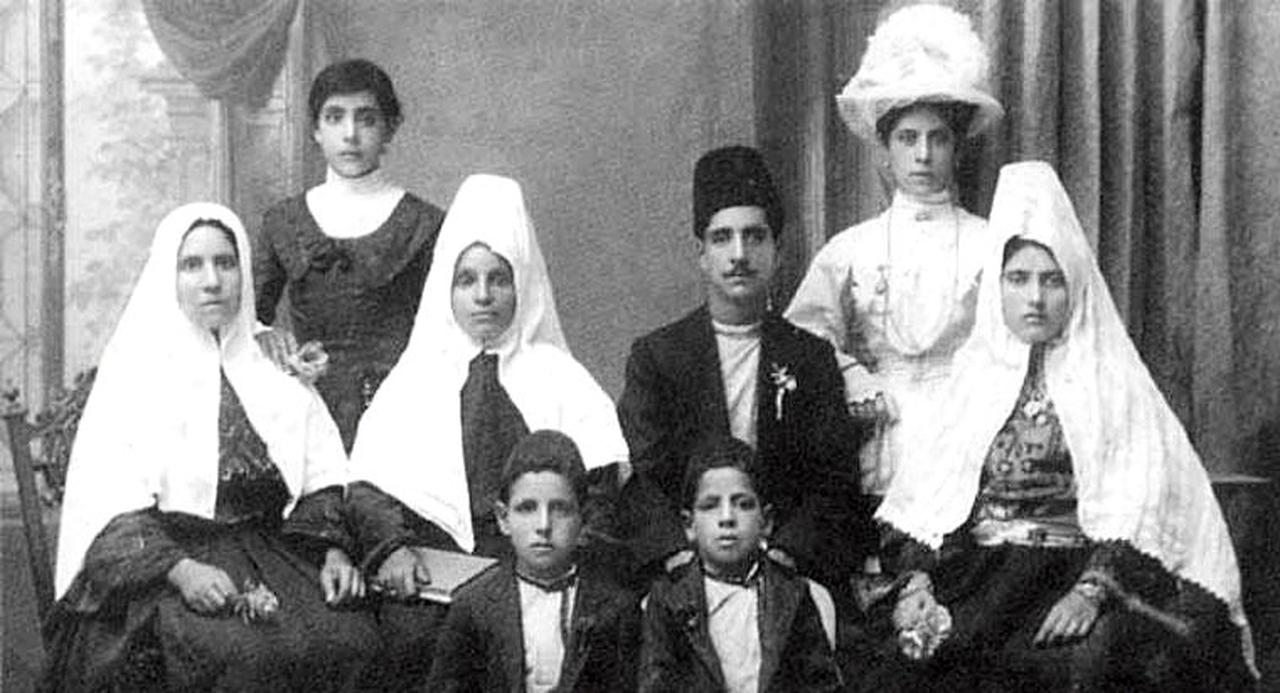
The ambassador, who is himself descended from Ottoman migrants, drew on historical records and photographs from his family archive to explore the enduring connections between the two regions.
"You cannot measure the distance in kilometers. You have to measure the distance of how close our hearts are," Alam Lora told the audience.

Alam Lora traced the historical connections between the two regions back to the Ottoman conquest of Constantinople in 1453, arguing that Ottoman control over traditional trade routes accelerated Spain's search for alternative maritime routes to Asia, eventually leading to the European encounter with the Americas in 1492.
Centuries later, these connections took on a different dimension as economic hardship, geopolitical instability and religious persecution drove Ottoman subjects to seek new opportunities overseas.
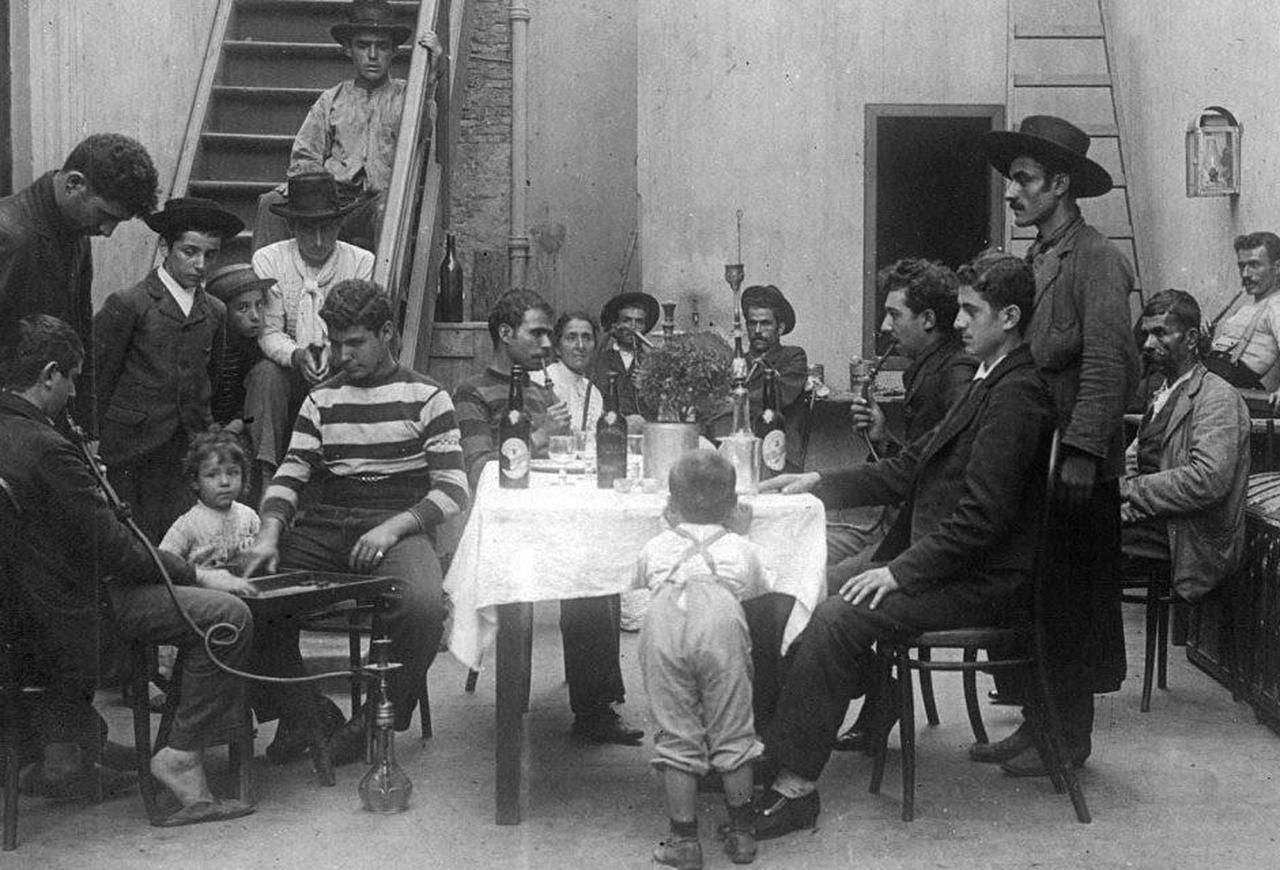
Migrants arriving in the Dominican Republic came primarily from present-day Lebanon, Syria and Palestine, territories historically governed by the Ottoman Empire.
According to the ambassador, the decline of the Levantine silk industry, competition from Chinese exports and the expansion of British industrial manufacturing contributed to the migration.
While individual arrivals were documented as early as 1853, migration accelerated following the Russo-Turkish War of 1877-1878, reaching its peak during the final two decades of the 19th century.
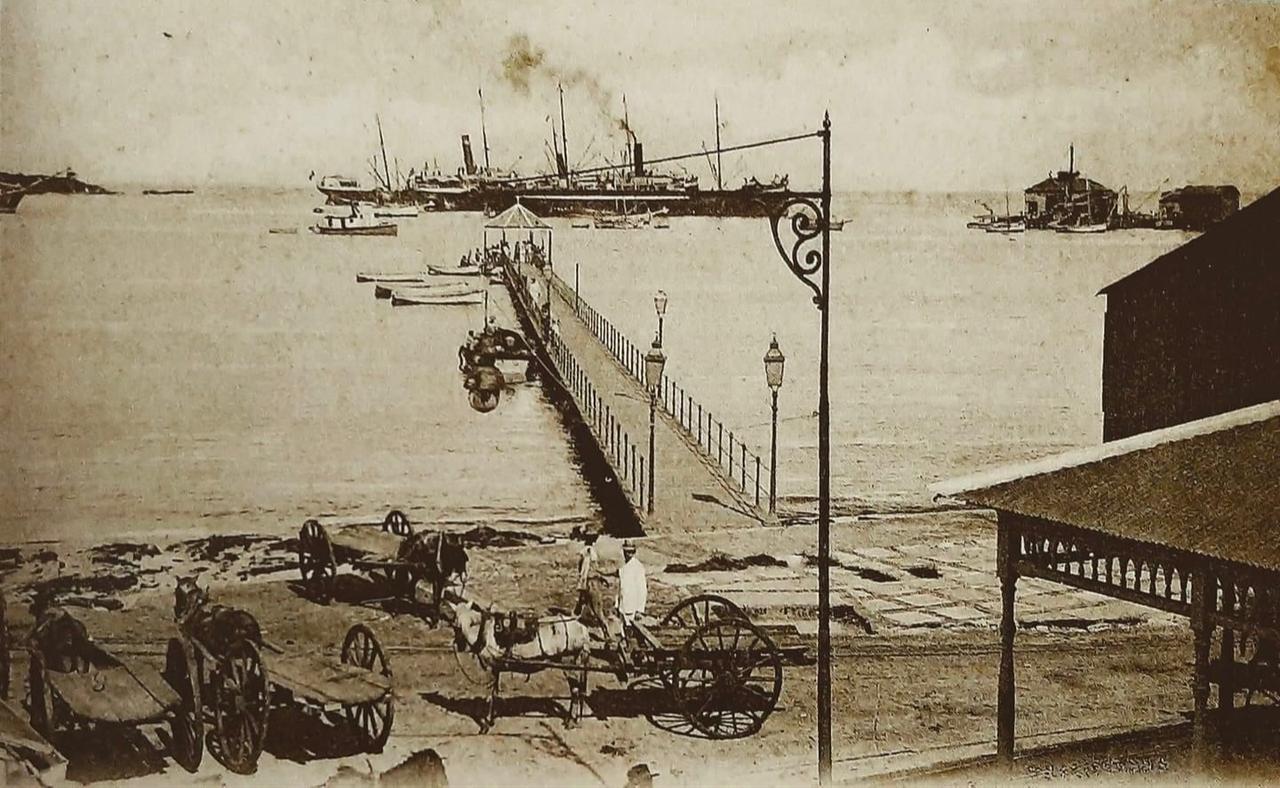
Regardless of their ethnic backgrounds, Ottoman migrants became collectively known as "Turks" in the Dominican Republic, a designation that, according to Alam Lora, survives to this day.
"They all of us were called up until today Turks," he said, explaining that the term remains in use alongside the more recent identification of these communities as Arabs.
However, their arrival was not universally welcomed.
In 1907, the influential Dominican newspaper El Diario published inflammatory editorials accusing Ottoman migrants of draining national wealth and spreading diseases while calling for their expulsion.
Similar hostility emerged in neighboring Haiti, where a law passed in 1907 called for the expulsion of Ottoman migrants, prompting many to cross the border into the Dominican Republic.
Alam Lora argued that this marginalization ultimately encouraged migrants to invest more heavily in education and develop innovative commercial practices.
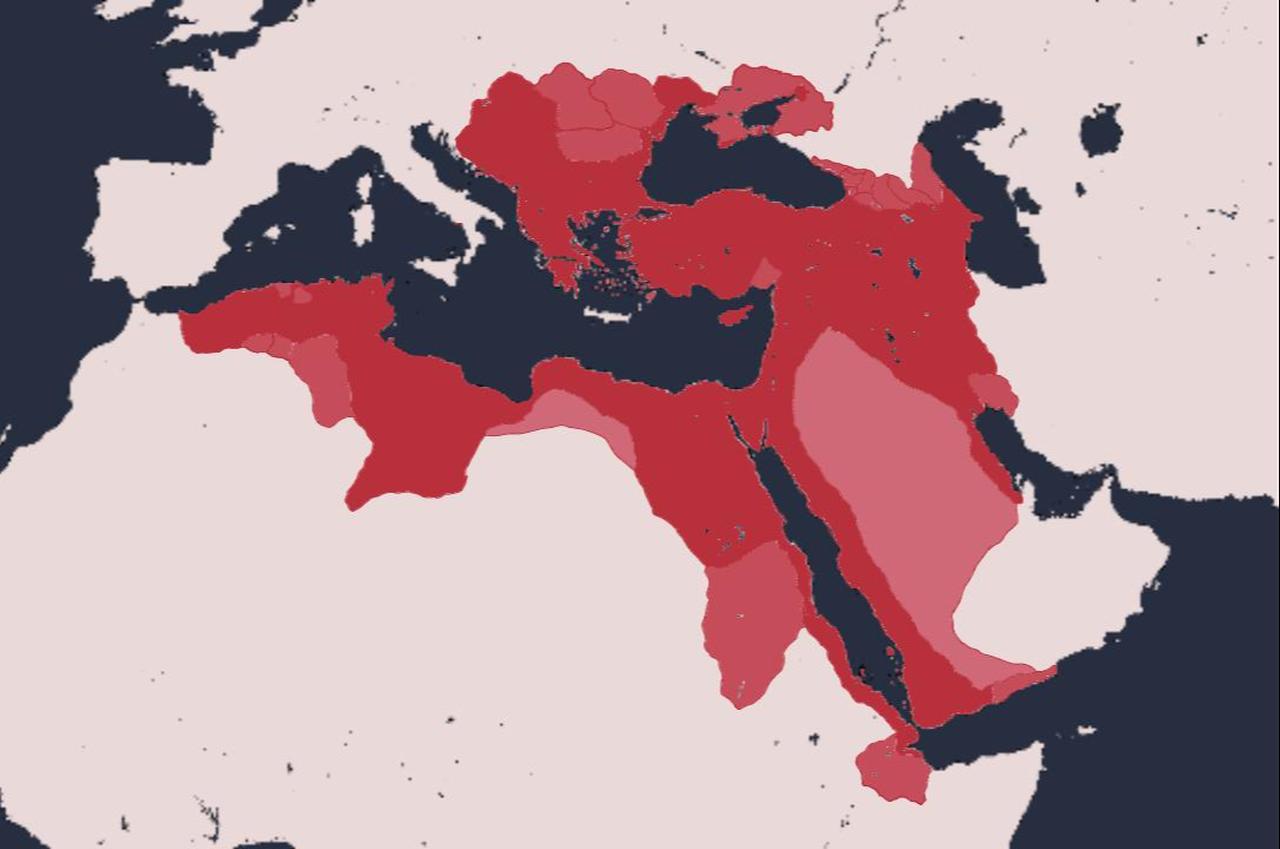
One of the ambassador's most striking comparisons came as he described how Ottoman merchants challenged established retailers by introducing door-to-door sales, likening their business model to that of modern-day Amazon.
Rather than relying on conventional stores, migrant merchants brought clothing, shoes and other goods directly to customers, creating competition for established businesses largely owned by descendants of Spanish settlers.
Their commercial success soon became evident. Citing a book published in 1919, Alam Lora noted that 16 of the Dominican Republic's 24 leading import companies were owned by Ottoman migrants of Lebanese origin.
The ambassador also challenged historical portrayals of these newcomers as impoverished, distinguishing between poverty and the financial caution of migrants trying to establish themselves in unfamiliar surroundings.
Family members pooled their resources, developed businesses together and built commercial networks that extended across national borders, with textiles forming the foundation of many enterprises.
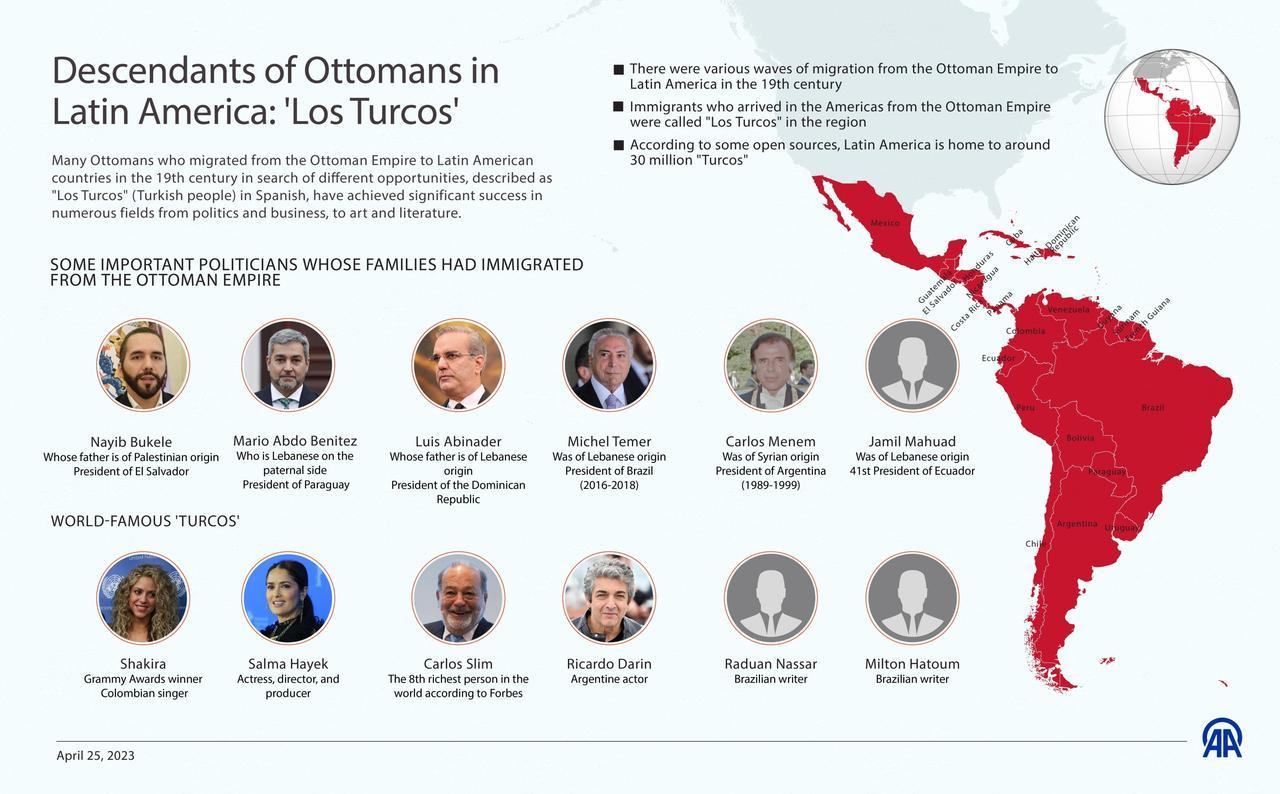
By the beginning of the 20th century, Cuba was home to more than 12,000 Ottoman migrants, while approximately 2,500 had settled in the Dominican Republic, according to Alam Lora.
Their influence gradually expanded beyond commerce as families encouraged younger generations to pursue higher education and professional careers.
When the Dominican Republic held its first medical congress in the 1930s, two of the 10 participating doctors were of Ottoman origin. The initiative laid the foundations for the country's medical association, which continues to operate today.
This upward social mobility eventually extended into politics. Alam Lora pointed out that the Dominican Republic has had two presidents of Ottoman descent, including its current leader, whose family roots lie in Lebanon.
The phenomenon was not limited to the Dominican Republic. In Jamaica, former prime minister Edward Seaga was also descended from Ottoman migrants, while migrant communities in Puerto Rico established major commercial centers in San Juan and Ponce.
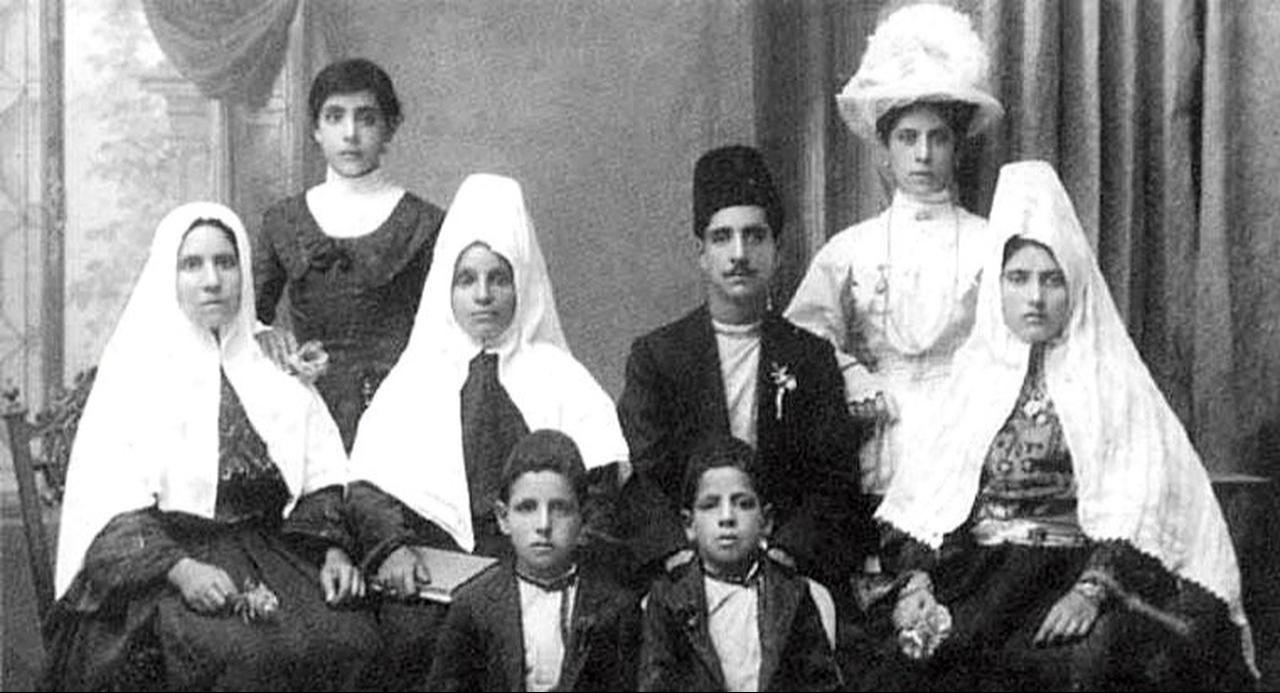
For Alam Lora, these communities formed a commercial network that transcended Spanish, French, British and Dutch colonial boundaries, connecting different parts of the Caribbean through family financing, retail trade and entrepreneurship.
"The Silk Road transcended. It traveled in time, it traveled by sea," the ambassador said.
 1 min read

Perhaps the most visible legacy of this migration, however, can be found at Dominican dining tables.
From kippe, a local variation of the Anatolia "icli kofte," to shish kebab, shish chicken and rice pilaf, culinary traditions brought over by Ottoman migrants have become embedded in everyday Dominican life.
Alam Lora emphasized that many Dominicans now regard these inherited dishes and traditions as their own, illustrating how deeply Ottoman cultural heritage has become woven into Caribbean identity.


 Set as preferred source
 Set as preferred source


 1 min read