

 Sign in
 Newsletters


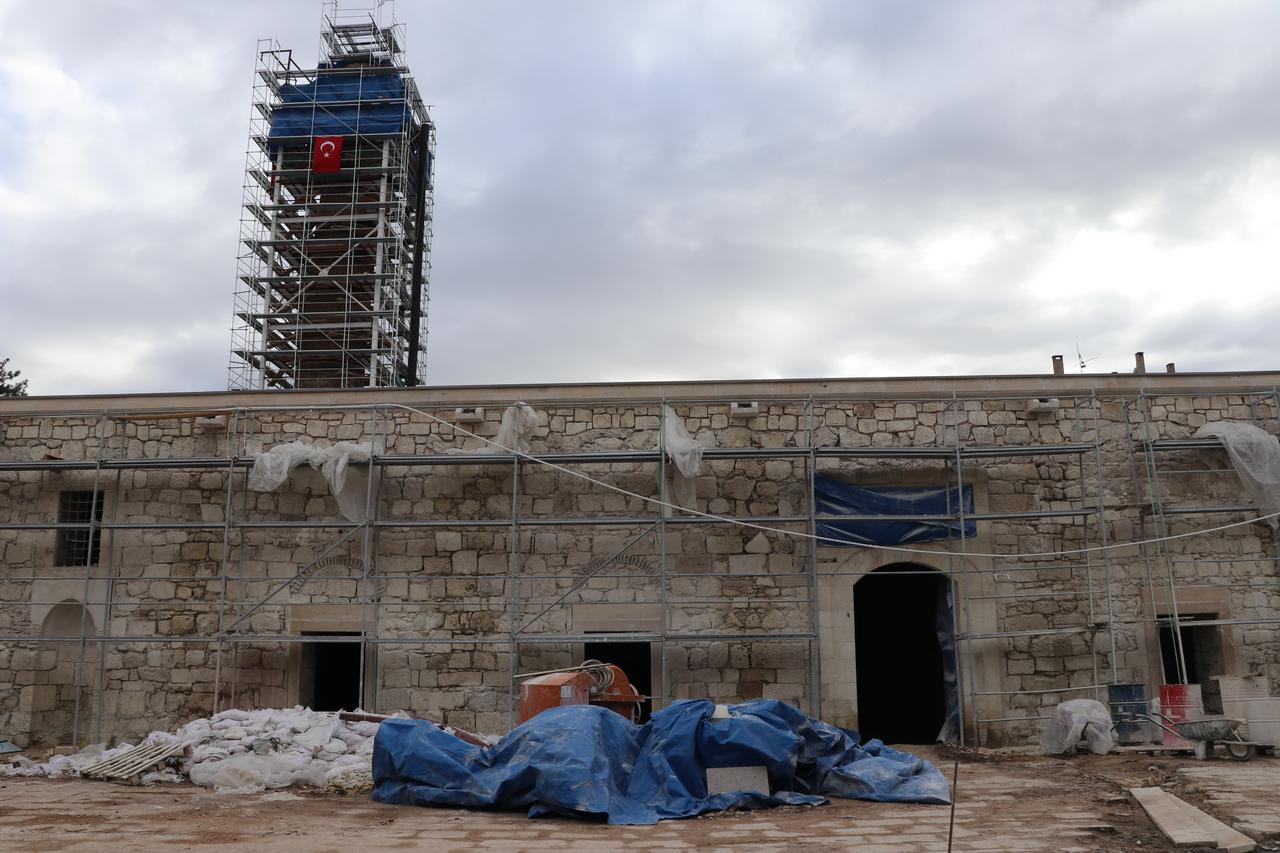


The historic Sivas Grand Mosque (Ulu Cami), one of the most recognizable landmarks in central Türkiye, is undergoing the most comprehensive restoration in its history, with work expected to wrap up by the end of 2027.
Dating back to the Anatolian Seljuk period, the mosque stands out for its distinctive brick minaret, which leans 1.17 meters (3.84 feet) from its vertical axis.
The mosque was closed to worship approximately 16 months ago as restoration teams set out to strengthen its foundations, recover its original architectural features and preserve its leaning minaret.
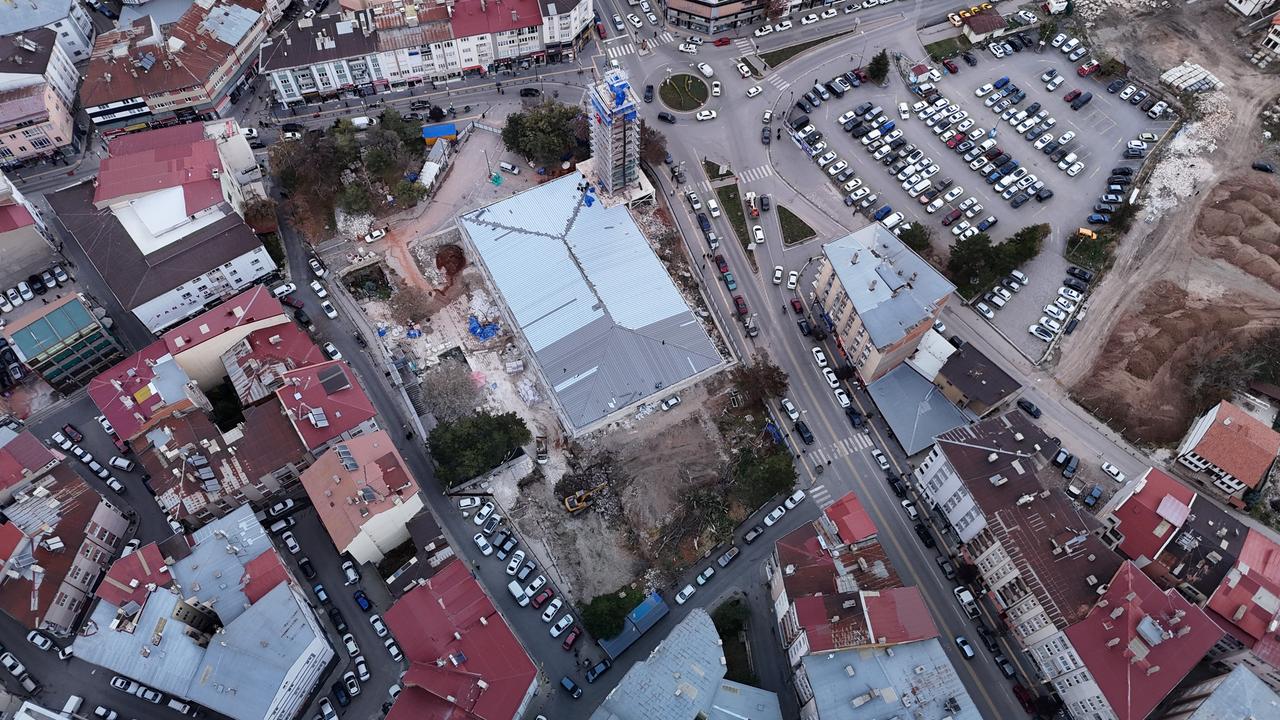

Built between 1196 and 1197, the mosque was commissioned by Kizilarslan bin Ibrahim and constructed by Kul Ahi during the reign of Kutbettin Meliksah, the Seljuk ruler of Sivas.
Its brick minaret, the tower traditionally used to deliver the Islamic call to prayer, was added in the early 13th century.
According to historical accounts cited by Ihlas News Agency (IHA), the minaret was originally built with a 1.10-meter inclination because of winds blowing from the north, with the tilt gradually increasing over the centuries.
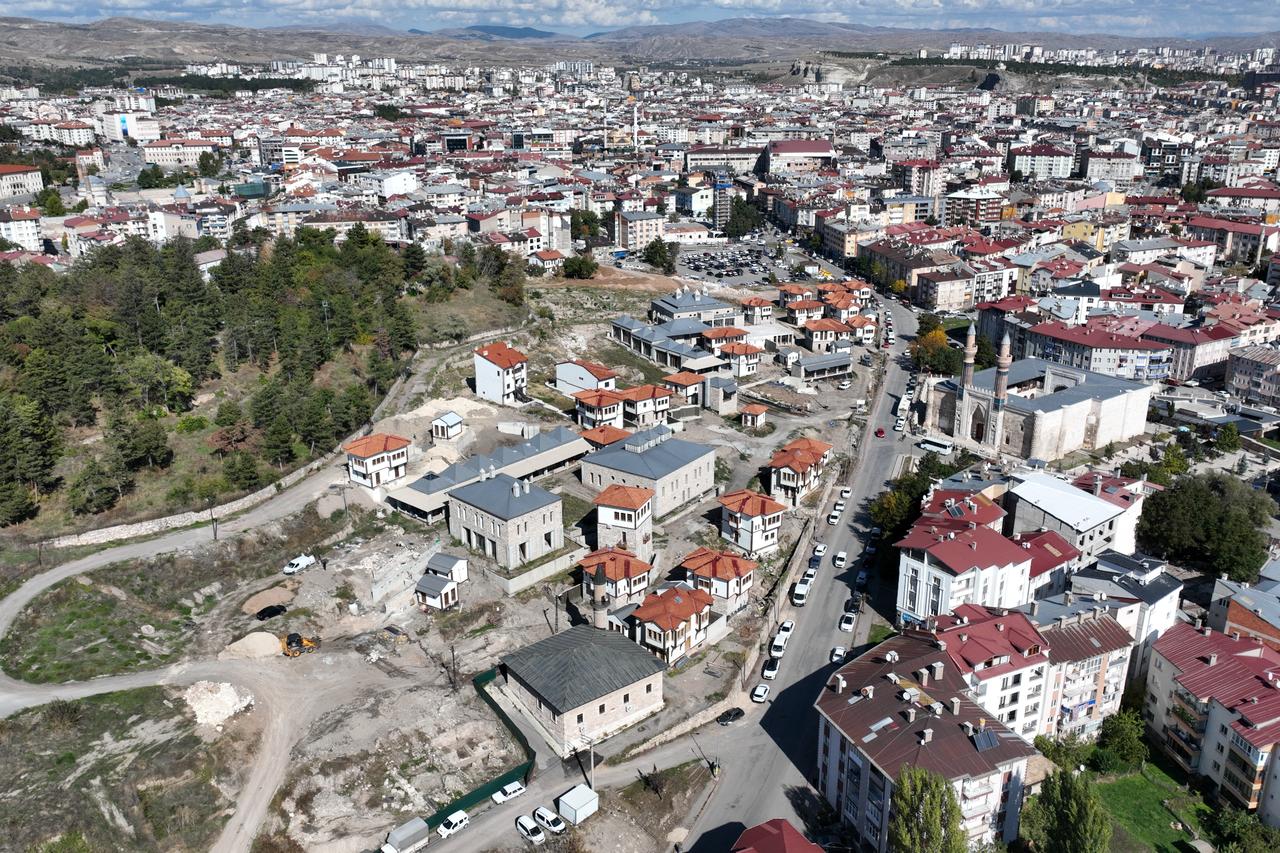
Mehmet Ali Caliskan, regional director of foundations in Sivas, described the mosque as one of the oldest surviving places of worship from the Anatolian Seljuk period and an important example of early mosque architecture featuring multiple columns.
Historical foundation records indicate that extensive repairs were carried out during the 16th century, while further interventions in 1955 replaced the original earthen roof and wooden ceiling with reinforced concrete.
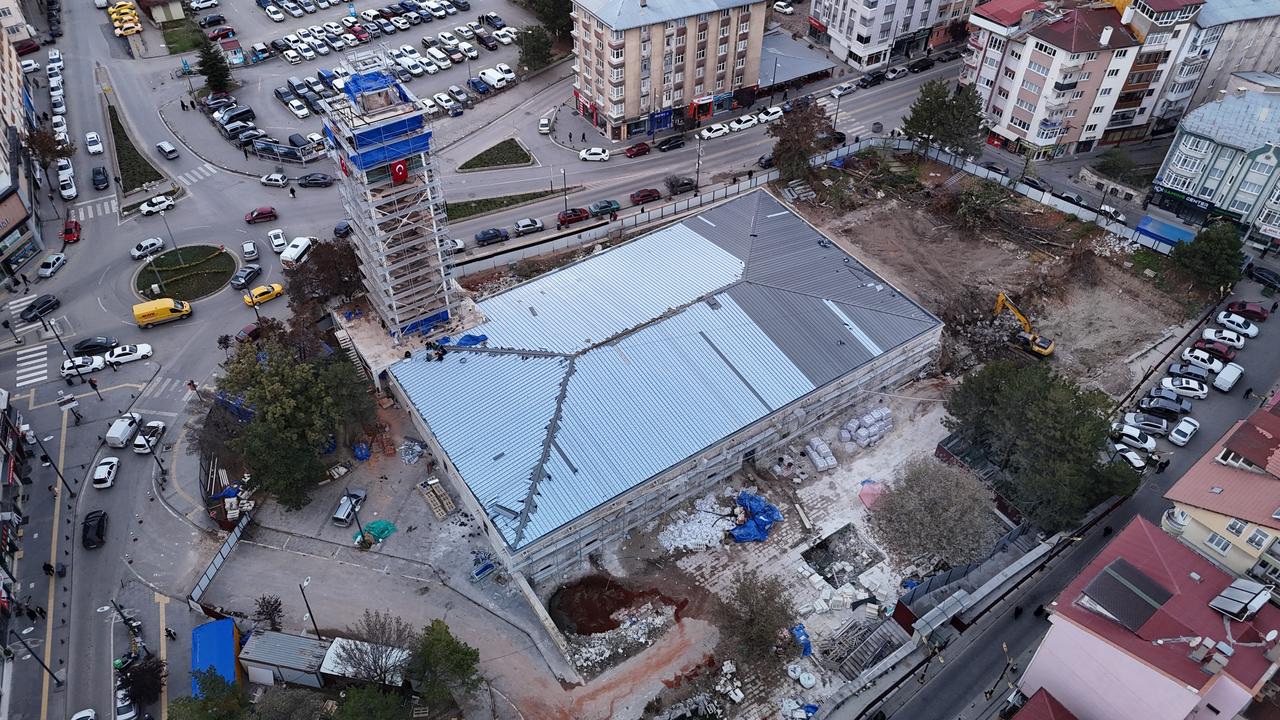
The ongoing restoration, launched in 2025 with support from the Sivas Grand Mosque Foundation, has focused on strengthening the building while recovering its original architectural features.
Teams have carefully removed the reinforced concrete ceiling and replaced it with laminated timber in keeping with the mosque's original wooden covering.
Roof insulation has been completed, while the installation of a titanium-zinc roof covering is nearing completion.
Additional work includes strengthening the interior supporting pillars, reinforcing walls and arches, replacing missing stonework and cleaning historical surfaces.
Meanwhile, archaeological excavations are continuing in the mosque's courtyard under the supervision of the local museum directorate.
 1 min read

Preserving the mosque's distinctive minaret remains one of the most important stages of the restoration project.
Under an approved conservation plan, specialists are carrying out structural reinforcement, replacing missing brickwork and cleaning historical surfaces to safeguard the centuries-old tower.
Caliskan said the restoration is expected to be completed by the end of 2027, following the final conservation work on the minaret's decorative tiles.


 Set as preferred source
 Set as preferred source



 1 min read


