Newsletters


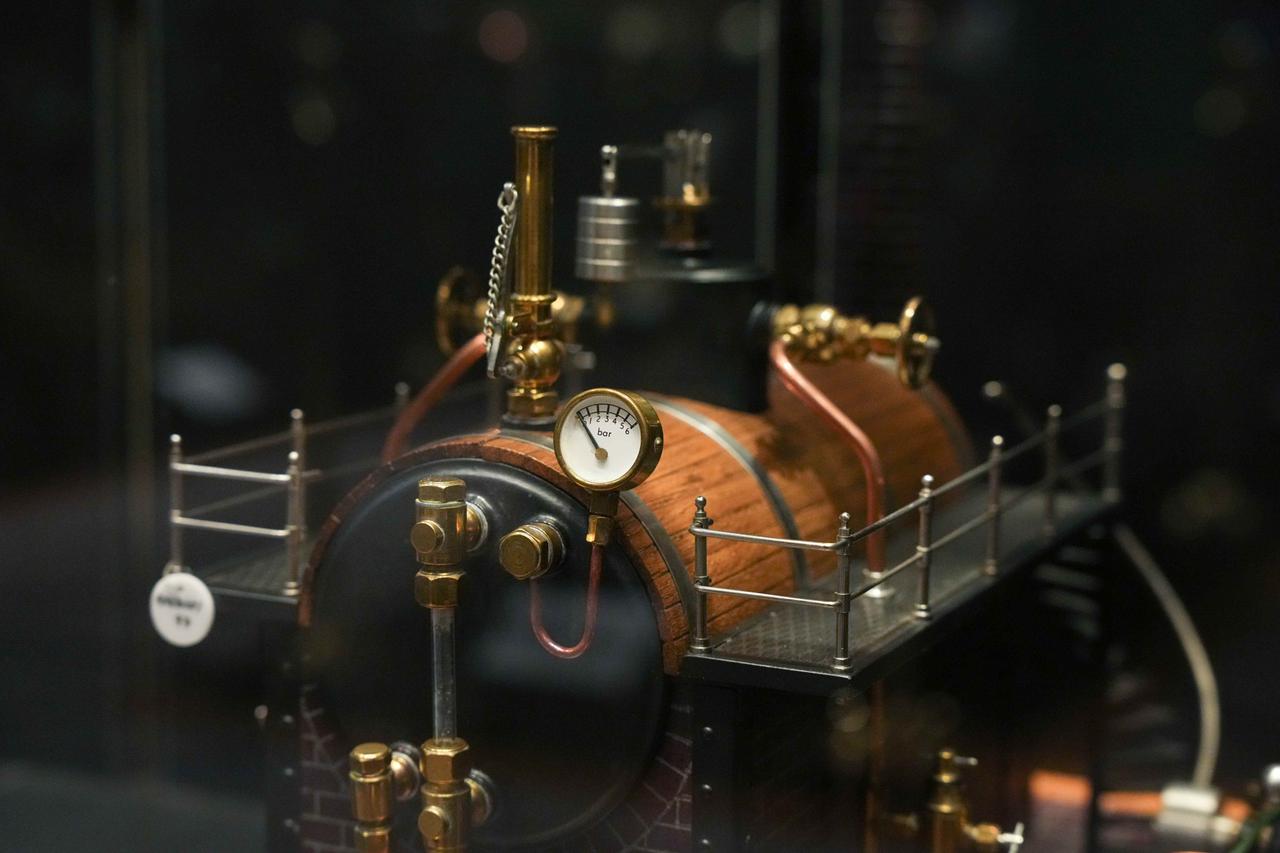


A major collection of steam and gas engines from the Netherlands’ Het Van Osch Museum has been brought to the Rahmi M. Koc Museum in Istanbul, where it has gone on display as part of the museum’s narrative on transportation, industry and communication history.
According to a museum statement, the full Het Van Osch collection was transported from the Netherlands and set up inside the historic Tersane Building, opening a new window into the evolution of industrial technology for visitors.
The newly installed exhibition brings together engineering models dating from the 1840s through the 1970s, allowing visitors to follow how industrial power systems gradually moved from steam-driven machinery to internal combustion engines.
Among the items on display are triple-expansion marine engines, horizontal and vertical steam engines, early internal combustion examples and so-called "hit-and-miss" gas engines, a type of engine designed to regulate speed by intermittently firing rather than running continuously. The collection lays out this technological transition through working and scale models, helping visitors see how mechanical innovation built upon earlier systems over time.
Museum officials said the exhibition aims to add a new dimension to the institution’s industrial history storytelling by presenting engineering development through tangible examples rather than abstract explanation.
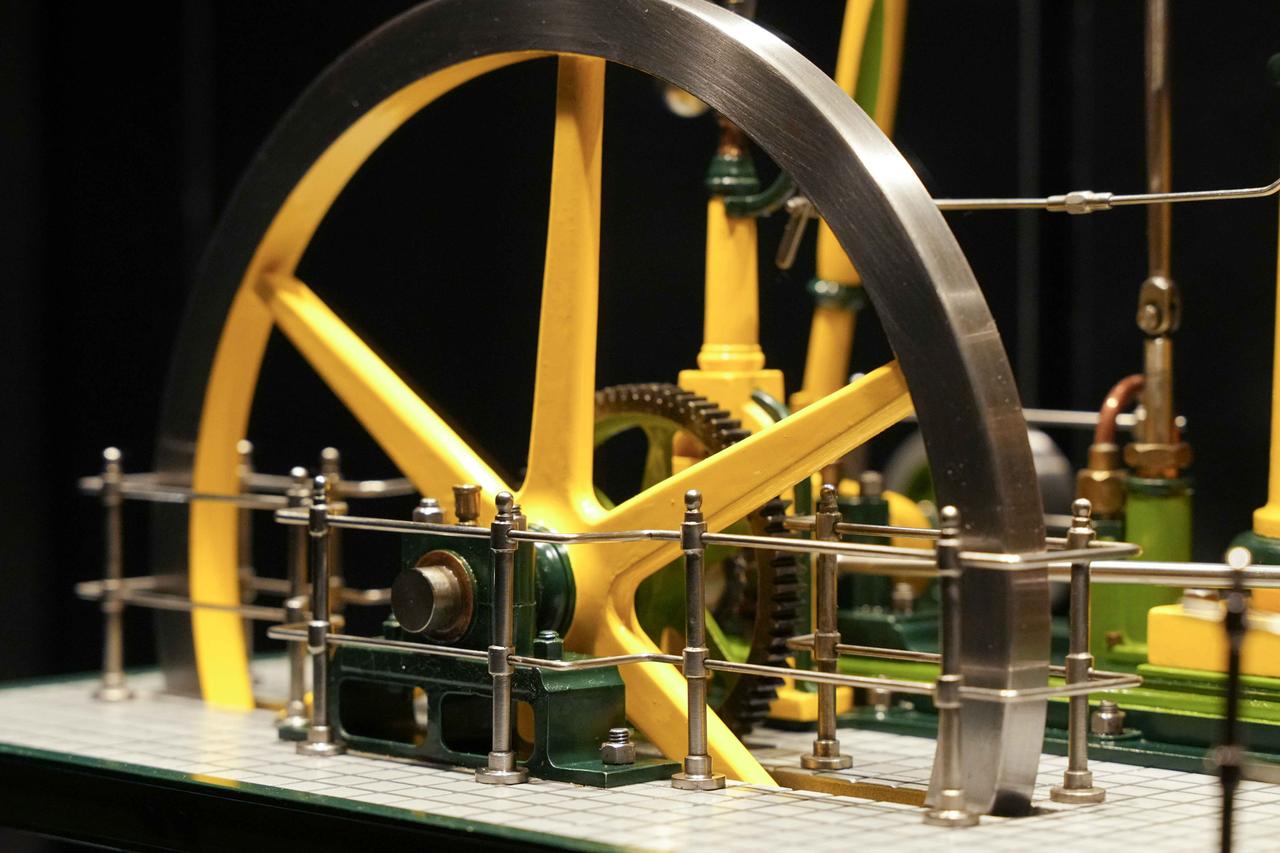

One of the most notable pieces is a rotary-valve gas engine developed around 1860 by Etienne Lenoir, widely recognized as the first commercially successful internal combustion engine. The presence of this model highlights a turning point when engineers began moving away from steam power toward fuel-based engines.
Also featured are operational demonstration models produced by Stuart Turner, known throughout the 20th century for their precision casting, durability and high-quality workmanship. These models were widely used in engineering education, allowing students to understand mechanical systems through hands-on observation.
The exhibition further includes a one-third scale working model of a portable steam engine manufactured by the British company Marshall and Sons, alongside an engine built in 1898 by Langensiepen and Co in Magdeburg, Germany.
The German-made engine illustrates how industrial technology once served multiple purposes within a single community. During the day, the machine powered a factory mill, while in the evenings its belt system was redirected to a generator that supplied electricity to nearby homes after production stopped.
By bringing together such examples, the collection allows visitors to follow how engineering solutions were adapted to meet practical needs, bridging industrial production and everyday life.
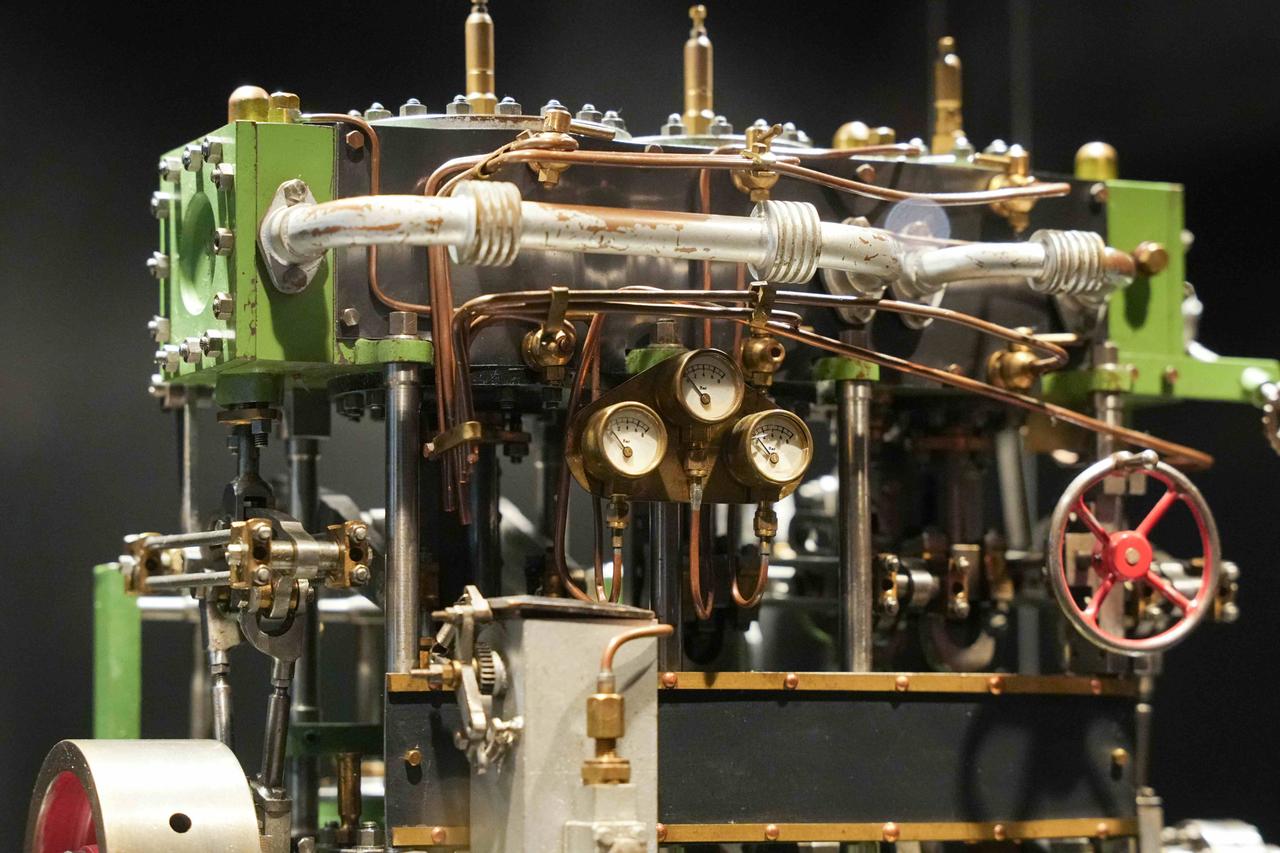
Museum representatives indicated that the collection seeks to broaden the institution’s industrial history framework by showcasing rare examples that demonstrate craftsmanship, mechanical evolution and technological transformation in a unified way.
Through working models and historically significant machines, visitors are able to trace the progression from steam power to internal combustion systems while gaining insight into the engineering standards and manufacturing techniques that shaped modern industry.


 Set as preferred source
 Set as preferred source



 3 min read