Newsletters


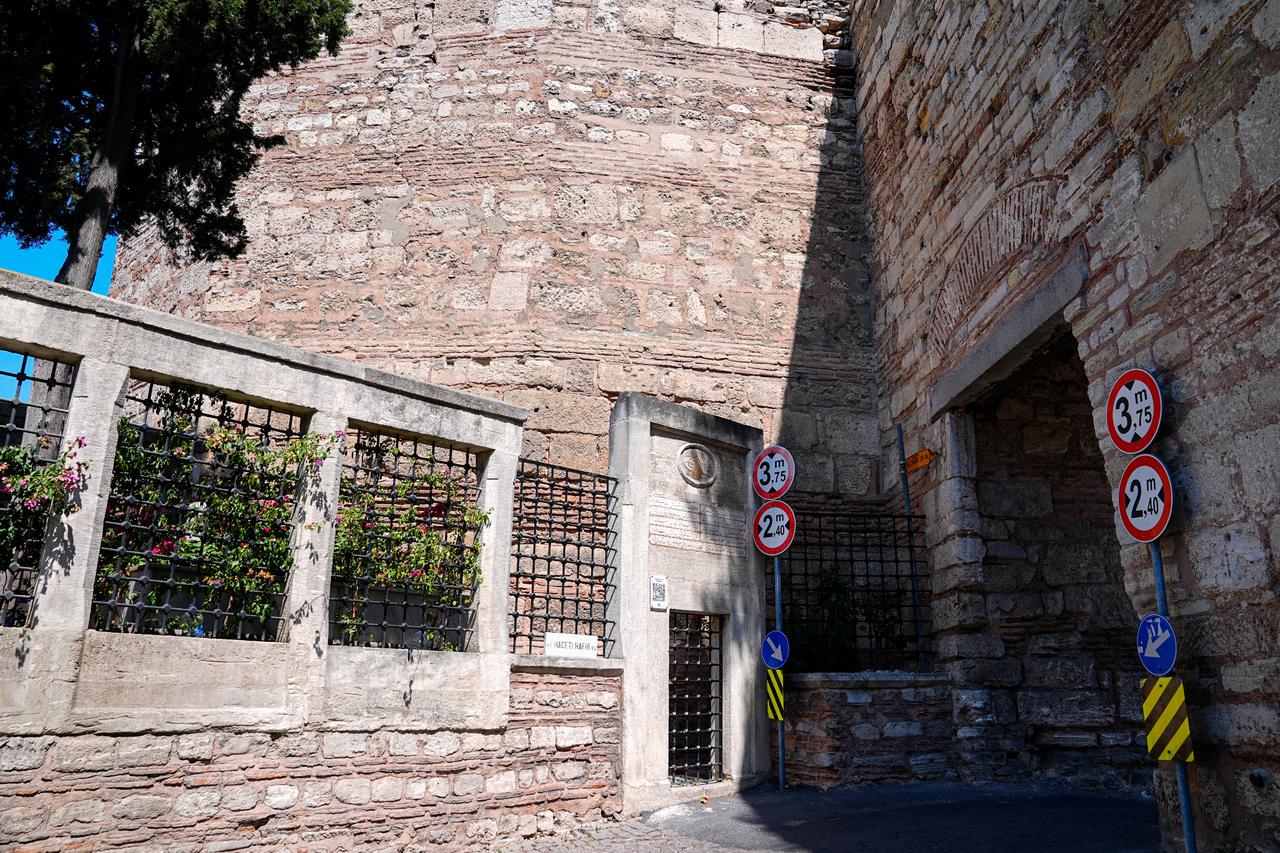


Egrikapi, a gate on the part of Istanbul’s historic Land Walls that reaches the Golden Horn, is known for the graves of companions of Prophet Muhammad (pbuh) killed during the first Arab sieges of the city in the seventh century.
Anadolu Agency (AA) covered the gate in the fourth part of its file series "Doors Opening to the City’s History."
Egrikapi stands where the Land Walls come closest to the Golden Horn, the inlet that divides Istanbul’s European side. In the Byzantine period, the gate was known as Porta Kaligaria. Art historian Elif Rana Kabalioglu told AA the name comes from the production of soldiers’ boots, called “kaliga,” in the area.
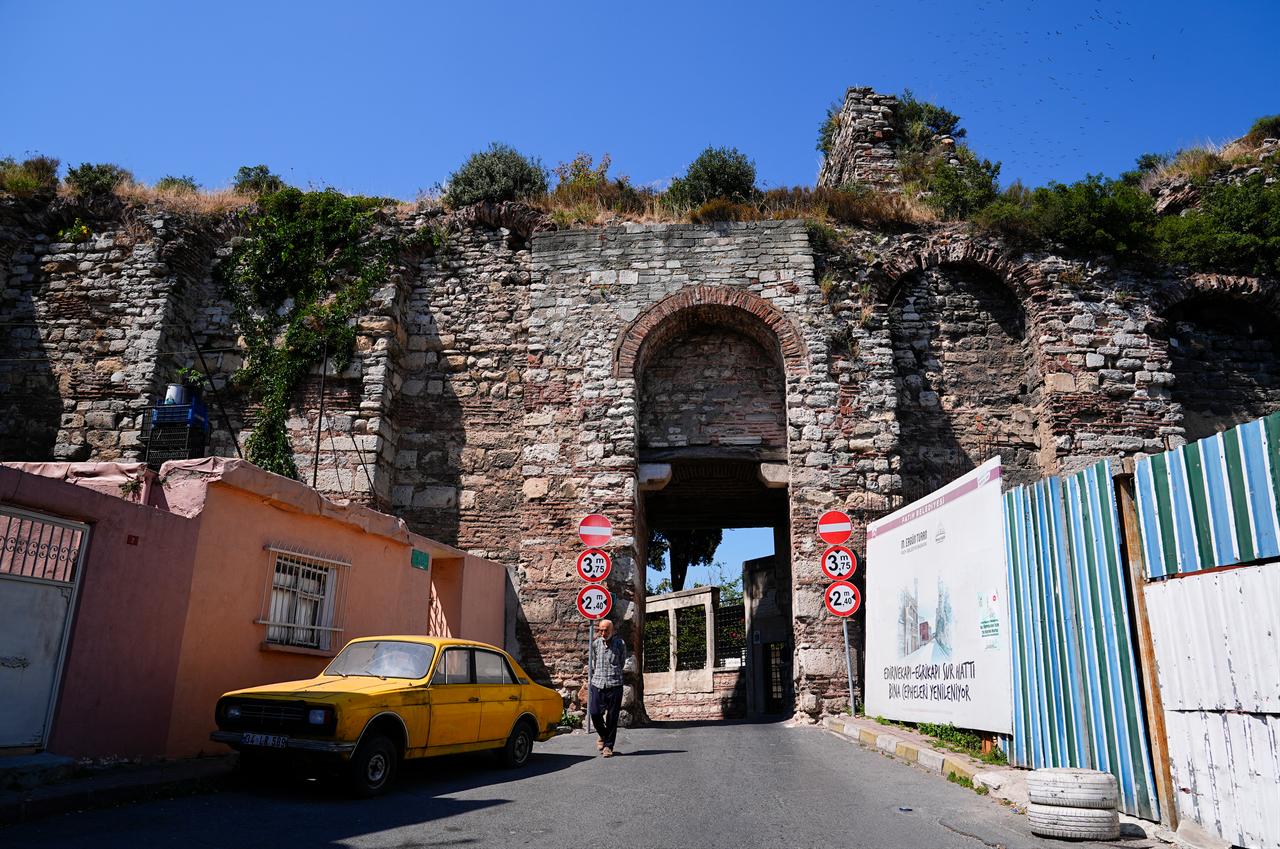

Kabalioglu said Istanbul was besieged 32 times. The section of the walls reaching the Golden Horn stood out as one of the weaker defensive points, particularly in the late Byzantine period. “We can say this was the weakest point of the walls,” she said.
She added that Byzantine Emperor Manuel Komnenos reduced the number of wall tiers at Blachernae Palace from three to one. According to Kabalioglu, this made the area the weakest part of the walls during the conquest of Istanbul, and it fell quickly.
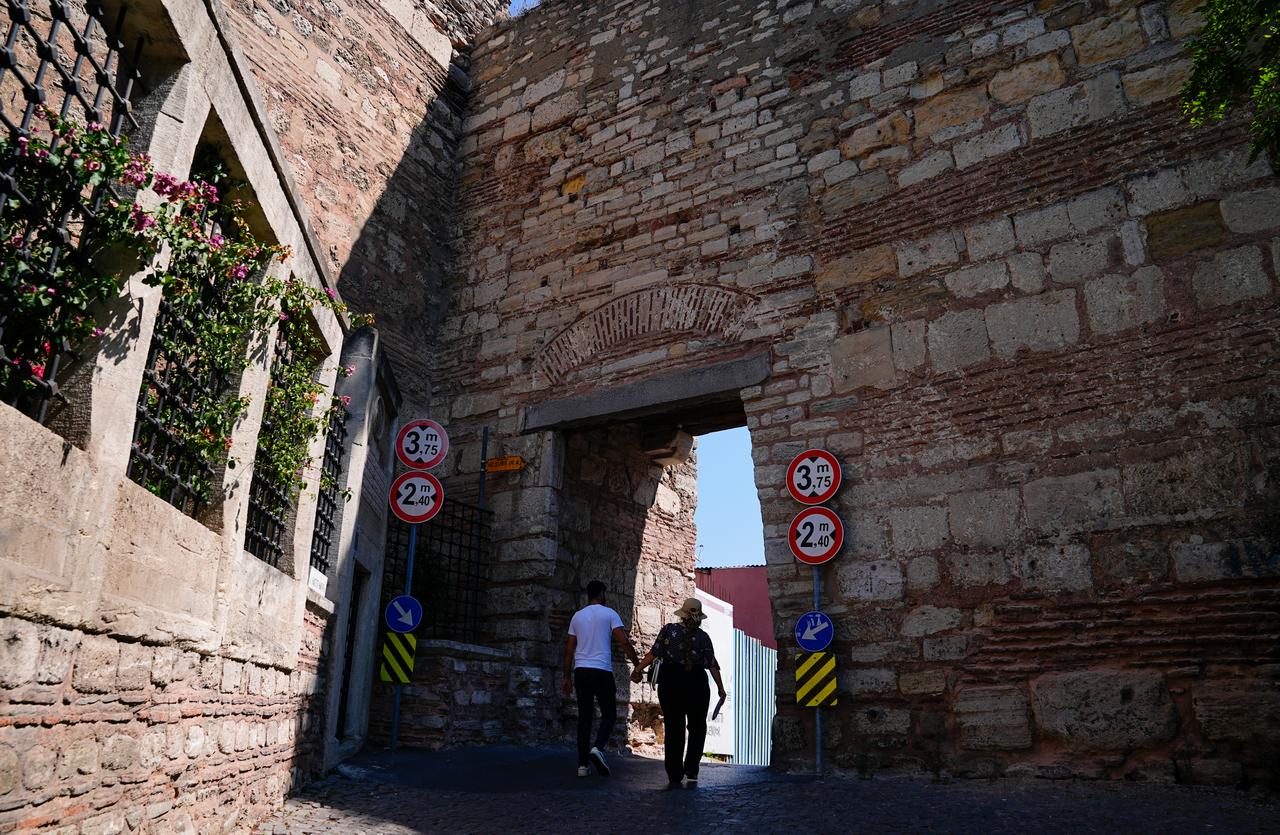
One of the most notable periods in the gate’s history was the first Arab siege during the Umayyad era. Abu Ayyub al-Ansari, known in Türkiye as Eyup Sultan, took part at the age of 90. Many others who wished to be among the soldiers mentioned in a hadith about the conquest of Istanbul also joined.
After Abu Ayyub al-Ansari died during the siege, his body was carried to the point nearest the walls and buried there. Kabalioglu said the Byzantine emperor and his commanders warned they would destroy the body once the Arab forces left. She said the Arab side replied that they would kill the Christians in all lands under their control. His body was later moved to its present tomb, she said.
Kabalioglu said many graves from the period surround the gate. To the right of the entrance, she listed Halid bin Zeyd (Eyup Sultan), Sube, Ebu Seybe el-Hudri and Ebu Sadik. She said the graves point to heavy fighting and many deaths during the first Arab attack in the Byzantine era.
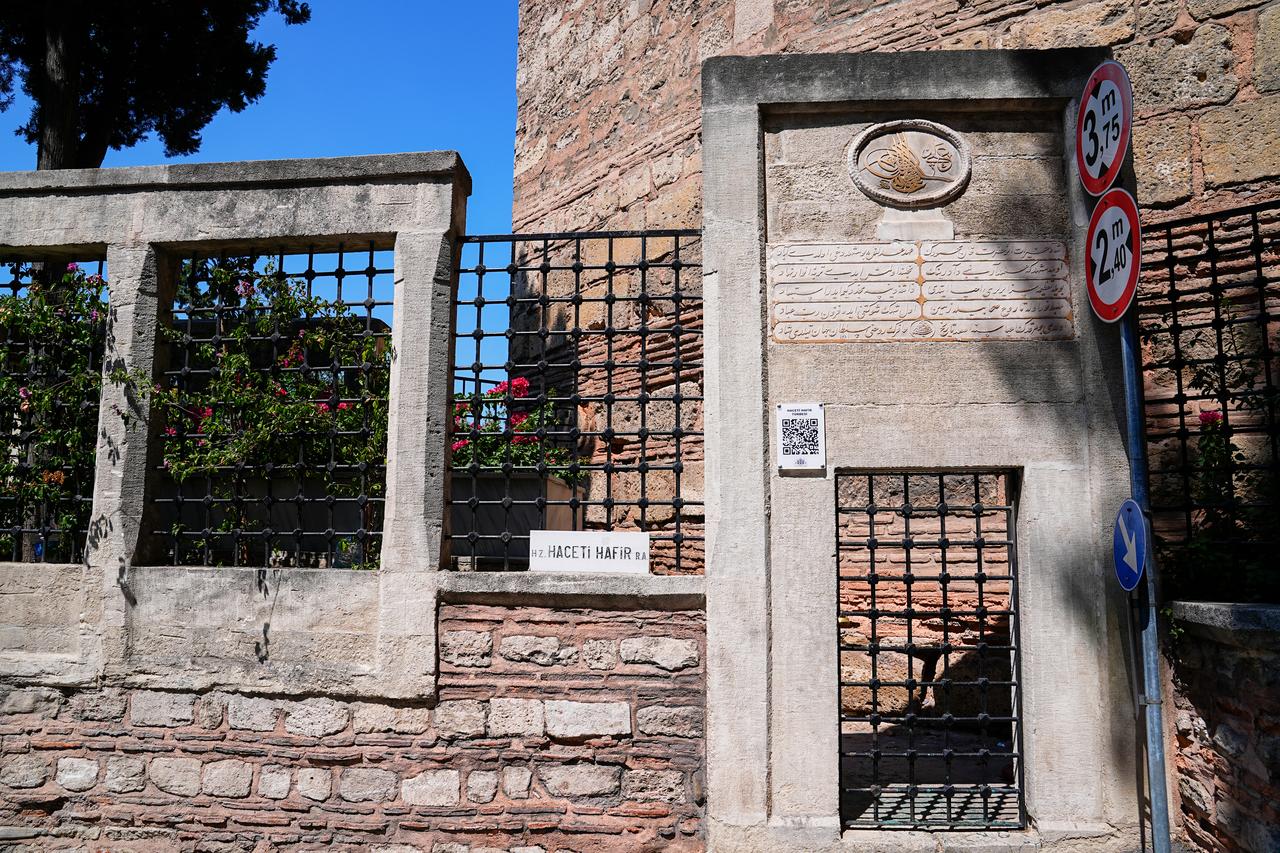
Egrikapi kept its importance under the Ottomans, Kabalioglu said. Evliya Celebi’s travelogue “Book of Travels” describes settlers from Egirdir, a town in Isparta province in southwestern Türkiye, being placed in the area.
Kabalioglu said this settlement was part of an Ottoman policy of repopulating the area and making it Muslim. She said the walls are surrounded by structures from different periods, including many churches and synagogues. The Kazasker Ivaz Efendi Mosque, said to be the last work of architect Sinan, is also in the area. Kabalioglu said it was built when the district was developed under the Ottomans.


 Set as preferred source
 Set as preferred source


 2 min read