Newsletters


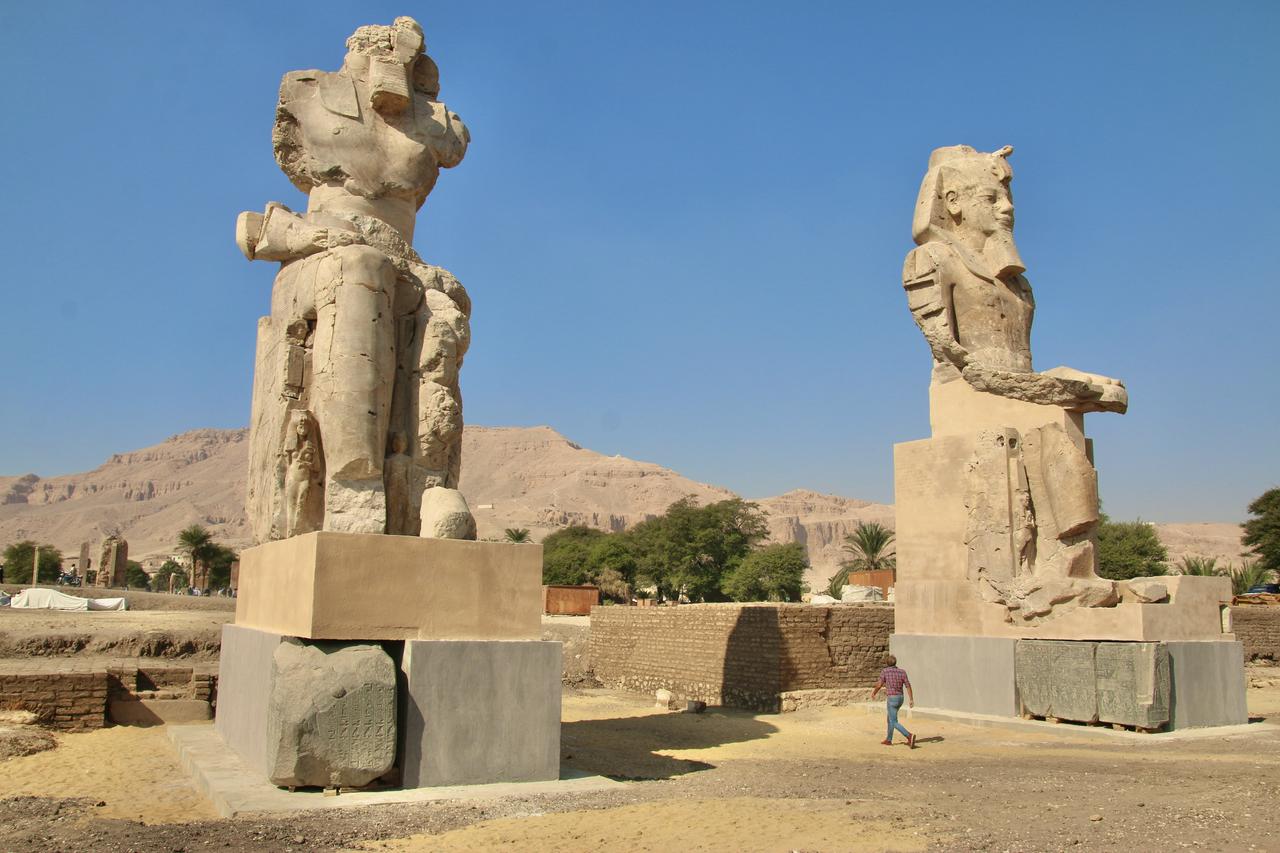


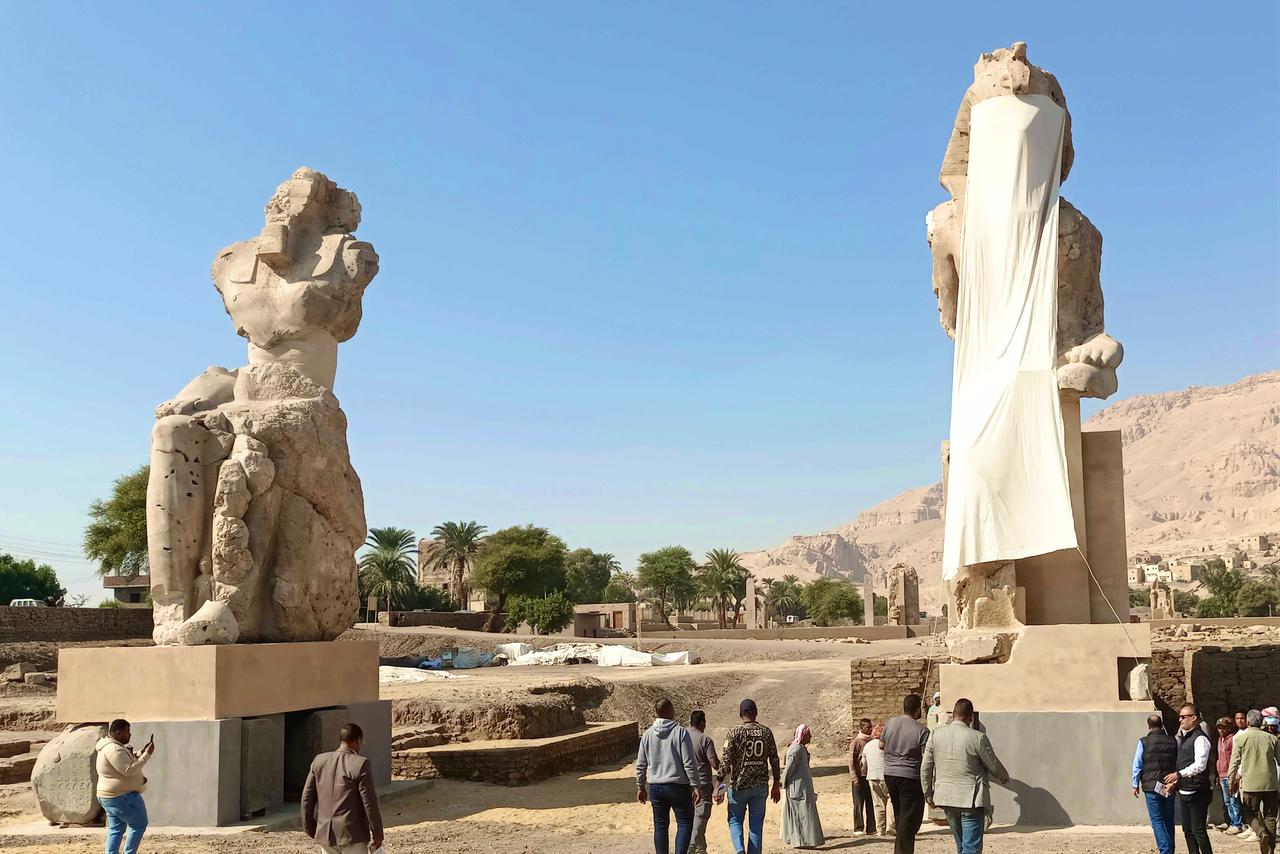
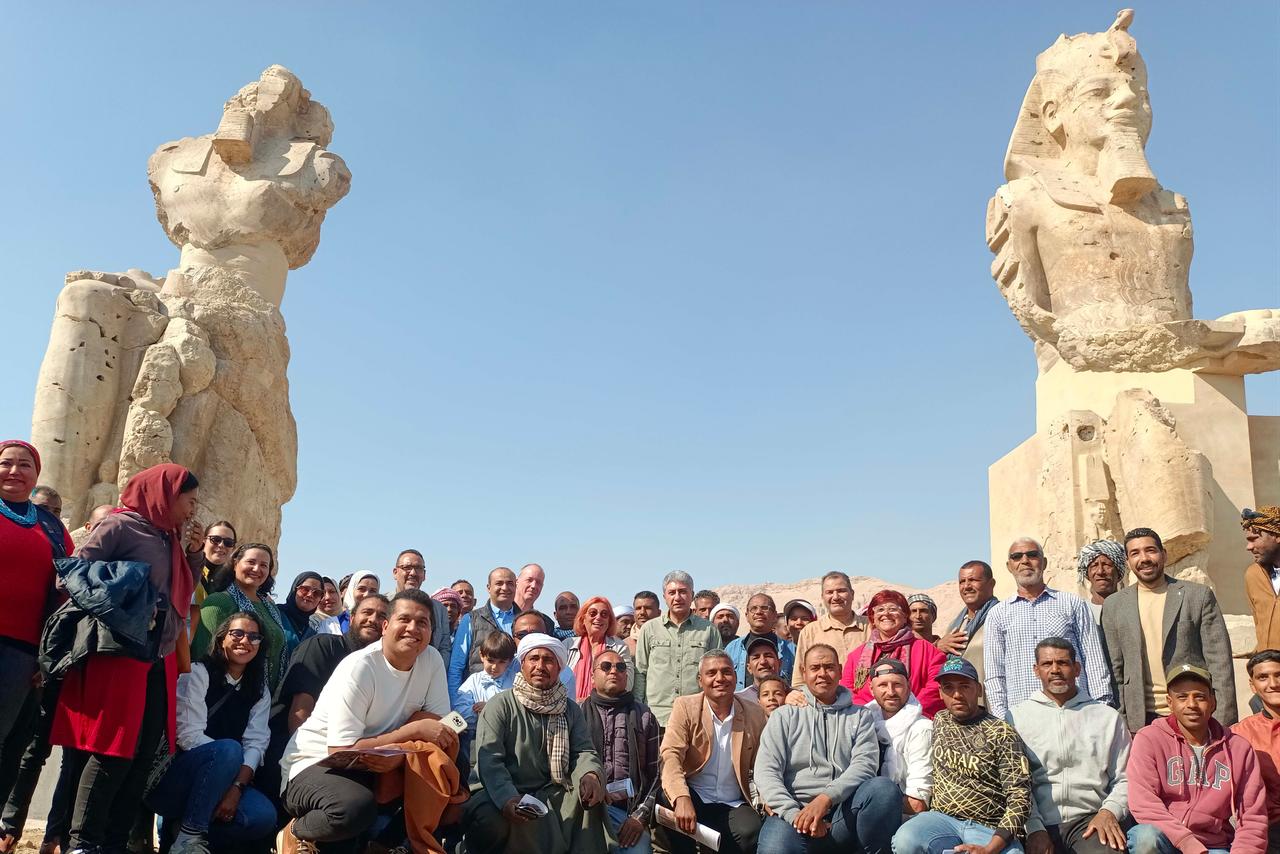
Egypt has revealed the restored and reerected colossal statues of Pharaoh Amenhotep III in Luxor. The unveiling centers on two giant alabaster sculptures, widely known as the Colossi of Memnon, which once guarded the entrance to the pharaoh’s vast funerary temple on the west bank of the Nile.
The statues were put back up following restoration work on sculptures dating to the reign of Amenhotep III, who ruled ancient Egypt around 3,400 years ago during the New Kingdom period. A member of the 18th Dynasty, Amenhotep III is widely regarded as one of Egypt’s most influential builder pharaohs, remembered for large-scale construction projects across the kingdom.
Officials said the reassembly capped nearly two decades of work. Speaking ahead of the ceremony, Mohamed Ismail, secretary-general of the Supreme Council of Antiquities, described the event as the conclusion of the process of finishing and erecting the two colossi. He underlined their importance for Luxor, a city famed for its concentration of temples and monuments, and noted that the project aims to bring back how the funerary temple once looked in antiquity.

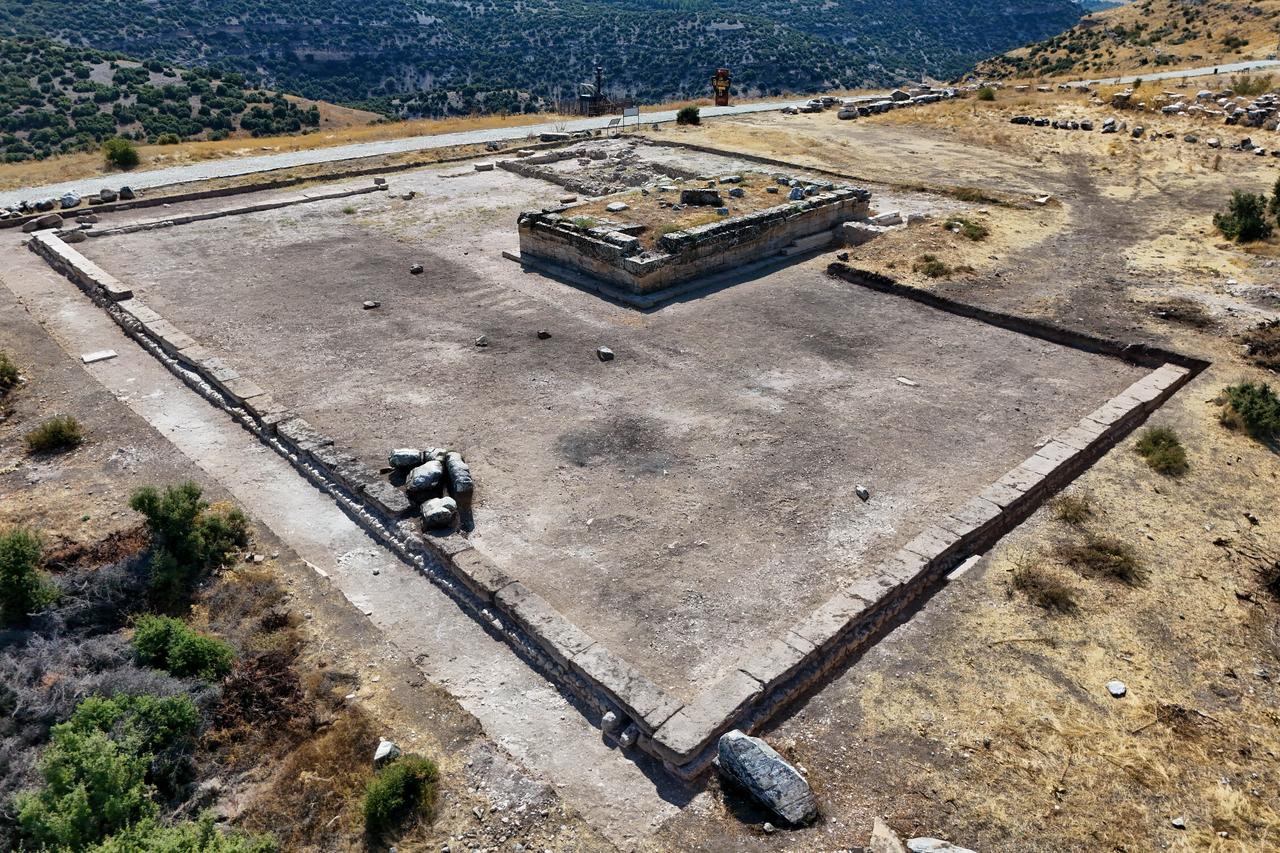
The Colossi of Memnon originally formed part of Amenhotep III’s mortuary temple, a massive complex believed to have been the largest and richest temple in Egypt, often compared with the Karnak temple across the Nile. The statues were toppled by a powerful earthquake around 1,200 B.C., an event that also led to the destruction of much of the temple.
Over centuries, the fallen statues were fragmented and partly quarried, with some blocks reused in other monuments, including the Karnak temple. According to the Antiquities Ministry, archaeologists later tracked down dispersed elements and brought them back together to rebuild the colossi. Work at the site began in the late 1990s under an Egyptian-German mission led by German Egyptologist Hourig Sourouzian, who said the project set out to save the last remains of what was once a prestigious temple.
Each statue depicts Amenhotep III seated, his hands resting on his thighs, facing east toward the Nile and the rising sun. The pharaoh wears the nemes headdress topped with the double crown, symbols of royal and divine authority, along with a pleated royal kilt. Smaller figures carved near his feet represent his wife, Queen Tiye.
Carved from Egyptian alabaster quarried at Hatnub in Middle Egypt, the statues rise to around 14.5 meters (47.57 feet) and 13.6 meters, respectively. Unlike many other monumental sculptures from ancient Egypt, they were partly assembled from separately sculpted pieces fixed onto a central monolithic core. Inscriptions on their pedestals record the name of the temple and the quarry from which the stone was taken.
Amenhotep III ruled between about 1,390 and 1,353 B.C., a largely peaceful and prosperous era within the New Kingdom, often seen as the height of ancient Egyptian power and wealth. His building program included not only the Luxor mortuary temple but also major works elsewhere, such as the temple at Soleb in Nubia. His mummy is now displayed in a Cairo museum, linking the restored monuments in Luxor to collections seen by visitors in the capital.
The Luxor unveiling came weeks after the inauguration of the long-delayed Grand Egyptian Museum near the Giza Pyramids and the Sphinx, a flagship project in the government’s efforts to bring more visitors to the country. Tourism and Antiquities Minister Sherif Fathy said the restored site would draw interest for years, adding that new developments continue to take place in Luxor.
Tourism, which relies heavily on Egypt’s pharaonic heritage, has faced setbacks since the 2011 uprising and during the coronavirus pandemic. In recent years, however, visitor numbers have begun to climb again. Official figures show that about 15.7 million tourists visited Egypt in 2024, contributing roughly 8% of gross domestic product. Authorities expect around 18 million visitors this year and are aiming to reach 30 million annually by 2032.


 Set as preferred source
 Set as preferred source


 1 min read
 1 min read