Newsletters


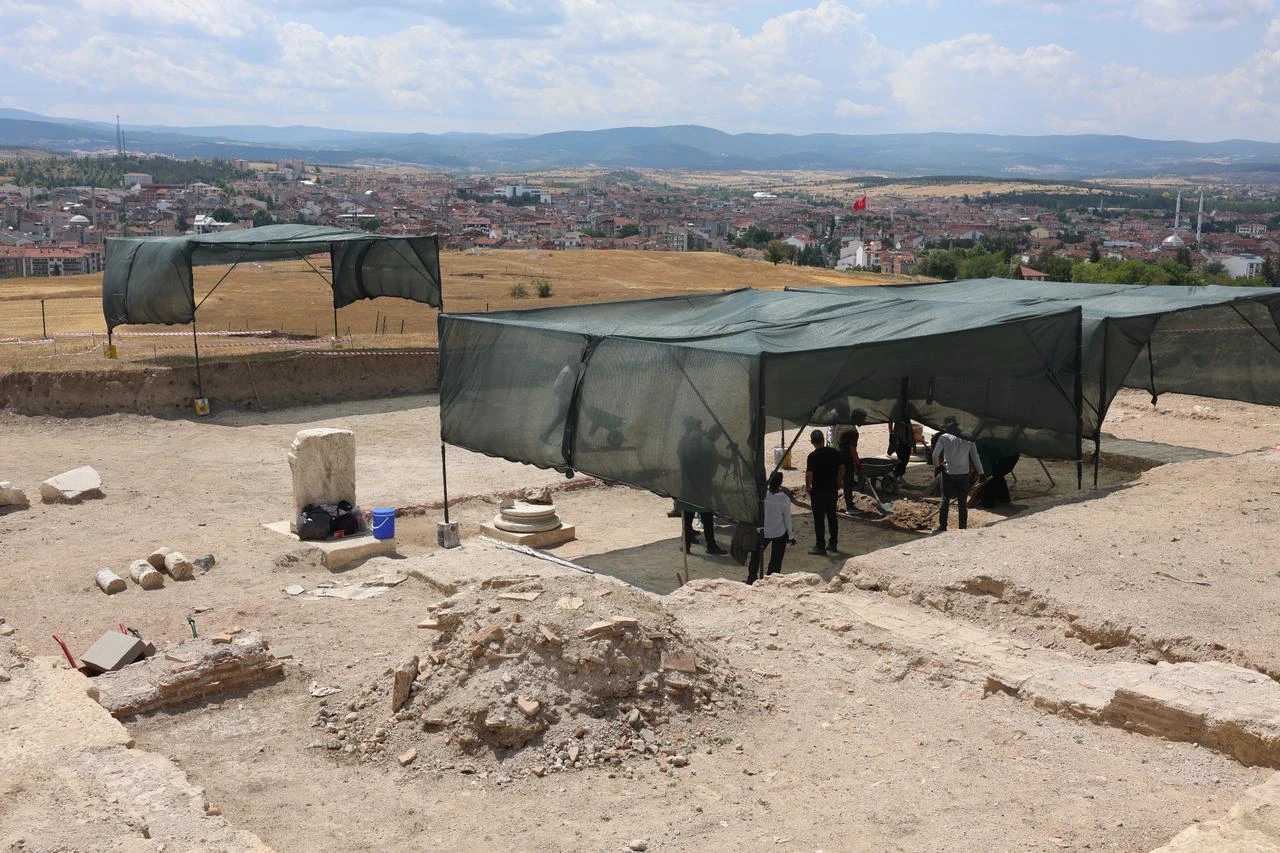


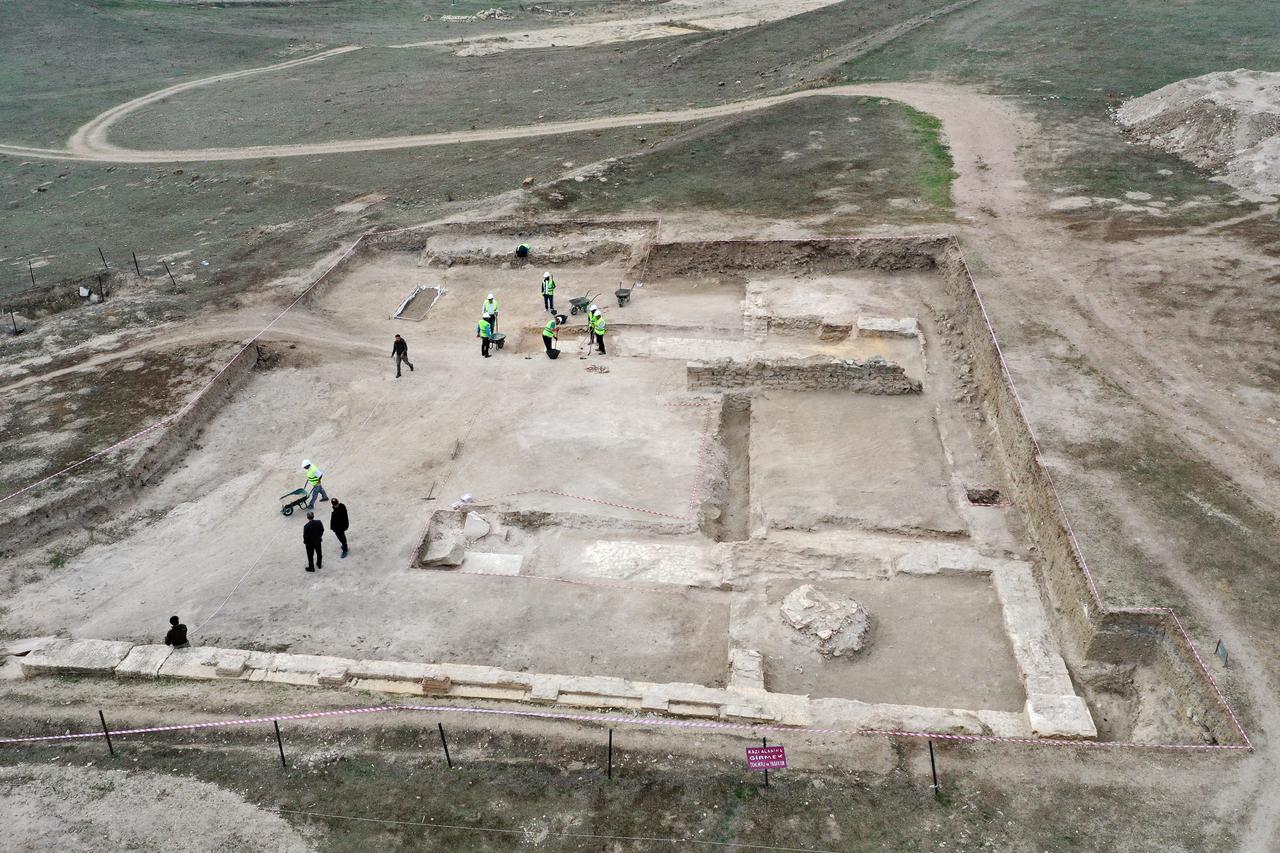
Archaeologists have started the 2026 excavation season at the ancient city of Pompeiopolis in northern Türkiye, where work will focus on uncovering a large Roman basilica that was later turned into a Christian church and may have served as the religious center of the city.
The ancient settlement is located on Zimbilli Hill in the Taskopru district of Kastamonu province. Once the capital of the historical region of Paphlagonia, an ancient territory along the central Black Sea coast, Pompeiopolis is sometimes referred to as the "Ephesus of the Black Sea" because of its archaeological significance.
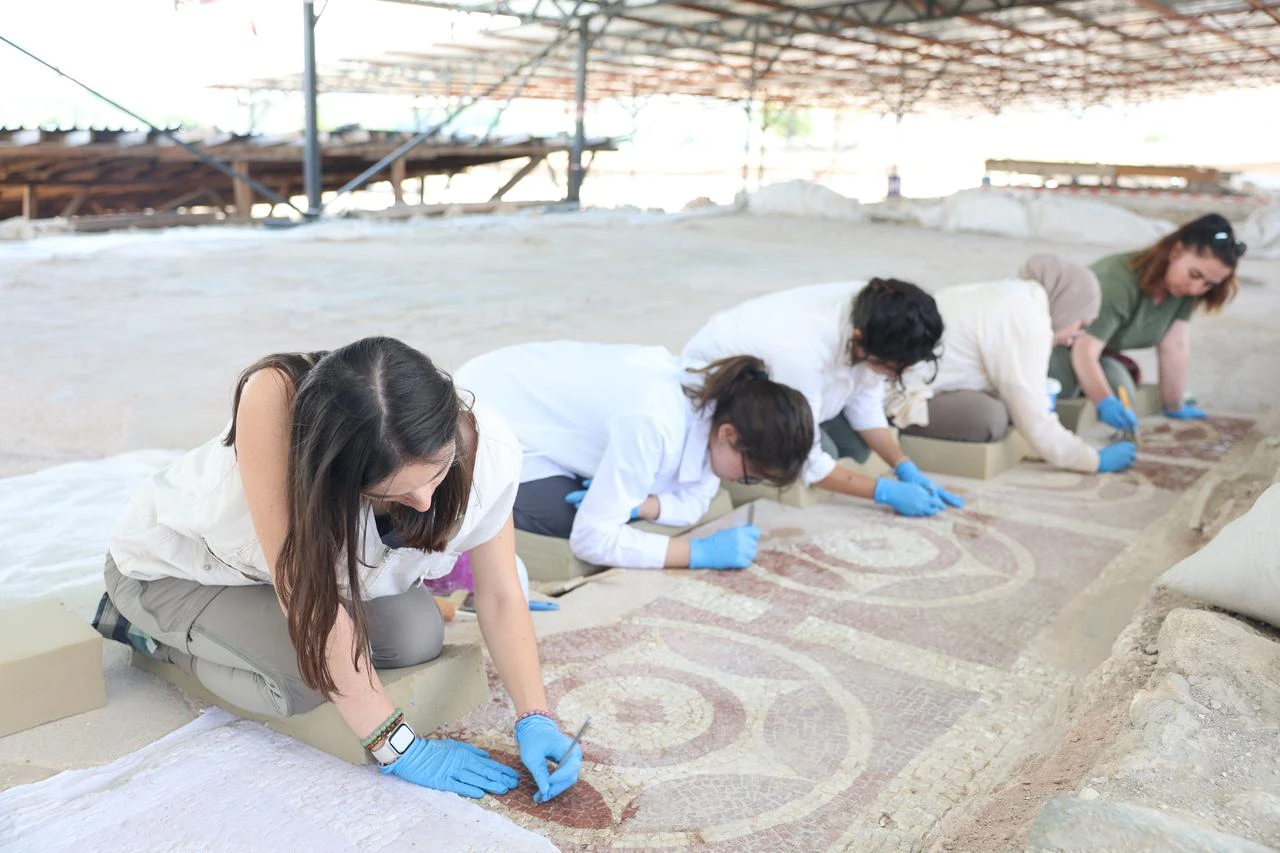

Excavations at the site have been underway since 2006 on behalf of Türkiye's Ministry of Culture and Tourism. The project is headed by Associate Professor Mevlut Eliusuk of Karabuk University's Department of Archaeology, with support from Taskopru Municipality.
This year's 45-member excavation team includes Turkish archaeologists and a 15-person group from Italy.
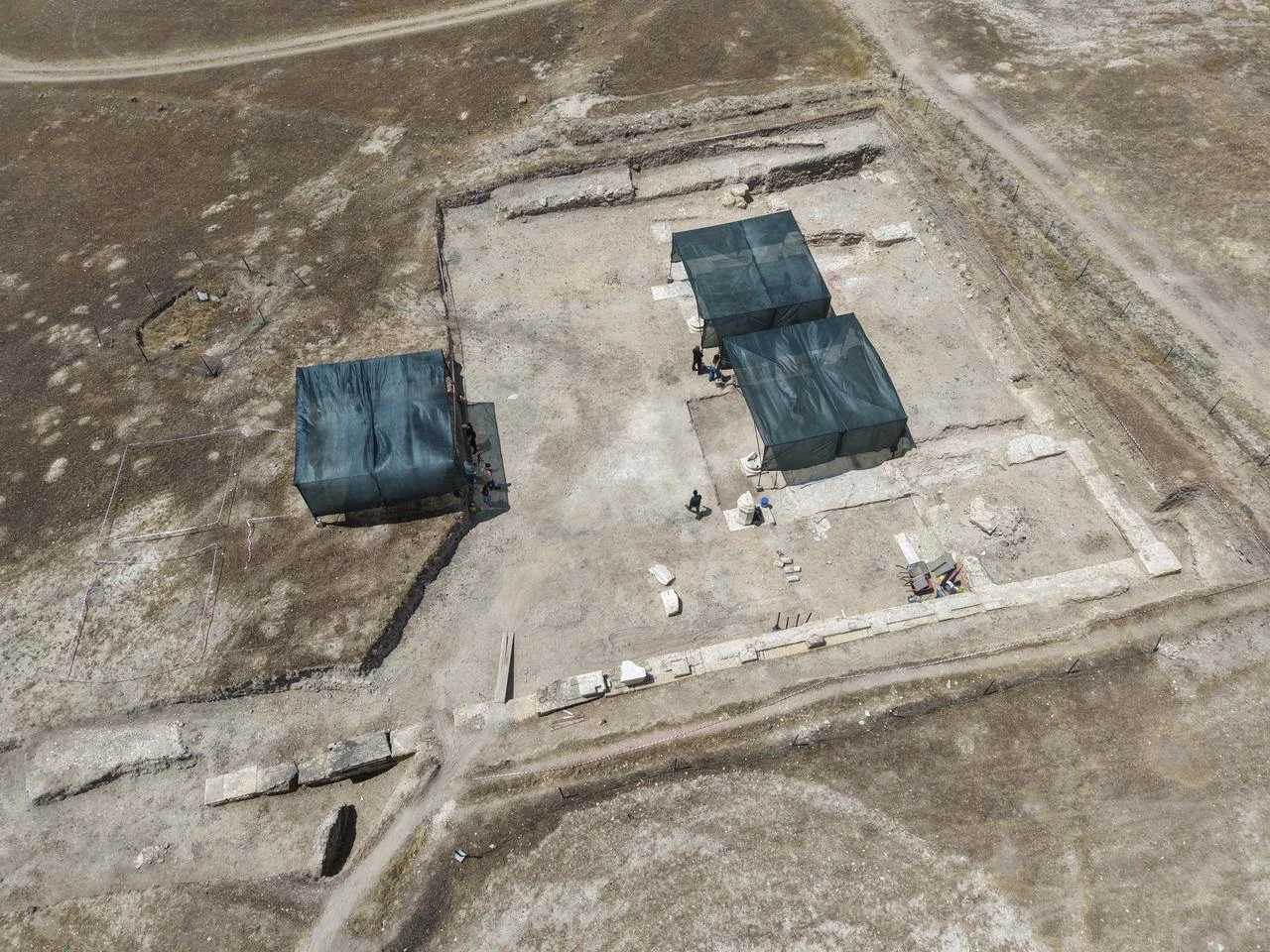
Eliusuk said the team was carrying out excavation and restoration work at the same time. Conservation efforts are continuing at the Roman Villa, where specialists previously began repairing the building's floor mosaics.
Depending on available funding, the excavation season is expected to run through the end of October. The project is supported by the General Directorate of Cultural Heritage and Museums, Acacia Mining, the Kastamonu Governor's Office, the Taskopru District Governor's Office and Taskopru Municipality.
The main focus this year, however, is the Roman basilica on the city's acropolis, the elevated central area of an ancient settlement where major public and religious buildings were often located.
Excavations at the structure began in 2025. The team hopes to make significant progress across the building, which covers roughly 1,000 square meters.
Built in the second century A.D., the structure was originally a Roman basilica, a large public building commonly used for administrative, legal and commercial activities. It was later converted into a basilica-plan Christian church and used during the period when Pompeiopolis served as an episcopal center, meaning a city governed by a bishop.
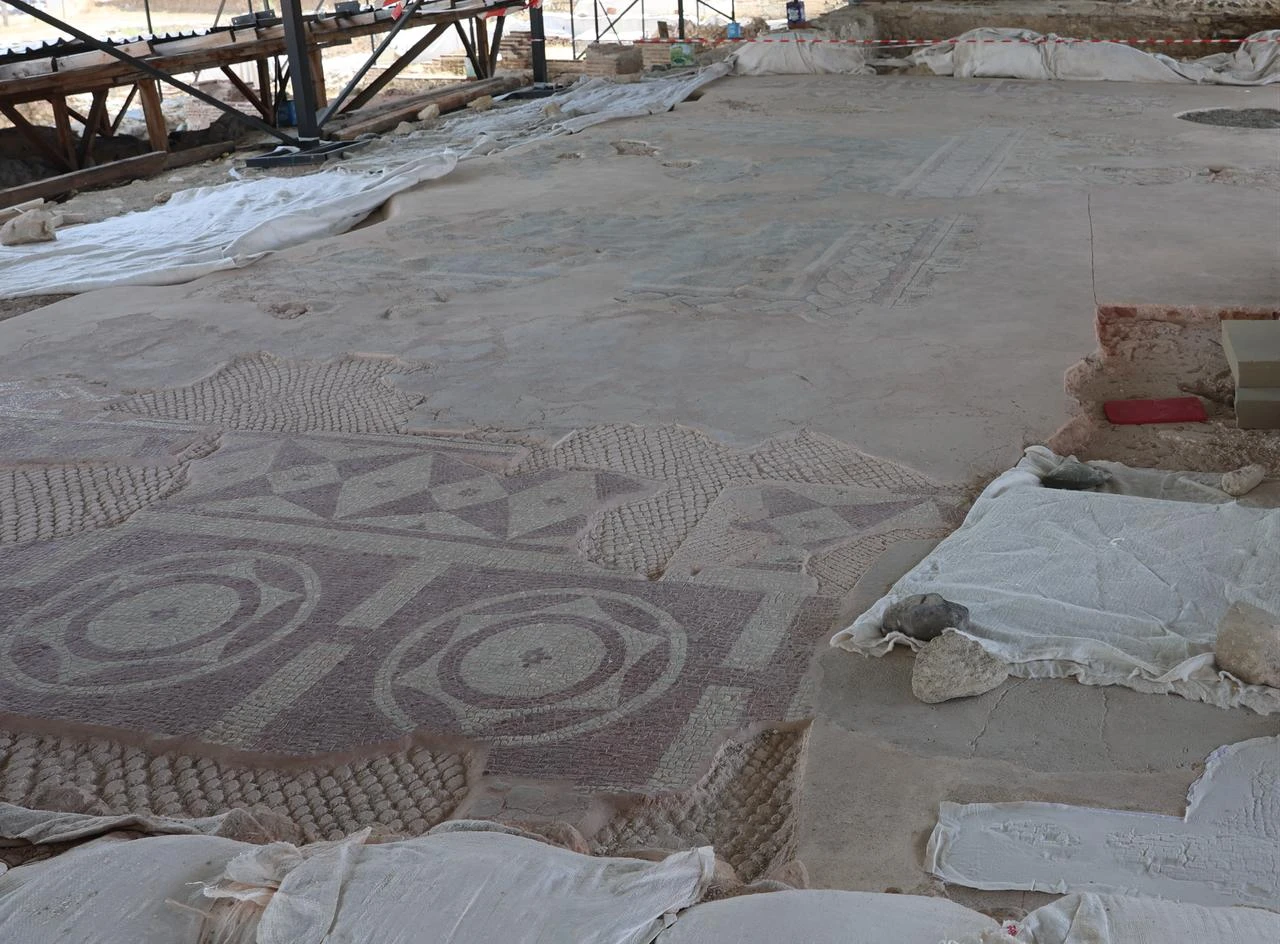
Eliusuk said the team's immediate goal was to uncover at least half of the floor mosaic, carry out protective work and continue excavations in 2027.
No Roman-period basilica has yet been identified elsewhere in the western Black Sea region, making the Pompeiopolis structure particularly significant, according to the excavation director.
The building is dated to between A.D. 160 and 180 and remained in use as a Christian church until the sixth century. Archaeologists believe it may have functioned as the main religious building when Pompeiopolis was an episcopal center.
Although much of the structure has been damaged, its surviving architectural traces and floor mosaics still point to the scale and grandeur of the original building.
Work is currently concentrated in the central nave, the main longitudinal section of a church. The team will expose only part of the mosaic floor before carrying out conservation measures, rather than uncovering the entire surface at once.
"We hope to see the figures featured in the mosaics within 15 to 20 days," Eliusuk said.


 Set as preferred source
 Set as preferred source


 1 min read
 1 min read