Newsletters


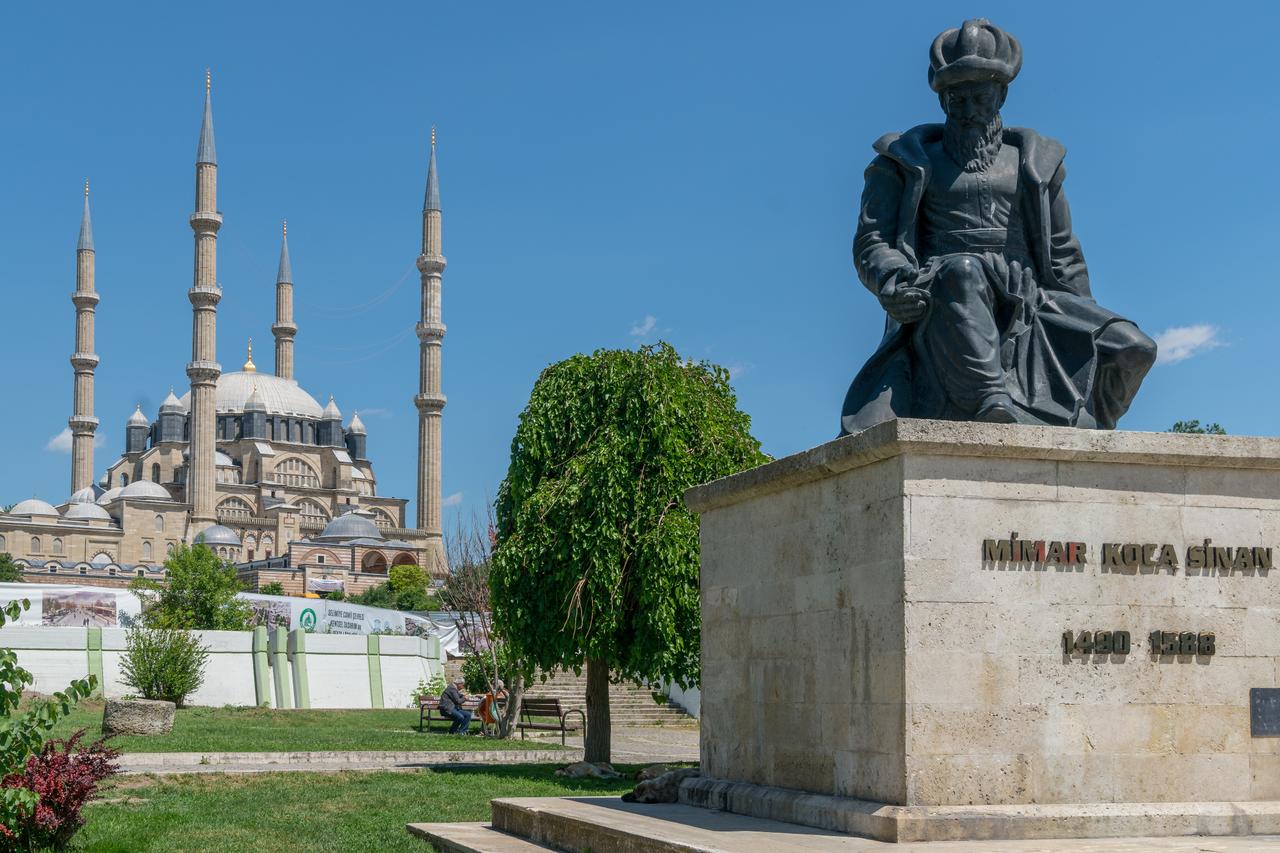


Experts say mosque architecture in Türkiye has evolved over centuries, shaped by geography, available materials, aesthetic values and the political priorities of each era, stressing that restoration projects for historic mosques should be guided by the architectural principles of Ottoman master architect Mimar Sinan.
Türkiye’s mosque architecture reflects a rich historical accumulation shaped by different political, cultural, and artistic periods. Today, restoration works play a crucial role in preserving this heritage, maintaining the original character of buildings, and ensuring that historical layers can be accurately understood by future generations.
According to architects and art historians, both the historical transformation of mosque forms and the limits of the concept of “authentic restoration” are key issues in understanding and preserving mosque architecture.
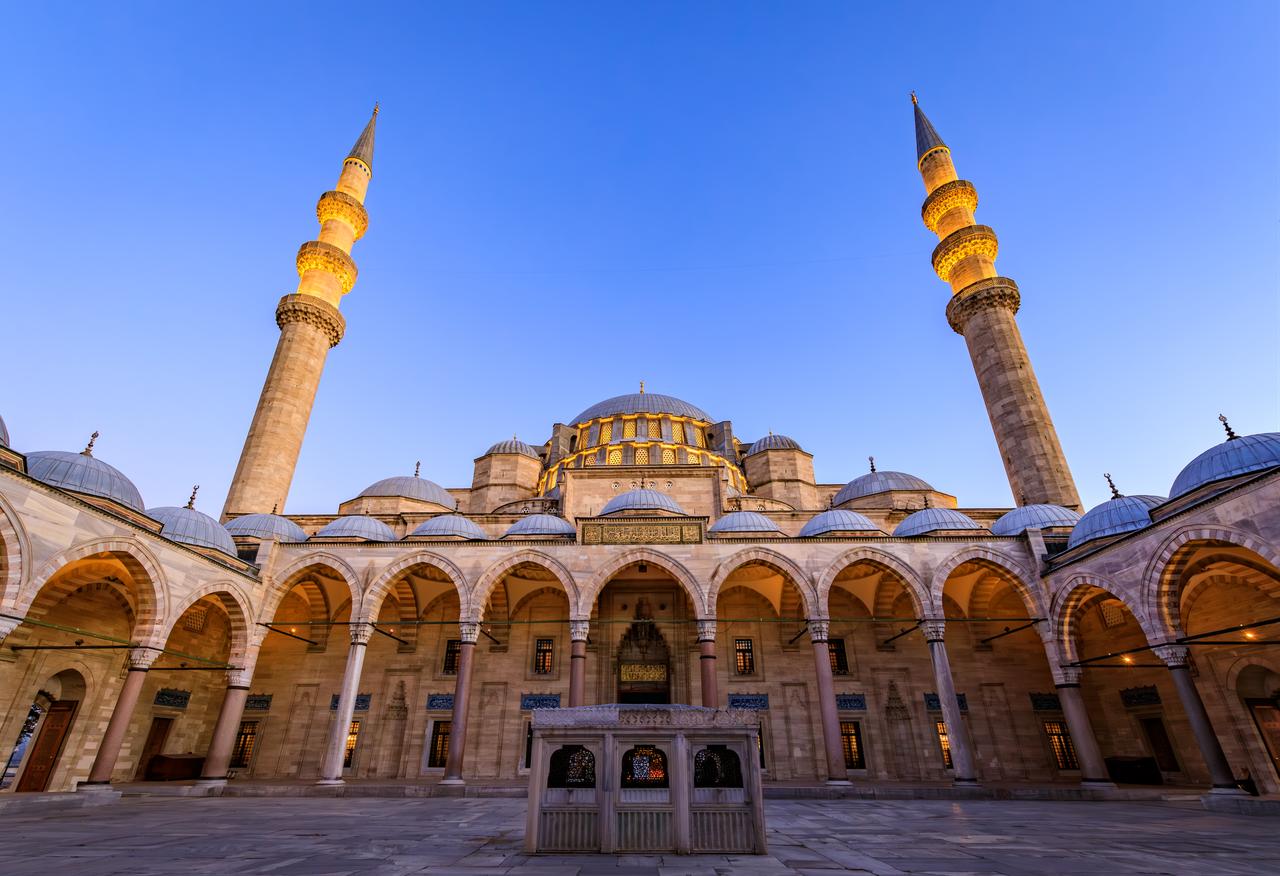

Senior architect Hanife Biyiklioglu Balgan told Anadolu Agency that mosque architecture does not follow a continuous, linear development. Instead, it is shaped by multiple factors, including geography, local building materials, political power and aesthetic concerns.
“A mosque is not only a place of worship; it is also a mirror reflecting the cultural and political codes of its time,” Balgan said.
She noted that while some contemporary mosque designs attempt to preserve traditional forms, others merely imitate them superficially, while some reject tradition altogether in favor of a globalized architectural language.
Balgan also highlighted ongoing debates over the concept of “authenticity” in restoration projects. She questioned whether authenticity refers to a building’s original state or to all the historical layers added over time through repairs and renovations.
“In my view, restoration should prioritize preserving the building and its original values that may be trapped within later interventions, while still respecting its historical layers,” she said, adding that each era’s different value system has influenced restoration approaches, sometimes leading to a gradual alienation from the building’s original spirit.
Balgan also evaluated newly rediscovered drawings by Charles Texier, a 19th-century French architect and traveler. Texier documented major Ottoman structures, including the Suleymaniye Mosque, the Mihrimah Sultan Mosque, the Blue Mosque and Hagia Sophia Grand Mosque.
She explained that Texier’s drawings reveal how structural elements were intentionally emphasized in classical Ottoman mosques, particularly those designed by Sinan, while ornamentation played a secondary role and served the structure itself.
 1 min read
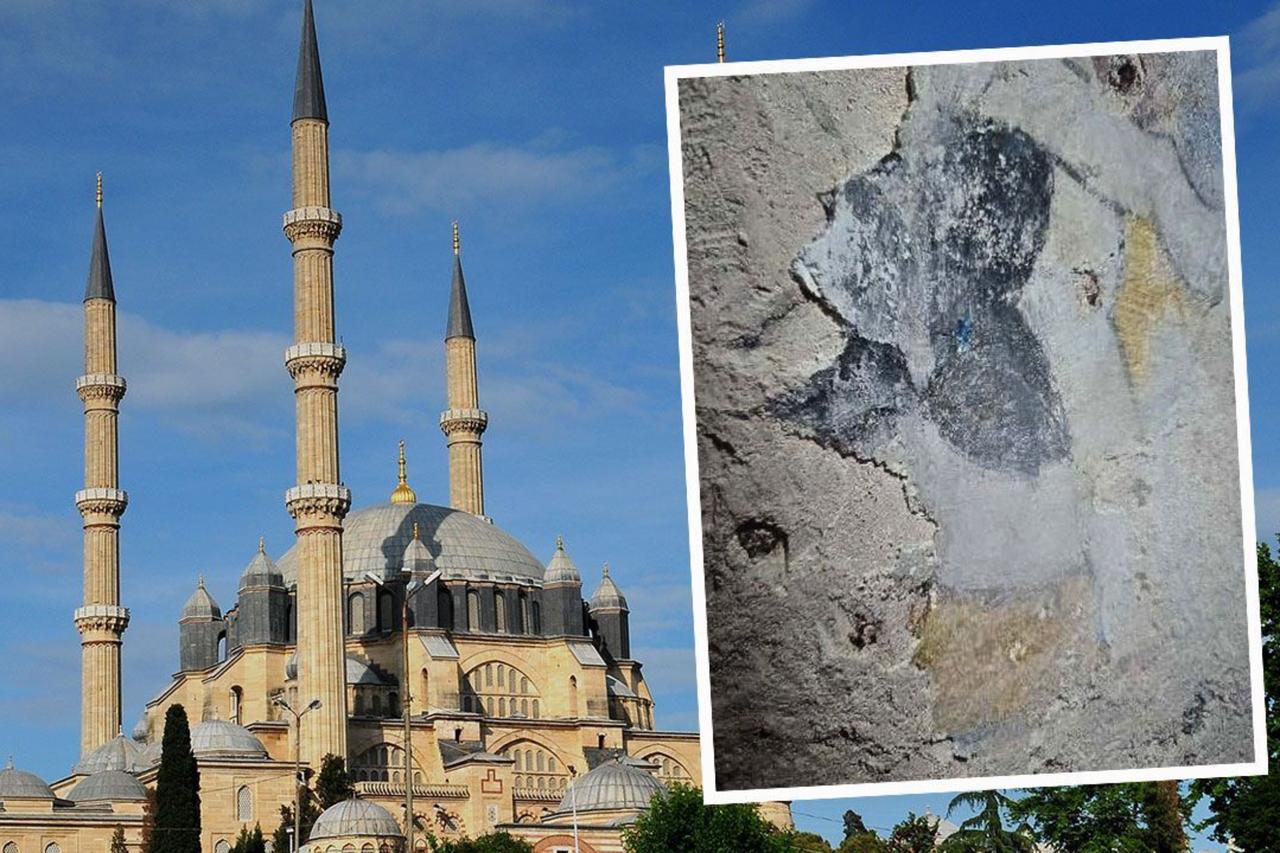
Restoration works at the Selimiye Mosque in Edirne, a UNESCO World Heritage site and Sinan’s masterpiece, have sparked public sensitivity. Balgan attributed much of the controversy to a lack of public knowledge about restoration principles, resistance to visual change, and the manipulative effects of social media.
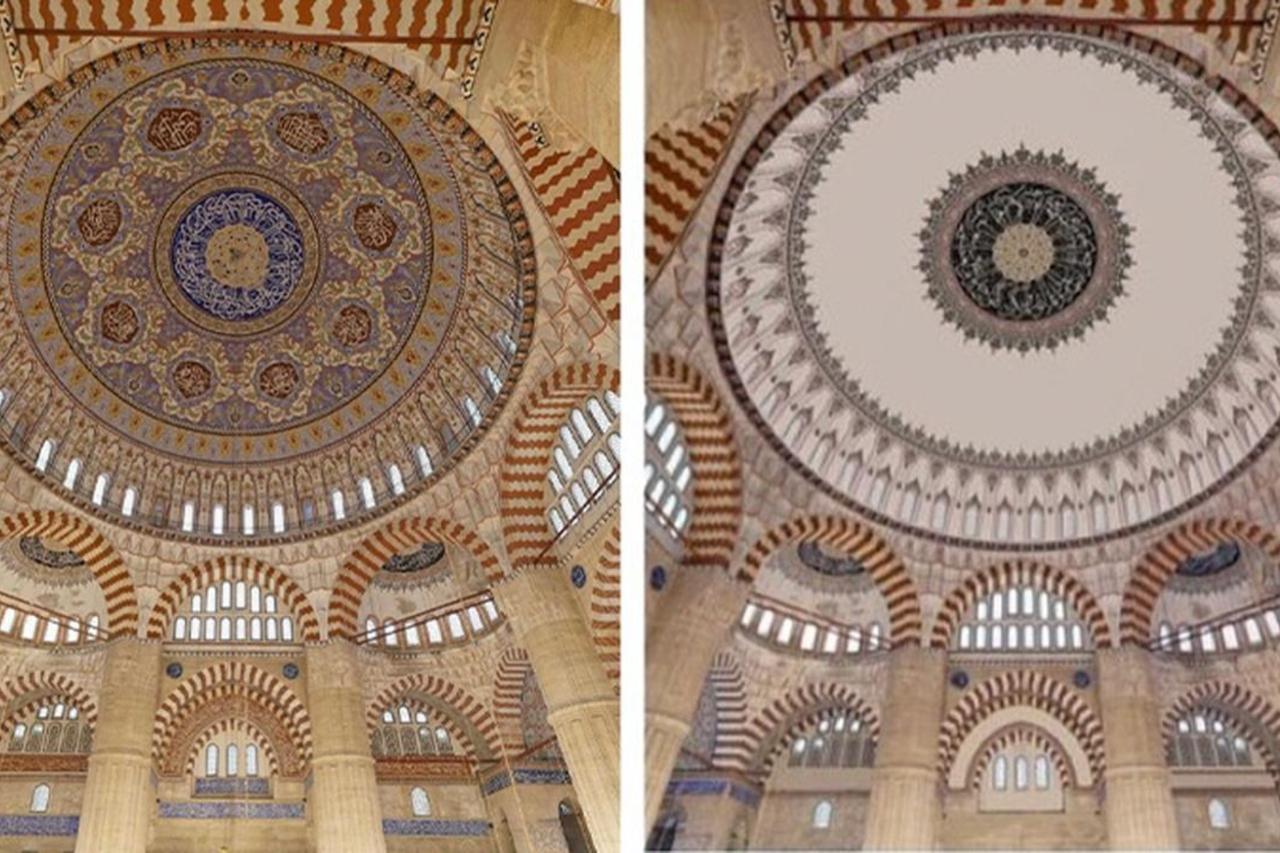
She noted that the mosque’s current dome decoration dates back to an 1883 restoration by Nikola Kalfa, during which Baroque ornamentation was added, an intervention that was criticized even in its own time. Despite this, the decoration has remained part of the mosque for over 140 years as a historical layer.
Balgan stressed that restoration processes should be conducted transparently and with public engagement to prevent misinformation and distrust.
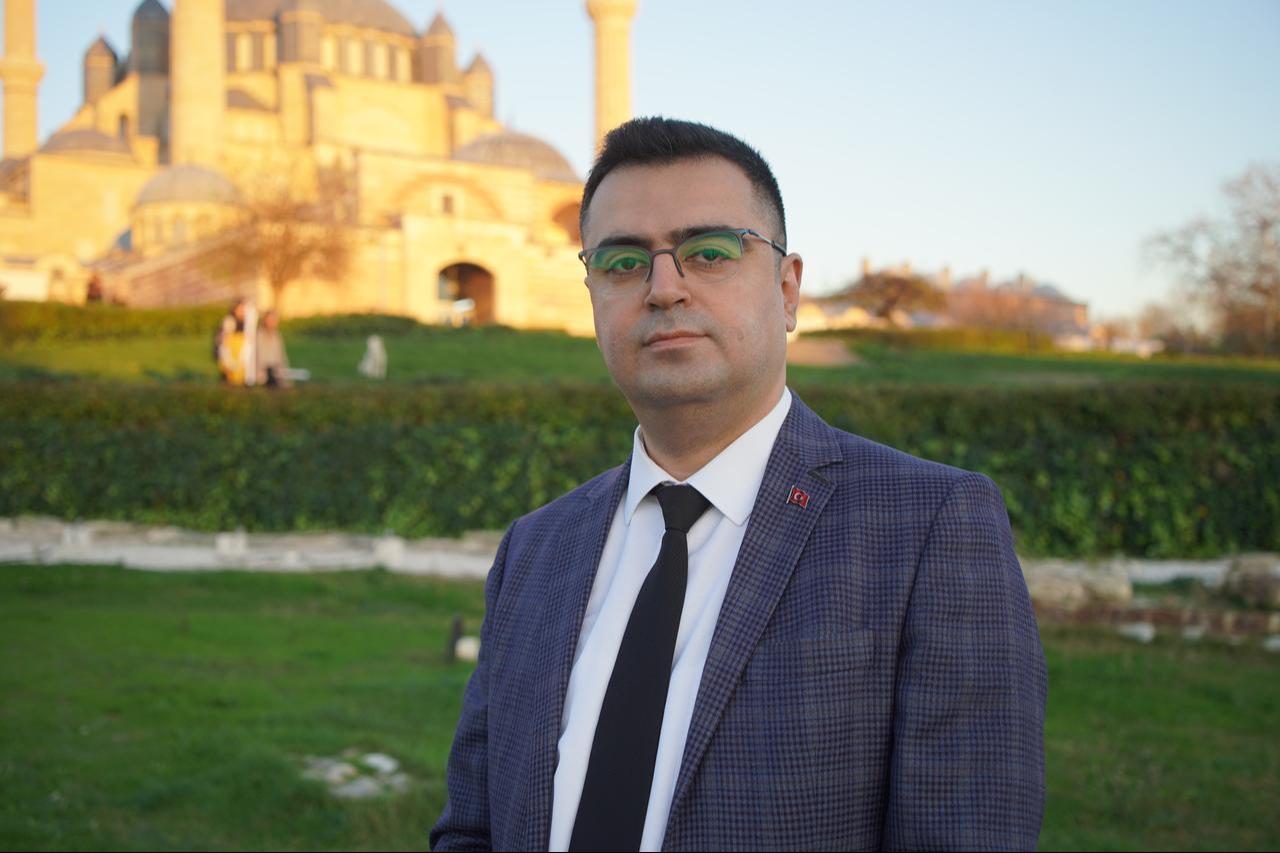
Art historian Altay Bayatli, a lecturer at Trakya University, stated that the central dome is the focal point of mosque architecture and the clearest expression of an architect’s vision.
He argued that 19th-century interventions on the Selimiye Mosque’s dome moved it away from Sinan’s original aesthetic language.
“In the current dome decoration, we cannot see Sinan’s signature,” Bayatli said. “The interventions of the 19th century disrupted the simple, balanced, and restrained language that Sinan originally established.”
Bayatli emphasized that Texier’s detailed drawing of the Suleymaniye Mosque dome is one of the most important visual documents demonstrating Sinan’s decorative approach.
“For years, scholars such as Dogan Kuban and Gulru Necipoglu have stated that Sinan preferred simplicity in ornamentation, but there was no direct visual proof,” he said. “Texier’s drawing finally provides a documented, visual answer to how Sinan envisioned dome decoration.”
According to Bayatli, the drawing shows that Sinan favored a simple, balanced design centered on light, offering a strong reference point for understanding how the Selimiye Mosque’s dome may originally have been conceived.
“This document allows us to better understand what is missing today in Selimiye 'Sinan’s artistic signature',” Bayatli said, describing the drawing as a key to reinterpreting Sinan’s architectural legacy.


 Set as preferred source
 Set as preferred source


 1 min read