Newsletters


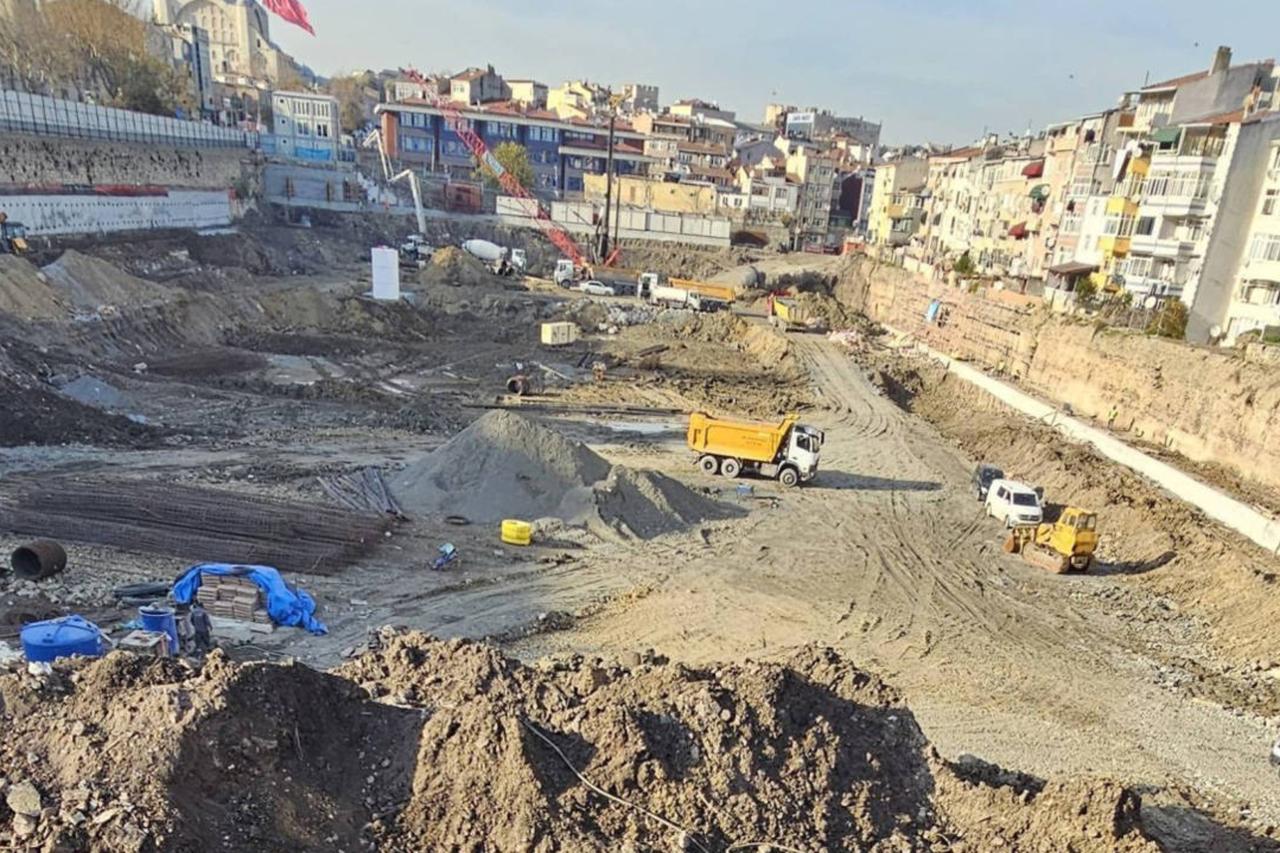


Parts of the ancient Aetius Cistern in Istanbul’s Karagumruk district were removed using heavy construction machinery, prompting strong reactions from architects, archaeologists, and cultural heritage advocates this week.
The structure dates to the first half of the fifth-century and stands as one of the three surviving open-air cisterns from the Roman period in Istanbul. Recent images shared on social media show machinery operating inside the cistern and along its perimeter walls, including sections that run parallel to Fevzipasa Street.
Architect Serhat Sahin drew public attention to the damage in a social media post, describing the intervention as the destruction of a fifth-century wall that forms part of one of Rome’s most significant surviving cisterns.
Sahin questioned claims that the work had received official approval and said such damage could not be justified by referring to a conservation board decision. He directly called on the Fatih Municipality and local authorities to intervene.
According to reporting by Cumhuriyet, the visible damage includes the mechanical removal of sediment layers inside the cistern and structural interventions on the original masonry walls. Experts say these actions risk irreversible harm to the historical fabric of the site.
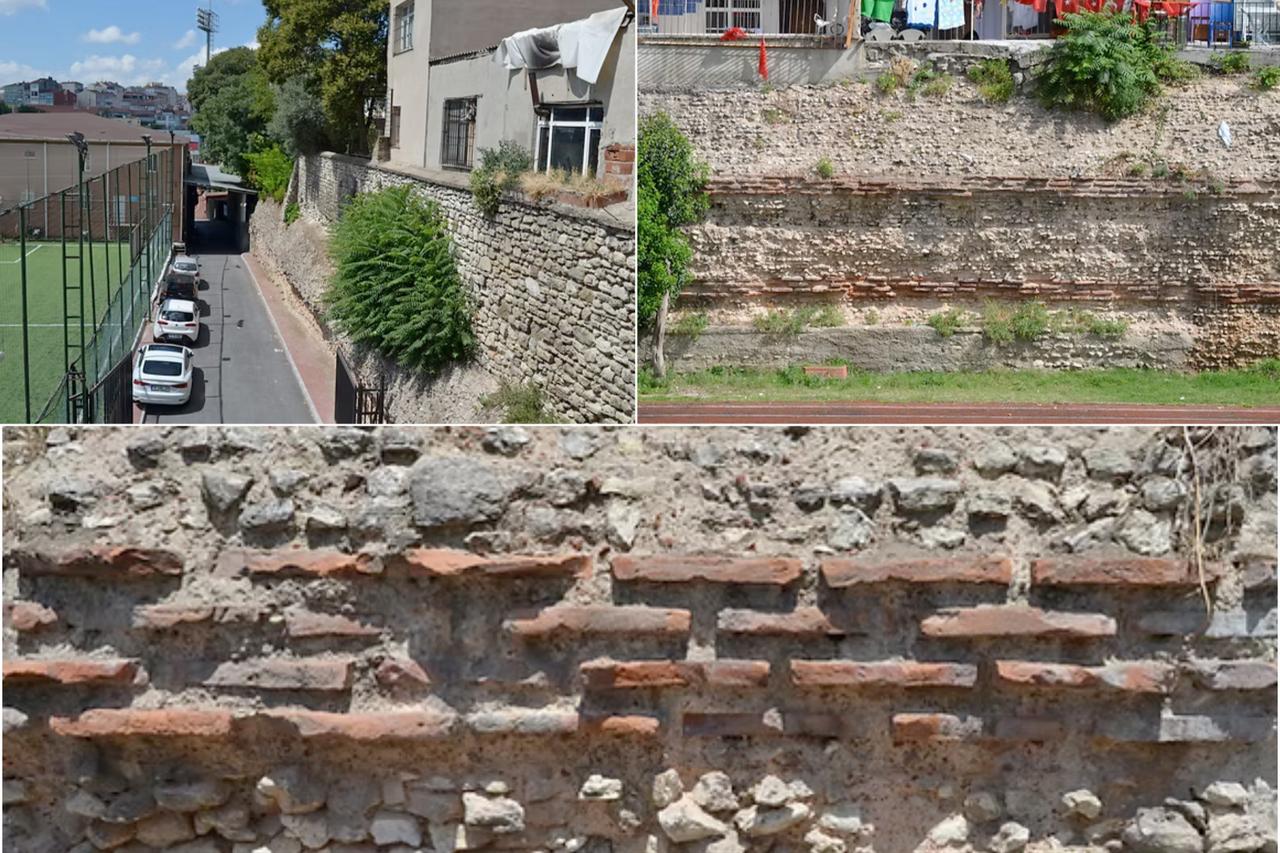

Archaeologist Nezih Basgelen, head of the Cultural and Natural Heritage Monitoring Platform, submitted a formal petition to the Istanbul Regional Conservation Board for Cultural Assets No. 4, calling for immediate action.
Basgelen said intensive work has taken place inside the cistern since early November. He stated that construction machinery removed sediment through mechanical intervention, while the cistern’s perimeter walls underwent surface shaving and anchoring.
He added that workers applied a concrete band over the historic walls, a method he described as unacceptable for a site of this significance.
Basgelen emphasized that the Aetius Cistern is one of three open cisterns in Roman architecture with no equivalent elsewhere. He said the ongoing work constitutes clear cultural heritage destruction, which is visible in the images shared publicly.
He urged authorities to stop the intervention and ensure that any future work proceeds under the supervision of specialists from the Istanbul Archaeology Museums.
The Aetius Cistern ranks among Istanbul’s most important ancient water structures and forms part of the city’s layered urban history. Cultural heritage experts warn that continued mechanical intervention could cause permanent loss to a site that has survived for more than 15 centuries.
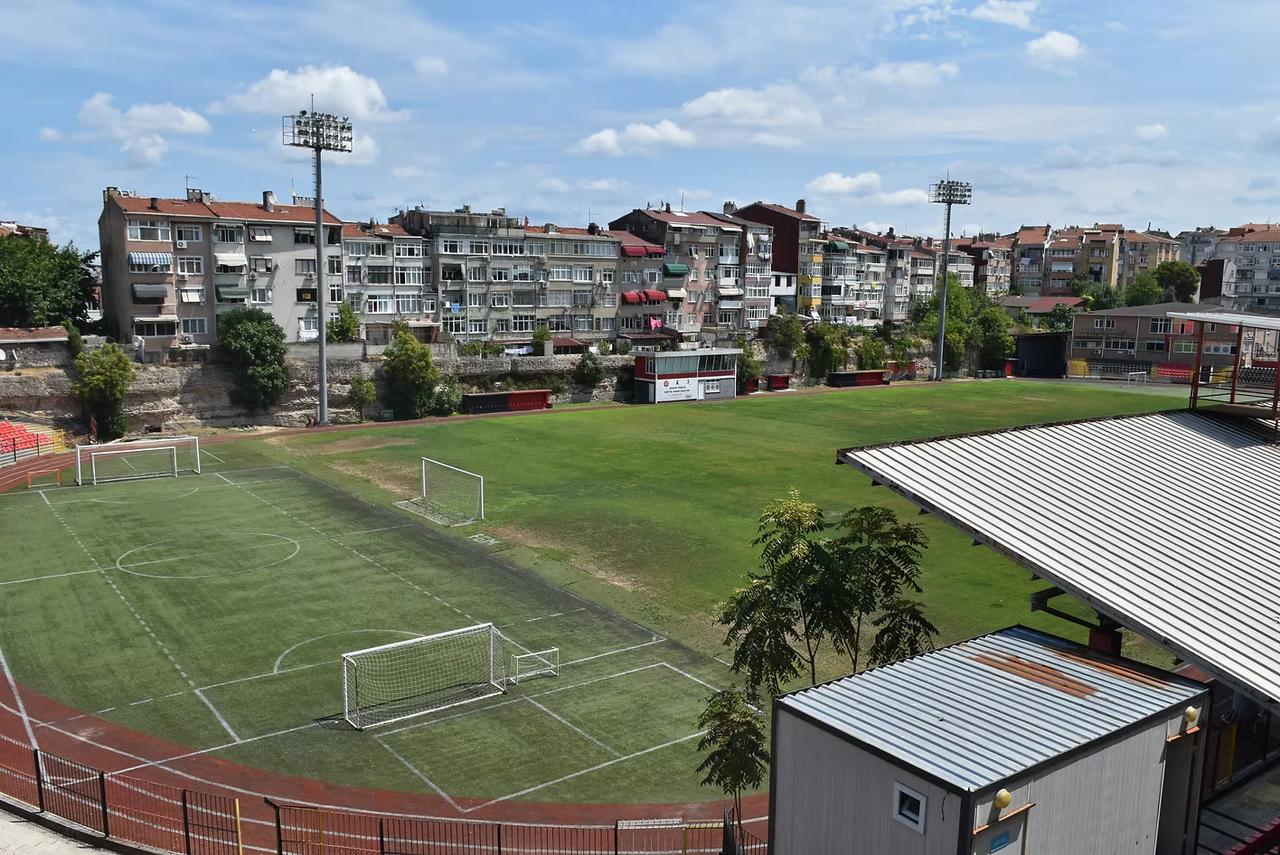
Concerns over intervention at the Aetius Cistern were first raised in late December, when news reporting alleged mechanical excavation and concrete use during renovation works at the Karagumruk Vefa Stadium built above the site.
The Dec. 29 report by BirGun cited claims that sediment layers inside the fifth-century cistern were removed using heavy machinery, while anchoring systems and concrete bands were applied to the historic perimeter walls as part of the stadium renewal project.
At the time, the Association for the Protection of Historical Environments and Structures warned that such interventions risk irreversible loss of archaeological data and could undermine the structural integrity of one of Late Antique Istanbul’s most distinctive open air water reservoirs.
The group said any work linked to the stadium project should be reassessed in line with scientific excavation standards, conservation ethics, and international heritage protection principles, and called for a transparent and supervised process.
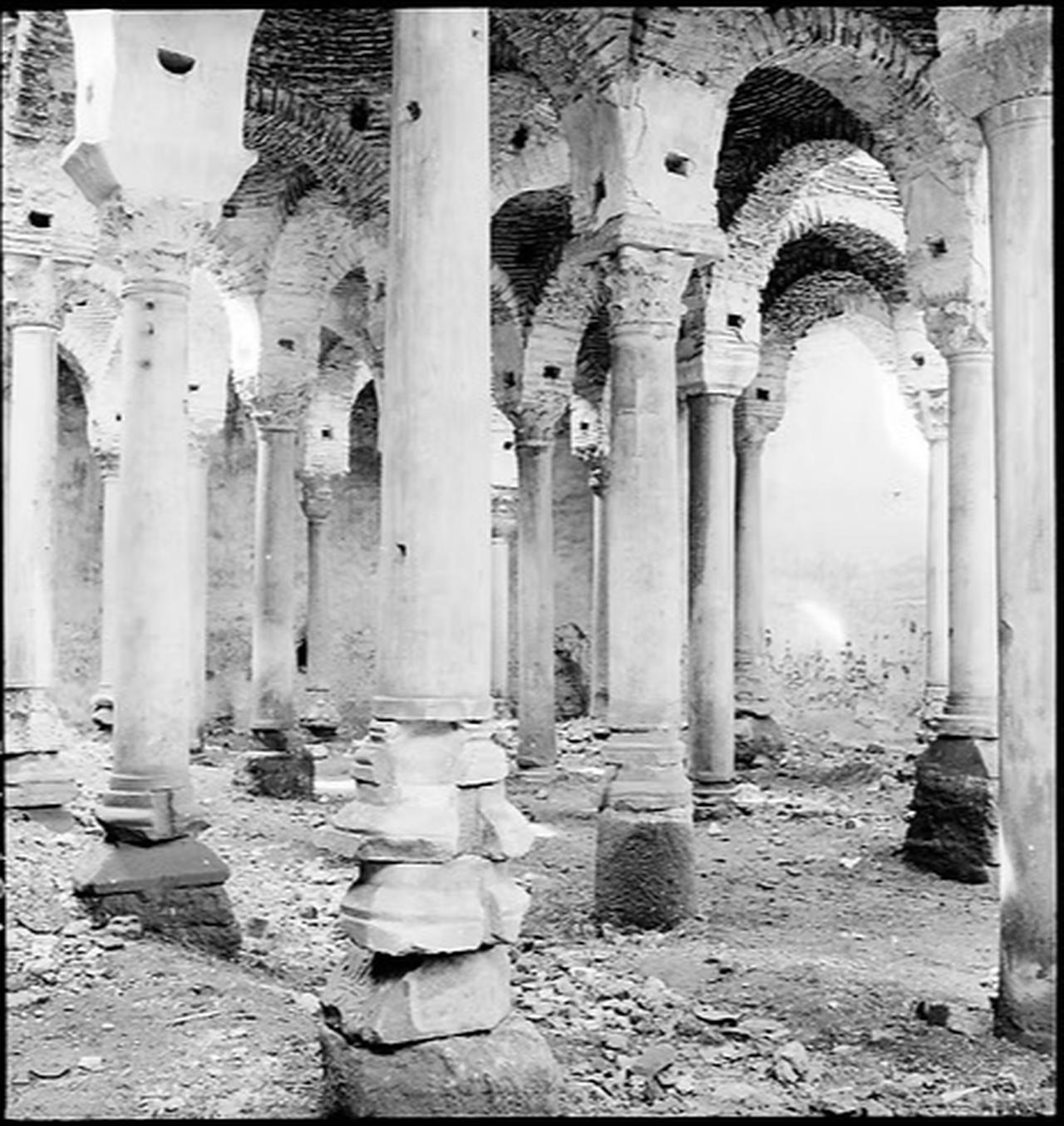
The Cistern of Aetius was constructed in the early fifth-century as part of Constantinople’s expanding water infrastructure during a period of rapid population growth.
Built under the administration of Aetius, the urban prefect of the city, the cistern formed part of a broader system designed to secure water storage in a capital that lacked reliable natural water sources. Alongside the Aqueduct of Valens and other major reservoirs, open cisterns like Aetius played a key role in sustaining the city during both daily use and periods of siege.
Unlike covered cisterns, the Aetius Cistern was an open-air reservoir with massive masonry walls and a large storage capacity. It was one of only three intramural open cisterns constructed within the city walls and is considered unique within Roman and Byzantine water engineering.
Its location between the older Constantinian walls and the later Theodosian Land Walls reflects how water infrastructure followed the city’s territorial expansion. Historical and archaeological evidence links the cistern to fifth-century construction activity, including stamped bricks dated to 420 or 421, which support its identification and dating.
After falling out of use as a water reservoir, likely following disruptions to the aqueduct system in the seventh-century, the site took on new functions that reflected changing urban needs. By the Ottoman period, the former cistern served as a "cukurbostan", or sunken vegetable garden, supplying food within the city walls.
In the twentieth-century, it was converted into a football stadium used by Karagumruk Sports Club, making it one of Istanbul’s oldest continuously reused public spaces.
Experts note that this layered history gives the site significance not only as a Byzantine engineering structure but also as a rare example of how ancient infrastructure remained integrated into the city’s social and spatial life over centuries.


 Set as preferred source
 Set as preferred source



 1 min read