Newsletters


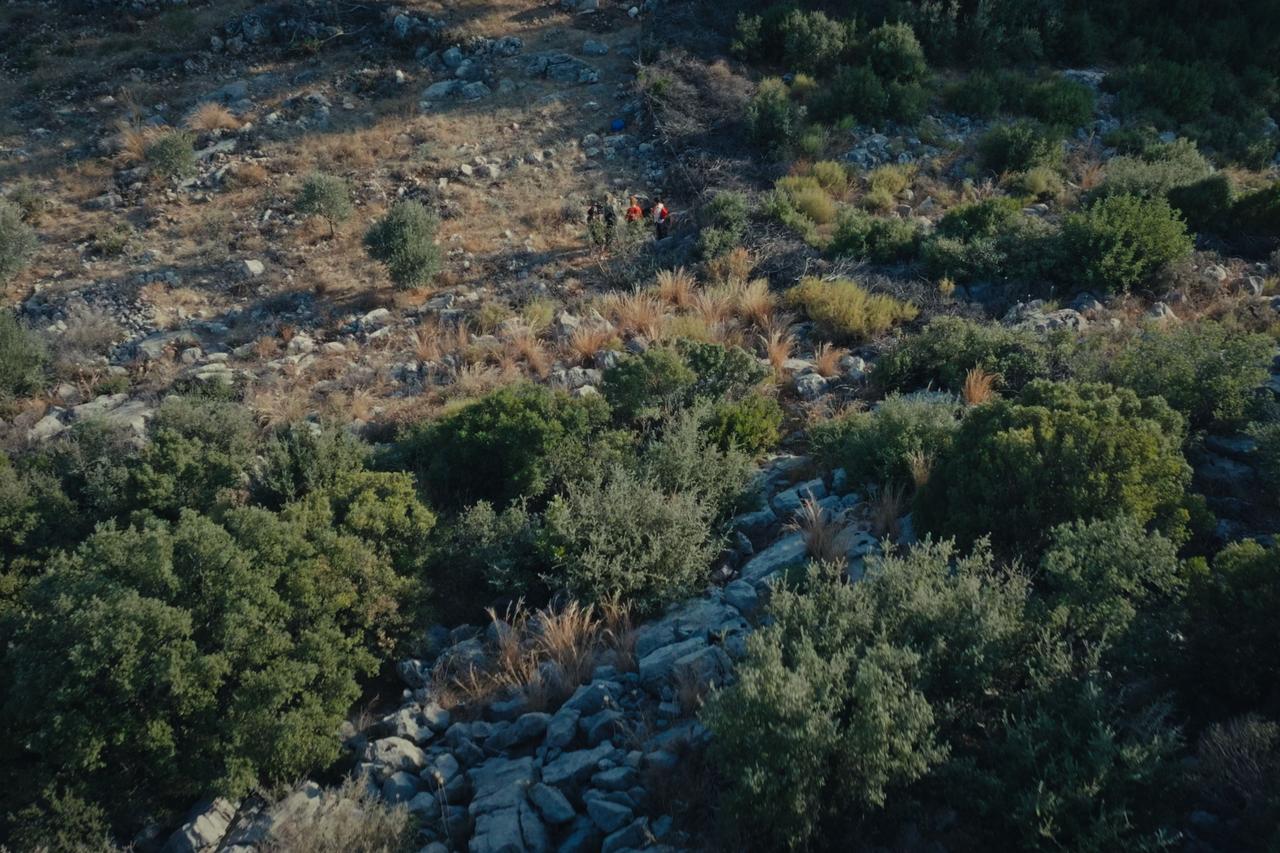


An archaeological survey in Fethiye, southwestern Türkiye, is documenting more than 100 rock-cut tombs, numerous burial mounds and settlement remains at ancient Telebehi, also known as Telmessos, as researchers work to piece together the area's development across several historical periods.
The Telebehi Archaeological Survey is being carried out at Hidirlik Hill and the Karapinar area in Fethiye, Mugla, with permission from Türkiye's Ministry of Culture and Tourism and under the direction of Asst. Prof. Irem Albayraktaroglu Goktas.
A multidisciplinary team of Turkish and international specialists is systematically examining evidence linked to the ancient settlement, with the current phase focusing particularly on Hidirlik Hill and the Karapinar Necropolis.


Researchers have recorded settlement traces, defensive walls, rock-cut tombs, tumuli and other archaeological remains across the area.
Telebehi stands out for bringing together several types of burial architecture associated with Lycia, including tumuli, pillar tombs, rock-cut tombs and sarcophagi. The site also contains one of the highest known Lycian pillar tombs.
More than 100 rock-cut tombs and numerous tumuli have so far been identified, while a stone tumulus measuring 25 meters in diameter is described by the research team as the largest known stone tumulus in Lycia.
A tumulus is an artificial mound, usually made from earth or stone, built over a burial place.
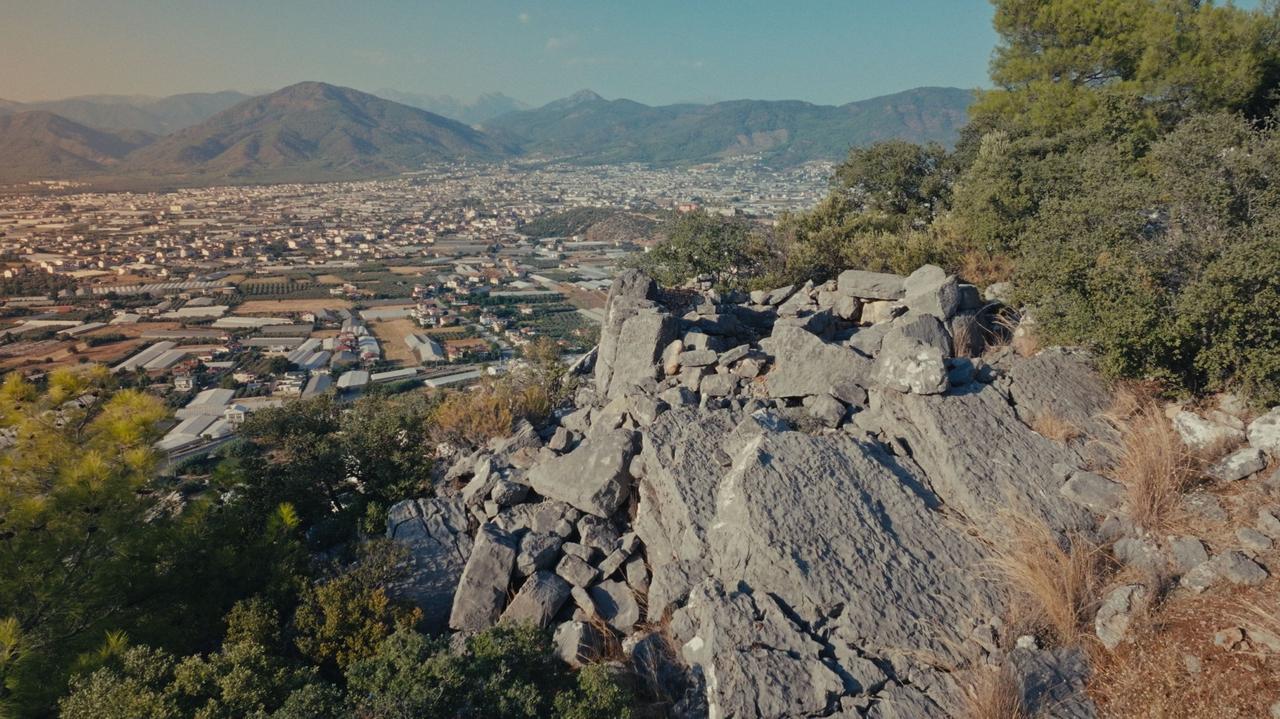
Goktas said the work could help researchers better understand early urbanization in Lycia and settlement patterns in the Xanthos Valley.
She noted that evidence from the Archaic and Classical periods, alongside remains dating to the Hellenistic, Roman, Byzantine and Ottoman eras, could shed light on how settlement in the area changed over centuries.
"One of the important goals of our research is to identify and document the archaeological heritage in the area and contribute to its preservation. We believe that new findings from Telebehi will contribute to a better understanding of Fethiye's cultural heritage and the development of cultural tourism," Goktas said.
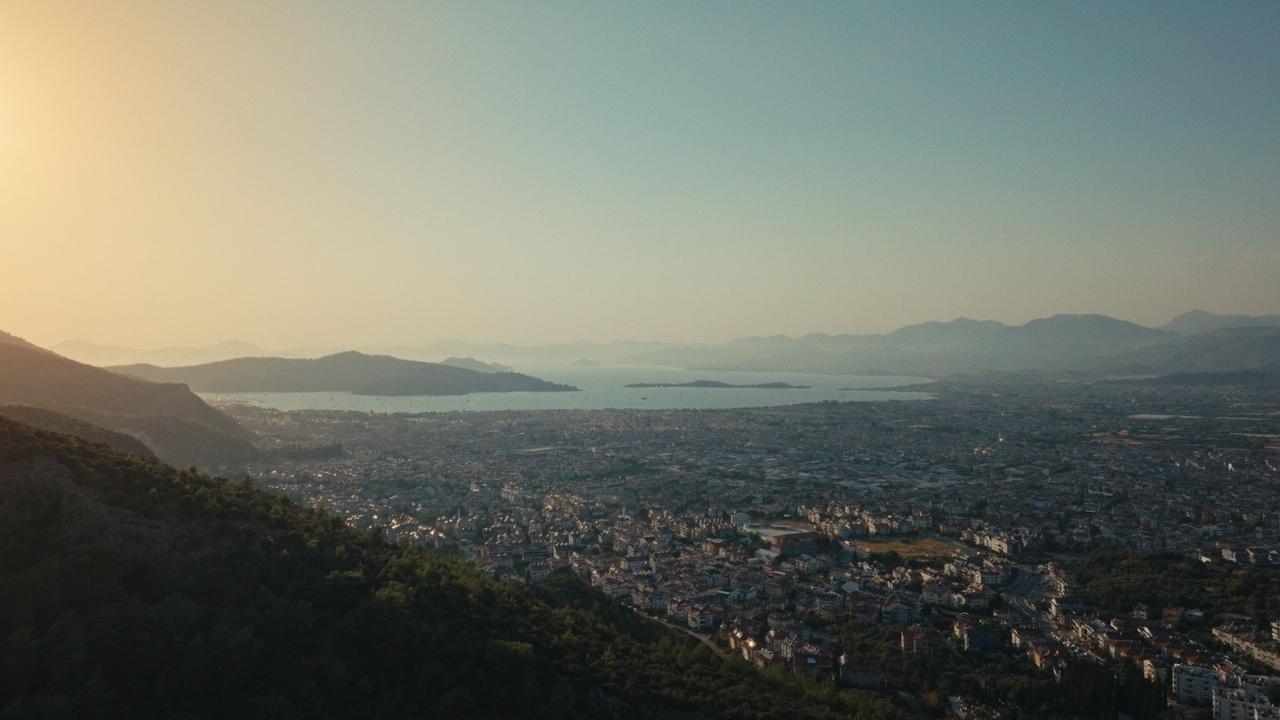
The Telebehi project follows on from the Telmessos surveys that began in 2021, with the 2026 season concentrating on Hidirlik Hill and the Karapinar Necropolis.
Researchers aim to document early settlement layers, complete work on the tumuli and use advanced technologies to record archaeological remains before sharing the results with researchers in Türkiye and abroad.
The project is supported by Corendon Airlines with contributions from Royal Avis. Plans connected to the research also include "Accessible Science" activities aimed at bringing archaeological work together with children, elderly people and disadvantaged groups.


 Set as preferred source
 Set as preferred source


 5 min read